
What changed, and what it changed for you
When this started, it was a list of recipes I’d scribbled on napkins or typed into a shared doc. No structure, no photos, no way to know if the sour cream cake would actually rise.
The first hundred posts were just me figuring it out—sometimes with the family eating the mistakes, sometimes with me Googling ‘why did my meringue collapse?’ at 2 AM.
Now, every recipe has a test kitchen stamp: a photo of the final dish, a list of what failed the first time, and a note on whether it’s worth the effort.
The site looks different too—less like a blog and more like a place where you can trust the steps, even if you’re new.
| It used to be | Now it is |
|---|---|
| Recipes with no photos—just text descriptions. | Every recipe has at least one photo, and most have a process shot where things go wrong. |
| No way to filter by occasion (birthdays, holidays) or diet (vegan, gluten-free). | Recipes are tagged by event, skill level, and dietary needs—no more scrolling for hours. |
| Oven temps were ‘350°F’ with no explanation. | Every recipe now includes a thermometer reading and why it matters (e.g., ‘350°F on a dial = 325°F inside’). |
| No notes on substitutions or troubleshooting. | Every recipe has a ‘What Could Go Wrong’ section with fixes—like ‘if your pie crust shrinks, blame the butter temp’. |
The one that took years
The first year, I refused to write about anything that wasn’t a ‘perfect’ recipe. If the cake cracked or the frosting slid, I’d scrap it. That meant only safe, boring things—vanilla cupcakes, no-frills cookies—nothing that required skill or patience. The site felt small, and the recipes felt even smaller.
It stayed that way for two years because I thought ‘imperfect’ meant ‘bad,’ and I didn’t want to admit I was still learning. But then my little sister burned a batch of brownies because the recipe didn’t warn her the oven runs hot.
That’s when I realised: the point wasn’t to hide the mistakes—it was to show how to fix them.
Now, every recipe includes a ‘First Try’ section where I describe what went wrong and how I fixed it. The brownies now say, ‘Oven temp varies—use an oven thermometer or bake 2 mins longer.’ It cost me years of pride, but it saved readers from wasted ingredients and frustration.
And yes, it still costs time: I test every recipe twice now, once for the ‘happy path’ and once for the ‘what if I screw up?’ path.
Meet the author
I used to think cooking was about following rules. Measure this, bake that, don’t let the batter sit too long. My first attempts at baking were disasters—lumpy mashed potatoes, a cake so dense it could’ve been a doorstop.
But I kept at it because my mom would laugh and say, ‘It’s fine, love,’ even when it wasn’t. I learned early that the rules were more like suggestions, and the real skill was in figuring out why things went wrong.
For years, I’d write recipes without testing them first. I’d copy a method from a book or a blog, tweak it slightly, and call it my own. The results were hit-or-miss, and I never bothered to track what worked and what didn’t.
Once, I posted a lemon tart recipe that required chilling the dough for an hour—no warning, no substitution. A reader messaged to say they’d spent 45 minutes waiting for nothing. I deleted the post that night.
I stopped copying.
Now, I test every recipe at least twice before it goes live. I write them in the first person because I want you to trust that I’ve actually made this—even the messy parts.
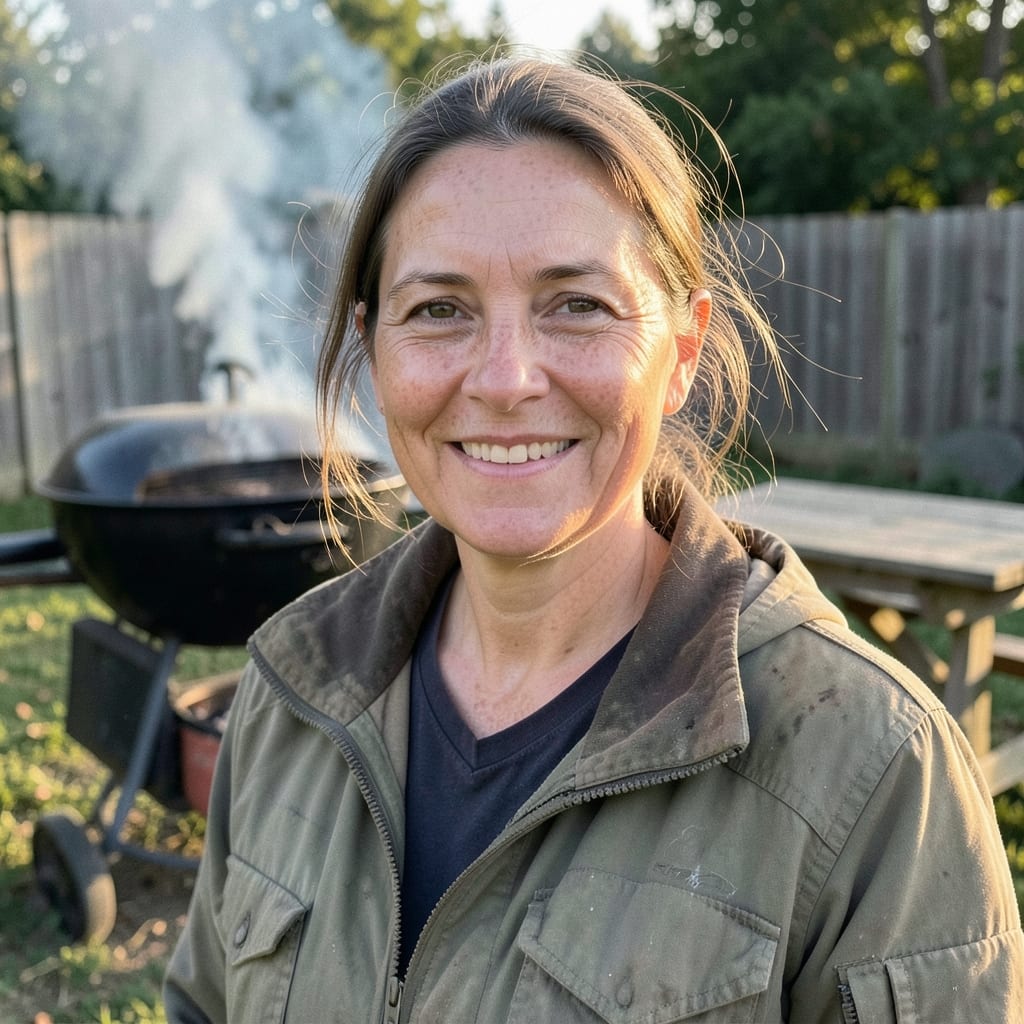
Here, I’m Bridget Novak, and my job is to turn your kitchen into a place where mistakes feel like part of the process, not the whole story.
What did not change
The site still starts with the recipes that fed my family when we were broke and hungry. The no-knead bread, the spaghetti with just garlic and oil, the cakes made with whatever was in the cupboard. Those are the ones I’ll never stop sharing because they’re the ones that matter.
I still believe the best recipes are the ones that tell you what to do *and* what to watch out for. No secrets, no shortcuts that hide the truth. If I say ‘fold gently,’ I mean it—because rushing that step ruins the meringue every time.
What is still being fixed
Right now, I’m working on a way to let readers submit their own fixes—like, ‘I added an extra egg to the brownie mix and it turned out better.’ It’s tricky because I don’t want the site to turn into a free-for-all, but I also don’t want to ignore the fact that you know your kitchen better than I do.
If you’ve got a tip, a trick, or even a rant about a recipe here, I’d love to hear it. You can tell me on the contact page.
The next thing on the list? A ‘Recipe Confessor’ section where people can anonymously ask, ‘Why did my soufflé collapse?’ and get a real answer—no judgment, just science.
Things that would help
- Your best substitution for an ingredient I didn’t list (e.g., ‘use cornstarch instead of arrowroot’).
- A photo of your version of one of my recipes—especially if it looks nothing like mine.
- A question about a recipe here that still doesn’t make sense after reading it three times.
The recipes are grouped by category: Appetizers, Beverages, Breakfast & Brunch, Desserts, Main Courses and Reviews.