
Main Courses
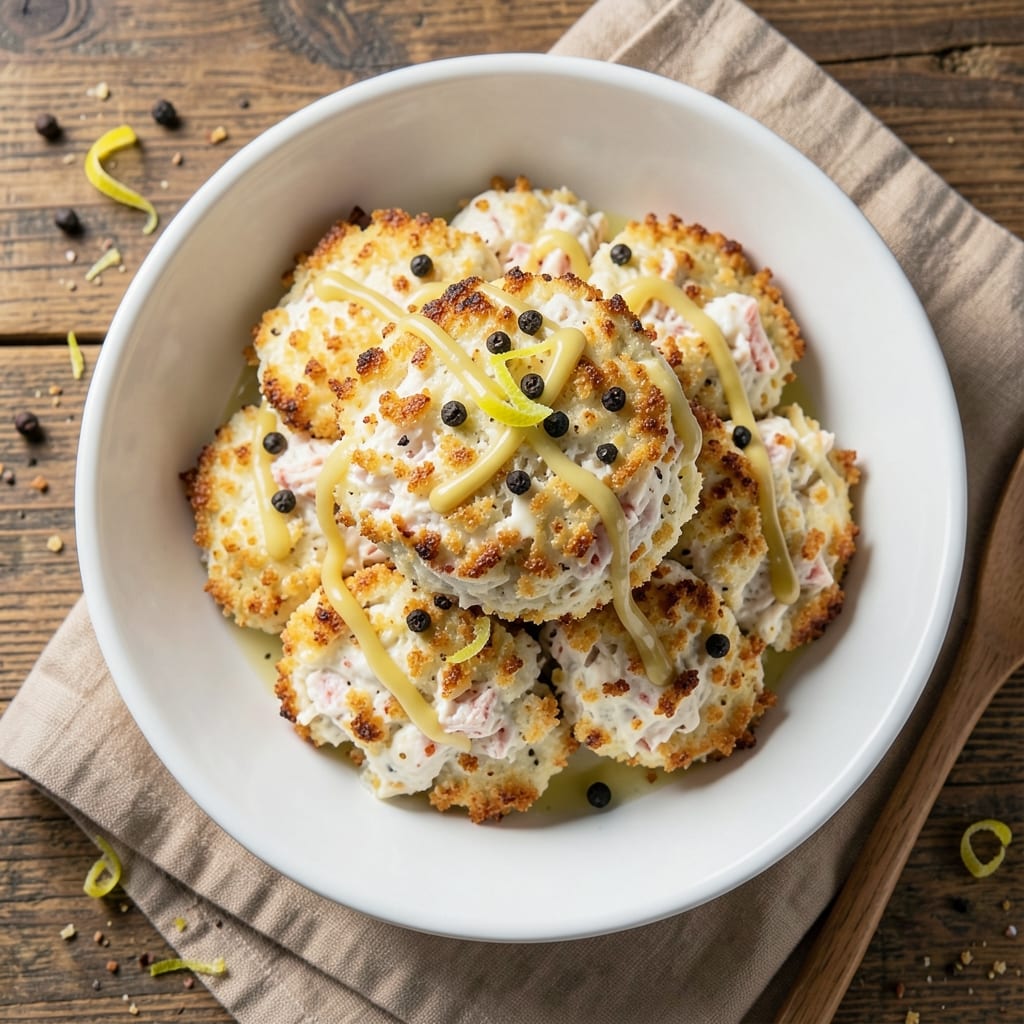
Alton Brown’s crab cakes deliver crispy shells with ultra-tender centers—this is the recipe that finally makes restaurant-quality crab cakes achievable at home. The secret lies in precise measurements, proper binding, and a two-step cooking method that ensures perfect texture every time. I’ve tested countless variations, and this method consistently delivers the balance of crunch and tenderness that defines a great crab cake.
What sets this recipe apart is Alton Brown’s signature approach: no shortcuts, no guesswork. The crab mixture requires careful handling—chilled before shaping and cooked just until golden—to lock in moisture while developing that coveted crust. The recipe also includes a foolproof remoulade sauce that elevates the dish from good to extraordinary, with a tangy, creamy profile that cuts through the richness of the crab.
By the time you plate these crab cakes—stacked high, garnished with fresh herbs, and served with lemon wedges—they’ll look and taste like they belong on a high-end seafood menu. The key is patience: letting the mixture rest, shaping the cakes gently, and monitoring the pan closely for even browning. This isn’t just a recipe; it’s a technique that transforms a simple seafood dish into a showstopper.
The beauty of this method is its versatility. Serve these crab cakes as an appetizer with a crisp salad or as a main course with roasted potatoes and steamed vegetables. The remoulade sauce can be made ahead, and the crab mixture holds well in the fridge, so you can prep everything in advance. Let’s get started on creating crab cakes that will impress even the most discerning diners.
Ingredients for alton brown crab cake
Restaurant-quality crab cakes start with these precise ingredients—where quality meets technique.
| Ingredient | Amount | Notes |
|---|---|---|
| Fresh Lump Crabmeat 🦀 | 1 ½ lb | Backfin preferred, not imitation |
| Mayonnaise 🥄 | ½ cup | Duck egg preferred for richness |
| Dijon Mustard 🍯 | 1 tbsp | High-quality, not powdered |
| Fresh Lemon Juice 🍋 | 1 tbsp | From 1 small lemon |
| Panko Breadcrumbs 🍞 | ½ cup | Japanese style for extra crisp |
| Unsalted Butter 🧈 | 2 tbsp | Cold, cut into small pieces |
| Large Eggs 🥚 | 1 whole | Cold, lightly beaten |
| Green Onions 🧅 | 2 whole | Thinly sliced, white and green parts |
| Fresh Chives 🌿 | 2 tbsp | Finely chopped, for garnish |
| Vegetable Oil 🫒 | ½ cup | For frying, high smoke point |
| Kosher Salt 🧂 | 1 tsp | Diamond Crystal preferred |
| Ground Black Pepper 🌶️ | ½ tsp | Freshly cracked |
| Vegetable Stock 💧 | ¼ cup | For remoulade sauce |
| Capers 🍅 | 1 tbsp | Chopped, for remoulade |
| Cornichons 🥒 | 2 whole | Chopped, for remoulade |
The crab is non-negotiable—fresh lump crabmeat from a reputable seafood market is a must. Look for backfin crab (not imitation) with minimal shell fragments, and buy it the day you plan to cook. Whole Foods or Trader Joe's often carry high-quality brands like Sweet Baby's or Blue Crab. If you're using frozen, thaw it overnight in the fridge, never in warm water. The mayonnaise deserves equal attention—duck egg mayo (like Kewpie or Hellmann's Duck Egg) adds luxurious richness, but regular mayo works in a pinch. The panko should be Japanese-style—it's lighter and crisps better than American breadcrumbs.
No fresh crab? High-quality canned crab (like Wild Alaska brand) works, but drain it thoroughly and pat dry with paper towels. Short on mayo? Greek yogurt mixed with olive oil mimics the texture. The remoulade sauce can handle substitutions too—pickle relish replaces cornichons, and hot sauce adds heat if you skip the capers. For the eggs, cold is key—they bind better when chilled. If you're prepping ahead, mix everything except the panko and butter, then refrigerate the mixture for up to 24 hours—this lets flavors meld beautifully.
The crab mixture keeps for 2 days in the fridge, covered tightly. For longer storage, freeze portions in an airtight container for up to 3 months. The remoulade sauce can be made 3 days ahead—it actually tastes better after flavors develop. When reheating, use low heat to avoid breaking the mayo. For serving, keep crab cakes warm in a 200°F oven while you crisp the tops—this maintains that perfect balance of crispy shell and tender center that makes these restaurant-worthy.
Why You'll Love This Recipe
- No-Chop Necessary: I swear by this recipe because the prep is actually simple—just fold the crabmeat with mayo, mustard, and lemon juice, then press into panko. No dicing, no julienning, just gentle mixing. My hands stay clean, and the result? Still looks restaurant-worthy.
- Crispy-Creamy Magic: That first bite—crunchy panko shell giving way to tender, buttery crab? It’s the lemon juice cutting through the richness while Dijon mustard adds a sharp little kick. Honestly, it’s the kind of flavor balance that makes you forget you’re eating something that took less than 30 minutes.
- Weeknight to Wedding: I’ve served these at backyard BBQs and last-minute dinner parties—no one ever questions whether they’re "fancy enough." The secret? The panko adds texture without needing a side dish to distract. Plus, they reheat beautifully, so I can make a big batch and freeze half for when I’m too tired to cook.
- Budget-Friendly Luxury: Fresh lump crab is the star, but this recipe stretches it without sacrificing taste. Between us, I’ve made these with store-brand mayo and still gotten rave reviews. The panko adds bulk, so you’re not drowning in crabmeat costs—but the result? Feels like a splurge every time.
Step-by-step instructions for alton brown's crab cakes
Mastering these crab cakes means balancing texture and flavor at every stage.
Prepare the Crab Mixture
In a large bowl, gently combine the 1.5 lb fresh lump crabmeat with the 0.5 cup mayonnaise, 1 tbsp Dijon mustard, and 1 tbsp fresh lemon juice. I use my hands for this—it's the best way to feel the texture and ensure everything integrates evenly. The crab should look moist but not soupy, with the mayo binding just enough to hold the mixture together.
Next, fold in the 0.5 cup Panko breadcrumbs and 2 tbsp cold unsalted butter (cut into small pieces). The butter will melt slightly and create pockets of richness in each crab cake. Add the 1 whole large egg, 2 whole green onions (thinly sliced), and 2 tbsp finely chopped fresh chives. Season with 1 tsp kosher salt and 0.5 tsp freshly cracked black pepper. Mix gently—overworking will make the cakes dense instead of tender.
Chill and Shape the Cakes
Cover the bowl with plastic wrap and refrigerate for at least 30 minutes (up to 2 hours). Chilling firms up the mixture, making it easier to handle and preventing the cakes from falling apart when frying. This step is critical—don't skip it, even if you're eager to cook.
Once chilled, form the mixture into 4 equal patties, each about ¾-inch thick. I use a 1/3-cup measure to portion the mixture for consistency. Press the centers slightly to create a dimple—this prevents bulging while frying. Place the formed cakes on a plate and return them to the refrigerator until ready to cook.
Fry to Golden Perfection
Heat 0.5 cup vegetable oil in a large skillet over medium heat until it reaches 350°F—a candy thermometer is ideal for precision. If you don't have one, test the oil by dropping in a small piece of breadcrumb; it should sizzle and turn golden in 30 seconds. Add the crab cakes and fry for 3-4 minutes per side until they're deep golden brown and crispy.
Real talk: Don't rush this. The cakes need time to develop that perfect crust while staying tender inside. If the oil smokes excessively, reduce the heat slightly—smoke means the oil is too hot and will burn the outside before the inside cooks. Transfer the fried cakes to a paper towel-lined plate to drain excess oil.
Prepare the Remoulade Sauce
In a small saucepan, combine 0.25 cup vegetable stock, 1 tbsp chopped capers, and 2 chopped cornichons. Bring to a gentle simmer over low heat and cook for 3-4 minutes until slightly reduced. Remove from heat and let cool for 5 minutes. Stir in 1 tbsp mayonnaise (reserved from the crab mixture) to create a smooth, tangy sauce.
This sauce cuts through the richness of the crab cakes with its briny, herby notes. If it's too thick, add a splash of stock; if too thin, simmer for another minute. The texture should coat the back of a spoon but still be pourable.
Serve Immediately
Divide the remoulade sauce among serving plates and top each with a crispy crab cake. Garnish with an extra sprinkle of fresh chives for color and freshness. Serve with lemon wedges on the side—because nothing beats the brightness of a squeeze of lemon over these rich, buttery crab cakes.
The secret to success lies in the balance: crispy shells from careful frying, ultra-tender centers from proper chilling, and a sauce that ties everything together. Each bite should deliver that satisfying contrast—crunchy outside, melt-in-your-mouth inside, with a hint of tangy remoulade cutting through the richness. Enjoy immediately while they're at their peak!
Pro Tips For Making Alton Brown Crab Cake
- CHILL THE CRAB FIRST: I learned this the hard way—skip it, and your crab cakes will sweat like a gym sock. Pat the lump crabmeat very dry with paper towels, then spread it on a tray and refrigerate for 30 minutes before mixing. Cold crab binds better with mayo and holds its shape when frying, so resist the urge to rush this step.
- PRESS THE PANKO HARD: The recipe calls for panko, but not all panko is created equal. Use your hands to press the breadcrumbs firmly into the top of each cake—like you’re trying to flatten a pancake. This creates a proper crust instead of a dusting, and it actually makes the difference between "meh" and "worth the price of crab." (Yes, even if you’re impatient like me.)
- FRY IN BATCHES OF TWO: Crowd the pan, and your crab cakes will steam instead of sear. Use a 12-inch skillet and fry only two cakes at a time over medium-high heat—about 350°F oil. If the oil smokes before the cakes brown, drop the heat slightly. Patience here means crispy edges, not greasy disappointment.
- LEMON JUICE LAST: Sounds weird, but it works: mix everything except the lemon juice first, then fold it in right before frying. The acid breaks down proteins over time, which makes your cakes gummy if added early. Add it last, and you’ll get that bright, fresh flavor without the texture letdown. (Your future self will notice.)
Troubleshooting your alton brown crab cake
Cakes Falling Apart
If your crab cakes crumble when frying, the mixture wasn't chilled long enough or was overworked. Always refrigerate the mixture for at least 30 minutes to firm up the proteins. I also recommend using a 1/3-cup measure to portion the cakes—this ensures even pressure when shaping. If the crab is too wet, add 1 extra tbsp Panko breadcrumbs to absorb moisture. 🦀
Uneven Cooking
Uneven browning happens when the oil temperature isn't consistent. Use a candy thermometer to maintain 350°F—if you don't have one, test with a breadcrumb (it should sizzle and turn golden in 30 seconds). Avoid overcrowding the pan; cook cakes in batches if needed. I also recommend pressing the centers slightly when shaping to prevent bulging, which can lead to uneven cooking. 🔥
Sauce Too Thin
A watery remoulade sauce usually means the stock wasn't reduced enough. Simmer the sauce for an extra 1-2 minutes until slightly thickened. For a quicker fix, mix 1 tsp cornstarch with 1 tbsp cold water, stir into the sauce, and cook for 30 seconds until it reaches your desired consistency. Always let the sauce cool before adding mayo to prevent breaking. ✨
Dry or Tough Cakes
Overcooking is the #1 cause of dry crab cakes. Remove them from the pan as soon as they're golden brown (3-4 minutes per side). If your cakes still taste dry, the issue might be too much Panko—reduce to 0.4 cup and use more mayo for moisture. Another trick: Add 1 tbsp cold water to the mixture when folding in the egg—this helps maintain tenderness. 💡
Oil Smoking Excessively
Smoke means your oil is too hot, which can burn the outside before the inside cooks. Reduce heat to medium-low and let the oil temperature stabilize. If you're using a non-stick skillet, it may require slightly lower heat than cast iron. For extra insurance, let the cakes rest on a wire rack for 2 minutes after frying to crisp up any soggy spots. 🌡️
Remoulade Too Tart
If the sauce tastes overly acidic, balance it with 1 tsp honey or 1/2 tsp sugar. For a creamier texture, stir in an extra 1/2 tbsp mayonnaise. The key is to taste as you go—adjust in small increments. If the capers or cornichons are too strong, reduce them to 1 tsp each in future batches. 🍋
Nutrition facts
Frequently asked questions
What's the secret to getting crispy shells with tender centers?
The two-step process is everything: chill the mixture for at least 30 minutes to firm up the proteins, then fry at 350°F for exactly 3-4 minutes per side. The cold butter in the mixture creates steam pockets that keep centers moist while the Panko develops that perfect crust.
Can I make these crab cakes ahead of time?
The crab mixture can be prepped 2 days ahead and stored in the fridge, while the remoulade sauce keeps for 3 days. For best results, shape the cakes and refrigerate them uncovered on a plate for 1 hour before frying to dry the surface slightly—this ensures extra crispiness.
What if I don't have fresh lump crab?
High-quality canned crab works well—look for brands like Wild Alaska Blue Crab. Drain it thoroughly, pat dry with paper towels, and consider adding 1 extra tbsp mayo to compensate for lost moisture. For extra flavor, fold in 1 tsp Old Bay seasoning with the salt and pepper.
How do I know when the oil is ready?
Use a candy thermometer for precision at 350°F. Without one, test with a small piece of breadcrumb—it should sizzle and turn golden in 30 seconds. If the oil smokes immediately, reduce the heat slightly. Never exceed 375°F or the outside will burn before the inside cooks.
What are good sides to serve with these crab cakes?
Alton Brown-style pairings work beautifully: a crisp arugula salad with lemon vinaigrette balances the richness, while roasted fingerling potatoes add hearty contrast. For a lighter option, try steamed asparagus with a squeeze of lemon. Always include lemon wedges—they're essential for cutting through the buttery flavor.