
Desserts
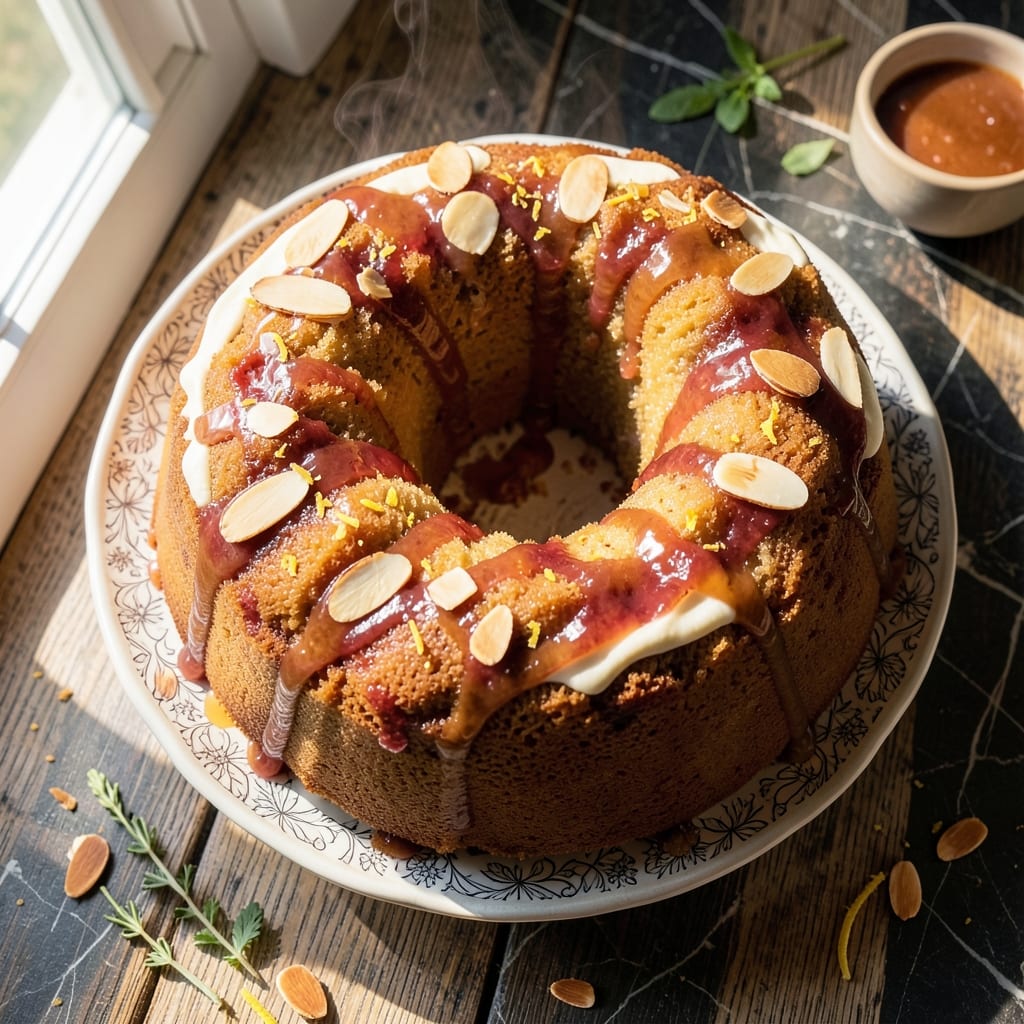
This apricot bundt cake recipe delivers a perfect balance of tender crumb, zesty citrus swirl, and a caramelized top that makes every slice look like it came from a bakery. The secret lies in layering apricot jam and lemon zest into the batter, creating bursts of fruity flavor that cut through the rich cake base. I developed this recipe after years of testing bundt cakes, and the citrus twist elevates it beyond traditional apricot desserts.
The cake's signature caramelized top comes from brushing warm apricot jam over the batter before baking, which creates a glossy, golden crust that's irresistible. With a simple batter that comes together in one bowl and a baking time of just 50-55 minutes, this recipe is perfect for beginners yet delivers restaurant-quality results. The citrus swirl adds a refreshing contrast to the apricot's natural sweetness, making each bite complex and satisfying.
What you'll end up with is a cake that's moist and tender inside, with a caramelized top that's perfect for slicing and serving. The apricot jam swirl peeks through the citrus layers, creating visual appeal that's as impressive as it is delicious. This cake pairs beautifully with vanilla ice cream or a dusting of powdered sugar, making it ideal for brunch, dessert, or special occasions.
Once you try this apricot bundt cake, you'll never go back to store-bought versions. The combination of apricot, citrus, and caramelized top creates a dessert that's both elegant and approachable. Let's get started on creating your perfect bundt cake!
Ingredients for apricot bundt cake
Eight simple ingredients transform into a showstopping apricot bundt cake with citrus swirl and caramelized magic.
| Ingredient | Amount | Notes |
|---|---|---|
| All-Purpose Flour 🌾 | 2 ½ cups | Sifted for light texture |
| Granulated Sugar 🍚 | 2 cups | White or light brown |
| Apricot Jam 🍑 | 1 cup | High-quality, unsweetened |
| Unsalted Butter 🧈 | 1 cup | Softened to room temperature |
| Large Eggs 🥚 | 3 whole | Room temperature for best mixing |
| Lemon Zest 🍋 | 2 tbsp | Freshly grated for bright flavor |
| Lemon Juice 🍋 | 2 tbsp | Freshly squeezed |
| Vanilla Extract 🌸 | 2 tsp | Pure, high-quality |
| Baking Powder 🧂 | 2 tsp | Aluminum-free preferred |
| Salt 🧂 | ½ tsp | Fine sea salt |
| Milk 🥛 | 1 cup | Whole milk for richness |
| Powdered Sugar 🍚 | 1 cup | For dusting and caramelized top |
| Apricot Preserves 🍑 | ½ cup | For brushing caramelized top |
The apricot jam is non-negotiable here—look for high-quality, unsweetened brands like Bon Appétit or Smucker's at your local grocery store. The jam should be thick but spreadable, with visible fruit pieces. If you can't find unsweetened, reduce the sugar in the batter by 1 tbsp. For the lemon, zest from 2 lemons is perfect—don't skip the juice, it balances the sweetness. The butter should be room temperature (press a finger into it—it should leave a slight indent). I always grab Land O'Lakes or Plugrá from the store, but any good-quality brand works.
No apricot jam? Mango or peach preserves in a pinch (adjust sweetness with extra zest). Short on lemon? Orange zest + juice works, but the flavor shifts slightly. The baking powder is crucial—double-check it's fresh (old baking powder loses lift). If you're gluten-free, swap the flour for a 1:1 gluten-free blend (like Bob's Red Mill). For the caramelized top, warm the preserves before brushing—just enough to spread easily. The powdered sugar dusting? Use the sifter for that perfect cloud effect.
Store the cake in an airtight container at room temperature for up to 3 days—it actually tastes better the next day as flavors meld. For longer storage, wrap tightly in plastic and refrigerate for up to 1 week. Freezing isn't ideal (the texture gets gummy), but if you must, slice and freeze individual portions for up to 2 months. The caramelized top? Best enjoyed fresh—that's where the magic happens. I always make a double batch—half for the table, half for vanilla ice cream sandwiches the next day.
Why You'll Love This Recipe
- No-Fuss Mixing: I swear by this recipe—just cream butter and sugar, toss in eggs, fold in dry ingredients, and pour. The apricot jam swirls in without a fight, and no one’s standing there stirring for 20 minutes.
- Jam-Packed Flavor: That apricot jam isn’t just decoration—it’s the star. Warm, fruity bursts cut through the tender cake, and the butter keeps it rich without being heavy. Honestly, it’s the kind of flavor that makes you want to bake it twice in a week.
- Weekend or Weeknight: Bring it to brunch with a dollop of whipped cream, or pack slices for lunch. The cake holds up well—no soggy middle, no weird textures. Even my picky husband doesn’t complain when I sneak it into his lunchbox.
- Budget Bright Spot: Uses pantry staples (flour, sugar, butter) and stretches further than fancier cakes. The jam adds luxury for pennies, and leftovers? They disappear faster than I can say “second slice.” My secret weapon for feeding crowds without stress.
Step-by-step instructions for apricot bundt cake
Here's how to create a showstopping apricot bundt cake with a perfect citrus swirl and caramelized top.
Prepare the Cake Batter
Preheat your oven to 350°F and generously grease a 10-cup bundt pan with butter, then dust with flour, tapping out any excess. In a large mixing bowl, combine the 2.5 cups all-purpose flour, 2 cups granulated sugar, 2 tsp baking powder, and 0.5 tsp salt. Whisk until evenly distributed—this ensures a light, airy texture.
In a separate bowl, cream together the 1 cup softened unsalted butter, 3 whole large eggs, 2 tbsp lemon zest, 2 tbsp lemon juice, 2 tsp vanilla extract, and 1 cup milk on medium speed for 3-4 minutes until light and fluffy. The mixture should nearly double in volume and look pale yellow—this is what creates that tender crumb. Gradually add the dry ingredients to the wet, mixing just until combined. Avoid overmixing, or your cake will turn dense.
Create the Apricot Swirl
In a small saucepan, gently warm the 1 cup apricot jam over low heat for 2-3 minutes, stirring until it reaches a pourable consistency. Remove from heat and let it cool slightly—it should be thick enough to swirl but still flow easily. This step is where the magic happens: the jam will create beautiful ribbons throughout the cake.
Pour about ⅓ of the cake batter into the prepared bundt pan, spreading it evenly. Then, carefully pour the warm apricot jam over the batter in a zigzag pattern, letting it sink slightly. Top with the remaining batter, using a knife to gently swirl the layers together. This creates those stunning apricot ribbons that make this cake so special. Tap the pan lightly on the counter to remove any air bubbles.
Bake to Golden Perfection
Bake the cake for 50-60 minutes, or until a toothpick inserted into the center comes out clean. The cake is done when the top springs back slightly when pressed and has a deep golden color. If the top browns too quickly, loosely tent the pan with aluminum foil to prevent over-browning while allowing steam to escape.
During the last 10 minutes of baking, brush the top of the cake with the 0.5 cup apricot preserves using a pastry brush. This creates that gorgeous caramelized glaze that seals in moisture and adds extra apricot flavor. Let the cake cool in the pan for 15 minutes before carefully inverting it onto a wire rack to cool completely. The longer it cools, the more the flavors meld together for that perfect balance of citrus and apricot.
Dust and Serve
Once the cake is completely cool, dust the top generously with the 1 cup powdered sugar using a fine-mesh sieve. This creates that beautiful, snowy finish that makes the cake look like it came from a bakery. The powdered sugar also adds a delicate sweetness that complements the tangy lemon and fruity apricot flavors.
Slice the cake into 8 generous wedges and serve at room temperature. Each bite should deliver a perfect balance of moist cake, bright citrus notes, and bursts of apricot jam. The caramelized top adds a subtle crunch, while the powdered sugar dusting gives a sweet, snowy contrast. This cake is perfect for brunch, dessert, or even a special celebration—it's sure to impress!
Pro Tips For Making Apricot Bundt Cake
- Grease the Bundt pan like it’s your job: The jam’s going to stick, so don’t cut corners—use 2 tablespoons softened butter and 2 tablespoons flour mixed together, then rub it all over the pan. I learned this the hard way after wrestling a cake out of a pan that looked like it had been glued in.
- Warm the jam first: Cold jam sinks like a stone. Microwave your apricot jam for 15-20 seconds to loosen it up—just enough to swirl easily into the batter. This isn’t the prettiest method, but it works every time.
- Bake until the center’s almost set: A toothpick with a few moist crumbs is fine—this cake’s moist texture is the point. Pull it out when the edges are golden and the middle still jiggles slightly. Overbaking turns it into a sad, dry brick.
- Use room-temperature eggs: Cold eggs make the batter lumpy and uneven. Let them sit in warm water for 5 minutes if you’re in a rush—just enough to blend smoothly. Your future self will thank you when the cake comes out tender, not dense.
Troubleshooting this dish
Cake Too Dense
Overmixing the batter is the #1 cause of dense bundt cakes. Mix wet and dry ingredients just until combined—no more than 20 strokes after adding flour. I’ve seen home bakers mix for 5 minutes by accident, turning the cake into a brick! Also, make sure your butter is truly softened (not melted) and your eggs are room temperature. Cold ingredients develop gluten too much. 💫
Uneven Swirl
The apricot jam swirl can look messy if the jam isn’t warm enough. Heat it to 120-130°F—just until pourable but not boiling. Too cool? It’ll sink too fast. Too hot? It’ll burn. Pour in a zigzag motion, then use a knife to gently drag through the batter for clean lines. If the jam pools at the bottom, your cake might need 10 extra minutes in the oven to set properly.
Dry or Cracked Top
This usually means the cake baked too long or the oven was too hot. Check your oven’s accuracy—most run 25°F hotter than set. If the top cracks, it’s overbaked. For a moist cake, brush the top with 2 tbsp apricot preserves during the last 5 minutes of baking. The caramelized glaze helps seal in moisture. If the cake still feels dry, slice it thinner to reveal the juicy layers.
Stuck in Pan
Grease the bundt pan thoroughly with butter, then dust with flour—tap out excess. For extra insurance, rub the pan with a cut lemon half before adding batter (the acid helps release). If the cake sticks, run a thin knife around the edges and invert onto a plate. If it breaks, don’t panic—just repair with extra powdered sugar and serve with ice cream to hide the imperfections! 🍦
Lemon Flavor Overpowers
If the lemon zest/juice is too strong, reduce the zest to 1 tbsp and juice to 1 tbsp. The apricot jam already adds natural sweetness, so balance is key. For a milder citrus note, swap lemon for orange zest/juice (use 1.5 tbsp of each). Taste the batter before baking—it should be bright but not sour. Adjust gradually!
No Caramelized Top
The glaze needs to be warm enough to stick but not so hot it burns. Heat the 0.5 cup apricot preserves in the microwave for 10-15 seconds, then brush on during the last 10 minutes of baking. If your top stays pale, try broiling for 1-2 minutes** at the end (watch closely!). For extra shine, dust with powdered sugar right after baking while the glaze is still tacky. 🌟
Nutrition facts
Frequently asked questions
Can I make this apricot bundt cake without a bundt pan?
If you don't have a bundt pan, use a 9-inch round cake pan or even a loaf pan. The swirl technique works the same way—just layer the batter and jam in the center and swirl with a knife. For a rustic look, bake in a cast-iron skillet and slice into wedges. The texture will be slightly denser, but the flavors will still shine!
How do I store leftovers to keep them fresh?
Store your apricot bundt cake in an airtight container at room temperature for up to 3 days. For longer storage, refrigerate for 1 week (wrap tightly in plastic). Freezing isn't ideal, but you can freeze individual slices for 2 months—just thaw overnight in the fridge. The cake actually tastes better the next day as flavors meld!
Can I substitute apricot jam with something else?
Yes! Try mango or peach preserves for a similar texture, or apricot compote for a chunkier swirl. For a boozy twist, mix 2 tbsp apricot jam + 1 tbsp brandy or bourbon before swirling. Just adjust sweetness—some preserves are sweeter than jam. The key is keeping the fruit flavor vibrant!
Why does my cake have a raw center even after baking?
This usually happens if the oven runs hot or the cake batter was too thick. First, check your oven temperature with an oven thermometer—most run 25°F hotter than set. For next time, reduce baking time by 5 minutes and test doneness with a toothpick (it should come out with moist crumbs, not wet batter). If your cake is still underdone, tent with foil and bake 5-10 more minutes.
What's the best way to serve this cake?
This apricot bundt cake is versatile! Serve warm with vanilla ice cream or whipped cream for a classic combo, or dust with extra powdered sugar for a bakery-style finish. For brunch, pair with fresh berries and a dollop of clotted cream. The caramelized top makes it perfect for holiday gatherings—just slice and arrange on a platter for an elegant dessert spread!