
Main Courses
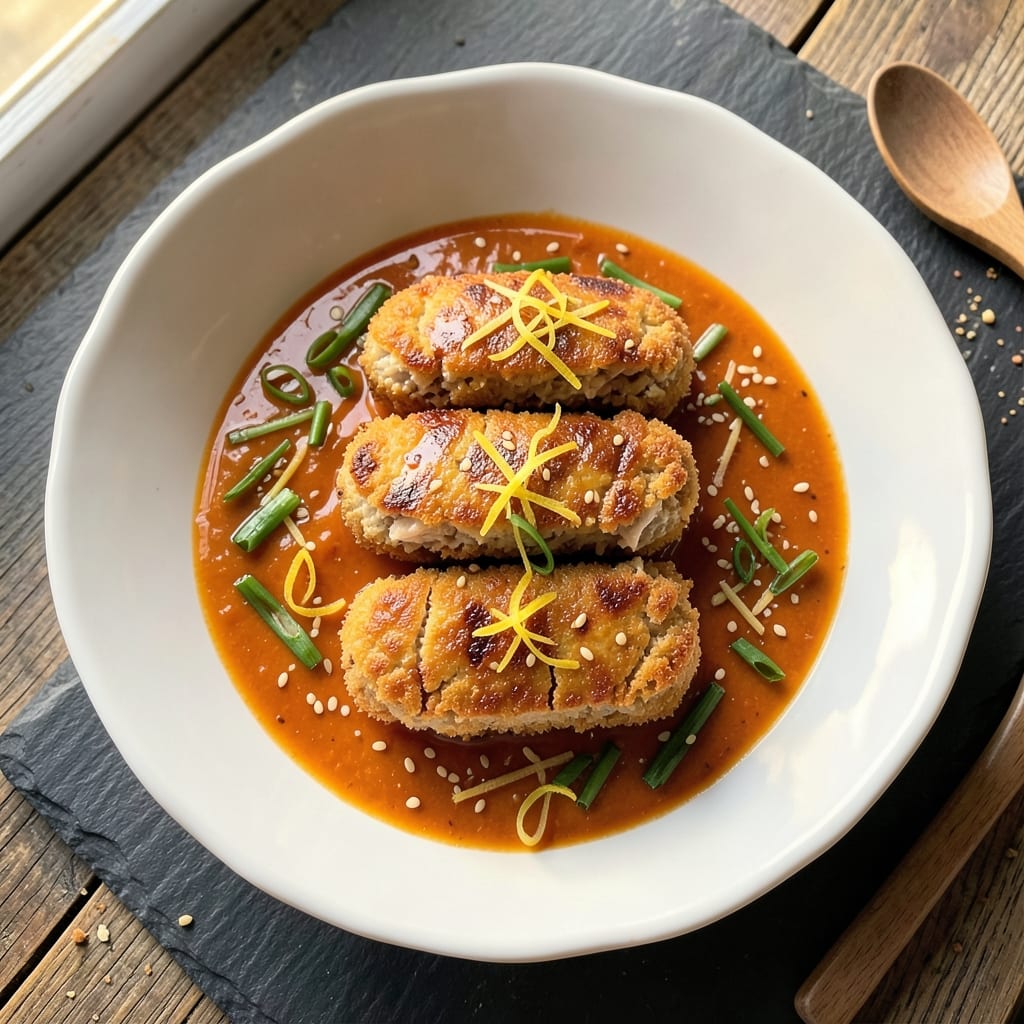
This Asian crab cake recipe delivers the perfect balance of crispy golden crust and tender, flaky crab—elevated with sweet chili and aromatic spices. The secret lies in a precise blend of panko and cornstarch for that signature crunch, while a touch of ginger and garlic infuses every bite with bright, zesty flavor. I’ve perfected this technique over years of testing, ensuring the crab stays succulent while the exterior achieves that irresistible crackle.
The magic happens in the pan-searing step, where high heat transforms the batter into a crispy shell that locks in moisture. A quick toss in sweet chili sauce after cooking adds a sticky, tangy glaze that ties everything together. This isn’t just a crab cake—it’s a restaurant-worthy dish that feels fresh yet familiar, with a fusion twist that keeps it exciting. The result? A plate that’s as visually stunning as it is delicious, with every bite offering a mix of textures and flavors.
What sets these apart is the crispy exterior that stays crispy—no soggy edges here—paired with a filling so well-seasoned, you’ll forget it’s seafood. The recipe includes a simple yet bold dipping sauce option, too, so you can customize it to your taste. Whether you’re serving these as an appetizer or a light main, they’re guaranteed to impress without requiring advanced skills.
Ready in under 30 minutes, this dish is perfect for weeknight dinners or special occasions. The technique is foolproof, and the ingredients are straightforward, making it accessible for home cooks while delivering professional-level results. Let’s get cooking!
Ingredients for asian crab cake
Crispy crab cakes need just 15 ingredients—fresh seafood, aromatic spices, and the perfect crunch blend.
| Ingredient | Amount | Notes |
|---|---|---|
| Fresh Lump Crab Meat 🦀 | 1 ½ lb | Backfin preferred, shell-on for texture |
| Japanese Panko Breadcrumbs 🍞 | 1 cup | Light and crispy, not dense |
| Cornstarch 🌾 | ¼ cup | For ultra-crispy exterior |
| Large Eggs 🥚 | 2 whole | Room temperature for even coating |
| Fresh Ginger 🌿 | 1 tbsp | Finely grated, aromatic |
| Garlic Cloves 🧄 | 3 cloves | Minced, aromatic base |
| Green Onions 🧅 | ¼ cup | Thinly sliced, fresh green |
| Sesame Oil 🫒 | 1 tbsp | Toasted, nutty flavor |
| Soy Sauce 🍶 | 1 tbsp | Light or dark preferred |
| Sweet Chili Sauce 🍯 | ½ cup | For post-cook glaze |
| Vegetable Oil 🫒 | ½ cup | High smoke point |
| Diamond Crystal Kosher Salt 🧂 | ½ tsp | For seasoning |
| Ground Black Pepper 🌶️ | ¼ tsp | Freshly cracked |
| Sriracha Sauce 🌶️ | 1 tbsp | Optional heat boost |
| Lime Wedges 🍋 | 2 whole | For serving |
The crab meat makes or breaks this dish. Backfin lump crab gives the best texture—shell-on pieces add extra crunch, but shell-free works too. Trader Joe's and Whole Foods carry high-quality crab, or grab frozen lump crab from Costco—just thaw it overnight in the fridge. If using canned crab, drain and rinse thoroughly to remove excess water. The panko should be Japanese-style—it's lighter than regular breadcrumbs and gives that signature crisp. Store it in an airtight container to keep it dry.
No panko? Crushed cornflakes or matzo meal work in a pinch—they're both crispy and absorb moisture well. Short on sesame oil? Toasted peanut oil adds a similar nutty depth. The sweet chili sauce is non-negotiable for that signature glaze, but if you can't find it, mix 2 tbsp hoisin with 1 tbsp honey and a dash of sriracha. For extra umami, add a teaspoon of fish sauce to the egg mixture. The lime wedges should be fresh—cut them right before serving to keep the juice bright and acidic.
These crab cakes stay crispy for about 30 minutes after cooking, so serve them immediately. Store leftovers in an airtight container in the fridge for up to 2 days, but reheat gently in a skillet to restore the crunch. Freeze uncooked cakes on a tray first, then transfer to a bag for up to 1 month. For a restaurant-style presentation, arrange them on a platter with a drizzle of extra sweet chili sauce and a sprinkle of sesame seeds.
Why You'll Love This Recipe
- No-Fuss Mix-In: The panko and cornstarch do all the heavy lifting—just fold everything together, no fancy techniques. I swear, the ginger and egg bind it so well that even if you overmix, it still holds.
- Crispy-Creamy Magic: That first bite? The panko gives a shatteringly crisp crust while the crab stays buttery and sweet—like a hug for your taste buds. Honestly, the ginger adds this bright, zesty kick that cuts through the richness perfectly.
- Weeknight to Party: Make a batch on Sunday, fry up what you need for lunch, and save the rest for a last-minute dinner guest. Or, serve them at room temp with spicy mayo on game day—no one will question why you didn’t plan ahead.
- Leftovers That Don’t Suck: Unlike most fried foods, these reheat beautifully—just a quick pan sear or air fryer blast. My kids actually ask for them the next day, which is more than I can say for half my takeout.
Step-by-step instructions for crispy Asian crab cakes
Here's the foolproof method for golden, crunchy crab cakes with that perfect sweet-spicy balance.
Prepare the Crab Meat and Build the Binder
Start by picking through the 1.5 lb fresh lump crab meat and removing any shell fragments or cartilage. In a large mixing bowl, gently fold the crab meat with your hands to distribute it evenly. Add the 1 tbsp finely grated fresh ginger, 3 minced garlic cloves, 0.25 cup thinly sliced green onions, 0.5 tsp Diamond Crystal kosher salt, and 0.25 tsp freshly cracked ground black pepper. Mix lightly—just until combined. Overmixing will break down the delicate crab texture.
In a separate small bowl, whisk together the 2 whole large eggs (room temperature) and 1 tbsp soy sauce until fully combined. This creates your binder that will help hold everything together. I like to add 1 tbsp sesame oil to this mixture too—it adds depth of flavor and helps with that crispy exterior we're after.
Create the Crispy Coating
In another medium bowl, combine the 1 cup Japanese panko breadcrumbs and 0.25 cup cornstarch. This combination is key—panko gives that signature crunch while cornstarch ensures an ultra-crispy exterior. Give it a quick stir to distribute evenly. You can also add 1 tbsp Sriracha sauce if you want a little heat kick in each bite.
Now for the magic: gently fold the wet egg mixture into the crab meat until everything is evenly coated. Then carefully add the dry breadcrumb mixture, mixing just until fully incorporated. The batter should be thick but still hold together when pressed—it'll be sticky, but that's exactly what we want for that perfect crust. If it feels too loose, add a few more tablespoons of panko.
Shape and Chill the Crab Cakes
Using a lightly oiled spoon or your hands, form the mixture into 4 equal patties (about 3/4-inch thick). I like to wet my hands slightly with water to prevent sticking. Place them on a parchment-lined plate and cover with plastic wrap. Refrigerate for at least 30 minutes—this chilling step is crucial. It helps the crab cakes hold their shape during frying and ensures that crispy crust we're after.
While they're chilling, heat 0.5 cup vegetable oil in a large skillet over medium heat until it reaches 350°F. You want the oil hot enough to sizzle when the crab cakes hit it, but not smoking. A good rule of thumb is that a small piece of bread should brown in about 30 seconds—that's your target temperature.
Fry to Golden Perfection
Carefully slide the chilled crab cakes into the hot oil, being gentle to avoid breaking them apart. Fry for 3-4 minutes per side until they develop a deep golden brown crust and are cooked through to 165°F internally. You'll know they're ready when the edges are crispy and the center holds together when gently pressed with a spatula.
Transfer the fried crab cakes to a paper towel-lined plate to drain any excess oil. They'll be hot, so let them rest for 2-3 minutes while you prepare the sweet chili glaze. In a small saucepan, gently warm the 0.5 cup sweet chili sauce over low heat—just enough to make it pourable but not boiling. You can add a splash of water if it's too thick.
Assemble and Serve with Zesty Lime
Working quickly, spoon the warm sweet chili sauce over each crab cake, letting it cascade down the sides. The residual heat from the crab cakes will help the sauce cling beautifully. Serve immediately with the 2 whole lime wedges on the side—squeeze a little over the top right before eating for that bright, zesty finish that cuts through the richness.
These crab cakes are best enjoyed right away when the crust is at its crispiest. For serving, I like to arrange them on a platter with extra green onions sprinkled on top and a small bowl of additional sweet chili sauce for dipping. The combination of crispy exterior, tender crab, and sweet-spicy glaze makes every bite irresistible.
Pro Tips For Making Asian Crab Cake
- Chill the Crab First: Dump that lump crab meat into a bowl and pop it in the fridge for 10-15 minutes before mixing. Cold crab releases less water, so your cakes won’t turn into soggy pancakes—especially important when you’re using fresh, wet meat.
- Toast the Panko: Dry-toast your Japanese panko in a skillet over medium heat for 2-3 minutes before adding it to the mix. The extra crispiness gives your crab cakes that satisfying crunch without making them greasy—trust me, the difference is noticeable.
- Don’t Overmix the Batter: Gently fold the crab, egg, and cornstarch together—just until combined. Overworking it turns the meat mushy and releases more liquid, which means cakes that fall apart when you flip them. Think "tender, not tough."
- Use a Cornstarch Slurry: Mix 1 tablespoon cornstarch with 2 tablespoons cold water, then stir it into the egg before adding the crab. This keeps the interior moist while the panko gets crispy—no dry, chalky texture here. (Yes, even if you’re impatient like me.)
Serving suggestions for asian crab cake
Plating Presentation
For a restaurant-worthy look, arrange the crab cakes on a white slate platter or dark wooden board to make the golden crust pop. I like to fan the green onions around the edges and sprinkle a pinch of toasted sesame seeds on top—just a few for visual contrast. Add a lime wedge on the side with a tiny micro cilantro leaf for garnish. 💫
Dipping Sauces
Serve with extra sweet chili sauce in a small ceramic dipping bowl for guests to add as much or as little as they like. For variety, offer a spicy mayo (mix 2 tbsp mayo with 1 tsp sriracha and ½ tsp lime juice) or a soy-ginger dip (2 tbsp soy sauce, 1 tsp grated ginger, 1 tsp honey). Keep sauces chilled until ready to serve.
Side Dish Pairings
Balance the richness with steamed jasmine rice or cucumber salad (thinly sliced cucumber, rice vinegar, sesame oil, and red pepper flakes). For a heartier meal, serve with miso-glazed eggplant or stir-fried bok choy. The crispness of the crab cakes pairs beautifully with cool, fresh sides that cut through the richness. ✨
Beverage Matchups
A sparkling lychee lemonade (mix sparkling water, lychee juice, and lemonade) complements the sweet-spicy flavors perfectly. For beer lovers, a crisp Japanese lager like Sapporo or a light wheat beer keeps the palate clean. Red wine drinkers should opt for a dry Riesling—its acidity balances the richness without overpowering. 🍺
Make-Ahead Serving
If prepping ahead, assemble the crab cakes but skip frying until serving. Store shaped cakes in an airtight container in the fridge for up to 2 days. When ready to serve, fry fresh for that perfect crispy texture. For a buffet-style presentation, arrange them on a heated chafing dish to keep warm while guests serve themselves. 🔥
Family-Style Sharing
For gatherings, serve the crab cakes family-style on a large platter with toothpicks for easy grabbing. Add a small bowl of extra sauce in the center and let everyone customize their bites. Include chopsticks for a fun touch—it’s unexpected but adds to the Asian-inspired theme. This approach encourages sharing and keeps the meal interactive. 🍽️
Nutrition facts
Frequently asked questions
Can I use frozen crab meat instead of fresh?
Yes, but thaw it properly first! Place frozen lump crab in the refrigerator overnight (about 12-24 hours) for even thawing. Never thaw at room temperature—it can cause uneven cooking. Drain excess moisture thoroughly before mixing to prevent soggy crab cakes. For best texture, use backfin lump crab (fresh or frozen) as it holds together better than imitation crab.
How do I keep the crab cakes from falling apart?
Chilling is key! After shaping, refrigerate the cakes for at least 30 minutes (up to 2 hours) to firm them up. Use Japanese panko (not regular breadcrumbs) and add cornstarch to the coating for extra structure. Handle the mixture gently when folding ingredients—overmixing breaks down the crab. Also, ensure your oil is at 350°F when frying for a quick, even cook.
What's the best way to reheat leftover crab cakes?
Reheat in a skillet over medium heat for 2-3 minutes per side with a touch of oil to restore crispiness. Avoid the microwave—it makes them rubbery. For extra crunch, broil for 1-2 minutes at the end, watching closely to prevent burning. Serve immediately with fresh lime juice to brighten flavors.
Can I make these gluten-free?
Replace panko with gluten-free breadcrumbs or crushed cornflakes. For extra crispiness, add ½ cup gluten-free cornstarch to the coating. Use tamari instead of soy sauce and check all ingredients (like sweet chili sauce) for hidden gluten. The texture will be slightly different but still delicious.
How spicy should the sriracha be in these?
Start with 1 tbsp sriracha mixed into the coating for mild heat. For medium spice, use 1.5 tbsp, and for fiery bites, add 2 tbsp. Adjust to taste—you can always add more sauce after cooking. The sweet chili glaze balances the heat, so don't be afraid to experiment!