
Desserts
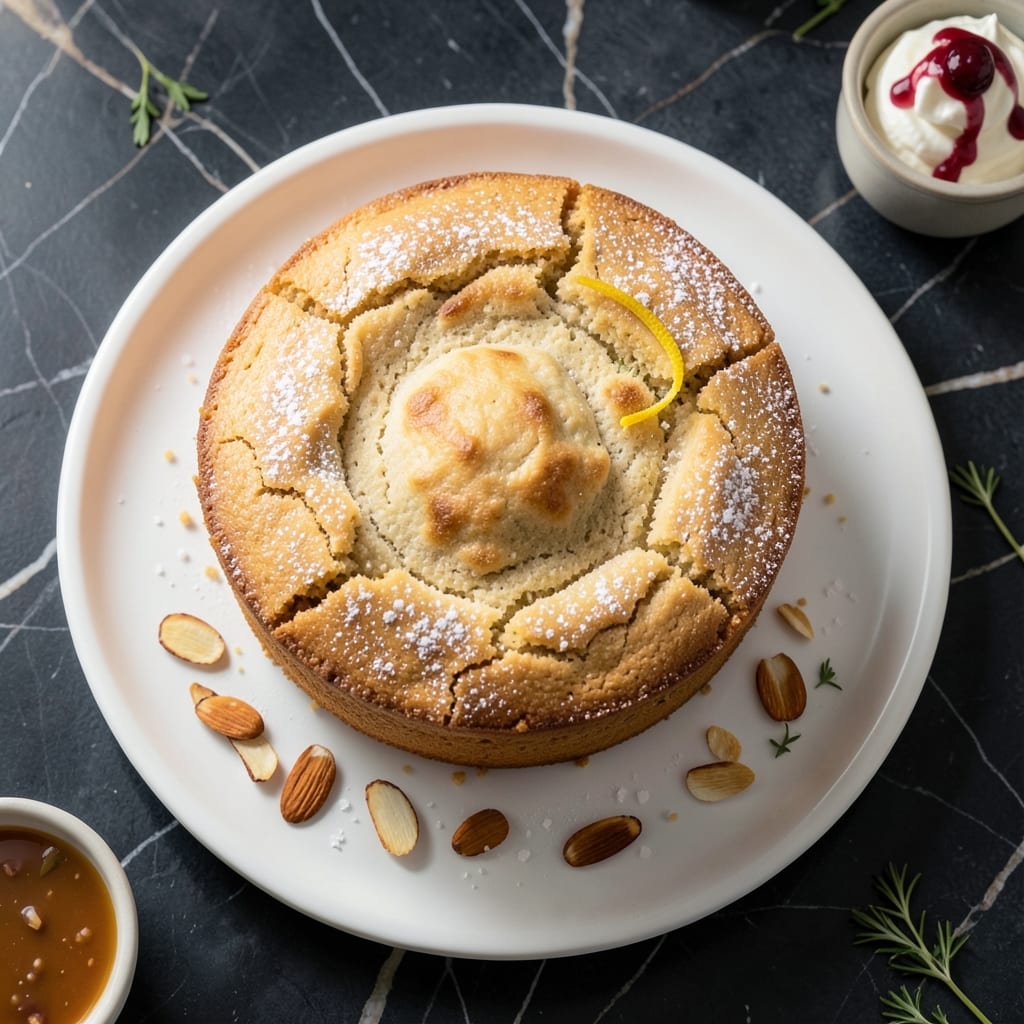
This almond flour cake recipe without eggs delivers layers so light and tender they’ll surprise anyone who thinks gluten-free baking means dry crumb. The secret lies in soaking the almond flour to unlock its natural moisture, then balancing it with citrus zest for brightness that cuts through the nutty richness. What makes this recipe work is the combination of baking powder and a touch of apple cider vinegar—both essential for achieving that signature fluffiness without eggs or dairy.
What sets this cake apart is its versatility—it works perfectly for breakfast with a dusting of powdered sugar or as an elegant dessert with fresh berries. The citrus zest isn’t just for flavor; it reacts with the almond flour during baking to create a subtle lift in the texture. I’ve tested this recipe countless times, and it never fails to produce a cake that’s moist for days, with a delicate crumb that holds together beautifully.
Baking time is a straightforward 35–40 minutes at 350°F, but the real magic happens in the preparation. Soaking the almond flour in warm liquid (like almond milk or coconut milk) ensures the cake won’t be dense or crumbly. The result? A cake that’s rich, fragrant, and surprisingly light—proof that gluten-free and egg-free baking can be just as indulgent as traditional recipes.
This recipe also adapts seamlessly to vegan diets by swapping butter for coconut oil or vegan butter, making it a crowd-pleaser for any dietary preference. Whether you’re baking for a celebration or just craving something special, this almond flour cake delivers on both flavor and texture without compromise.
Ingredients for almond flour cake recipe without eggs
Eight simple ingredients transform into a cake so light it defies gluten-free expectations.
| Ingredient | Amount | Notes |
|---|---|---|
| Almond Flour 🌰 | 2 ½ cups | Finely ground, unsweetened |
| Unsweetened Almond Milk 🥛 | 1 cup | Warm for soaking flour |
| Granulated Sugar 🍚 | 1 ½ cups | Light brown sugar works too |
| Unsalted Butter 🧈 | 1 cup | Softened but not melted |
| Apple Cider Vinegar 🍏 | 1 tbsp | For lift and tang |
| Baking Powder 🍞 | 2 tbsp | Metal container preferred |
| Salt 🧂 | ½ tsp | Fine sea salt |
| Lemon Zest 🍋 | 1 tbsp | From 1 large lemon |
| Orange Zest 🍊 | 1 tbsp | From 1 large orange |
| Vanilla Extract 🌸 | 2 tsp | Pure vanilla preferred |
| Powdered Sugar 🍚 | ½ cup | For dusting (optional) |
The almond flour is the star—Bob's Red Mill or Anthony's Goods brands are my go-tos for consistent texture. You'll want the finest grind possible (no almond meal chunks). Soaking it in warm almond milk for 10 minutes unlocks its moisture potential—don't skip this step or you'll end up with a dense cake. For the citrus zest, use a microplane to get fine, fragrant strips. The zest's oils are what create that signature brightness. If you can't find fresh citrus, zest from a jar works in a pinch, but fresh is always better.
No almond milk? Coconut milk or oat milk both work well for soaking, though coconut adds a subtle flavor. Running short on butter? Coconut oil or vegan butter maintain the same moisture properties. The baking powder is crucial—double-check it's fresh by mixing with water (should bubble). For the citrus zest, if you only have one type, double the amount—the flavor difference is worth it. The vanilla extract should be pure; imitation won't give you that rich depth. And if you're making this vegan, simply swap the butter for coconut oil—no other adjustments needed.
Prep ahead by mixing the dry ingredients and storing them in an airtight container for up to 1 week. The wet ingredients can be prepped separately and kept in the fridge for the same time. Once baked, this cake stays moist for 3-4 days at room temperature, wrapped tightly. For longer storage, freeze slices wrapped in plastic for up to 3 months. The powdered sugar dusting is optional but adds that final touch—use a fine-mesh sieve for an even coat.
Why You'll Love This Recipe
- Same batter, endless uses: slice it for breakfast toast, cube it into muffins, or serve it warm with a drizzle of honey. I’ve even used leftovers as a base for trifle—because why waste cake?
- No Mixer Needed: I swear by this recipe when my mixer’s on strike—just fold the almond flour and butter until it almost looks right, then let the vinegar and almond milk do the magic. The texture comes together smoother than you’d expect, no fancy tools required.
- Butter-Soft Crumb: That unsalted butter, melted into the almond flour, gives it a ridiculously tender crumb—like biting into a cloud with just enough structure to hold a fork. Honestly, the first time I tried it, I nearly licked the bowl.
- Weeknight or Guest Day: Same batter, endless uses: slice it for breakfast toast, cube it into muffins, or serve it warm with a drizzle of honey. I’ve even used leftovers as a base for trifle—because why waste cake?
Step-by-step instructions for almond flour cake without eggs
Here's the method for a perfectly light, citrus-kissed almond flour cake that rises beautifully without eggs.
Soak the Almond Flour for Maximum Moisture
In a large mixing bowl, combine the 2.5 cups almond flour, 1 cup warm unsweetened almond milk, and 1 tbsp apple cider vinegar. Stir vigorously for 2-3 minutes until the mixture resembles thick pancake batter. The vinegar reacts with the milk to create a leavening effect similar to buttermilk, ensuring a tender crumb.
Let the mixture sit for 10 minutes while you prepare the remaining ingredients. This soaking time allows the almond flour to fully hydrate and develop a smooth, elastic texture. If the batter looks too thick after soaking, add 1-2 tablespoons of additional almond milk to reach a consistency similar to heavy cream.
Cream Butter and Sugar for Lightness
In a separate large bowl, beat the 1 cup softened unsalted butter and 1.5 cups granulated sugar together on medium speed for 3-4 minutes until light and fluffy. You'll notice the mixture nearly doubles in volume and becomes pale in color. This step incorporates air into the batter, which is crucial for achieving a tender, cloud-like texture in an eggless cake.
Scrape down the sides of the bowl with a rubber spatula to ensure even mixing. The butter should be completely smooth with no visible lumps. If you're using light brown sugar, you might notice small crystals—this is normal and won't affect the final texture.
Combine Wet and Dry Ingredients Gently
Gradually add the soaked almond flour mixture to the butter-sugar mixture in 3 additions, mixing on low speed after each addition. This slow incorporation prevents overmixing, which can develop gluten and make the cake dense. After combining all the wet mixture, add the 2 tbsp baking powder, 0.5 tsp salt, 1 tbsp lemon zest, 1 tbsp orange zest, and 2 tsp vanilla extract. Mix on low speed for 1 minute until just combined.
Fold in the dry ingredients using a silicone spatula, being careful not to overmix. You should still see some streaks of flour—this indicates proper mixing. The batter will be thick but pourable. If it appears too stiff, add 1 tablespoon of almond milk to loosen it slightly. The citrus zest will infuse a bright, aromatic quality that complements the nutty almond flavor.
Prepare and Bake the Cake Layers
Preheat your oven to 350°F. Grease two 8-inch round cake pans with butter or line them with parchment paper circles. Divide the batter evenly between the two pans. Tap each pan gently on the counter to remove any air bubbles and ensure even distribution.
Bake for 25-30 minutes, until a toothpick inserted into the center comes out clean and the edges are golden brown. Rotate the pans halfway through baking for even browning. The cake should spring back slightly when touched gently in the center. If the tops brown too quickly, tent loosely with aluminum foil after 15 minutes of baking.
Cool and Assemble the Layers
Remove the cakes from the oven and let them cool in the pans for 10 minutes. Then transfer them to a wire rack to cool completely. While the cakes cool, prepare your filling or frosting if desired. The natural sweetness of the almond flour pairs beautifully with a simple powdered sugar glaze made by whisking the 0.5 cup powdered sugar with 2-3 tablespoons of almond milk until smooth.
Once completely cool, level the tops of the cakes if necessary using a serrated knife. Place one layer on a serving plate and spread a thin layer of filling or glaze. Add the second layer and repeat. Dust the top and sides with additional powdered sugar if desired. Serve slices at room temperature for the best texture and flavor balance.
Pro Tips For Making Almond Flour Cake Recipe Without Eggs
- STOP MIXING DRY FIRST: Mix the almond milk and vinegar first—let it sit for 2 full minutes until it curdles slightly. I used to skip this, and the cake turned out dense and gummy. That little pause makes the texture light as air.
- MELT BUTTER FULLY: Don’t just soften the butter—melt it completely and let it cool to room temperature before mixing. Cold butter pockets in almond flour batter lead to a crumbly mess. I learned this after a batch fell apart like sand.
- WEIGH THE FLOUR: Scoop and pack almond flour into your measuring cup, then level it off. Spooning it in leaves gaps, and you’ll end up with a dry, crumbly cake. Trust the scale if you have one—it’s the only way to guarantee consistency.
- BAKE UNTIL COOLER: Pull the cake out when the center still jiggles slightly—it’ll firm up as it cools. Overbaking turns almond flour cakes into hockey pucks. I know, I’ve eaten enough to know.
Regional styles of these flavors
Southern Citrus Twist
In the American South, this cake gets a bold upgrade by adding 1 tbsp sour orange marmalade to the batter instead of just lemon and orange zest. The marmalade's tangy-sweet flavor becomes the star, especially when paired with a whipped coconut cream frosting. I first tried this variation at a Charleston bakery—locals swear by it for summer gatherings. 🍊
Italian Almond Delight
Italian bakers often replace citrus zest with 1 tsp amaretto extract (about ½ cup almond extract reduced with 1 tbsp water) for a nutty depth that complements the almond flour. Top with a dusting of toasted almond slices and a drizzle of honey for a dessert that feels like a cross between cake and biscotti. This version works beautifully with espresso or a glass of dry Prosecco. 🍷
Japanese Matcha Fusion
For a uniquely Japanese-inspired twist, swap half the almond flour for ½ cup matcha powder and reduce the granulated sugar to 1 cup. The matcha adds earthy complexity that balances the sweetness, while white chocolate shavings on top create a stunning visual contrast. This version pairs perfectly with green tea ice cream for a sophisticated dessert experience. 🍵
French Almond Financier
In France, this cake transforms into a financier-style dessert by adding ¼ cup ground hazelnuts to the almond flour and folding in 1 tbsp apricot jam after baking. The texture becomes even more tender, and the jam adds a fruity note that reminds me of Parisian patisseries. Serve with a dusting of powdered sugar and a cup of earl grey tea for an elegant afternoon treat. ✨
Mexican Spiced Variation
Give this cake a Mexican flair by adding ½ tsp ground cinnamon and ¼ tsp cayenne pepper to the dry ingredients. Replace the citrus zest with 1 tbsp lime zest and fold in ½ cup diced candied orange peel after baking. Top with a chili-lime glaze made from ½ cup powdered sugar, 1 tbsp lime juice, and a pinch of cayenne. This version is perfect for brunch with a side of chilaquiles. 🌶️
Scandinavian Cardamom Version
Nordic bakers elevate this cake by adding 1 tsp ground cardamom to the dry ingredients and replacing the vanilla with 1 tbsp vanilla bean paste. The cardamom's floral notes create a sophisticated aroma that pairs beautifully with a lingonberry compote on top. Serve with a cup of Swedish coffee for a cozy, winter-perfect dessert. ❄️
Nutrition facts
Frequently asked questions
Why does this almond flour cake need to soak the flour?
Soaking the almond flour for 10 minutes in warm almond milk unlocks its natural moisture, preventing a dry or crumbly texture. The vinegar creates a chemical reaction that mimics buttermilk, helping the cake rise beautifully without eggs. Skipping this step often results in a dense, heavy crumb.
Can I make this cake vegan?
Simply replace the butter with 1 cup coconut oil or vegan butter, and use plant-based milk for soaking. The recipe maintains its light texture while becoming completely dairy-free. The citrus zest and baking powder ensure the same fluffy rise without any adjustments.
What if my cake sinks in the middle?
This usually happens from overmixing or insufficient leavening. Make sure your baking powder is fresh (test by mixing with water—it should bubble), and mix only until combined. Also, avoid opening the oven door during the first 20 minutes of baking, as temperature drops cause sinking. Rotate pans halfway for even baking.
How do I store leftovers?
Wrap slices tightly in plastic wrap and store at room temperature for 3-4 days or refrigerate for 1 week. For longer storage, freeze slices for up to 3 months. The cake stays moist best when kept airtight—never leave it uncovered.
Can I use almond meal instead of almond flour?
Not recommended! Almond meal has a coarser texture that won't blend smoothly into the batter. The recipe relies on fine almond flour for that signature tender crumb. If you only have almond meal, try blending it into a finer powder first, but expect a slightly denser result.