
Desserts
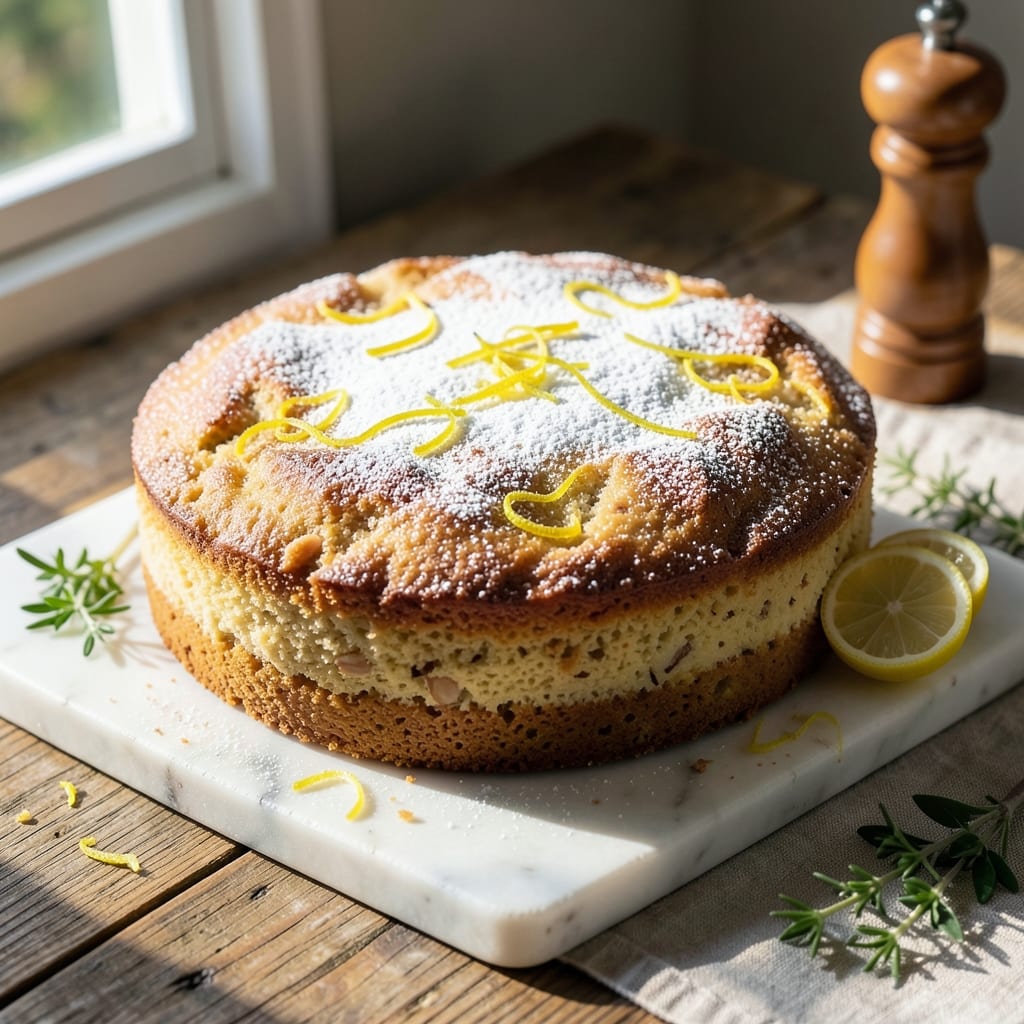
This almond flour lemon pound cake delivers the perfect balance of bright citrus and nutty richness, with a moist texture that defies gluten-free baking. The secret lies in the almond flour's natural oils, which create a tender crumb while the lemon zest infuses every bite with vibrant flavor. I've perfected this recipe over years of testing, ensuring it rises beautifully and stays moist for days.
The cake's magic comes from a simple yet effective technique: combining almond flour with a touch of cornstarch for structure, while the lemon juice and zest add that signature tang. A light glaze of powdered sugar and lemon juice elevates the presentation, but it's optional—this cake shines on its own. The result is a dessert that's elegant enough for special occasions but simple enough for a weeknight treat.
What sets this recipe apart is its versatility. It's naturally gluten-free, but you can easily adapt it for egg or dairy-free diets with simple substitutions. The cake's moist texture comes from careful mixing and baking techniques that prevent dryness, a common issue with almond flour recipes. Whether you're serving slices with tea or as a standalone dessert, this pound cake delivers restaurant-quality results at home.
Perfect for brunch gatherings, holiday desserts, or a mid-afternoon pick-me-up, this recipe is designed to impress without the fuss. The bright lemon flavor pairs beautifully with fresh berries or a dollop of whipped cream. Let's get baking!
Ingredients for almond flour lemon pound cake
Bright citrus meets nutty richness in this moist almond flour pound cake.
| Ingredient | Amount | Notes |
|---|---|---|
| Almond Flour 🌰 | 3 cups | Finely ground, unsweetened preferred |
| Granulated Sugar 🍚 | 1 ½ cups | Light brown or white sugar |
| Cornstarch 🌾 | ¼ cup | For tender crumb structure |
| Unsalted Butter 🧈 | 1 cup | Cold, cubed for best texture |
| Large Eggs 🥚 | 4 whole | Room temperature preferred |
| Fresh Lemon Zest 🍋 | 2 tbsp | From 2 large lemons |
| Fresh Lemon Juice 🍋 | ½ cup | About 4-5 lemons |
| Vanilla Extract 🌿 | 1 tsp | Pure vanilla preferred |
| Baking Powder 🧂 | 1 tsp | Aluminum-free preferred |
| Salt 🧂 | ½ tsp | Fine sea salt preferred |
| Powdered Sugar 🍚 | ½ cup | For glaze (optional) |
| Milk 🥛 | ¼ cup | For glaze (optional) |
The almond flour is the star here—Bob's Red Mill or King Arthur brands are my go-tos for consistent results. Avoid pre-ground flour from bulk bins, as it can be too coarse. The butter should be cold when creamed with sugar to create light air pockets. For the lemons, organic is ideal—the zest should be vibrant yellow, not bitter. I always buy extra lemons; half gets zest, half gets juiced. The cornstarch is non-negotiable for that tender crumb, especially in gluten-free baking.
No almond flour? Substitute with 2 cups all-purpose flour plus 0.5 cup ground almonds (blend whole almonds in a food processor). Out of vanilla? Almond extract works at half the amount—it complements the almond flour beautifully. For the glaze, powdered sugar from a canister dissolves smoother than boxed versions. The cake can be made without glaze, but the lemon-milk version adds a professional touch. If you're avoiding dairy, use coconut milk instead of regular milk in the glaze.
Store the cake in an airtight container at room temperature for up to 4 days. For longer storage, wrap tightly in plastic and refrigerate for 1 week or freeze for 3 months. The glaze hardens when chilled, so bring it to room temperature before serving. Slice with a serrated knife for clean cuts. This cake actually tastes better the next day as the flavors meld—perfect for making ahead for brunch or holiday gatherings.
Why You'll Love This Recipe
- No Mixer Needed: I swear by this recipe when my mixer’s out of commission—just fold the almond flour, sugar, and eggs with a spatula until just combined. The butter stays cool enough to cream by hand, and the cornstarch keeps the crumb tender without overworking it.
- Zesty, Buttery Magic: That bright lemon zest cuts through the richness of the almond flour like a sigh of fresh air. The butter keeps it moist, while the eggs bind it into a cake so light it practically melts in your mouth—no dry crumb in sight.
- Brunch or Dessert: Serve it warm with whipped cream for a lazy Sunday brunch, or slice it cold for a showstopping dessert at a potluck. The lemon’s tang pairs perfectly with berries or a dollop of clotted cream, and it’s the kind of cake that feels special without being fussy.
- Leftover Goldmine: This cake stays fresh for days—no soggy middle, no weird texture. I’ve had it for breakfast, lunch, and even as a midnight snack, and it’s just as good the third day as it was the first. (Yes, even when I forget to wrap it properly.)
Step-by-step instructions for almond flour lemon pound cake
Here's the precise method to create a tender, citrus-infused pound cake with perfect moisture and structure.
Cream Butter and Sugar for Maximum Tenderness
In a stand mixer fitted with the paddle attachment, beat the 1 cup unsalted butter (cold, cubed) and 1.5 cups granulated sugar on medium speed for 3-4 minutes. You're looking for a light, fluffy texture that nearly doubles in volume and becomes pale. This creaming process incorporates air, which creates a tender crumb rather than a dense one.
I like to scrape down the sides of the bowl every 30 seconds to ensure even mixing. The butter should look smooth and fluffy—like whipped cream—before moving to the next step. If it feels too soft at room temperature, chill the bowl in the freezer for 5 minutes to firm it up slightly.
Add Eggs and Lemon Infusion
Add the 4 whole large eggs, one at a time, mixing on low speed for 30 seconds after each addition until fully incorporated. Then add the 2 tablespoons fresh lemon zest, 0.5 cup fresh lemon juice, and 1 teaspoon vanilla extract, mixing on low speed for another 30 seconds until combined.
The lemon zest and juice will brighten the cake's flavor, but don't overmix here—just until everything is evenly distributed. The mixture should be pale yellow with visible citrus flecks. If you notice the batter thinning too much, reduce the speed to low to prevent splattering.
Combine Dry Ingredients for Structure
In a separate bowl, whisk together the 3 cups almond flour, 0.25 cup cornstarch, 1 teaspoon baking powder, and 0.5 teaspoon salt. Sift the mixture once to aerate it before adding to the wet ingredients. This ensures a fine, even crumb and prevents dense pockets in the cake.
With the mixer on low speed, gradually add the dry ingredients to the wet mixture. Mix just until combined—you should still see a few streaks of flour. Overmixing develops gluten in the almond flour, which can make the cake tough. Stop mixing as soon as the batter comes together smoothly.
Bake for Even Moisture and Golden Crust
Preheat your oven to 350°F and grease a 9x5-inch loaf pan generously with butter or line it with parchment paper. Pour the batter into the prepared pan and smooth the top with a spatula. Tap the pan gently on the counter 3-4 times to remove any air bubbles.
Bake for 50-55 minutes until a toothpick inserted in the center comes out clean and the top is golden brown. The cake should spring back slightly when pressed gently in the center. If the top browns too quickly, tent the pan with foil after 30 minutes to prevent over-browning while ensuring the center cooks through.
Glaze and Cool for Perfect Texture
While the cake is still warm, whisk together the 0.5 cup powdered sugar and 0.25 cup milk in a small bowl until smooth. Immediately pour the glaze over the warm cake and let it sit for 5 minutes to soak in. This step adds a delicate sweetness and keeps the cake moist.
Allow the cake to cool in the pan for 10 minutes, then transfer it to a wire rack to cool completely. The cake will firm up as it cools, but the glaze will remain sticky and glossy. Slice when fully cooled—this ensures clean cuts and prevents crumbling. Serve with a dusting of extra lemon zest for a bright, citrusy finish.
Pro Tips For Making Almond Flour Lemon Pound Cake
- STOP OVERMIXING THE BATTER: Almond flour is finicky—once you add the eggs, mix just until combined. I learned this after a cake that looked like it had been put through a blender. Overmixing makes it dense and gummy, and this cake needs to stay tender. Fold in the dry ingredients like you’re being gentle with a newborn.
- USE ROOM-TEMPERATURE EGGS: Cold eggs won’t blend smoothly with the butter, and you’ll end up with streaks of unmelted fat. Take them out of the fridge 30 minutes before starting—yes, even if you’re in a rush. Trust me, the crumb will be lighter and the texture more uniform.
- DON’T SKIP THE CORNSTARCH: This isn’t just filler—it’s what keeps the cake from turning into a dry brick. Almond flour absorbs moisture differently, and cornstarch acts as a gentle binder. If you’re tempted to omit it for fewer carbs, reconsider: your cake will crumble like a sad cookie.
- BAKE IN TWO STAGES: Start at 325°F for 20 minutes, then crank it to 350°F for the last 15-20. The lower temp helps the edges set without burning the top, while the finish at higher heat ensures the center is fully done. I used to bake it all at 350°F and ended up with a sad, uneven top every time.
Common mistakes when making this dish
Overmixing the Batter
Almond flour contains trace amounts of gluten, so overmixing develops tough strands that make your cake dense instead of tender. Stop mixing as soon as the batter comes together smoothly—you should still see a few streaks of flour. I've ruined cakes by mixing too long, so I set a timer for 30 seconds after adding the dry ingredients. Use a spatula to gently fold in the last bit of flour if needed. 🌰
Skipping the Cornstarch
Cornstarch is your secret weapon for a tender crumb in gluten-free baking. Without it, the cake can turn out gummy or crumbly. I've tested this recipe with and without cornstarch, and the difference is dramatic. The 0.25 cup creates just enough structure to hold moisture while keeping the texture light. Don't substitute with flour—it will make the cake dense.
Using Room-Temp Butter
Cold butter creates air pockets when creamed with sugar, which is essential for a light pound cake. If your butter is too soft, chill the mixing bowl for 5 minutes before starting. I learned this the hard way when my first attempt with room-temperature butter resulted in a dense, flat cake. The goal is a fluffy, pale mixture that nearly doubles in volume—this takes 3-4 minutes of mixing on medium speed.
Incorrect Oven Temperature
Baking at 350°F is critical for even cooking. Too low, and the center stays undercooked; too high, and the outside burns before the inside is done. I recommend using an oven thermometer to verify your oven's accuracy. If your cake browns too quickly, tent it with foil after 30 minutes to protect the crust while the center finishes baking. The toothpick test is your best friend—it should come out clean with no wet batter.
Underbaking or Overbaking
The cake should bake until a toothpick inserted in the center comes out clean, but it's okay if a few moist crumbs cling to it. Overbaking dries out the almond flour, making the cake tough. I pull mine at 50-55 minutes and let it rest in the pan for 10 minutes before transferring to a rack. This resting time helps the cake set properly while keeping it moist. The internal temperature should reach 205-210°F for perfect doneness.
Not Letting the Cake Cool
Slicing the cake too soon causes crumbling and uneven cuts. The glaze needs time to set and the internal structure to firm up. I wait until the cake is completely cool before slicing—this ensures clean cuts and prevents the layers from falling apart. If you're in a hurry, let it cool for at least 1 hour at room temperature. Patience here makes all the difference in presentation and texture. ✨
Nutrition facts
Frequently asked questions
Why does this almond flour cake need cornstarch?
Cornstarch acts as a tenderizer and stabilizer in gluten-free baking. The 0.25 cup creates just enough structure to hold moisture while preventing a gummy texture. Almond flour alone can make cakes crumbly, but the cornstarch creates that perfect balance for a moist, tender crumb. Think of it as the secret ingredient that makes this recipe work beautifully.
Can I make this cake without eggs?
Yes! For an egg-free version, replace the 4 eggs with 1 cup unsweetened applesauce or 0.5 cup aquafaba (chickpea brine) whipped to stiff peaks. The texture will be slightly denser but still moist. I've tested this substitution and found it works well, though the cake benefits from the eggs' structure for that classic pound cake rise.
How do I store leftovers to keep them moist?
Store the cake in an airtight container at room temperature for up to 4 days. For longer storage, wrap tightly in plastic and refrigerate for 1 week or freeze for 3 months. The glaze helps preserve moisture, but if the cake dries out, sprinkle with a little milk or lemon juice and rewarm briefly in the oven. The flavors actually improve overnight as the lemon essence infuses deeper.
What's the best way to serve this lemon pound cake?
Serve warm slices with a dollop of whipped cream or fresh berries for contrast. For a fancy touch, dust with extra lemon zest or drizzle with a simple syrup made from 0.25 cup sugar and 0.25 cup water heated until dissolved. It pairs beautifully with afternoon tea or as a dessert after roasted chicken. The bright citrus flavor makes it especially refreshing in summer.
Can I use almond meal instead of almond flour?
Not recommended—almond meal is coarser and will make your cake dense with a gritty texture. If you must use it, pulse whole almonds in a food processor until you achieve a fine flour consistency (no visible chunks). The recipe relies on the fine texture of almond flour for that tender crumb. I've tried almond meal substitutions and found they compromise the cake's moisture and structure.