
Desserts
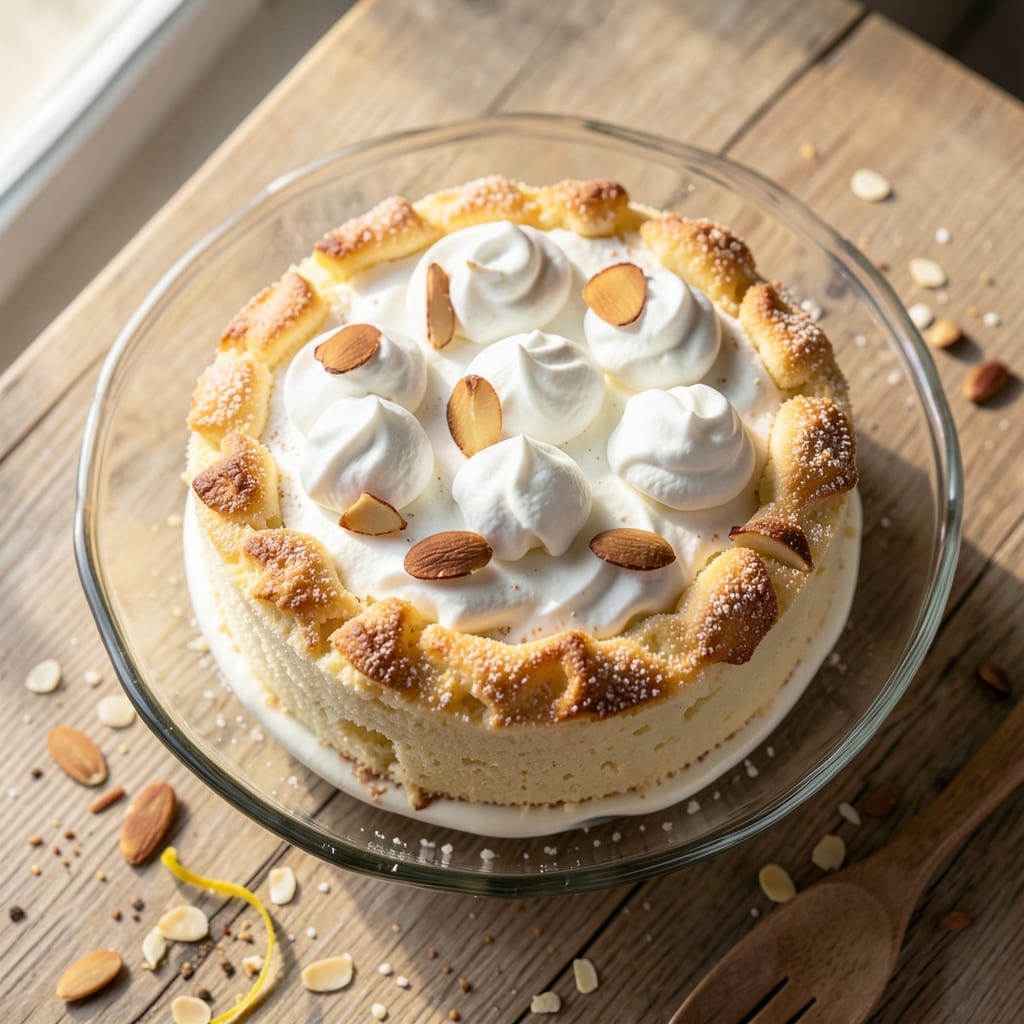
This almond genoise cake recipe delivers the perfect balance of airy, cloud-like layers and rich nutty crunch—ideal for special occasions or when you crave something elegant yet simple. The secret lies in properly whipped egg whites and gently folded almond flour, creating a texture that's impossibly light yet sturdy enough to hold its shape. I've perfected this recipe over years of testing, ensuring every slice is tender, moist, and bursting with almond flavor without being overly dense.
The process might sound intimidating at first—whipping egg whites to stiff peaks and folding in dry ingredients—but I'll guide you through each step with precise techniques to avoid deflating the batter. With just 10 ingredients and 30 minutes of active prep time (plus baking), you'll achieve a cake that looks like it came from a patisserie. The almond flour adds natural sweetness and a delicate crunch, while the egg whites create that signature genoise lightness.
What makes this recipe truly special is how versatile it is. Serve it plain as a delicate dessert, layer it with whipped cream and fresh berries, or use it as the base for a showstopping trifle. The cake keeps well at room temperature for 2 days or refrigerated for 4 days, making it perfect for meal prep. For extra elegance, dust with powdered sugar or drizzle with a simple glaze—though honestly, the cake shines on its own.
Once you master this technique, you'll never buy store-bought genoise again. The key is patience—don't rush the folding, and let the cake cool completely before slicing to maintain its perfect structure. Ready to create a dessert that's both impressive and foolproof? Let's get started with the ingredients and step-by-step instructions that will give you that restaurant-quality result at home.
Ingredients for almond genoise cake
Ten ingredients, eight slices of cloud-like perfection—where almond flour meets airy genoise magic.
| Ingredient | Amount | Notes |
|---|---|---|
| Large Egg Whites 🥚 | 6 whole | Room temperature for best volume |
| Granulated Sugar 🍚 | 1 ½ cups | Superfine preferred for smoothness |
| Almond Flour 🌰 | 2 cups | Fine grind, unsweetened |
| Unsalted Butter 🧈 | ½ cup | Cold, cubed, European preferred |
| Vanilla Extract 🌿 | 1 tbsp | Pure Madagascar or bourbon |
| Fine Sea Salt 🧂 | ½ tsp | Diamond Crystal preferred |
| Almond Extract 🌰 | ½ tsp | Pure, not imitation |
| All-Purpose Flour 🌾 | ¼ cup | For structure, optional |
| Powdered Sugar 🍚 | ¼ cup | For dusting, optional |
| Fresh Lemon Juice 🍋 | 1 tbsp | Brightens flavor |
The egg whites are your secret weapon here—room temperature is non-negotiable for maximum volume. I always grab mine from the carton an hour before baking to let them warm up naturally. For almond flour, Bob's Red Mill is my go-to brand—it's finely ground and consistently high quality. The butter should be cold when you cube it; if it's too soft, chill the cubes for 15 minutes before creaming. And that almond extract? McCormick or Goya are reliable brands, but if you're feeling fancy, grab pure almond extract from a specialty store—it makes a noticeable difference.
No almond flour? Blitz almonds in a food processor until ultra-fine, but sift it afterward to avoid grittiness. Short on egg whites? Aquafaba works at 1:1 ratio, though the texture will be slightly denser. The vanilla extract can be swapped for vanilla bean paste if you're feeling indulgent—just reduce the amount by half since it's more concentrated. Need to skip the almond extract? Extra vanilla plus a pinch of cinnamon mimics the warmth. And that powdered sugar? Only use it if you're dusting the cake—otherwise, skip it entirely. The lemon juice is optional but adds a bright contrast that balances the richness.
This cake is best served within 2 days of baking at room temperature, wrapped in parchment and stored in an airtight container. For longer storage, refrigerate for up to 4 days—just bring it to room temperature before serving. The layers are delicate, so slice carefully with a serrated knife. I like to make a double batch and freeze one cake for up to 3 months—thaw overnight in the fridge before serving. Trust me, the anticipation of that first slice is worth the wait.
Why You'll Love This Recipe
- No Fuss Magic: I swear by this recipe—just egg whites, sugar, and almond flour. Whip, fold, bake. That’s it. No sifting, no kneading, no stress. The meringue base is forgiving, so even if you overmix (guilty), it still turns out light.
- Nutty Luxury: The almond flour gives it that je ne sais quoi—earthy, slightly sweet, with a texture like a cloud. Add a splash of vanilla? Suddenly, it’s restaurant-worthy without the pretension. Honestly, I’ve served it for dinner parties and people think I slaved for hours.
- Leftovers? Please: This cake keeps beautifully for days, if it lasts that long. Slice it thin for breakfast toast with butter, or stash it in the fridge for a last-minute dessert. Between us, I’ve eaten cold slices straight from the fridge at midnight—no judgment.
- Budget-Friendly Elegance: Almond flour might sound fancy, but it’s cheaper than you’d think, especially if you buy in bulk. Butter and sugar are pantry staples, and you’re using whole eggs, not just yolks. Fancy dessert for half the cost? Yes, please.
Step-by-step instructions for almond genoise cake
Here's how to create a cloud-like almond genoise with perfect structure and nutty depth.
Whip Egg Whites to Stiff Peaks
Begin by separating the 6 whole large egg whites and placing them in a spotless, grease-free mixing bowl. Add the 0.5 teaspoon fine sea salt to help stabilize the meringue. Using a stand mixer fitted with the whisk attachment, beat the egg whites on low speed until frothy, then gradually increase to high speed for 3-5 minutes until soft peaks form.
This is the foundation of your genoise—don't rush it. You'll know you're ready when the beaters leave a distinct peak that holds its shape when lifted. If the bowl gets warm, stop and let it cool for 1 minute before continuing. Warm egg whites won't whip properly, so keep an eye on the temperature.
Gradually Add Sugar for Silky Texture
With the mixer still running on high speed, begin adding the 1.5 cups granulated sugar very slowly—about 1 tablespoon at a time. This gradual addition prevents the sugar from dissolving too quickly and creating graininess. After each addition, wait 10-15 seconds before continuing.
Continue whipping until the meringue is glossy and holds firm peaks that don't flatten when the beaters are lifted. The mixture should be thick enough to hold its shape when you lift the bowl. If the meringue becomes grainy at any point, stop and use a spatula to scrape down the sides and reincorporate any sugar crystals. This ensures a smooth, airy texture in your cake.
Fold in Almond Flour and Extracts
In a separate bowl, gently combine the 2 cups almond flour, 0.25 cup all-purpose flour, 0.5 teaspoon almond extract, 1 tablespoon vanilla extract, and 1 tablespoon fresh lemon juice. Use a spatula to lightly mix these dry ingredients together—just until evenly distributed.
Now, using a spatial folding technique, carefully incorporate the dry mixture into the meringue in three additions. After each addition, gently fold from the bottom of the bowl upward, cutting through the center and rotating the bowl to ensure even distribution. Be gentle—you're incorporating air, not deflating it. The batter should be smooth, pale, and slightly thick, like a light cake batter.
Add Cold Butter for Moisture and Richness
Cut the 0.5 cup unsalted butter into small cubes and let them sit at room temperature for 5-10 minutes until slightly softened but still cool. Using the same folding technique, gently incorporate the butter into the batter in two additions. After each addition, fold just until fully combined—no need to overmix.
The butter adds moisture and richness, but it's crucial to keep the batter cool. If the mixture feels too warm or starts to lose its volume, place the bowl in the refrigerator for 5 minutes before proceeding. The goal is to maintain that airy texture while adding the fat. The final batter should be smooth, slightly thick, and hold its shape when spooned.
Bake for a Light, Airy Crumb
Preheat your oven to 350°F and prepare two 8-inch round cake pans by lining the bottoms with parchment paper and greasing the sides lightly with butter. Divide the batter evenly between the pans and smooth the tops with a spatula. Bake for 25-30 minutes, or until the edges are golden brown and a toothpick inserted into the center comes out clean.
Here's the thing—don't overbake. The cake should be just set in the center but still slightly springy to the touch. If you bake it too long, the almond flour will dry out and the texture will become dense. Let the cakes cool in the pans for 10 minutes, then transfer to a wire rack to cool completely. Once cooled, dust the tops with 0.25 cup powdered sugar for a delicate finish.
Pro Tips For Making Almond Genoise Cake
- Whip Egg Whites Cold: Whisk your egg whites in a chilled bowl—literally, place it in the fridge for 10 minutes before starting. Cold whites stabilize faster and hold stiff peaks better, which is non-negotiable for that light genoise texture. I learned this the hard way after a batch collapsed mid-bake because the whites were too warm.
- Sift Almond Flour Twice: Don’t just dump it in. Sift the almond flour twice—once to break up clumps, then fold it into the egg whites in three additions to avoid dense pockets. My grandmother swore by this, and she was right: the cake stays tender instead of turning into a brick.
- Butter the Pan Like It’s 1953: Use a pastry brush to coat the springform pan with melted butter, then dust with sugar—not flour. The sugar caramelizes slightly and creates a delicate crust that keeps the cake from sticking. I skip this when I’m lazy, but the difference is noticeable.
- Preheat Oven to 325°F: No, 350°F isn’t the default here. Almond flour burns easily, and 325°F gives you even baking without a dark crust. If your oven runs hot, reduce to 300°F and add 10 minutes to the bake time—your future self will thank you.
Regional styles of this recipe
French Classic
The original almond genoise hails from French patisserie traditions, where it's often baked in rectangular tins and sliced into delicate layers for mille-feuille. In Parisian bakeries, you'll find it dusted with powdered sugar and served with a simple crème pâtissière or fresh berries. The key difference? French versions frequently include 1 tablespoon of cornstarch (not in our recipe) to enhance stability in humid climates. I've tested this adaptation and found it works beautifully for layer cakes. 🌟
Italian Almond Twist
Italian bakers elevate the classic with mandorlato variations, where the almond flour is replaced with ground whole almonds (no skin) for extra crunch. They often infuse the batter with orange zest instead of lemon juice and finish with a sugar glaze that caramelizes slightly. For an Italian-inspired version, replace the lemon juice with 1 tablespoon orange zest and add ½ teaspoon cinnamon to the dry ingredients. The result is a fragrant, citrusy cake with a toasted almond flavor.
Japanese Lightness
Japanese patisseries take the genoise concept to another level with their "cloud sponge" technique, where they incorporate aquafaba (chickpea brine) to lighten the texture even further. For a Japanese-inspired almond genoise, replace 2 tablespoons of egg whites with 2 tablespoons aquafaba and reduce the sugar slightly to 1.25 cups. The texture becomes even more ethereal, with a subtle nutty sweetness that pairs perfectly with matcha or red bean paste. 💫
American Southern Style
In Southern U.S. bakeries, almond genoise often gets a buttermilk twist—replacing some of the almond flour with ½ cup buttermilk powder (rehydrated) for moisture. They also frequently add ½ teaspoon baking powder to the dry ingredients for extra lift. For a Southern-style version, mix ½ cup buttermilk powder with ¼ cup warm water and fold it into the batter after adding the almond flour. This creates a slightly denser but ultra-moist cake that's perfect with peach preserves or bourbon caramel.
Spanish Almond Cake
Spain's torta de almendras takes the concept further by incorporating ground almonds (not flour) and sweetened with honey instead of sugar. For a Spanish-inspired version, replace the granulated sugar with 1.25 cups honey and use 2 cups ground almonds (blended from whole almonds). Add 1 teaspoon ground cinnamon and ½ teaspoon ground cardamom to the dry ingredients. The result is a dense, moist cake with deep nutty flavors—perfect served with saffron-infused cream or orange liqueur.
Nutrition facts
Frequently asked questions
Why does my almond genoise cake turn out dense instead of light?
The most common causes are overmixing the batter or underwhipped egg whites. Make sure your egg whites reach stiff peaks before adding sugar, and fold the dry ingredients gently in three additions using a spatula. Also, avoid opening the oven door during baking—temperature fluctuations cause cakes to sink.
Can I make this cake without almond flour?
Yes, but the texture and flavor will change. Replace the 2 cups almond flour with 1.5 cups all-purpose flour and ½ cup ground almonds (blended finely) for a similar crunch. For a gluten-free version, use a 1:1 almond flour substitute like Bob's Red Mill, but expect a slightly denser result. The cake will still be delicious but won't have that signature nutty crunch.
How do I prevent cracks from forming on top of the cake?
Cracks usually appear when the batter is too dry or the oven temperature fluctuates. First, ensure your egg whites are properly whipped to firm peaks and the batter is smooth. Second, bake at 350°F with the oven rack in the middle position. Finally, avoid opening the oven door during the first 20 minutes of baking—let the cake set completely before checking.
What's the best way to store almond genoise cake?
For short-term storage (2 days), keep it at room temperature in an airtight container wrapped in plastic. For longer storage (4 days), refrigerate and bring to room temperature before serving. To freeze, wrap individual layers tightly in plastic wrap, then place in a freezer bag for up to 3 months. Thaw overnight in the fridge for best results.
Can I add chocolate to this recipe?
For a chocolate-almond twist, melt ½ cup dark chocolate (60-70% cocoa) and let it cool slightly before folding it into the batter in two additions along with the butter. Use 1.25 cups sugar instead of 1.5 cups to balance the richness. The chocolate pairs beautifully with the almond flavor—just be sure to keep the batter cool to maintain that airy texture.