
Main Courses
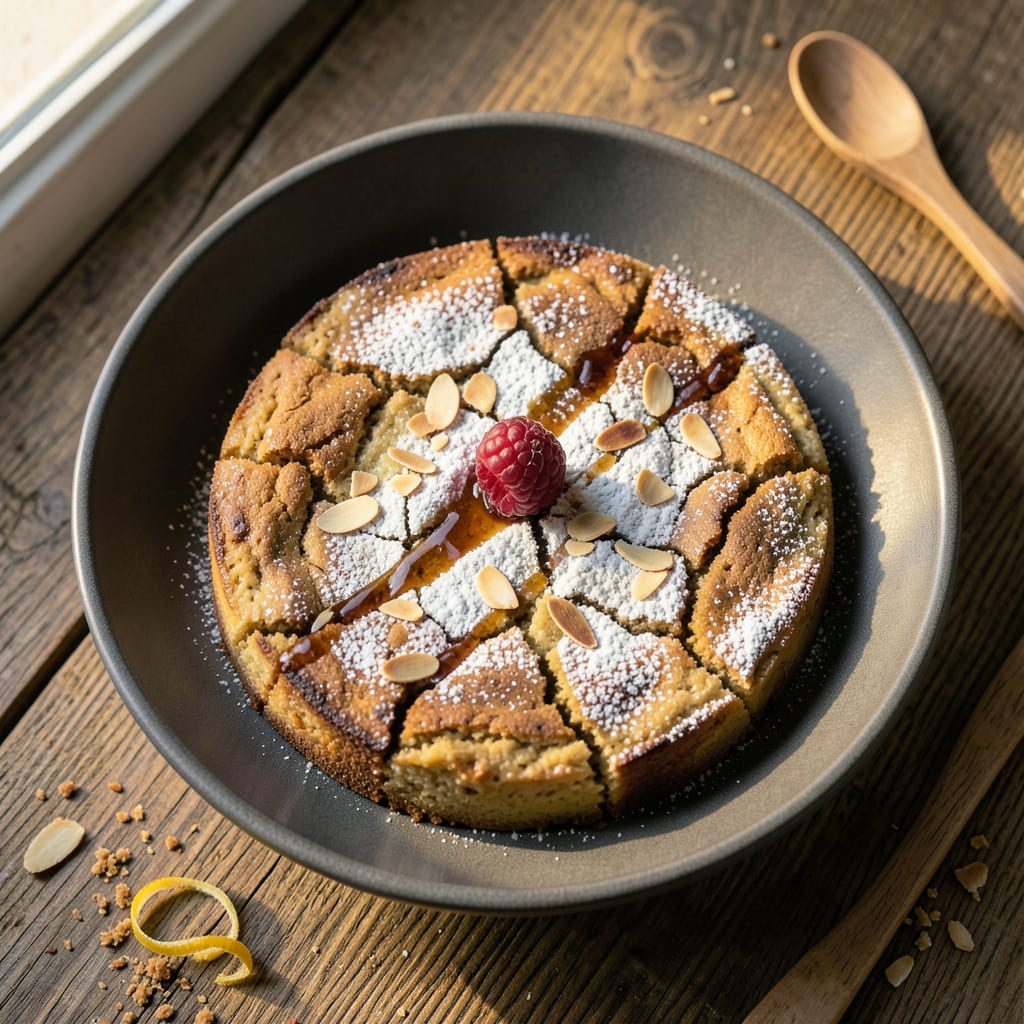
This almond polenta cake recipe delivers the perfect marriage of nutty crunch and silky moisture that keeps slices tender for days. The secret lies in the polenta's ability to absorb moisture while almond flour adds rich texture and depth—no dense, dry crumbs here. After years of baking experiments, I perfected this version that stays moist even when sliced the next day.
The beauty of this recipe is its versatility—it works beautifully as a breakfast cake with fresh berries or as an elegant dessert with a dusting of powdered sugar. The almond flavor shines without overpowering, making it a crowd-pleaser for both almond lovers and newcomers. What makes it special is the foolproof technique that ensures perfect texture every time, with no guesswork about doneness.
What you'll achieve is a cake with a delicate golden crust and a tender, slightly crumbly interior that melts in your mouth. The almonds add satisfying crunch while keeping the texture surprisingly light. This isn't your typical dense almond cake—it's airy, flavorful, and surprisingly easy to make with simple pantry ingredients.
The best part? This recipe scales perfectly for gatherings or meal prep—bake once and enjoy for days. Whether you're serving it warm with whipped cream or at room temperature with fresh fruit, the flavor and texture remain consistently delicious. Let's get baking!
Ingredients for almond polenta cake
Eight simple ingredients transform into a cake that's moist, nutty, and perfect for breakfast or dessert.
| Ingredient | Amount | Notes |
|---|---|---|
| Almond Flour 🌰 | 2 cups | Superfine for best texture |
| Polenta (Cornmeal) 🌽 | ¾ cup | Fine grind preferred |
| Granulated Sugar 🍚 | 1 cup | White or light brown |
| Light Brown Sugar 🍚 | ½ cup | Packed lightly |
| Unsalted Butter 🧈 | 1 cup | Cold, cubed for baking |
| Large Eggs 🥚 | 2 whole | Room temperature |
| Vanilla Extract 🌿 | 1 tbsp | Pure, not imitation |
| Almond Extract 🌰 | ½ tbsp | High-quality for flavor |
| Baking Powder 🧂 | 1 ½ tsp | Aluminum-free preferred |
| Salt 🧂 | ½ tsp | Fine sea salt |
| Whole Milk 🥛 | ¾ cup | Room temperature |
| Powdered Sugar 🍚 | ½ cup | For dusting, optional |
| Sliced Almonds 🌰 | ½ cup | Toasted for garnish |
The almond flour is where the magic happens—Bob's Red Mill or Anthony's Goods are my go-tos for super-fine texture. If you've got whole almonds, grind them yourself for extra flavor, but store-bought is totally fine. The polenta gives that unique crumbly texture without dryness, and it's probably already in your pantry. For the sugars, light brown adds moisture while white keeps it tender. Don't skip the cold butter cubes—they create pockets of steam for that perfect rise. If you're almond-sensitive, swap the extract for an extra teaspoon of vanilla, but you'll miss that nutty depth!
No almond flour? Blend whole almonds into a fine powder—just pulse in a food processor. Short on polenta? Cornmeal works one-to-one, but the texture will be slightly denser. The baking powder must be fresh—if it's over a year old, toss it. For extra richness, add 1/4 cup sour cream to the batter, but don't overmix once it's in there. The toasted almonds on top? Toast them in a dry pan for 2-3 minutes—they'll add crunch and aroma that store-bought can't match. And if you're feeling fancy, mix a pinch of cinnamon into the powdered sugar for dusting!
This cake stays moist for 3-4 days wrapped in foil at room temperature, or 5 days in the fridge. For longer storage, slice and freeze portions—3 months is no problem. I always bake two pans at once and freeze one for lazy mornings. The secret to serving? Let it cool completely before slicing—10 minutes in the pan, then transfer to a wire rack. That way, the crumb stays intact instead of turning gummy. And trust me, the first slice out of the fridge is pure heaven—warm it up for 10 seconds in the microwave if you're impatient!
Why You'll Love This Recipe
- No Mixer Needed: I swear by this—just whisk the almond flour and polenta together by hand. The butter and sugars blend into a thick, crumbly dough that’s almost like playing with cookie dough, not baking. Honestly, my stand mixer sits unused for this one.
- Nutty-Sweet Magic: That combo of almond flour and polenta? It’s like a warm hug for your taste buds. The brown sugar caramelizes just enough to give it a subtle depth, while the almonds add a buttery richness that makes every slice feel special. (Yes, even on a Tuesday night.)
- Crowd-Pleasing Neutral Base: Here’s what sold me—this cake is the blank canvas of desserts. Top it with lemon glaze, dust it with powdered sugar, or serve it with berry compote. My in-laws think it’s a fancier flourless chocolate cake, and my kids devour it plain. It works for everyone.
- Budget-Friendly Luxury: Between us, almond flour can be pricey—but polenta stretches it like a champ. A single batch feeds six, and leftovers? They keep for days in the fridge (or freeze beautifully). I’ve made this for holidays, potlucks, and lazy Sundays—no guilt, all satisfaction.
Step-by-step instructions for almond polenta cake
Here's how to create a tender, nutty cake with perfect texture and flavor every time.
Mix Dry Ingredients for Perfect Texture
In a large mixing bowl, whisk together the 2 cups almond flour and 0.75 cup polenta (cornmeal) until completely combined. This step ensures even distribution of the cornmeal throughout the batter, which gives the cake its signature crumbly yet moist texture. I like to use a whisk for this part—it prevents clumping better than a spoon.
Next, add the 1 cup granulated sugar, 0.5 cup light brown sugar, 1.5 teaspoons baking powder, and 0.5 teaspoon salt to the bowl. Mix again until everything is thoroughly incorporated. The sugar will help create that beautiful caramelized crust on top, while the baking powder ensures a light, airy crumb. Don't skip this step—uneven mixing can lead to dense spots in your cake.
Cream Butter and Add Wet Ingredients
In a separate large bowl, beat the 1 cup cold unsalted butter with an electric mixer on medium speed until light and fluffy—about 2-3 minutes. This step is crucial for creating a tender crumb. You'll know it's ready when the butter looks pale and has nearly doubled in volume.
Add the 2 whole large eggs, one at a time, mixing well after each addition. Then stir in the 1 tablespoon vanilla extract and 0.5 tablespoon almond extract. The almond extract adds depth of flavor that complements the almond flour beautifully. Mix until just combined—overmixing can make the cake tough. Finally, pour in the 0.75 cup whole milk and mix until smooth.
Combine Wet and Dry Ingredients
Gradually add the dry ingredient mixture to the wet ingredients, mixing on low speed just until combined. Be careful not to overmix—stop as soon as you see no more flour streaks. The batter should be thick but pourable. If it's too thick, you can add 1-2 tablespoons more milk to help it flow more easily into the pan.
Fold in the 0.5 cup sliced almonds using a spatula. I like to distribute them evenly throughout the batter so every bite has that delightful crunch. The almonds will add texture contrast and enhance the nutty flavor profile of the cake.
Bake to Golden Perfection
Preheat your oven to 350°F and grease an 8-inch round cake pan or line it with parchment paper. Pour the batter into the prepared pan and smooth the top with a spatula. Bake for 35-40 minutes, or until a toothpick inserted in the center comes out clean and the top is golden brown.
Here's a pro tip: I like to tent the cake loosely with aluminum foil after the first 20 minutes of baking if my oven runs hot. This prevents the top from browning too quickly while still allowing the cake to cook through evenly. The cake should spring back slightly when pressed in the center—this is your sign it's done.
Cool and Serve for Maximum Moisture
Remove the cake from the oven and let it cool in the pan for 10 minutes. Then transfer it to a wire rack to cool completely. This gradual cooling process helps the cake set properly and prevents it from becoming gummy.
Once completely cooled, dust the top with 0.5 cup powdered sugar for a beautiful finish. I like to serve this cake at room temperature—it allows all the flavors to meld together perfectly. The texture should be moist yet crumbly, with that perfect balance of sweetness and nutty richness from the almond flour and polenta combination.
Pro Tips For Making Almond Polenta Cake
- Whisk Butter Cold: Take the unsalted butter straight from the fridge—yes, even if it’s stubbornly firm—and cut it into tiny cubes before mixing. I used to melt it first, thinking it’d blend better, but this way you get those proper pockets of butter that make the cake tender without turning it greasy. (And no, don’t skip the cubes—just pulse them in a food processor for 10 seconds.)
- Toast the Polenta: Dry-toast the polenta (cornmeal) in a skillet over medium heat for 3-4 minutes until it smells nutty and golden. This step cuts through the raw corn flavor and adds depth—something you’ll notice if you skip it. (Pro move: Do this while the butter’s still cold, so you’re not juggling hot pans later.)
- Don’t Overmix: The moment the almond flour and wet ingredients come together, stop stirring. I’ve seen people beat this batter like they’re folding in eggs for a soufflé, but this cake’s magic comes from its rustic texture. A few lumps? That’s the point—it’ll still hold together, just with better crumb.
- Bake Until Golden: Pull the cake when the edges are set but the center still jiggles slightly—it’ll firm up as it cools. My early batches came out dry because I overbaked, waiting for the toothpick test. This cake’s dense; trust the visual cue over the stick. (And for the love of butter, don’t brush the top with syrup—it’s not a pound cake.)
Regional styles of this almond polenta cake
Italian Rustic Twist
In Tuscany, this cake transforms into a panforte-inspired dessert by adding 1/2 cup chopped dried figs and 1/4 cup orange zest to the batter. The figs caramelize beautifully during baking, creating pockets of jammy sweetness. Serve with a dusting of powdered sugar and a sprinkle of candied citrus peel for an authentic touch. 🌰
For an extra rustic touch, bake in a cast iron skillet instead of a cake pan. The uneven heat creates a crispy crust at the edges while keeping the center moist. Italians often serve this with espresso or a glass of dry Vin Santo—the bitterness cuts through the rich almond flavor perfectly.
Southern U.S. Breakfast Cake
Down South, this cake becomes a savory-sweet breakfast staple by reducing the sugar to 3/4 cup total and adding 1 tsp cinnamon and 1/2 tsp nutmeg. Top with a maple glaze (mix 1/2 cup maple syrup with 1 tbsp cornstarch) and serve with whipped cream or sautéed apples. The polenta adds a subtle cornbread texture that pairs beautifully with Southern-style coffee.
For a Southern-style variation, fold in 1/2 cup buttermilk instead of milk and add 1/4 cup chopped pecans for extra crunch. Bake in a 9-inch bundt pan for a festive presentation. This version is especially popular at brunch gatherings—the nutty depth balances the sweetness perfectly.
Nordic Almond Cake
In Sweden, this cake evolves into a cardamom-spiced almond loaf by adding 1 tbsp ground cardamom and replacing almond extract with 1 tsp lemon zest. The cardamom adds a warm, aromatic depth that complements the almonds beautifully. Serve with lingonberry jam or a dill cream sauce for a Nordic touch. 🌟
For a Scandinavian twist, bake in a loaf pan and slice into thick wedges. The polenta gives it a slightly dense yet moist crumb that holds up well to cold cuts or smoked salmon for a savory breakfast. Swedes often enjoy this with flatbread and herbal tea—the combination is surprisingly balanced.
Mediterranean Lemon-Almond
Greek and Turkish bakers infuse this cake with lemon and orange blossom water for a bright, citrusy twist. Replace the almond extract with 1 tbsp lemon zest and add 1 tsp orange blossom water (available at specialty stores). The citrus cuts through the richness of the almonds, making it a refreshing dessert or afternoon treat.
For a Mediterranean finish, top with a honey-lemon syrup (simmer 1/2 cup honey with 2 tbsp lemon juice and 1 tsp grated lemon zest) and garnish with toasted pine nuts. Serve with Greek yogurt or whipped mascarpone—the tangy contrast is pure bliss. This version is especially popular in spring and summer when fresh citrus is abundant.
Nutrition facts
Frequently asked questions
Can I make this almond polenta cake gluten-free?
Yes! This recipe is naturally gluten-free since it uses almond flour and polenta (cornmeal). Just ensure your almond flour is certified gluten-free and check that your baking powder is labeled gluten-free too. The texture will remain perfectly moist and crumbly without any gluten-containing ingredients.
Why does my almond polenta cake turn out dry?
Overbaking is the most common cause. Remove the cake when a toothpick comes out clean (around 35-40 minutes at 350°F). For extra moisture, try adding 1-2 tablespoons sour cream or 1/4 cup extra milk to the batter. Always let the cake cool completely before slicing—this helps retain moisture.
Can I substitute almond flour with other nut flours?
You can try hazelnut or cashew flour, but the flavor and texture will differ. Almond flour provides the perfect balance of richness and crumbly texture. If substituting, use a 1:1 ratio but expect a slightly denser cake. For best results, stick with almond flour for that signature nutty depth.
How can I make this cake egg-free?
Replace the 2 eggs with 2 tablespoons ground flaxseed mixed with 6 tablespoons water (let it sit for 5 minutes to thicken). For extra moisture, add 1/4 cup applesauce to the batter. The cake may be slightly denser but will still be delicious. Let it bake 5-10 minutes longer to ensure doneness.
What’s the best way to store leftover almond polenta cake?
Wrap tightly in plastic wrap or aluminum foil and store at room temperature for 3-4 days. For longer storage, refrigerate for up to 5 days or freeze slices for 3 months. To revive, warm in the oven at 300°F for 5-10 minutes or microwave for 10 seconds. The texture stays moist even after freezing!