
Desserts
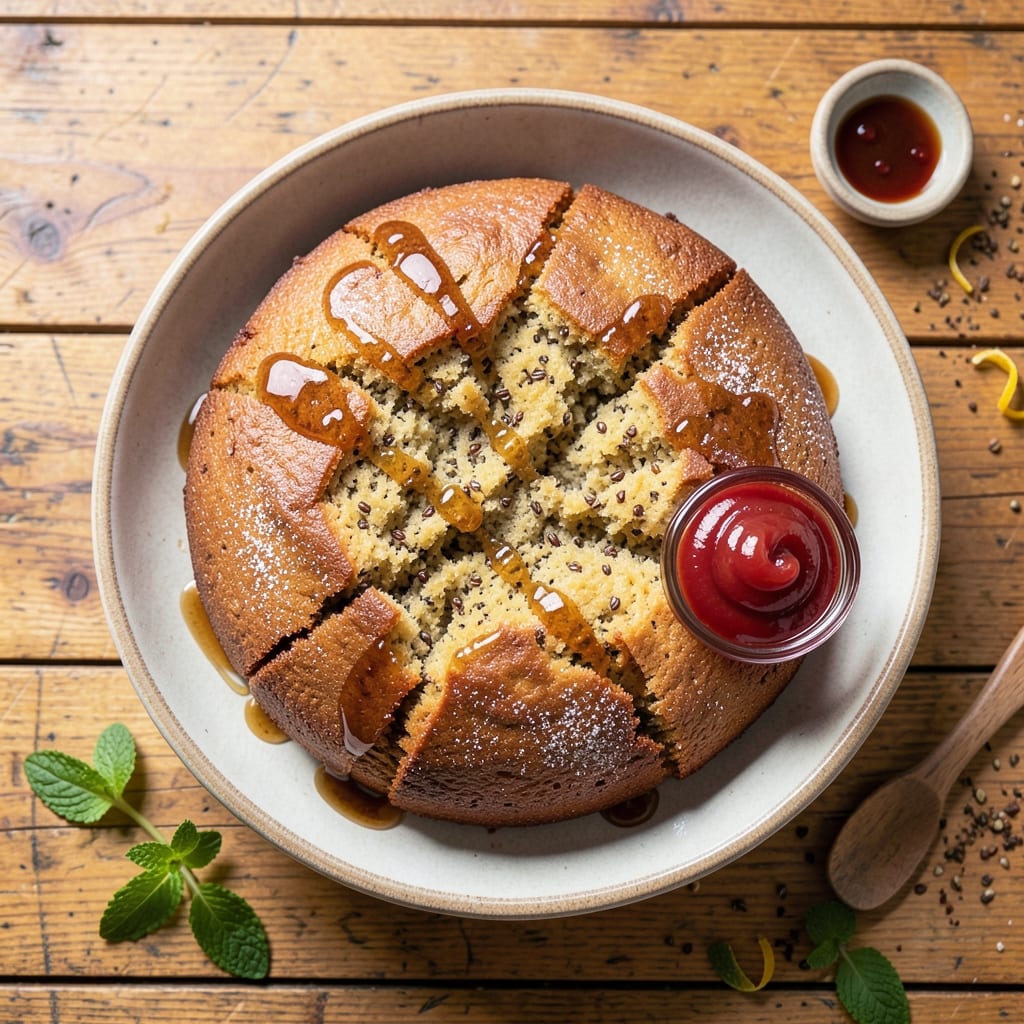
This gluten-free amaranth cake delivers a surprisingly rich, nutty depth that rivals traditional wheat-based desserts—without the gluten. The secret lies in amaranth flour's unique protein structure, which creates a moist, tender crumb with subtle earthy notes. I developed this recipe after years of experimenting with ancient grains, and it's finally the perfect balance of flavor and texture.
What makes this cake special is how it combines gluten-free baking with restaurant-quality results. The amaranth flour absorbs moisture beautifully, creating a cake that stays moist for days without drying out. I've included simple techniques to prevent common gluten-free pitfalls like crumbliness or excessive dryness, ensuring your cake turns out perfectly every time.
By the time it emerges from the oven, you'll have a golden, fragrant cake with a tender crumb and a subtle nutty flavor that pairs beautifully with vanilla or citrus glaze. The texture is remarkably light for a gluten-free cake, almost like a cross between pound cake and a moist sponge. This is the kind of dessert that proves gluten-free doesn't mean sacrificing indulgence.
Perfect for special occasions or everyday treats, this cake keeps well for up to 5 days when stored properly. The recipe includes optional garnishes like toasted coconut or fresh berries to elevate the presentation. Let's get baking!
Ingredients for amaranth cake
Eight simple ingredients transform into a gluten-free cake with restaurant-quality texture and nutty depth.
| Ingredient | Amount | Notes |
|---|---|---|
| Amaranth Flour 🌾 | 1 ½ cups | High-protein, finely milled |
| Almond Milk 🥛 | 1 cup | Unsweetened, room temperature |
| Coconut Oil 🥥 | ½ cup | Melted, refined or virgin |
| Maple Syrup 🍁 | ¾ cup | Grade B for richer flavor |
| Applesauce 🍎 | ½ cup | Unsweetened, smooth texture |
| Vanilla Extract 🌿 | 1 tbsp | Pure, high-quality vanilla |
| Baking Powder 🧂 | 1 ½ tsp | Aluminum-free preferred |
| Salt 🧂 | ½ tsp | Fine sea salt |
| Orange Zest 🍊 | 1 tbsp | Freshly grated |
| Flaxseeds 🌱 | 2 tbsp | Ground, for egg substitute |
| Water 💧 | ¼ cup | Room temperature |
| Toasted Coconut 🥥 | ¼ cup | For garnish, optional |
| Fresh Blueberries 🫐 | ½ cup | For garnish, optional |
The amaranth flour is the star here—Bob's Red Mill or Anthony's Goods are reliable sources for high-quality, finely milled flour. If you can't find amaranth flour locally, Bob's Red Mill online ships quickly and their packaging keeps it fresh longer. The flour has a distinct earthy aroma, so if yours smells stale, toast it lightly in a dry pan before using. For the coconut oil, refined gives a neutral flavor while virgin adds subtle coconut notes—both work, but refined blends better with the cake's delicate flavors. The orange zest should be freshly grated to avoid bitterness, and I always double the recipe just to have leftovers for toast or smoothies.
No amaranth flour? Buckwheat flour or sorghum flour can substitute at the same ratio, though texture will differ slightly. Swap maple syrup for agave nectar or date syrup if preferred, but maple's caramel notes complement the amaranth beautifully. For the flax egg, chia seeds work too—just mix 1 tbsp chia seeds with 3 tbsp water per egg. If you're avoiding nuts, sunflower seed milk replaces almond milk perfectly. The baking powder is crucial—aluminum-free prevents any metallic aftertaste, and if you're unsure, check the label. For garnish, toasted coconut or fresh berries elevate the presentation without overpowering the cake's natural flavors.
This cake stays moist for 5 days when wrapped tightly in plastic and stored at room temperature, or up to 1 week in the fridge. For longer storage, slice and freeze portions for up to 3 months—they reheat beautifully in the microwave. I like to brush warm slices with a little extra maple syrup for serving. The texture improves overnight as the amaranth absorbs more moisture, so if you can, bake it a day ahead. Leftovers make fantastic cake pops or truffles—just roll in melted dark chocolate and chill for 30 minutes.
Why You'll Love This Recipe
- No Mixer Needed: I swear by this recipe when my blender’s acting up—just whisk the amaranth flour with almond milk until smooth, no fancy equipment required. The coconut oil keeps it moist without separating, so even if you’re mixing by hand, it comes out tender every time.
- Maple-Apple Magic: That combo of maple syrup and applesauce? It’s like a cozy hug for your taste buds—naturally sweet but not cloying, with just enough depth to make it feel special. Honestly, I’ve tried other flourless cakes, but this one actually tastes like dessert, not a health food compromise.
- Breakfast or Snack: I keep slices wrapped in the fridge for when I need a quick energy boost—perfect for post-workout or a midday pick-me-up. (Yes, even on a Tuesday night when I’m too tired to think.) The crumb is sturdy enough to slice neatly, so it holds up whether you’re eating it warm or cold.
- Pantry Staple Power: Between us, amaranth flour and almond milk are already in my cupboard, so this recipe costs me pennies per serving. The coconut oil adds richness without breaking the bank, and the applesauce stretches the batter just enough for seconds—or thirds. Budget-friendly doesn’t mean boring, though.
Step-by-step instructions for gluten-free amaranth cake
Here's how to craft a moist, nutty amaranth cake that's naturally gluten-free and packed with flavor.
Prepare the Flax Egg Substitute
In a small bowl, combine the 2 tablespoons ground flaxseeds with the ¼ cup water. Stir vigorously and let it sit for 5 minutes until it thickens into a gel-like consistency—this is your egg substitute. The flax mixture should resemble raw egg whites in texture, forming a smooth, slightly sticky paste.
This step is crucial for binding the cake. If you're short on time, you can microwave the mixture for 20 seconds to speed up the thickening process, but don't overdo it or it may become too stiff. Keep this mixture ready as you'll use it in the next step.
Mix Wet Ingredients for a Silky Batter
In a large mixing bowl, whisk together the 1 cup almond milk, ½ cup melted coconut oil, ¾ cup maple syrup, and ½ cup applesauce until fully combined. The mixture should be smooth and homogeneous, with no visible streaks of coconut oil.
Next, add the 1 tablespoon vanilla extract, 1 tablespoon orange zest, and the flax egg mixture. Stir gently to incorporate all ingredients. Here's the thing—don't overmix at this stage. You want to maintain just enough air to create a light texture without developing gluten-like proteins that would make the cake dense.
Combine Dry Ingredients and Fold Gently
In a separate bowl, sift together the 1½ cups amaranth flour, 1½ teaspoons baking powder, and ½ teaspoon salt. Sifting prevents lumps and ensures even distribution of leavening agents throughout the batter.
Gradually add the dry ingredients to the wet mixture, folding gently with a spatula until just combined. You should see small streaks of flour remaining—this indicates you haven't overmixed. The batter should be thick but pourable. Here's where the amaranth flour's nutty flavor really starts to shine, so don't be tempted to add extra liquid.
Bake to Golden Perfection
Preheat your oven to 350°F and grease an 8-inch round cake pan or line it with parchment paper. Pour the batter into the prepared pan and smooth the top with a spatula. Bake for 35-40 minutes until a toothpick inserted in the center comes out clean and the edges are golden brown.
The amaranth cake has a tendency to brown quickly due to its natural properties, so keep an eye on it after 30 minutes. If the top starts to darken too soon, loosely tent it with aluminum foil. The cake should have a slightly domed top with a moist, tender crumb that's just firm enough to hold its shape.
Cool and Garnish Beautifully
Remove the cake from the oven and let it cool in the pan for 10 minutes, then transfer it to a wire rack to cool completely. This resting period is important—it allows the cake to set properly and prevents it from becoming gummy.
Once cooled, you can garnish with the ½ cup fresh blueberries and ¼ cup toasted coconut for added texture and visual appeal. The contrast of the tart blueberries against the nutty cake and the crunch of toasted coconut makes this dessert truly special. Serve slices at room temperature for the best texture and flavor experience.
Pro Tips For Making Amaranth Cake
- MIX THE DRY FIRST: Amaranth flour is a finicky beast—it loves to clump like a stubborn toddler refusing to share. Whisk it with your salt and baking powder before adding liquids, or you’ll end up with a lumpy batter that fights you every step of the way. Trust me, your mixer will thank you later.
- MELT THE OIL LOW: Coconut oil solidifies faster than you can blink, and cold oil in your batter means a cake that’s dense enough to double as a doorstop. Warm it gently in the microwave (20-second bursts) until just liquid—no hotter, or your applesauce will turn to glue.
- DON’T OVERMIX THE WETS: Once you add the almond milk and maple syrup, stir just until combined. Amaranth batter has a mind of its own, and overmixing turns it gummy. Think "marble swirl" in your bowl, not "pancake batter." Stop when there’s one small streak of flour left—your cake will thank you with a lighter crumb.
- BAKE UNTIL SPRINGY: This isn’t your grandma’s vanilla cake—amaranth needs that internal bounce test. Press the center gently; if it springs back like a trampoline, you’re golden. If it’s still jiggly at 350°F after 30 minutes, crank the heat to 375°F for the last 10 minutes. No sad, gummy middles here.
Creative variations of this amaranth cake
Citrus-Inspired Twist
Brighten up your amaranth cake with a lemon-lavender glaze—whisk together ½ cup powdered sugar, 2 tablespoons lemon juice, and 1 teaspoon dried culinary lavender infused in 1 tablespoon warm water. Drizzle over cooled slices for a fragrant, floral finish. The lavender's subtle floral notes complement the amaranth's earthiness, while the lemon adds a zesty contrast. 🍋
Chocolate-Dipped Layers
For a decadent twist, bake the cake in a 9-inch springform pan instead of round, then slice horizontally into three layers. Spread each layer with ¼ cup melted dark chocolate (I love 70% cacao Ghirardelli) and 2 tablespoons almond butter. Dust with cocoa powder between layers for a sophisticated look. This adds richness while keeping the cake gluten-free and vegan. 🍫
Spiced Pumpkin Variation
Swap ½ cup of the amaranth flour for ½ cup pumpkin puree and add 1 teaspoon pumpkin pie spice (cinnamon, nutmeg, ginger, cloves). Roast ½ cup diced butternut squash with 1 tablespoon maple syrup and ½ teaspoon smoked paprika for 20 minutes at 400°F, then blend into the batter. Top with candied pecans for a fall-inspired dessert with warm, cozy flavors. 🎃
Coconut-Almond Crust
Press a crust into your pan by mixing ½ cup almond flour, 2 tablespoons shredded coconut, 2 tablespoons maple syrup, and 1 tablespoon melted coconut oil. Press firmly into the bottom of an 8-inch round pan, then pour the batter on top. Bake as directed. The crust adds a delightful crunch that contrasts beautifully with the cake's tender interior. 🥥
Berry Swirl Version
Fold ½ cup mashed raspberries (or any berry) into the batter after combining wet and dry ingredients. For extra drama, layer whole blueberries between batter poured in a 9-inch pan, then swirl with a knife before baking. The berries release juices during baking, creating pockets of fruity surprise in every bite. 🫐
Caramelized Onion Topping
Caramelize 1 cup thinly sliced red onions in 2 tablespoons coconut oil over medium-low heat for 25 minutes until golden. Spread over the batter before baking, then sprinkle with 1 tablespoon chopped walnuts. The onions add a sweet, jammy depth that pairs perfectly with the cake's nutty undertones. 🧅
Nutrition facts
Frequently asked questions about amaranth cake
Why does my amaranth cake turn out dense instead of light?
Overmixing the batter or adding extra liquid are the most common culprits. Amaranth flour absorbs moisture differently than wheat flour, so stick to the measurements and fold just until combined—you should see small flour streaks remaining. Also, ensure your baking powder is fresh (aluminum-free preferred) and don't overbake. The cake should spring back when gently pressed, not feel rubbery.
Can I make this cake without amaranth flour?
Yes! Substitute with buckwheat flour or sorghum flour at a 1:1 ratio, though texture will differ slightly. For a lighter result, blend ½ cup amaranth flour + 1 cup gluten-free all-purpose flour. The nutty flavor will be less pronounced, but the cake will still hold together well. Always sift dry ingredients to prevent lumps.
How do I store amaranth cake to keep it moist?
Wrap tightly in plastic wrap and store at room temperature for up to 5 days, or refrigerate for 1 week. For longer storage, slice and freeze portions for 3 months. The amaranth flour's natural properties help retain moisture better than many gluten-free flours. If the cake dries out slightly, brush slices with warm maple syrup before serving.
What's the best way to add chocolate to this recipe?
For a rich twist, fold ½ cup melted dark chocolate (70% cacao) into the batter after mixing wet and dry ingredients. For layered cakes, bake in a 9-inch springform pan, slice horizontally, and spread each layer with chocolate and almond butter. Dust with cocoa powder between layers for a professional finish. The chocolate enhances the nutty amaranth flavor beautifully.
Is this cake suitable for people with nut allergies?
Only if you replace the almond milk with sunflower seed milk or another nut-free alternative. The flax egg and coconut oil are the only other potential concerns—use refined coconut oil for a neutral flavor and ensure no cross-contamination occurs during preparation. Always check labels on all ingredients.