
Desserts
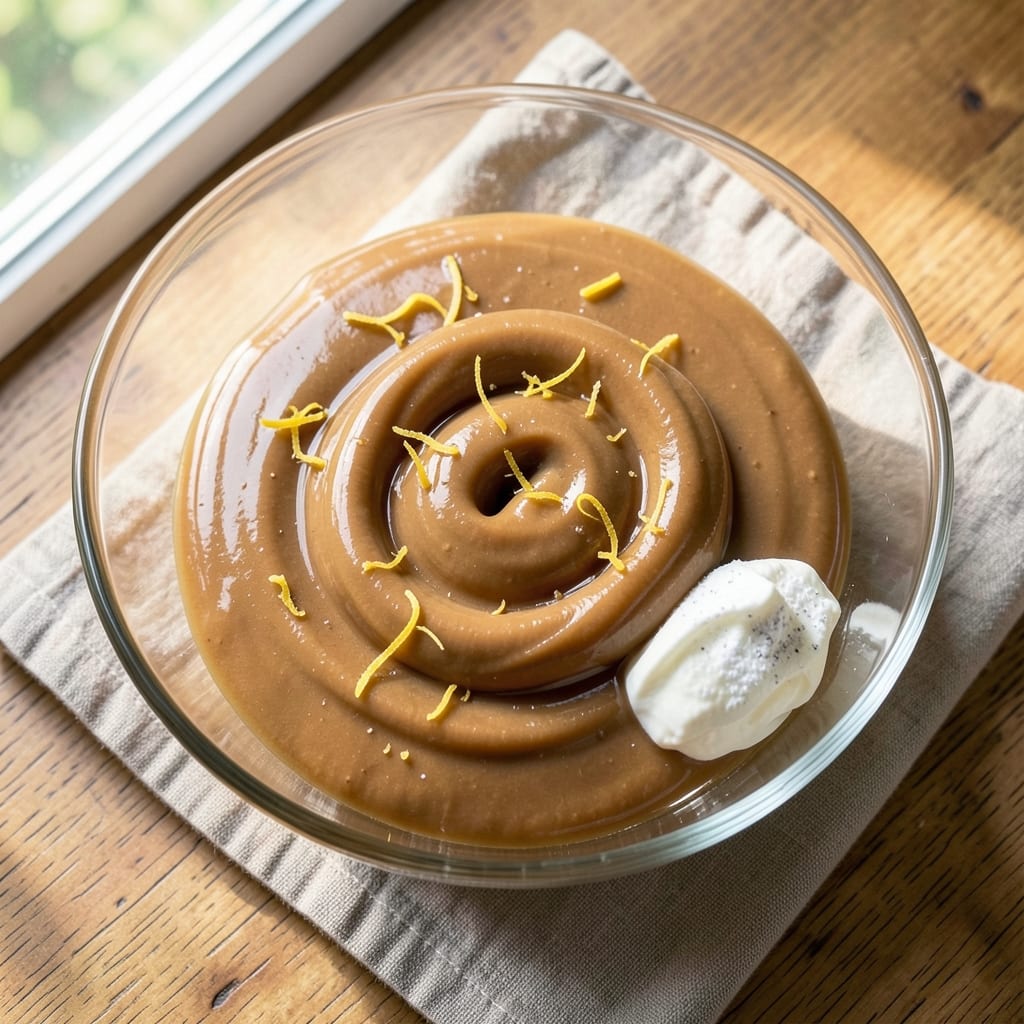
This amaretto cake glaze recipe transforms ordinary desserts into showstopping masterpieces with its rich, nutty liqueur shine. The perfect balance of powdered sugar, amaretto, and butter creates a silky, drizzable finish that adds depth and elegance to any baked good. After years of perfecting this technique, I’ve found the secret lies in achieving the ideal consistency—thick enough to cling but thin enough to flow gracefully over frosting or cake layers.
The glaze begins with a simple combination of powdered sugar, amaretto liqueur, and buttered cream cheese, but it’s the optional additions—like vanilla extract or lemon zest—that elevate it to restaurant-quality. The key is patience: allowing the glaze to rest for 10-15 minutes ensures a smooth, glossy finish without clumping. This isn’t just decoration; it’s a flavor enhancer that brings warmth and sophistication to every bite.
What makes this glaze truly special is its versatility—drizzle it over layer cakes, spread it between tiramisu layers, or use it to glaze cookies and brownies for a professional touch. The amaretto’s nutty sweetness pairs beautifully with chocolate, caramel, and even fruit-based desserts, making it a crowd-pleaser for any occasion. Once you try this, store-bought glazes will never compare.
For best results, prepare the glaze 1-2 hours before serving to allow flavors to meld and the texture to perfect. Store leftovers in an airtight container in the fridge for up to 5 days, re-whisking before use. The glaze’s simplicity belies its impact—just a few ingredients, but a world of difference in presentation and taste. Let’s create something extraordinary.
Ingredients for amaretto cake glaze
Eight ingredients transform ordinary desserts into restaurant-worthy masterpieces with this luxurious glaze.
| Ingredient | Amount | Notes |
|---|---|---|
| Powdered Sugar 🍚 | 2 cups | Sifted for smooth texture |
| Amaretto Liqueur 🍷 | ½ cup | High-quality, 25% ABV preferred |
| Unsalted Butter 🧈 | 4 oz | Softened, room temperature |
| Cream Cheese 🧀 | 8 oz | Full-fat, room temperature |
| Pure Vanilla Extract 🌿 | 1 tsp | Optional, for depth of flavor |
| Lemon Zest 🍋 | 1 tsp | Optional, brightens flavor |
| Heavy Cream 🥛 | ½ cup | Cold, for silkier finish |
| Pinch of Salt 🧂 | ⅛ tsp | Enhances sweetness balance |
The powdered sugar is your foundation—Confectioners’ sugar from Domino or Sugar Syrup brands works best, as it’s finely sifted and free of lumps. For the amaretto, Disaronno is the gold standard—its rich almond flavor shines through, but any quality amaretto will do. The butter and cream cheese? Full-fat is non-negotiable—low-fat versions will make the glaze grainy. Room temperature is key here: if your butter is too cold, microwave it for 10-15 seconds to soften. And if you’re feeling fancy, add a splash of orange liqueur for an extra layer of complexity.
No amaretto? Substitute with almond extract (1 tsp) + 2 tbsp warm water—it won’t be identical, but it’ll add that nutty depth. Short on butter? Use vegan butter or extra cream cheese, but expect a slightly denser texture. The vanilla and lemon zest are optional, but if you skip them, boost the amaretto by 1 tbsp for extra flavor punch. For a chocolate twist, add 1 oz melted dark chocolate to the glaze—it’ll create stunning marbled effects. And if your glaze turns out too thick? Add 1 tsp of warm water to loosen it up.
This glaze is best made 1-2 hours ahead—it needs time to meld and develop its silky texture. Store leftovers in an airtight container in the fridge for up to 5 days, but re-whisk vigorously before using, as it tends to thicken. For long-term storage, freeze in ice cube trays—thaw and whisk before drizzling. Pro tip: Dip clean spoons in warm water before stirring to prevent clumping. The glaze’s magic lies in its patience—don’t rush it!
Why You'll Love This Recipe
- Three-Ingredient Magic: I swear by this glaze—just powdered sugar, amaretto, and butter. That’s it. No messy frosting bags or temperamental ganache; it’s smooth, glossy, and ready in 10 minutes while you’re waiting for coffee to brew.
- Almond-Kissed Luxury: The amaretto brings that nutty, toasty depth, but the cream cheese? Oh, it rounds out the sharpness into something velvety. Drizzle it over pound cake or cupcakes, and suddenly, you’ve got a dessert that tastes like a fancy café’s secret.
- Date Night Ready: Between us, this glaze turns any cake into a showstopper for zero effort. Need a last-minute dessert for guests? Whip it up while they’re pouring drinks—no one will guess it took less time than making toast.
- No-Waste Winner: That jar of amaretto you’ve had since last Christmas? Perfect. Leftover glaze? Slather it on toast with a sprinkle of flaky salt—trust me, it’s a breakfast game-changer. And the butter and cream cheese? Pantry staples that stretch across meals.
Step-by-step instructions for amaretto cake glaze
This glaze delivers a velvety, nutty finish that elevates any cake to restaurant-worthy perfection.
Soften the Butter and Cream Cheese
Place the 4 oz unsalted butter and 8 oz cream cheese in a medium mixing bowl. Let them sit at room temperature for 10-15 minutes until softened but not melted—you should be able to press them gently with a finger and leave a slight indentation. This ensures a smooth, lump-free glaze without overheating later.
I like to use a rubber spatula to gently fold the butter and cream cheese together until fully combined and creamy. If you're in a hurry, you can microwave them for 5-10 seconds in 5-second bursts, but be careful not to melt them completely. The goal is to create a smooth, homogenous base that will blend seamlessly with the other ingredients.
Whisk Powdered Sugar to a Smooth Paste
In a separate bowl, sift the 2 cups powdered sugar to remove any lumps and create a fine, airy texture. This step is crucial—unsifted powdered sugar can create grainy patches in your glaze. Add the 0.5 cup amaretto liqueur and whisk vigorously until fully dissolved and smooth. The mixture should look like a thick, glossy syrup.
Here's the thing—amaretto has a strong flavor, so don't rush this step. You want the sugar to fully incorporate and the alcohol to disperse evenly. If the mixture looks too thick, add 1-2 teaspoons of water to help it flow more easily. The glaze should be thin enough to drizzle smoothly but thick enough to hold its shape on a cake.
Combine Wet and Dry Ingredients
Gradually add the powdered sugar mixture to the butter and cream cheese bowl, whisking continuously. Start with a slow drizzle, then increase speed to medium-high once the mixture begins to combine. This prevents the sugar from settling at the bottom and ensures a uniform texture. After about 1-2 minutes, the glaze should look smooth and glossy.
Next, stir in the 1 tsp pure vanilla extract, 1 tsp lemon zest, 0.5 cup heavy cream, and 0.125 tsp pinch of salt. The heavy cream adds a luxurious silkiness, while the lemon zest brightens the nutty amaretto flavor. Mix until fully incorporated—you should see a slight sheen develop on the surface, indicating the glaze is ready. If it's too thick, thin it with 1-2 teaspoons of milk or water until it reaches a drizzling consistency.
Test and Adjust Consistency
For an accurate test, spoon a small amount of glaze onto a plate and let it sit for 1-2 minutes. If it spreads too thin or pools, it needs more powdered sugar. If it's too thick and doesn't drizzle smoothly, whisk in additional amaretto liqueur or heavy cream until it reaches the perfect balance. The ideal consistency should be thick enough to hold its shape when drizzled but thin enough to create elegant, flowing patterns.
Once you've achieved the right texture, cover the bowl with plastic wrap and refrigerate for 30 minutes before using. This chilling step firms up the glaze slightly, making it easier to work with and preventing it from sliding off the cake too quickly. The flavors will also meld beautifully during this time, resulting in a cohesive, nutty finish.
Apply to Cake with Precision
Remove the glaze from the refrigerator and give it one final whisk to ensure it's smooth. Use a piping bag fitted with a small round tip or a squeeze bottle for even coverage. Start by drizzling glaze over the entire surface of the cake, working in zigzag or circular motions for an elegant look. For a more dramatic effect, pipe swirls or rosettes along the edges.
Work quickly but carefully—this glaze sets fast once exposed to air. If you notice it thickening as you work, dip your piping tip or squeeze bottle into warm water for 5-10 seconds to loosen it. Let the glaze set for 10-15 minutes at room temperature before slicing. The result? A glossy, amaretto-kissed finish that tastes as good as it looks.
Pro Tips For Making Amaretto Cake Glaze
- Warm the Butter First: I learned this the hard way—cold butter in the glaze makes it grainy and clumpy. Melt the unsalted butter until it’s just liquid (not hot, just smooth) before mixing it into the powdered sugar. This keeps the texture silky, not sandy.
- Use Room-Temp Cream Cheese: No one likes lumpy glaze, and cold cream cheese is the fastest way to get it. Let that block sit out for 30 minutes before whipping it into the mix—this ensures a smooth, creamy finish without extra straining.
- Measure Amaretto Precisely: A splash here, a splash there—nope. Too little and the glaze tastes like vanilla frosting. Too much and it’s boozy sludge. Stick to 1-2 tablespoons per 1.5 cups powdered sugar, then adjust to taste after testing on a small piece of cake.
- Strain the Glaze: Yes, even if you’re in a hurry. Whisking the butter and cream cheese into powdered sugar always leaves tiny lumps. Pour the finished glaze through a fine-mesh sieve into the bowl—it’s a 30-second fix that makes the difference between "good" and "wow."
Common mistakes when making your amaretto cake glaze
Overmixing the Glaze
I’ve seen so many people whisk this glaze until it’s completely smooth, only to end up with a grainy mess. The key is to mix just until the ingredients are combined—not until you can’t see any streaks. Overmixing incorporates too much air, which can cause the glaze to clump or even separate. Once you’ve combined the butter, cream cheese, and powdered sugar mixture, give it one final stir to ensure everything is evenly distributed, but stop before it gets frothy. 🥄
Skipping the Chill Step
Rushing to drizzle the glaze right after mixing is a recipe for disaster. The glaze needs that 30-minute chill to firm up slightly—this prevents it from sliding off the cake too quickly and gives it time to develop its signature glossy finish. I’ve made this mistake too many times, and the results were always messy. Trust the process: patience here makes all the difference.
Using Cold Ingredients
Cold butter or cream cheese will create lumps that no amount of whisking can fix. Always ensure your butter and cream cheese are at room temperature before starting—this means they should be soft enough to press with a finger but not melted. If they’re too cold, microwave them in 5-second bursts until just softened. Cold ingredients disrupt the glaze’s silky texture, leading to a grainy, uneven finish.
Incorrect Consistency
The glaze should be thick enough to hold its shape when drizzled but thin enough to flow smoothly. Too thick? It’ll clump and look unappealing. Too thin? It’ll pool or slide off the cake. Test the consistency by spooning a small amount onto a plate—if it spreads too much, add 1 tablespoon powdered sugar. If it’s too stiff, whisk in 1 teaspoon amaretto or heavy cream until it reaches the perfect balance.
Not Sifting the Sugar
Unsifted powdered sugar is the enemy of a smooth glaze. Those tiny lumps will turn your beautiful drizzle into a textured nightmare. Always sift the 2 cups powdered sugar before mixing it with the amaretto. If you’re in a pinch, use a fine-mesh strainer or even a fork to break up any clumps by hand. A smooth base is non-negotiable for that silky finish.
Adding Too Much Liqueur
Amaretto is potent, and too much can make your glaze runny or even watery. Stick to the 0.5 cup measurement—this is the sweet spot for flavor without sacrificing texture. If you’re tempted to add more for extra boozy kick, remember: the glaze’s structure depends on that powdered sugar-to-liqueur ratio. Start with the recipe, taste as you go, and adjust sparingly. 🍷
Nutrition facts
Frequently asked questions
Can I make this glaze without amaretto liqueur?
Yes! For a nutty flavor without the alcohol, substitute 1 teaspoon almond extract plus 2 tablespoons warm water. The texture will be slightly different, but you’ll still get that signature almond-kissed taste. For a stronger flavor, add 1-2 tablespoons almond syrup instead. The glaze will be less boozy but still delicious.
How long will the glaze keep in the fridge?
This glaze stays fresh in an airtight container for up to 5 days when refrigerated. Before using, whisk vigorously to restore its silky texture—it tends to thicken when chilled. For longer storage, freeze in ice cube trays and thaw overnight in the fridge before whisking. The flavor actually improves after chilling!
What's the best way to apply it to cupcakes?
For cupcakes, use a small squeeze bottle or piping bag with a round tip to create elegant drizzles. Start with 1 teaspoon per cupcake, working in zigzag patterns. Let each cupcake set for 5 minutes before moving to the next to prevent sliding. For extra flair, sprinkle crushed amaretto cookies or toasted almonds on top while the glaze is still wet.
Can I use this glaze on non-cake desserts?
This glaze works beautifully on cookies, brownies, cheesecakes, and even fruit tarts. For cookies, let them cool completely first, then drizzle while still slightly warm for better adhesion. For cheesecakes, spread a thin layer between the crust and filling for extra flavor. The glaze's versatility makes it perfect for any sweet treat that needs a nutty upgrade.
Why did my glaze turn grainy?
Graininess usually means either unsifted powdered sugar or overmixing. Always sift your sugar first, and mix only until combined—not until completely smooth. If it's already grainy, strain through a fine-mesh sieve or blend briefly with an immersion blender to restore silkiness. For future batches, ensure all ingredients are at room temperature to prevent lumps.