
Desserts
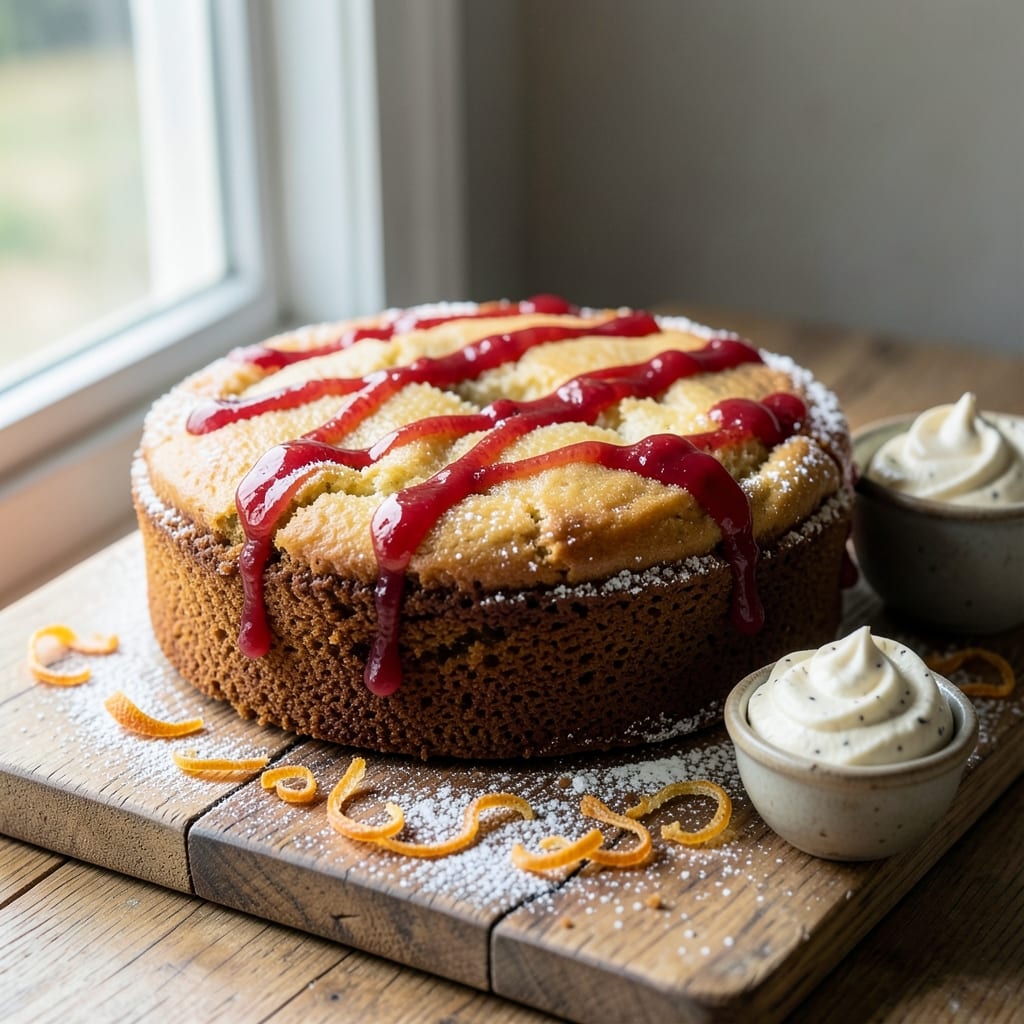
This amazing pound cake recipe delivers layers so moist and tender they’ll disappear from your plate in minutes. The secret? Buttermilk and a precise technique that keeps every slice perfectly balanced. I’ve been perfecting this recipe for years, and it never fails to impress—whether you’re serving it at a family gathering or treating yourself to a simple afternoon dessert.
What makes this pound cake truly special is its ultra-moist texture, thanks to the buttermilk boost that keeps it rich and tender without being heavy. The vanilla flavor shines through, creating a comforting, classic taste that everyone loves. Baking at the right temperature and for the perfect amount of time ensures a golden crust and a soft, fluffy interior.
By the time it comes out of the oven, you’ll have a cake that’s foolproof and delicious—no dry, crumbly slices here. The layers stay moist for days, making it perfect for slicing and sharing. Whether you’re adding fresh berries, a dusting of powdered sugar, or a drizzle of glaze, this cake is the ultimate crowd-pleaser.
Ready to bake a pound cake that’s worth every bite? Let’s get started—this recipe is simpler than it looks, and the results are always impressive.
Ingredients for amazing pound cake
Butter, buttermilk, and vanilla—these three ingredients create the magic behind ultra-moist pound cake layers.
| Ingredient | Amount | Notes |
|---|---|---|
| Unsalted Butter 🧈 | 1 ½ cups | Room temperature, not melted |
| Buttermilk 🥛 | 1 ½ cups | Full-fat preferred for richness |
| All-Purpose Flour 🌾 | 3 cups | Sifted for light texture |
| Granulated Sugar 🍚 | 2 cups | Superfine if available |
| Pure Vanilla Extract 🌿 | 2 tbsp | High-quality, not imitation |
| Baking Powder 🧂 | 2 tsp | Diamond Crystal preferred |
| Salt 🧂 | ½ tsp | Fine sea salt preferred |
| Large Eggs 🥚 | 4 whole | Room temperature |
| Almond Extract 🌰 | ½ tsp | Optional, for depth |
| Vegetable Oil 🫒 | ½ cup | Light, for moisture |
| Powdered Sugar 🍚 | 2 cups | For optional dusting |
The butter and buttermilk combo is non-negotiable here. Land O'Lakes unsalted butter melts beautifully, and full-fat buttermilk (not low-fat) gives that signature richness. I grab mine from the dairy section at Whole Foods, but any quality brand works. Pro tip: measure your butter by weight (1.5 cups = 3 sticks = 12 oz) for consistency. The vanilla extract? Heinz or Nielsen-Massey are my go-tos—they've got that deep, authentic flavor. Skip the imitation stuff; it's not worth it.
No buttermilk? Mix 1 cup milk + 1 tbsp vinegar or lemon juice and let it sit for 5 minutes. Short on butter? Applesauce or yogurt can replace half, but the texture won't be quite as tender. The almond extract is optional but adds a subtle depth that makes this feel like a bakery secret. Trader Joe's sells a good one for cheap. For the flour, sift it before measuring—this cake relies on lightness, and unsifted flour can make it dense. If you're in a pinch, King Arthur flour is pre-sifted and works perfectly.
This cake stays moist for 4-5 days if wrapped tightly in plastic. For longer storage, slice and freeze portions between parchment paper—thaw at room temperature for 30 minutes. The powdered sugar? Dust it over slices right after baking while still warm for that bakery-fresh look. I always make a double batch—half gets frosted, half gets eaten plain. Trust me, the plain version is just as good (maybe even better).
Why You'll Love This Recipe
- No-Fuss Mixing: I swear by the creaming method here—just butter and sugar until light and fluffy. No whisking, no folding like a nervous first-timer, just a few minutes of hands-off magic while the dough comes together smoother than store-bought.
- Buttermilk Magic: That tangy buttermilk cuts through the richness of the butter, keeping the crumb tender without tasting flat. Honestly, it’s the secret weapon—no one will guess it’s not a fancy recipe, but they’ll notice the difference.
- Endless Second Acts: Slice it fresh for breakfast with jam, cube it for trifles, or toast it for French toast. My kids even sneak bites of the leftover crumbs—because nothing says "perfect" like a cake that works for every craving.
- Budget Baking Wins: Butter and sugar are the stars, but you’re not breaking the bank. A single batch feeds six, and leftovers last days (if they last that long). Between us? I make this for holidays, potlucks, and lazy Sundays—same recipe, zero guilt.
Step-by-step instructions for ultra-moist vanilla layers
This isn't your grandma's pound cake—it's a tender, rich masterpiece with a buttermilk secret that keeps every slice moist for days.
Cream Butter and Sugar Until Light and Fluffy
In a stand mixer fitted with the paddle attachment, beat the 1.5 cups unsalted butter (at room temperature) and 2 cups granulated sugar on medium speed for 5-7 minutes. You'll know it's ready when the mixture is pale, thick, and nearly doubles in volume. This step incorporates air, which creates that signature light texture pound cakes are famous for.
Here's the thing—don't rush this part. I've seen people skip it, and their cakes turn out dense. Scrape down the sides of the bowl every 2 minutes to ensure even mixing. The butter should be completely smooth with no lumps, and it should leave a trail when the paddle lifts out.
Add Eggs and Extracts for Maximum Flavor
Add the 4 whole large eggs, one at a time, mixing just until each is fully incorporated after about 30 seconds per egg. Then stir in the 2 tbsp pure vanilla extract and 0.5 tsp almond extract (if using). The mixture will look slightly curdled at first, but that's normal—the extracts will blend completely once we add the dry ingredients.
I always use room-temperature eggs for this recipe. They blend more smoothly and help create a lighter batter. If your eggs are straight from the fridge, let them sit in warm water for 10 minutes first. The almond extract might seem like an odd addition, but trust me—it adds a subtle depth that makes this cake stand out from basic vanilla versions.
Alternate Dry and Wet Ingredients for Perfect Texture
With the mixer on low speed, add 1 cup of the all-purpose flour (from the 3 cups total) mixed with the 2 tsp baking powder and 0.5 tsp salt. Mix just until combined, then add 0.5 cup vegetable oil and 0.75 cups buttermilk. Repeat this process, alternating between the remaining 2 cups flour and the remaining 0.75 cups buttermilk, ending with flour.
This alternating method prevents gluten development (which makes cakes tough) while ensuring even distribution of moisture. The buttermilk is the secret ingredient here—it creates tiny air pockets that keep the cake moist longer than regular milk would. Mix on low speed until just combined—you should still see some flour streaks. Overmixing develops gluten and makes the cake dense.
Bake in Prepared Pans for Even Rise
Divide the batter evenly between three 9-inch round cake pans (or two 9x13-inch pans). Line the bottoms with parchment paper for easy removal. Bake in a preheated 350°F oven for 25-30 minutes (round pans) or 35-40 minutes (sheet pan), until a toothpick inserted in the center comes out clean. The edges should be golden brown, but the tops might still look slightly underdone—that's normal for pound cake.
I like to rotate the pans halfway through baking to ensure even browning. Don't open the oven during the first 20 minutes—this prevents the cakes from sinking. If the tops brown too quickly, tent them loosely with aluminum foil. The internal temperature should reach 210°F when done. Let the cakes cool in the pans for 10 minutes before transferring to a wire rack to cool completely.
Layer and Dust for Showstopping Presentation
Once completely cool, level the tops if needed (I use a serrated knife for this). Place one layer on a serving plate and spread with a thin layer of vanilla buttercream (made from the 2 cups powdered sugar and remaining butter). Repeat with the remaining layers. Dust the top and sides generously with the 2 cups powdered sugar for that classic pound cake look.
This cake stays moist for 4-5 days when stored in an airtight container at room temperature. For even better results, wrap each layer individually in plastic wrap before assembling. The buttermilk and oil combination creates a crumb so tender, you'll want to eat it straight from the pan—but resist the temptation until it's properly cooled! Serve with fresh berries or a scoop of vanilla ice cream for the ultimate dessert experience.
Pro Tips For Making Amazing Pound Cake
- Cream Butter Slowly: Let the butter and sugar sit at room temperature for 30 minutes first, then whip them together in your stand mixer for 5-6 minutes until pale and fluffy. I learned this the hard way—rushing it leaves tiny air pockets that collapse, making your cake dense instead of light.
- Measure Buttermilk Precisely: Use a kitchen scale for the buttermilk—1 cup of liquid buttermilk weighs about 240 grams, but scooping it straight from the carton adds air and throws off the ratio. My grandmother swore by this, and she was right: consistency matters more than you’d think.
- Skip the Overmixing: Fold in the flour in two additions, stopping as soon as it’s just combined. After burning three batches, I finally figured out that overmixing develops gluten, which turns your tender pound cake into a tough brick.
- Test for Doneness Early: Start checking for doneness 5 minutes before the recipe’s suggested time—insert a toothpick into the center. If it comes out clean but the edges look set, cover the cake with foil and let it steam for another 10 minutes. Sounds weird, but it works: your cake stays moist without turning gummy.
Pro cooking tips for amazing pound cake
Butter Temperature Matters
Your butter must be room temperature (about 65-68°F) for perfect results—never melted or straight from the fridge. I test it by pressing a thumb into the butter: if it leaves a slight indentation but holds its shape, it's ready. Cold butter won't cream properly, while melted butter makes the cake dense. For consistency, I use a Land O'Lakes unsalted butter stick (3 sticks = 1.5 cups) and let it sit on the counter for 1-2 hours before baking. 🧈
Buttermilk Substitution
No buttermilk? Mix 1 cup milk + 1 tbsp white vinegar or lemon juice, let sit for 5 minutes until slightly thickened. For extra richness, use whole milk instead of skim. I've also had success with plain Greek yogurt (1:1 ratio) or sour cream (reduce by ¼ cup), though the texture will be slightly denser. The key is acidity—it reacts with baking soda (if used) to create lift and moisture.
Baking Powder Precision
Use Diamond Crystal baking powder (not aluminum-free versions) for optimal rise. Measure carefully—2 tsp is crucial for this recipe. Too little causes flat cakes; too much makes them bitter. I store my baking powder in the freezer to preserve freshness. For a lighter texture, sift the flour with the baking powder before adding to the batter. Never skip sifting—this cake relies on proper aeration for its signature tenderness.
Oven Prep is Critical
Always preheat your oven for at least 20 minutes before baking. I use an oven thermometer to confirm it's at 350°F—many ovens run hot or cold. Place your pans in the center rack (not the top) for even heat distribution. For round pans, rotate them halfway through baking to prevent uneven browning. The cake is done when a toothpick comes out clean (or with a few moist crumbs)—don't rely solely on time. 🌡️
Cooling Technique
Let your cakes cool in their pans for 10 minutes before transferring to a wire rack. This prevents them from cracking or doming. For even cooling, I run a thin knife around the edges to loosen any stuck batter. Never stack warm pans—this traps heat and makes the bottoms soggy. If you're in a hurry, place the pans on a cooling rack set over a baking sheet to allow air circulation on all sides.
Storage Secrets
Wrap cooled layers individually in plastic wrap or aluminum foil for up to 5 days at room temperature. For longer storage, freeze layers (unfrosted) between parchment paper for up to 3 months. To serve, thaw at room temperature for 1-2 hours. The buttermilk and oil combination keeps this cake moist even after freezing—just avoid microwaving, which makes it gummy. 💫
Nutrition facts
Frequently asked questions
Why does this pound cake stay moist longer than others?
The secret lies in the buttermilk and vegetable oil combination. Buttermilk adds acidity that tenderizes the crumb, while oil creates a fine texture that holds moisture. Plus, the alternating dry/wet method prevents gluten development, keeping slices soft for 4-5 days when stored properly.
Can I make this recipe without a stand mixer?
Use a hand mixer or even a sturdy whisk. For the butter-sugar step, beat vigorously for 8-10 minutes until light and fluffy. The key is patience—don't rush this step or your cake may turn out dense. For the dry ingredients, gently fold them in with a spatula after mixing wet ingredients by hand.
What's the best way to level the cake layers?
Use a serrated knife and a leveling guide (or even a ruler) for perfect even layers. Place the cake on the guide, then gently saw back and forth with the knife at your desired height. For extra precision, chill the cake for 15 minutes in the freezer first—the colder temperature makes slicing easier.
How do I prevent my pound cake from cracking?
Cracking usually happens from rapid cooling or overmixing. Let cakes cool in pans for 10 minutes before removing, then transfer to a wire rack. Avoid opening the oven door during the first 20 minutes of baking, and don't overfill your pans—fill them only 2/3 full. The buttermilk in this recipe actually helps prevent cracking by keeping the structure more flexible.
Can I add chocolate or fruit to this recipe?
Yes! For chocolate, replace ½ cup flour with ½ cup cocoa powder> and add ¼ cup hot water> to the buttermilk. For fruit, fold in 1 cup chopped berries> or ½ cup dried fruit> with the dry ingredients. Just be aware that adding moisture-heavy ingredients like fresh fruit may require reducing the buttermilk slightly to maintain texture.