
Desserts
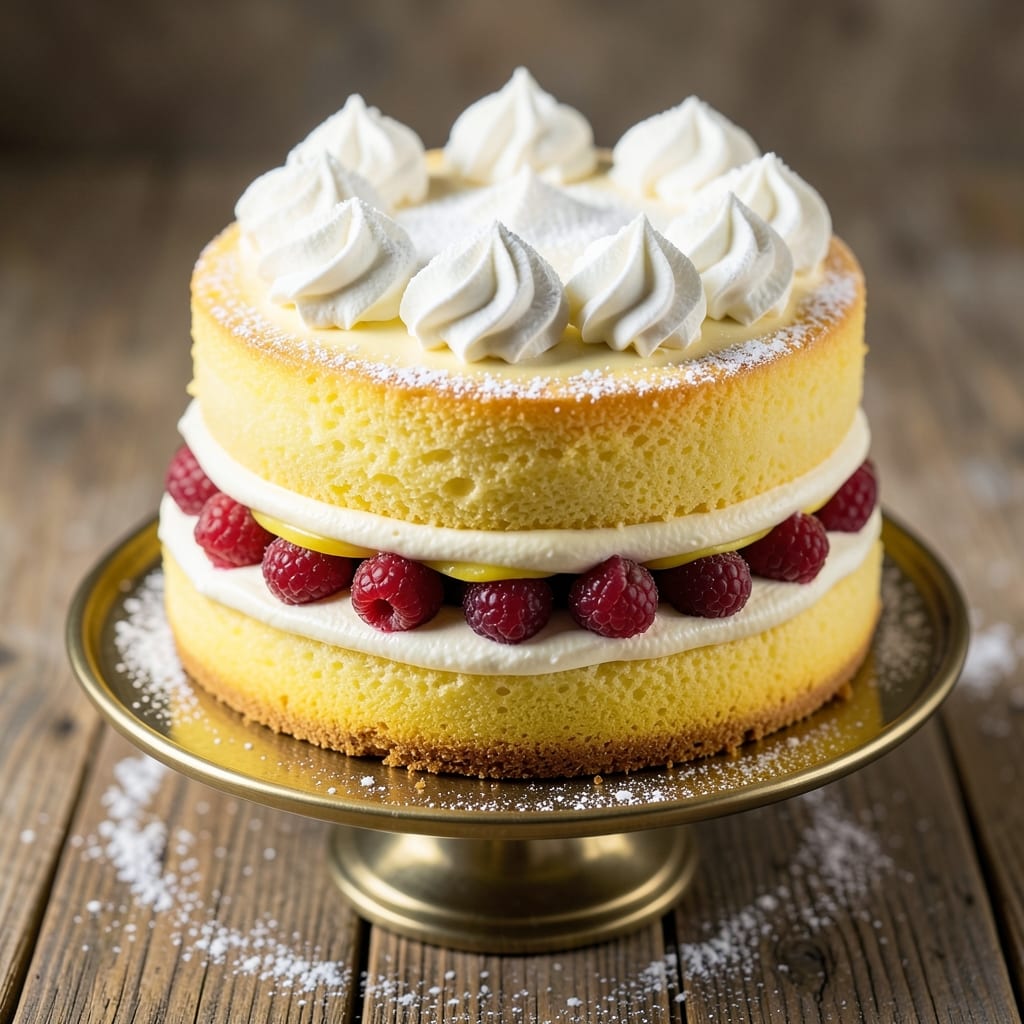
This amazing yellow cake recipe changed everything—thanks to a buttermilk trick that keeps it moist for days. 💛 I spent years baking dry, crumbly cakes until I discovered how a simple ingredient transformation makes all the difference in texture and flavor.
The secret lies in the batter: buttermilk reacts with baking soda to create tiny air pockets while keeping the cake tender. You won’t believe how simple the ingredients are—just basic pantry staples that come together in one bowl with no fuss. Perfect for birthdays, potlucks, or just because.
What you’ll end up with is a cake that’s rich, golden, and impossibly moist—no one will guess it’s not from a bakery. The crumb stays soft even after slicing, and it’s light enough to eat without feeling heavy. This is the kind of cake that disappears fast.
Pair it with your favorite frosting or serve it plain—either way, it’s a showstopper. Ready to bake the perfect yellow cake? Let’s get started with this foolproof method that actually works every time.
Ingredients for amazing yellow cake
Nine simple ingredients transform into the moistest yellow cake you'll ever bake—no tricks, just science.
| Ingredient | Amount | Notes |
|---|---|---|
| All-Purpose Flour 🌾 | 2 ½ cups | Sifted for best texture |
| Granulated Sugar 🍚 | 1 ¾ cups | White or light brown |
| Buttermilk 🥛 | 1 cup | Freshly opened, room temp |
| Vegetable Oil 🫒 | 1 cup | Light or canola preferred |
| Large Eggs 🥚 | 2 whole | Room temperature |
| Baking Soda 🧂 | 1 ½ tsp | Pure, no aluminum |
| Salt 🧂 | ½ tsp | Fine sea salt |
| Pure Vanilla Extract 🌿 | 1 tbsp | Not imitation |
| Unsalted Butter 🧈 | ½ cup | Cold, cubed for mixing |
| Yellow Cake Mix 🍞 | 1 box | Optional shortcut (omit if homemade) |
| Lemon Zest 🍋 | 1 tbsp | Fresh, finely grated |
The buttermilk is non-negotiable—it's what makes this cake stay moist for days. Grab the real stuff from the dairy case, not the powdered kind. If you're in a pinch, mix 1 cup milk + 1 tbsp vinegar or lemon juice and let it sit for 5 minutes. The flour? King Arthur or Gold Medal brands are my go-tos—they bake up lighter. And that vanilla? Nothing but pure extract—the imitation stuff tastes like perfume. The lemon zest adds brightness without overpowering, so use fresh if you can. If you're making a big batch, double-check your 8x8-inch pan fits your oven—this cake's best when it has room to breathe.
No buttermilk? Milk + vinegar or lemon juice works perfectly (see above). Short on vanilla? Almond extract at half the amount gives a nice twist. Using cake mix? Skip the oil and add 1/3 cup extra milk to keep it moist. The baking soda needs to be fresh—if it's over a year old, toss it. For extra richness, swap 1/4 cup of the oil for melted butter. And that sugar? Light brown adds subtle depth, but white works just fine. The eggs should be room temp—cold eggs can make the batter curdle. If you're worried, whisk them first with the sugar to warm them up.
This cake keeps beautifully—3 days covered at room temp or 1 week in the fridge. For longer storage, wrap tightly in plastic and freeze for up to 3 months. The frosting? Wait at least 1 hour before adding—it needs time to set. I always bake mine in a 350°F oven for 30-35 minutes, then let it cool completely before slicing. The first cut is always the best—so save a big slice for yourself!
Why You'll Love This Recipe
- No Mixer Needed: I swear by this recipe when my stand mixer’s on strike—just a bowl and whisk. The buttermilk and oil blend so smoothly, you’ll wonder why you ever overmixed batter before.
- Buttermilk Magic: That tangy kick from the buttermilk? It’s what turns this into a cake, not just a box mix. The eggs and sugar create this perfect balance—moist but not dense, sweet but not cloying.
- Birthday to Brunch: Slice it for a celebration or cube it for breakfast—this cake handles everything. (Yes, even my lazy Sunday pancake toppings.) The neutral flavor means frosting or fruit can shine.
- Pantry Staple Power: Flour, sugar, eggs—stuff you already have. I’ve made this twice with expired buttermilk (don’t ask) and it still came out tender. Budget-friendly doesn’t mean boring.
Step-by-step instructions for perfect buttermilk yellow cake
Here's how to bake a cake so moist it stays perfect for days—no dry crumbs in sight.
👨🍳 Step 1: Mix Wet Ingredients for Maximum Moisture
In a large mixing bowl, combine the 1 cup buttermilk, 1 cup vegetable oil, 2 whole large eggs, and 1 tbsp pure vanilla extract. Whisk vigorously for 2-3 minutes until fully blended and slightly thickened. The buttermilk's acidity reacts with the baking soda later, creating tiny air pockets that keep this cake impossibly tender.
Here's the thing—room temperature ingredients mix better. If your eggs feel cold, let them sit in warm water for 5 minutes before adding. You'll notice the mixture becomes smoother and lighter as you whisk, almost like a thick pudding. This is your foundation for that signature moist crumb.
👨🍳 Step 2: Add Butter and Sugar for Rich Flavor
Cut the ½ cup unsalted butter into small cubes and add to the wet mixture. Using a hand mixer on medium speed, beat until fully incorporated and creamy. Then add the 1.75 cups granulated sugar and mix for another 3-4 minutes until the mixture is pale and slightly thickened.
This step matters more than you'd think. The butter adds richness while the sugar helps create that perfect balance of sweetness. You'll see the mixture nearly double in volume as it incorporates air—this is what gives yellow cake its signature light texture. If it looks too thick, don't worry; the dry ingredients will lighten it up.
👨🍳 Step 3: Combine Dry Ingredients Gently
In a separate bowl, sift together the 2.5 cups all-purpose flour, 1.5 tsp baking soda, ½ tsp salt, and the 1 tbsp lemon zest. Sifting prevents lumps and ensures even distribution of those leavening agents. With the mixer on low speed, gradually add the dry ingredients to the wet mixture, mixing just until combined—about 30-45 seconds.
I can't stress enough how important this is: Overmixing develops gluten, which makes cake tough. You'll know it's right when you see just a few flour streaks remaining. The lemon zest adds a bright citrus note that balances the richness perfectly. For an extra boost, you could add 1 tsp lemon juice here if you like.
🥘 Step 4: Bake Until Golden with Perfect Doneness
Preheat your oven to 350°F and grease two 9-inch round cake pans thoroughly, then line the bottoms with parchment paper. Divide the batter evenly between the pans and smooth the tops. Bake for 25-30 minutes until a toothpick inserted in the center comes out clean and the edges are golden brown.
This is where the magic happens. The buttermilk's moisture works with the baking soda to create that signature tender crumb. If your oven runs hot, start checking at 22 minutes. The cake should spring back when gently pressed in the center—no jiggling allowed. Let them cool in the pans for 10 minutes before transferring to a wire rack.
⏰ Step 5: Layer and Frost for Ultimate Moisture Lock
Once completely cool, level the tops if needed. For the ultimate moisture lock, spread a thin layer of your favorite frosting between layers. Then frost the entire cake with another layer, creating a perfect seal. I like to use a simple buttercream made with ½ cup softened butter, 2 cups powdered sugar, and 2 tbsp milk for that classic yellow cake look.
Here's my pro tip: Wrap the frosted cake tightly in plastic wrap and refrigerate overnight. The buttermilk's magic continues to work even after baking, keeping this cake moist for days. When you're ready to serve, let it sit at room temperature for 20 minutes before slicing—this ensures clean cuts every time.
Pro Tips For Making Amazing Yellow Cake
- Whisk Eggs First: Crack the eggs into a separate bowl, whisk them vigorous for 30 seconds before adding to the batter—this ensures they’re fully emulsified with the oil, giving your cake a lighter texture. I used to skip this, and the result was always denser, like someone forgot to fluff the pillow.
- Measure Buttermilk Right: Use cold buttermilk straight from the fridge, and measure it after shaking the bottle—liquid settles, so the first splash is thicker. Warm buttermilk curdles when mixed with baking powder, and that’s a texture disaster you won’t taste until the cake’s in your mouth.
- Check Doneness at 325°F: Bake at 325°F, not 350°F—this prevents a dry crust while keeping the center moist. After 25 minutes, stick a toothpick in; if it comes out clean but the cake jiggles slightly, it’s done. Overbaking is the #1 way to ruin this recipe, and no one wants a brick.
- Sift the Flour Twice: Sift the flour before measuring, then sift it again into the bowl—this cuts out lumps and aerates the batter, so your cake rises higher and stays tender. I learned this the hard way after a cake collapsed like a sad soufflé. (Yes, I’ve tried the “just dump it” method.)
Storing and reheating your amazing yellow cake
Room Temperature Storage
This cake stays fresh for 3 days at room temperature when stored properly. Wrap it tightly in plastic wrap or place it in an airtight container with a paper towel to absorb any moisture. I always store it in a cool, dark place away from direct sunlight—this helps preserve that signature moist texture. The buttermilk secret means it won't dry out like many store-bought cakes. 💛
Fridge Preservation
For longer storage, refrigerate your cake for up to 1 week after baking. The cold helps maintain moisture, but you'll want to bring it to room temperature before serving. I recommend wrapping it in plastic wrap first, then placing it in a resealable bag to prevent air exposure. If you're worried about drying, add a slice of bread to the container—it absorbs excess moisture and keeps the cake tender.
Freezer Magic
Freeze your cake for up to 3 months without losing quality. Wrap each layer individually in plastic wrap, then place them in a freezer bag with all the air squeezed out. Label with the date so you can track freshness. When ready to serve, thaw overnight in the fridge before frosting or slicing. The texture remains just as moist as day one—this is my go-to method for making ahead of birthdays or holidays.
Reheating Tips
If your cake gets dry after refrigeration, revive it with a quick reheat. Place slices on a baking sheet and warm in a 300°F oven for 5-7 minutes. For a faster method, microwave on 50% power for 10-15 seconds—just enough to soften without making it soggy. The buttermilk's moisture makes this cake surprisingly forgiving when it comes to reheating.
Frosting Timing
Wait at least 1 hour after baking before adding frosting. This gives the cake time to set properly and prevents a soggy bottom. If you're making ahead, frost the day of serving and refrigerate until ready to serve. The frosting acts as a moisture barrier, keeping the cake fresh longer. For extra shine, brush the top with a little simple syrup before adding the final frosting layer.
Serving Suggestions
Serve slices at room temperature for the best texture. If refrigerated, let them sit for 10-15 minutes before serving. I love pairing this cake with vanilla ice cream or a drizzle of warm caramel sauce for contrast. For a lighter option, dust with powdered sugar or fresh berries. The lemon zest in the cake adds a subtle brightness that makes it perfect for afternoon tea or dessert parties. ✨
Nutrition facts
Frequently asked questions
Why does this yellow cake stay moist longer than others?
The buttermilk is the secret ingredient! Its acidity reacts with baking soda to create tiny air pockets while keeping the cake tender. The oil and proper mixing technique also lock in moisture. Most cakes dry out because they lack this moisture-retaining combination.
Can I make this cake without buttermilk?
Yes! Mix 1 cup milk + 1 tbsp vinegar or lemon juice and let it sit for 5 minutes to create a buttermilk substitute. The acid reaction is what makes this cake special, so don't skip it. If you're using powdered buttermilk, dissolve it in 1 cup warm water first.
What's the best frosting for this cake?
Classic buttercream works perfectly, but you can also try cream cheese frosting or even a light whipped cream glaze. For extra moisture, spread a thin layer between cake layers before the final frosting. The lemon zest in the cake pairs beautifully with citrusy frostings too.
How do I know when the cake is fully baked?
Insert a toothpick in the center - it should come out clean with just a few moist crumbs. The edges should be golden brown and the cake should spring back when gently pressed. If you're unsure, check at 25 minutes since ovens vary. Never rely on time alone!
Can I bake this in a different pan size?
Yes, but adjust baking time: 8-inch pans need 30-35 minutes, 10-inch pans take 20-25 minutes. For odd shapes, check doneness with a toothpick. The cake batter should fill pans only 2/3 full to allow proper rising. Grease pans thoroughly to prevent sticking!