
Breakfast & Brunch
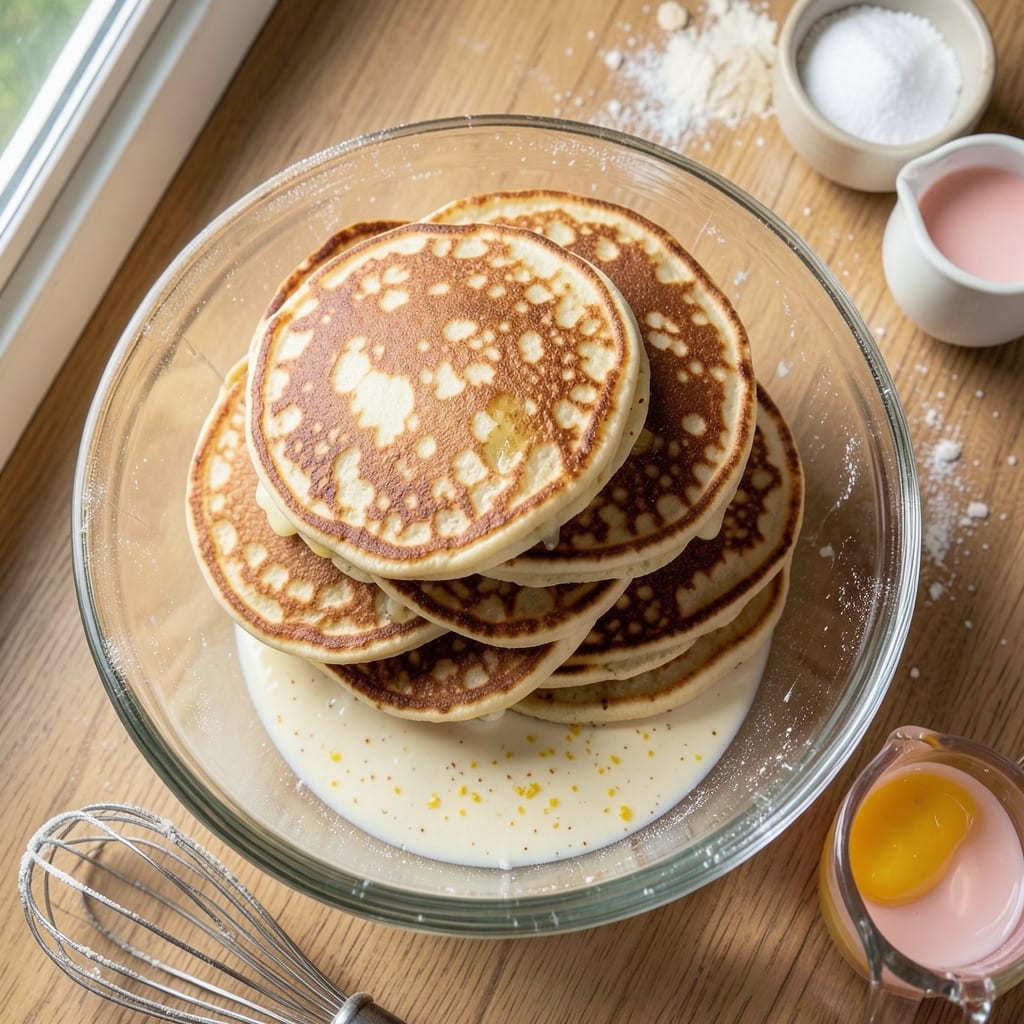
This American pancake recipe without baking powder proves you don’t need specialty ingredients for restaurant-quality fluff. The secret lies in a classic chemical reaction: baking soda + buttermilk creates lift while keeping the texture tender and golden. I’ve perfected this version after years of testing—no powder, no problem, just simple pantry staples and a foolproof method that delivers stacks of pancakes with crisp edges and cloud-soft centers.
The magic happens in the mixing: combining baking soda with an acidic liquid (like buttermilk or lemon juice) triggers an immediate rise, while resting the batter for 10 minutes ensures maximum fluffiness. This approach eliminates the need for baking powder entirely, yet maintains that signature American pancake height and structure. The result? Pancakes that stay warm, fluffy, and delicious even after reheating.
What you’ll end up with is a batch of pancakes so tender they practically melt in your mouth, with a subtle tang from the buttermilk that balances the sweetness. The edges develop a perfect golden-brown crust while the interior remains light and airy—no dense, cake-like texture here. This recipe is designed to be your new go-to for weekend breakfasts, brunch gatherings, or even a comforting weeknight treat.
Pair these pancakes with classic toppings like maple syrup, fresh berries, or whipped cream, or get creative with savory options like smoked salmon and cream cheese. The beauty of this method is its flexibility—you can adjust the flavor profile with spices, extracts, or mix-ins without compromising that essential fluffiness. Let’s get started on making pancakes that rival your favorite diner, one stack at a time.
Ingredients for american pancake recipe without baking powder
Pantry staples and a few fresh touches—this is all you need for diner-style pancakes.
| Ingredient | Amount | Notes |
|---|---|---|
| All-Purpose Flour 🌾 | 2 cups | Sifted for light texture |
| Granulated Sugar 🍚 | ¼ cup | White or light brown |
| Baking Soda 🧂 | ½ tsp | Freshly measured |
| Salt 🧂 | ½ tsp | Kosher or fine sea |
| Buttermilk 🥛 | 1 ½ cups | Room temperature preferred |
| Large Eggs 🥚 | 2 whole | Room temperature |
| Unsalted Butter 🧈 | ½ cup | Melted and cooled slightly |
| Pure Vanilla Extract 🌿 | 1 tsp | High-quality preferred |
| Vegetable Oil 🫒 | 1 tbsp | For cooking |
| Maple Syrup 🍁 | ¼ cup | For serving (optional) |
| Fresh Blueberries 🫐 | ½ cup | For serving (optional) |
The flour is the foundation here—King Arthur or Gold Medal brands are my go-tos for that perfect lightness. Buttermilk is non-negotiable for that signature tang, though lemon juice + milk works in a pinch (mix 1 tbsp lemon juice with 1.5 cups milk). The baking soda is what makes these rise without powder—make sure it's fresh (old baking soda loses its lift). For butter, Land O'Lakes or Plugrá are reliable, but any unsalted will do. If you're feeling fancy, swap the blueberries for strawberries or raspberries—just toss them in the batter last to avoid bruising.
No buttermilk? Mix 1.5 tbsp vinegar or lemon juice with 1.5 cups milk, let sit 5 minutes. Short on eggs? Flax eggs (1 tbsp ground flax + 3 tbsp water = 1 egg) work, but texture might be slightly denser. Want extra fluff? Add 1 tbsp whipped egg whites to the batter. The vanilla extract can be imitation, but high-quality makes a difference—McCormick or Nielsen-Massey are solid choices. For cooking, vegetable oil gives a crispier crust than butter, but butter makes everything taste better (use it if you're serving pancakes immediately).
Store leftover batter in an airtight container for up to 2 days—whisk before using. Cooked pancakes reheat best in a toaster or skillet (cover with foil to keep moist). Freeze extras between parchment paper for up to 3 months—reheat from frozen in a toaster. The syrup and berries keep fresh for 1 week in the fridge, but frozen berries work just as well. Make a double batch—these disappear fast at brunch.
Why You'll Love This Recipe
- No Fuss, Same Flavor: I swear, the baking soda swap doesn’t change a thing—these pancakes rise just like the classic kind, but with half the fuss. Three ingredients, one bowl, and zero measuring cups to stress over.
- Buttermilk Magic: That tangy kick from buttermilk? It’s the secret weapon here. The baking soda reacts with it to create this perfect, tender crumb—no baking powder needed, just pure, old-school satisfaction.
- Breakfast or Brunch: Serve them plain with syrup for lazy mornings or stack them with fresh berries and whipped cream for weekend guests. Same batter, endless possibilities—no need to reinvent the wheel.
- Budget Breakfast: Flour, sugar, buttermilk—these are pantry staples that won’t break the bank. Plus, leftovers reheat like a dream, so you’re always covered for busy days.
Step-by-step instructions for American pancakes without baking powder
Here's how to make light, fluffy pancakes using just pantry basics—no baking powder needed.
Mix Dry Ingredients for Maximum Lightness
In a large mixing bowl, combine the 2 cups all-purpose flour, 0.25 cup granulated sugar, 0.5 teaspoon baking soda, and 0.5 teaspoon salt. Sift the flour first if possible—this prevents lumps and ensures a tender texture. Use a whisk to break up any clumps until the dry ingredients are evenly distributed.
Here's the thing—baking soda needs an acid to activate, and buttermilk provides that. The sugar helps create a golden crust while balancing the slight tang from the buttermilk. Don't skip sifting; those tiny pockets of air are what give pancakes their signature fluffiness.
Create the Wet Mixture for Perfect Texture
In a separate bowl, whisk together the 1.5 cups buttermilk, 2 whole large eggs, 0.5 cup melted and slightly cooled unsalted butter, and 1 teaspoon pure vanilla extract. The butter should be warm enough to blend smoothly but cool enough that it doesn't cook the eggs. Room-temperature eggs incorporate better, so take them out of the fridge about 10 minutes before mixing if they're cold.
This wet mixture should be smooth with no streaks of egg white. The buttermilk's acidity will react with the baking soda later, creating bubbles that lift your pancakes. If your mixture looks too thick, add 1-2 tablespoons of water—just enough to make it pourable but still cohesive.
Combine Wet and Dry Ingredients Gently
Pour the wet mixture into the dry ingredients and stir gently with a spatula, mixing just until combined. You'll see some lumps, and that's okay—overmixing develops gluten and makes pancakes tough. Stop stirring as soon as you can see no more dry flour spots. The batter should be thick but still pourable, like heavy cream.
Let the batter rest for 5 minutes while you heat your pan. This resting time allows the baking soda to fully activate with the buttermilk, giving you maximum rise. Don't skip this step—it's what separates good pancakes from great ones.
Cook Perfect Golden Pancakes
Heat an 8-inch skillet over medium heat and add 1 tablespoon vegetable oil, letting it spread evenly. When the oil shimmers (about 1 minute), pour ¼ cup batter into the center. Watch carefully—the pancake is ready to flip when you see bubbles forming on the surface and the edges look set (about 2-3 minutes).
Flip once and cook for another 1-2 minutes until the bottom is golden brown. The pancake should be firm enough to hold its shape but still tender in the center. Keep cooked pancakes warm in a 200°F oven while you finish the batch. If the pan gets too hot and pancakes brown too quickly, reduce the heat slightly.
Serve Warm with Classic Toppings
Stack your freshly cooked pancakes and drizzle with 0.25 cup maple syrup. For extra flavor, fold in the 0.5 cup fresh blueberries into the warm batter before cooking, or serve them on top. The natural sweetness of the blueberries pairs beautifully with the buttery pancakes.
These pancakes should be light, fluffy, and golden brown with a tender interior. The secret lies in the gentle mixing and proper cooking temperature—no need for fancy ingredients, just good technique. Enjoy them warm with your favorite toppings while they're at their best!
Pro Tips For Making American Pancake Recipe Without Baking Powder
- MEASURE BUTTERMILK PRECISELY: That "about 1 cup" in the recipe isn’t doing you any favors—use a scale or measuring cup with a level edge. Buttermilk’s acidity is what activates the baking soda, and too little means flat pancakes. I learned this after making a batch where mine turned out like crepes (not in a good way).
- LET THE BATTER REST: Mix your batter, then walk away for 10 minutes. The baking soda needs time to fully react with the buttermilk, and resting thickens the batter just enough for those classic fluffy edges. Yes, even if you’re impatient like me—your first pancake will be the proof.
- WATCH THE BUBBLES, NOT THE TIME: Your stove’s heat varies, so skip the "3 minutes per side" rule. Flip when the edges look set and bubbles form consistently across the surface. Overcooking dries them out; undercooking leaves them gummy. A toothpick test works too, but bubbles are faster once you know what to look for.
- COOL THEM RIGHT: Stacking hot pancakes? Big mistake. Let them sit on the plate for 2 minutes before adding more, or they’ll turn soggy. If you’re in a rush, use a wire rack or parchment paper to keep them dry. Trust me, no one wants a pancake tower that collapses into a sad, sticky mess.
Perfect pairings for this recipe
Classic Syrup Pairings
Start with 100% pure maple syrup—I recommend Grade A Dark Amber for its rich, caramel-like depth that complements the pancakes' buttery flavor. For a lighter option, Grade A Golden adds a delicate sweetness with subtle hints of vanilla. If you prefer something different, try honey (especially local wildflower honey) for a floral note that brightens the stack. 🍁
Fresh Fruit Toppings
Toss ½ cup fresh blueberries in a pinch of sugar and a squeeze of lemon juice before serving—they'll release their juices beautifully when warmed. Sliced strawberries or raspberries work equally well, but avoid overcrowding your pancakes. For something more indulgent, warmed peaches (canned or fresh) with a sprinkle of cinnamon add a summery touch. 🍓
Creamy Protein Boosters
Dollops of whipped cream or Greek yogurt (like Fage 5%) add protein and creaminess without overpowering. For a savory twist, try smoked salmon with a smear of herb cream cheese—this combo works surprisingly well for brunch. If you're feeling decadent, Nutella or peanut butter drizzled over warm pancakes creates a restaurant-worthy dessert-like treat. 🥛
Crunchy Textures
Toasted pecans or walnuts add crunch that contrasts perfectly with the soft pancakes. For something sweeter, crumbled bacon (cooked until crispy) or cinnamon-sugar toasted streusel on top adds a delightful texture contrast. If you're feeling adventurous, try granola—just make sure it's lightly toasted so it doesn't absorb too much syrup. 🌰
Unexpected Flavor Twists
For a breakfast that feels special, try caramelized bananas with a sprinkle of sea salt—the salt enhances the natural sweetness. Chocolate chips (like Ghirardelli baking chips) melted into the batter before cooking create a hidden surprise with every bite. Even lemon curd drizzled over warm pancakes adds a tangy brightness that cuts through the richness. 🍌
Beverage Pairings
A hot cup of coffee (I love French press for its bold flavor) is the classic choice, but chai tea or matcha latte add a cozy twist. For something refreshing, sparkling orange juice or iced vanilla chai balances the pancakes' richness. If you're serving these at brunch, a mimosa (champagne + orange juice) elevates the experience to a celebratory level. ☕
Nutrition facts
Frequently asked questions
Why do these pancakes work without baking powder?
The secret is the chemical reaction between baking soda and buttermilk. The acid in buttermilk activates the baking soda, creating bubbles that lift the pancakes—just like baking powder would, but with a subtle tangy flavor. This method also keeps the texture tender since baking powder can sometimes make pancakes slightly cakey.
Can I make these pancakes without buttermilk?
Yes! Mix 1.5 tablespoons lemon juice or white vinegar with 1.5 cups milk, let sit for 5 minutes to curdle, then use as a substitute. The acidity is what activates the baking soda, so this works perfectly. Just don't use the mixture if it hasn't thickened—it needs that tang to trigger the rise.
What if my pancakes turn out dense or flat?
Dense pancakes usually mean overmixing or undercooked batter. Stir the batter just until combined (lumps are okay!) and let it rest for 5-10 minutes before cooking. Also, make sure your pan isn't too hot—medium heat is ideal. If they're still flat, try adding ½ teaspoon extra baking soda next time.
How do I keep these pancakes warm while cooking?
Preheat your oven to 200°F and place cooked pancakes on a wire rack set over a baking sheet. This keeps them crisp on the bottom while staying soft inside. For a larger batch, use a chafing dish or slow cooker on low heat—just cover with a clean towel to retain moisture.
Can I make these pancakes ahead of time?
Yes! Cooked pancakes freeze beautifully between parchment paper for up to 3 months. To reheat, toast in a toaster or warm in a skillet over low heat for 1-2 minutes per side. For freshness, store batter in an airtight container in the fridge for up to 2 days—just whisk before using.