
Desserts
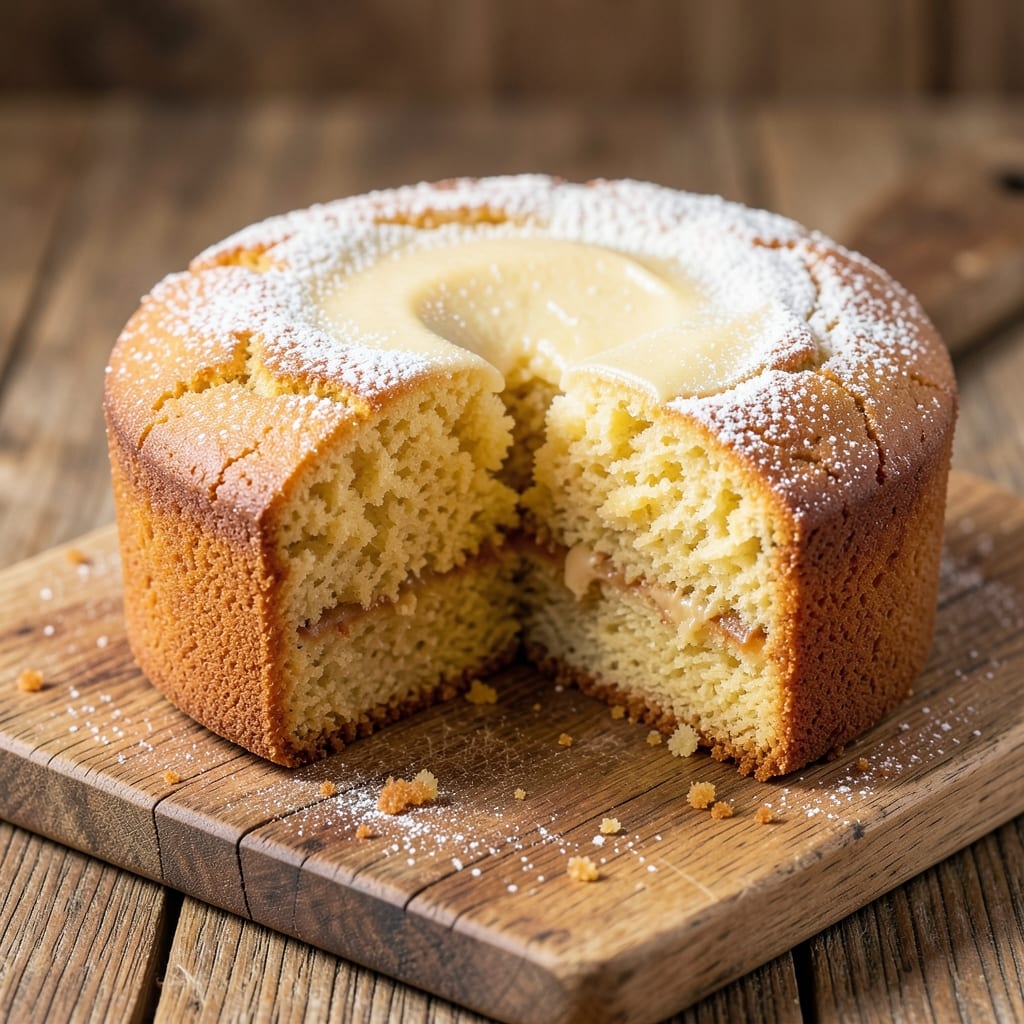
This American pound cake recipe delivers the perfect balance of buttery richness and tender crumb—every slice stays moist for days. The secret lies in the classic creaming method, where room-temperature butter and sugar create a light, airy texture that separates it from dense cakes. I've baked this version countless times for family gatherings, and it never disappoints. The foundation starts with equal parts butter, sugar, and flour by weight (hence "pound cake"), creating a dense yet tender crumb. Vanilla extract and a touch of salt enhance the buttery flavor without overpowering. What makes this recipe truly special is the slow baking process, which ensures even moisture distribution and prevents cracking. By the time it emerges from the oven, you'll have golden layers with a fine, even crumb that crumbles just enough to hold its shape. The aroma alone will have everyone anticipating that first slice—rich, buttery, and perfectly vanilla-scented. This is the kind of cake that tastes even better the next day. Serve it plain with tea, layered with lemon curd, or filled with chocolate ganache for a showstopping dessert. Let's get started on making this timeless classic.
Ingredients for american pound cake
Equal parts butter, sugar, and flour create the classic pound cake foundation.
| Ingredient | Amount | Notes |
|---|---|---|
| Unsalted Butter 🧈 | 1 lb | Room temperature for creaming |
| Granulated Sugar 🍚 | 1 lb | Superfine preferred for smoothness |
| All-Purpose Flour 🌾 | 1 lb | Sifted for even texture |
| Pure Vanilla Extract 🌿 | 2 tsp | High-quality, no imitation |
| Salt 🧂 | ½ tsp | Fine sea salt preferred |
| Large Eggs 🥚 | 4 whole | Room temperature for blending |
| Whole Milk 🥛 | ½ cup | Room temperature for mixing |
| Baking Powder 🧂 | 2 tbsp | Aluminum-free for best results |
| Vegetable Oil 🫒 | ¼ cup | Light, neutral flavor |
The butter is non-negotiable here—unsalted, room-temperature makes all the difference. Land O'Lakes or Plugrá are reliable brands, but any high-quality unsalted will work. Sugar should be superfine if possible, though regular granulated works in a pinch—just pulse it in a food processor first. Flour? King Arthur or Gold Medal are my go-tos, but any all-purpose will do. The key is sifting it first to avoid dense layers. For vanilla, McCormick or Nielsen-Massey are solid choices, but never imitation—it ruins the flavor profile.
No baking powder? Baking soda plus cream of tartar (1 tsp each) works as a substitute, though the texture won't be identical. Eggs must be room temperature—cold eggs create air pockets that deflate. Milk can be swapped for heavy cream or buttermilk, but whole milk keeps the crumb tender without adding richness. Vegetable oil? Canola or avocado oil are neutral and work well, but don't use olive oil—it adds bitterness. If you're short on butter, reduce the oil by half and use half the amount of butter, but the texture will be slightly denser.
Store the cake in an airtight container at room temperature for 2-3 days—it gets even better as it sits. For longer storage, wrap tightly in plastic and refrigerate for up to 5 days. Freezes beautifully for 3 months if wrapped in foil. Slice it thin—this cake is dense but crumbly, so generous portions are key. Leftovers? Toast them lightly for a buttery treat the next day.
Why You'll Love This Recipe
- No Mixing Madness: I swear by this recipe because it’s literally just creaming butter and sugar, folding in dry ingredients, and popping it in the oven. No sifting, no overmixing—just the perfect tender crumb every time.
- Vanilla Butter Bliss: That rich, buttery depth with just a whisper of vanilla? It’s the kind of flavor that makes you pause mid-slice. The sugar caramelizes just enough to give it a subtle golden sweetness without being cloying.
- Leftover Hero: This cake stays fresh for days, so I bake one and portion it out for breakfast toast, dessert, or even a quick trifle layer. Honestly, I’ve never had to throw a slice away—it’s that good.
- Budget Baking Win: Five ingredients, minimal effort, maximum impact. You’re not just making cake; you’re making a versatile base for frosting, fruit compotes, or even savory twists (yes, I’ve tried it with cinnamon and it’s chef’s kiss).
Step-by-step instructions for American pound cake
This method delivers a rich, moist cake with tender layers that stay fresh for days.
Cream Butter and Sugar Until Light and Fluffy
In a stand mixer fitted with the paddle attachment, beat the 1 lb unsalted butter and 1 lb granulated sugar on medium speed for 5-7 minutes until the mixture is pale, thick, and nearly doubles in volume. You're looking for a ribbon-like consistency that holds its shape when the paddle is lifted. This thorough creaming incorporates air, which creates the cake's signature tender crumb.
Here's the thing—don't rush this step. The butter should be completely smooth with no graininess remaining. If you're using granulated sugar instead of superfine, pulse it briefly in a food processor first to help dissolve it faster. The mixture should feel cool to the touch and leave clean streaks when the paddle is lifted.
Add Eggs and Vanilla for Rich Flavor
Add the 4 whole large eggs, one at a time, mixing on low speed after each addition until fully incorporated. After the last egg, add the 2 tsp pure vanilla extract and mix for 30 seconds to combine. The batter should be smooth with no visible streaks of egg white.
I always use room temperature eggs for this recipe—they blend more easily and create a smoother batter. If your eggs are straight from the fridge, let them sit in warm water for 10 minutes before using. The vanilla extract should be high-quality; imitation won't provide the same depth of flavor in this rich cake.
Combine Dry Ingredients and Milk
In a separate bowl, whisk together the 1 lb all-purpose flour, 2 tbsp baking powder, and 0.5 tsp salt. Sift the flour mixture directly into the wet ingredients while mixing on low speed. Add the 0.5 cup whole milk and mix just until combined—about 30 seconds. The batter should be thick but pourable.
Don't overmix here. You're looking for a smooth batter with just a few flour streaks remaining. The baking powder will activate as it heats in the oven, creating that signature tender crumb. If the batter seems too thick, add 1-2 tablespoons of the milk back in to reach the right consistency.
Fold in Vegetable Oil for Extra Moisture
Remove the mixer bowl and use a silicone spatula to gently fold in the 0.25 cup vegetable oil. This step ensures even distribution and prevents the oil from separating. The batter should be smooth with no visible streaks of oil remaining. Fold just until combined—overmixing at this stage can develop gluten and make the cake tough.
This is where the cake gets its signature moistness. The oil coats the flour proteins, preventing them from absorbing too much liquid and creating a dense cake. The batter should be thick but still flow slowly when the bowl is tilted. If it's too stiff, you can add 1-2 teaspoons more milk to reach the right consistency.
Bake in Prepared Pans for Even Cooking
Preheat your oven to 350°F. Grease two 9-inch round cake pans thoroughly with butter and dust with flour, tapping out any excess. Divide the batter evenly between the pans. Bake for 35-40 minutes until a toothpick inserted in the center comes out clean and the top springs back when pressed lightly.
The cake is done when the edges pull away slightly from the pan and the top has developed a golden hue. Don't overbake—this is especially important for pound cake, which can dry out quickly. If the top browns too quickly, tent the pans with aluminum foil after 20 minutes of baking. Let the cakes cool in the pans for 10 minutes before transferring to a wire rack to cool completely.
Pro Tips For Making American Pound Cake
- CREAM BUTTER SLOWLY: I learned this the hard way—dumping cold butter into sugar at once just makes a greasy mess. Beat the butter and sugar together on medium-high for 3–4 minutes until it’s pale, fluffy, and holds a ribbon when the beater lifts. That’s when the cake’s texture actually starts working in your favor.
- SIFT THE FLOUR: Yes, even if you’re impatient like me. Dump that flour straight in, and you’ll end up with a dense, dry cake. Sift it through a fine-mesh sieve before measuring, then whisk out any lumps. The extra air lightens the crumb, and you’ll notice the difference right away.
- STOP WHEN IT SPRINGS: The cake’s done when the center bounces back slowly when pressed—not when it’s golden or the timer dings. Overbaking dries it out, and underbaking leaves it gummy. A toothpick should come out with moist crumbs, not wet batter or dry powder.
- USE BUTTER AT ROOM TEMP: Cold butter? Skip it. Cutting it into the sugar first just means your mixer fights you the whole time. Let it sit out for 30–60 minutes until it’s soft but not greasy—press your finger in, and it should leave a slight indent. This guarantees a smooth batter and even crumb.
Regional styles of this american pound cake
Southern Buttermilk Twist
In the South, pound cake often gets a buttermilk boost for extra tang and moisture. Replace the ½ cup whole milk with an equal amount of buttermilk, and add 1 tsp lemon zest to the batter. This variation is perfect for serving with sweet tea or as a base for peach cobbler. I first tried this version at a Georgia farmhouse kitchen, and it became an instant family favorite. 🌟
New England Spiced Version
Up north, pound cake often incorporates warming spices like cinnamon and nutmeg. Add 1 tsp ground cinnamon and ½ tsp ground nutmeg to the dry ingredients for a cozy twist. This works beautifully with apple butter or as a side for holiday brunch. The spices complement the buttery richness without overpowering the vanilla. I've made this version for Thanksgiving for years—it pairs perfectly with pumpkin spice lattes.
Midwest Citrus Zest
Chicago-style pound cake often features bright citrus notes to cut through the richness. Add 1 tbsp orange zest and 1 tbsp lemon zest to the batter, along with an extra ½ tsp vanilla extract. This variation is fantastic with a dollop of whipped cream or as a base for a citrus glaze. The zest adds a refreshing contrast that keeps the cake from feeling too heavy. I discovered this version at a local bakery in Milwaukee and adapted it for my own kitchen.
Texas Chocolate Chip
Down in Texas, pound cake sometimes gets a sweet surprise: chocolate chips! Fold in 1 cup semi-sweet chocolate chips after adding the oil, distributing them evenly throughout the batter. This version is perfect for serving with vanilla ice cream or as a dessert for a summer cookout. The chocolate melts slightly during baking, creating pockets of gooey goodness. I first tried this at a friend's backyard BBQ and now make it regularly for Fourth of July gatherings. 🍫
Pacific Northwest Coffee Infusion
In the Pacific Northwest, coffee lovers often add a subtle coffee note to pound cake. Mix 1 tbsp instant coffee granules with the ½ cup milk before adding it to the batter. This version pairs beautifully with a strong cup of espresso or as a base for a coffee glaze. The coffee enhances the vanilla flavor without overpowering it. I adapted this version after visiting a Seattle bakery and now enjoy it with my morning coffee routine.
Classic Vanilla Layering
For a true traditional approach, many regional bakeries focus on perfecting the classic vanilla flavor. The key here is using high-quality vanilla extract and ensuring all ingredients are at room temperature. This version is ideal for layering with lemon curd or chocolate ganache. I've found that letting the cake cool completely before assembling layers prevents sogginess. This is the version I return to most often for special occasions. ✨
Nutrition facts
Frequently asked questions
Why does this recipe use equal parts butter, sugar, and flour?
The classic 1:1:1 ratio of butter, sugar, and flour creates the pound cake's signature dense yet tender crumb. This balance ensures richness from the butter, sweetness from the sugar, and structure from the flour without making the cake too heavy. The name "pound cake" comes from this traditional measurement—originally made with 1 pound each of butter, sugar, and flour.
Can I make this cake in a different pan size?
Yes! For a 9x13-inch pan, reduce baking time to 30-35 minutes. For a bundt pan, bake at 325°F for 50-60 minutes (cover loosely with foil if browning too quickly). Always check doneness with a toothpick. The key is adjusting for pan shape and surface area—larger pans bake faster, while bundt pans may need longer due to their shape.
What's the best way to store leftover pound cake?
For short-term storage, keep at room temperature in an airtight container for up to 3 days. For longer storage, wrap tightly in plastic and refrigerate for 5 days or freeze for 3 months. To revive frozen cake, thaw overnight in the fridge and rewarm briefly in a 300°F oven for 10 minutes to restore moisture. The cake actually improves as it sits!
Why did my cake crack on top?
Cracking usually happens when the cake bakes too quickly or the oven temperature fluctuates. To prevent this: preheat your oven thoroughly, use water pans on the lower rack, and tent with foil if the top browns too fast. Also ensure your butter and eggs are at room temperature—cold ingredients can cause uneven baking. If it does crack, don't worry—the flavor stays delicious!
Can I substitute butter with something else?
For a lighter texture, you can replace ½ lb butter with ½ cup vegetable oil, but the flavor will be less rich. For a dairy-free version, use vegetable shortening or coconut oil (keep it solid when creaming). If substituting, reduce other liquids slightly—fat holds moisture better than oil. The cake will still be tender, though the classic buttery flavor may change.