
Desserts
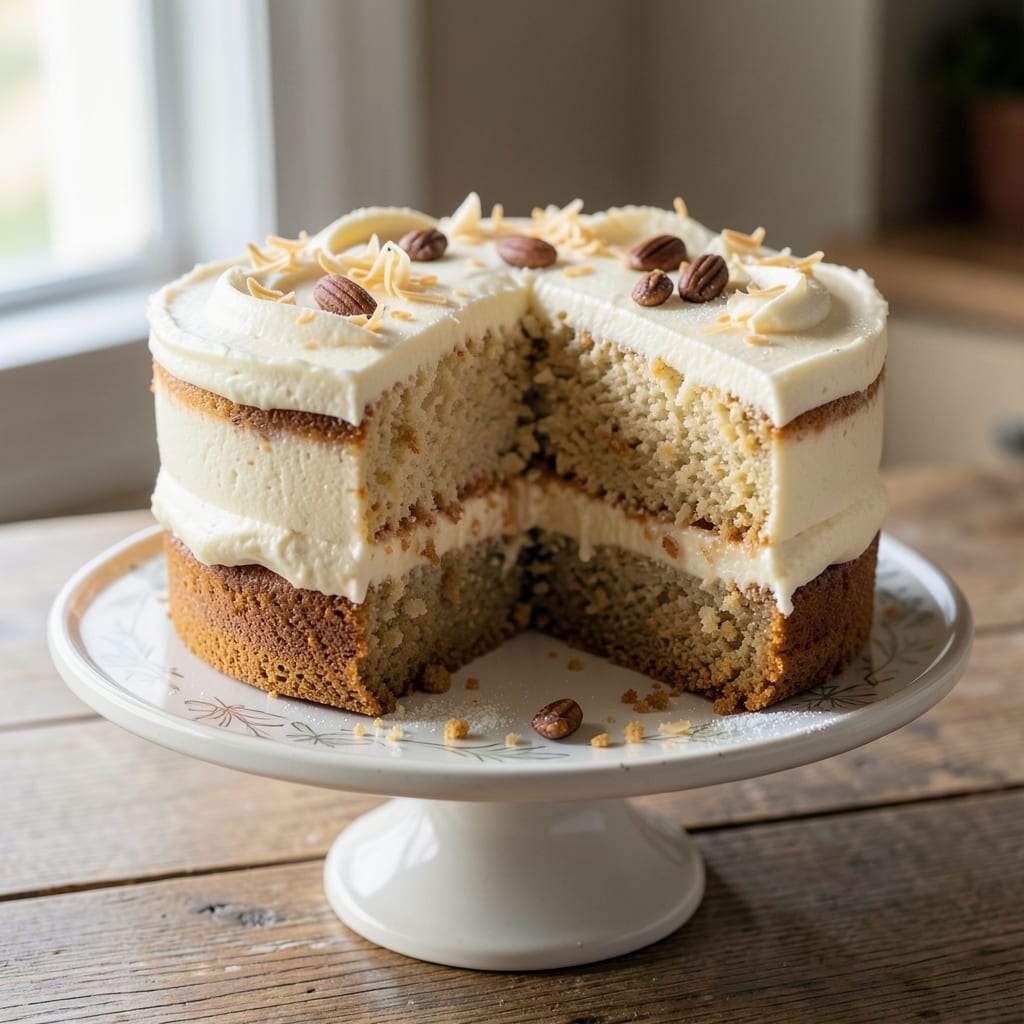
The America's Test Kitchen coconut cake recipe delivers layers of ultra-moist vanilla cake with a toasted coconut crunch that rivals any bakery version. 💛 Precision is key here—this isn't your average coconut cake, but a scientifically balanced dessert where every ingredient plays a role in achieving that perfect texture and flavor.
What sets this recipe apart is the combination of buttermilk and sour cream, which guarantees a tender crumb without drying out. The toasted coconut topping adds a delightful contrast to the soft cake layers, while a simple coconut cream frosting ties everything together with its signature tropical sweetness.
By following the exact measurements and techniques, you'll achieve a cake that's moist for days, with a golden crust and just the right amount of coconut flavor in every bite. The secret lies in the baking time and temperature—too hot, and the cake dries out; too cool, and it won't rise properly.
This recipe is perfect for special occasions or when you want to impress guests with a dessert that looks and tastes like it came from a professional kitchen. Let's get started on creating your perfect coconut cake!
Ingredients for america's test kitchen coconut cake
Precision ingredients for a bakery-style coconut cake with moist layers and toasted crunch.
| Ingredient | Amount | Notes |
|---|---|---|
| All-Purpose Flour 🌾 | 2 ½ cups | Sifted for even texture |
| Granulated Sugar 🍚 | 2 cups | White or light brown |
| Unsalted Butter 🧈 | 1 ½ cups | Room temperature, not melted |
| Buttermilk 🥛 | 1 ½ cups | Room temperature preferred |
| Large Eggs 🥚 | 3 whole | Room temperature for best mixing |
| Sour Cream 🍦 | ½ cup | Full-fat for moisture |
| Vanilla Extract 🌿 | 2 tsp | Pure alcohol-free preferred |
| Baking Powder 🧂 | 2 tsp | Aluminum-free for best rise |
| Salt 🧂 | ½ tsp | Diamond Crystal preferred |
| Shredded Coconut 🥥 | 1 ½ cups | Unsweetened, toasted |
| Brown Sugar 🍚 | ½ cup | Packed firmly |
| Coconut Cream 🥥 | 1 cup | Chilled overnight for best texture |
| Powdered Sugar 🍚 | 2 cups | For smooth frosting |
| Lemon Zest 🍋 | 1 tbsp | Freshly grated |
The butter and buttermilk combo is non-negotiable here—this is what guarantees that ultra-moist crumb. Crisco or vegetable shortening won't give the same tender texture, so grab the real deal. For the coconut, Trader Joe's unsweetened shredded coconut toasts beautifully, but any brand works if it's labeled unsweetened. The eggs need to be room temperature, so pull them out 30 minutes before mixing. And that vanilla? Pure extract (not imitation) makes all the difference—trust me, your cake will thank you.
No buttermilk? Mix 1.5 tbsp lemon juice or vinegar with 1.5 cups milk and let sit for 5 minutes. Running short on coconut cream? Full-fat coconut milk chilled overnight works in a pinch. The frosting can be made ahead (it actually improves overnight), but the cake itself is best served fresh. For extra insurance against dryness, brush the layers with a simple syrup made from equal parts sugar and water before frosting. And if you're feeling fancy, add a pinch of ground cardamom to the batter—it pairs beautifully with coconut.
Store the cake components separately: frosting in an airtight container in the fridge for up to 5 days, and the cake layers wrapped tightly for 3 days. The toasted coconut topping? Keep it in a sealed bag for 1 week—it stays crunchy. For serving, let the cake sit at room temperature for 30 minutes before slicing. And if you're making this ahead for a party, assemble the cake a day in advance and refrigerate—it actually tastes better after the flavors meld overnight.
Why You'll Love This Recipe
- No Mixer Needed: I swear by this recipe when I’m too tired to pull out the stand mixer—just a bowl and a whisk. The butter gets creamed with sugar until it’s light and airy, and the buttermilk keeps the crumb tender without requiring fancy techniques.
- Tropical Comfort in One Bite: That coconut flavor isn’t cloying or sweet like some boxed cakes—it’s bright and balanced, thanks to the buttermilk cutting through the richness. Honestly, the first slice makes me forget I’m not on a beach somewhere.
- Birthday or Breakfast: Serve it warm with vanilla ice cream for a crowd-pleasing dessert, or slice it thin for a decadent breakfast toast with butter. I’ve even used leftover crumbs to top yogurt—because why waste cake?
- Budget-Friendly Luxury: This cake costs me pennies to make but tastes like it came from a bakery. The butter and eggs deliver that rich texture, while the flour and sugar stretch further than pricier recipes. Plus, it keeps for days without drying out.
Step-by-step instructions for america's test kitchen coconut cake
Here's how to bake layers of ultra-moist coconut cake with perfect crunch—just like the experts!
👨🍳 Step 1: Toast the Coconut for Maximum Crunch
Preheat your oven to 325°F and spread the 1.5 cups shredded coconut evenly on a baking sheet. Toast for 8-10 minutes until golden brown and fragrant—stir halfway to ensure even browning. This step creates that irresistible crunch we all love. Let the toasted coconut cool completely before using, or it'll make your cake greasy.
Here's the thing—don't skip this toasting step. The heat deepens the coconut flavor and removes excess moisture that could make your cake dense. I like to spread it in a single layer so every flake gets properly browned. Watch for golden brown color and a nutty aroma—those are your cues it's ready.
🍳 Step 2: Cream Butter and Sugars for Light Texture
In a stand mixer fitted with the paddle attachment, beat the 1.5 cups unsalted butter (room temperature) with the 2 cups granulated sugar on medium speed for 3-4 minutes until light and fluffy. Scrape down the sides of the bowl once to ensure even mixing. This creaming process incorporates air, which creates that tender crumb we're after.
I always check for two things here: the mixture should nearly double in volume and look pale in color. If it still looks grainy, beat for another 30 seconds. The reason we wait until the butter is room temperature is that cold butter won't cream properly—it'll just turn into a lump of dough. Add the 1 tbsp lemon zest now and mix for 10 seconds to distribute that bright citrus flavor.
👨🍳 Step 3: Mix Wet Ingredients for Ultra-Moist Layers
In a separate bowl, whisk together the 1.5 cups buttermilk, 3 whole eggs, 0.5 cup sour cream, and 2 tsp vanilla extract. The buttermilk should be room temperature for best results—it mixes more smoothly and helps create that tender crumb. Gradually add this mixture to the butter-sugar combination, mixing on low speed just until combined.
Don't overmix here—just until the wet ingredients are incorporated. I like to use a rubber spatula to fold in the last bit by hand to avoid developing gluten. The secret to that ultra-moist texture? The combination of buttermilk and sour cream adds moisture without making the cake dense. If your batter looks too thick, it's okay—we'll add the dry ingredients next to lighten it up.
🥘 Step 4: Combine Dry Ingredients for Perfect Rise
In another bowl, sift together the 2.5 cups all-purpose flour, 2 tsp baking powder, and 0.5 tsp salt. Gently fold this mixture into the wet ingredients using a spatula, mixing just until no flour streaks remain. Then fold in the 1.5 cups toasted coconut and 0.5 cup brown sugar—this is where that caramelized coconut flavor really comes through.
Real talk: don't overmix now. You want to maintain those air pockets created during creaming. The batter should be thick but pourable. If it's too stiff, you might need to add 1-2 tablespoons of buttermilk to loosen it. The coconut should be evenly distributed throughout the batter—save a few tablespoons for the crumb topping if you're feeling fancy.
⏰ Step 5: Bake and Layer for Professional Results
Divide the batter evenly between two 8-inch round cake pans lined with parchment paper. Bake at 350°F for 25-30 minutes or until a toothpick inserted in the center comes out clean. I like to rotate the pans halfway through for even baking. Let the cakes cool in the pans for 10 minutes before transferring to a wire rack to cool completely.
While the cakes cool, make the coconut cream frosting by beating the 1 cup coconut cream (chilled overnight) with the 2 cups powdered sugar on medium speed until smooth and fluffy. This should take about 2-3 minutes. The chilled coconut cream whips up beautifully—don't skip this step if you want that perfect piping consistency.
🎂 Step 6: Assemble and Decorate Like a Pro
Level the tops of your cooled cakes if needed, then place one layer on a plate. Spread a generous layer of the coconut cream frosting, then add the second cake layer. Frost the top and sides completely, then press the reserved toasted coconut onto the sides for that classic coconut cake look. Chill for 30 minutes before slicing to let the frosting set.
Here's where it gets fun—slice into that moist, tender crumb with coconut crunch in every bite. The lemon zest adds a subtle brightness that cuts through the sweetness, while the toasted coconut gives that satisfying texture contrast. Serve with a dollop of extra coconut cream on top if you're feeling extra decadent!
Pro Tips For Making America'S Test Kitchen Coconut Cake
- Whisk Butter and Sugar: DESCRIPTION:
- Measure Buttermilk Precisely: DESCRIPTION:
- Don’t Overmix the Batter: DESCRIPTION:
- Bake Until Internal Temp Hits 205°F: DESCRIPTION:
Troubleshooting your america's test kitchen coconut cake
Cake Too Dense?
If your coconut cake turns out dense rather than light and fluffy, it’s likely due to overmixing the batter or using cold ingredients. The buttermilk and sour cream need to be at room temperature—cold dairy won’t incorporate properly. Also, avoid overmixing after adding the dry ingredients, as this develops gluten and creates a tough texture. For extra insurance, whisk the eggs separately before adding them to the wet mixture. 💡
Cracked Top?
Cracks in the cake’s surface usually happen when the oven temperature fluctuates or the batter is too dry. To prevent this, ensure your oven is fully preheated to 350°F and avoid opening the oven door during the first 20 minutes of baking. If your batter looks too thick, add 1-2 tablespoons of buttermilk to loosen it before baking. A cracked top won’t ruin the flavor, but it’s a sign your cake needs a little more moisture.
Dry or Crumbly Cake?
Dryness is often caused by overbaking or using too much flour. Always check for doneness with a toothpick—it should come out with a few moist crumbs, not completely clean. If your cake dries out quickly, try brushing the layers with simple syrup (equal parts sugar and water) before frosting. For extra moisture, add 1 tablespoon of coconut milk to the batter—it enhances tenderness without altering the flavor.
Frosting Too Thin?
The coconut cream frosting may turn out runny if the coconut cream wasn’t chilled properly or if the powdered sugar wasn’t added gradually. Always chill the coconut cream overnight to ensure it whips up thick and fluffy. If your frosting is too thin, add 1-2 tablespoons of powdered sugar at a time while mixing. For a stiffer frosting, try using coconut milk whipped cream instead—it holds its shape better for piping.
Coconut Not Crunchy?
If your toasted coconut topping loses its crunch, it likely wasn’t cooled completely before mixing into the batter or pressing onto the cake. Let the toasted coconut cool on a wire rack for at least 15 minutes before using. For extra crunch, store the leftover toasted coconut in an airtight container at room temperature—it’ll stay crisp for up to 1 week. If your cake’s coconut topping is soft, try toasting it again for 2-3 minutes before pressing it onto the frosting.
Uneven Rise?
An uneven rise can happen if the batter isn’t distributed evenly between the pans or if the oven isn’t hot enough. Always use a kitchen scale to divide the batter precisely, and tap the pans gently on the counter before placing them in the oven to release any air bubbles. If your cakes rise unevenly, try baking them on the middle rack instead of the top or bottom for more consistent heat distribution. 🔥
Nutrition facts
Frequently asked questions
Can I make this coconut cake without buttermilk?
Mix 1.5 tbsp lemon juice or white vinegar with 1.5 cups milk and let sit for 5 minutes to replace the buttermilk. This substitution works perfectly and maintains the cake's ultra-moist texture. The acidity helps activate the baking powder for a proper rise.
How do I prevent the cake from sticking to the pans?
Line your 8-inch round cake pans with parchment paper circles cut to fit the bottom and sides. Lightly grease the parchment with butter or coconut oil before adding the batter. This ensures easy release and prevents sticking. For extra insurance, dust the pans with flour after greasing.
Can I use sweetened coconut instead of unsweetened?
While you can use sweetened coconut, it will make your cake significantly sweeter. If using sweetened, reduce the granulated sugar by ¼ cup to balance the flavor. The recipe is designed for unsweetened coconut to let the cake's natural sweetness shine through.
How long can I store the cake layers before frosting?
Wrap cooled cake layers tightly in plastic wrap and store at room temperature for up to 3 days. For longer storage, refrigerate for up to 5 days. The frosting can be made ahead and stored separately in an airtight container for the same duration.
What's the best way to make this cake gluten-free?
Replace the all-purpose flour with a 1:1 gluten-free baking flour blend that includes xanthan gum. You may also need to add ½ tsp extra baking powder and reduce the buttermilk by 2 tbsp to account for moisture differences in gluten-free flours.