
Main Courses
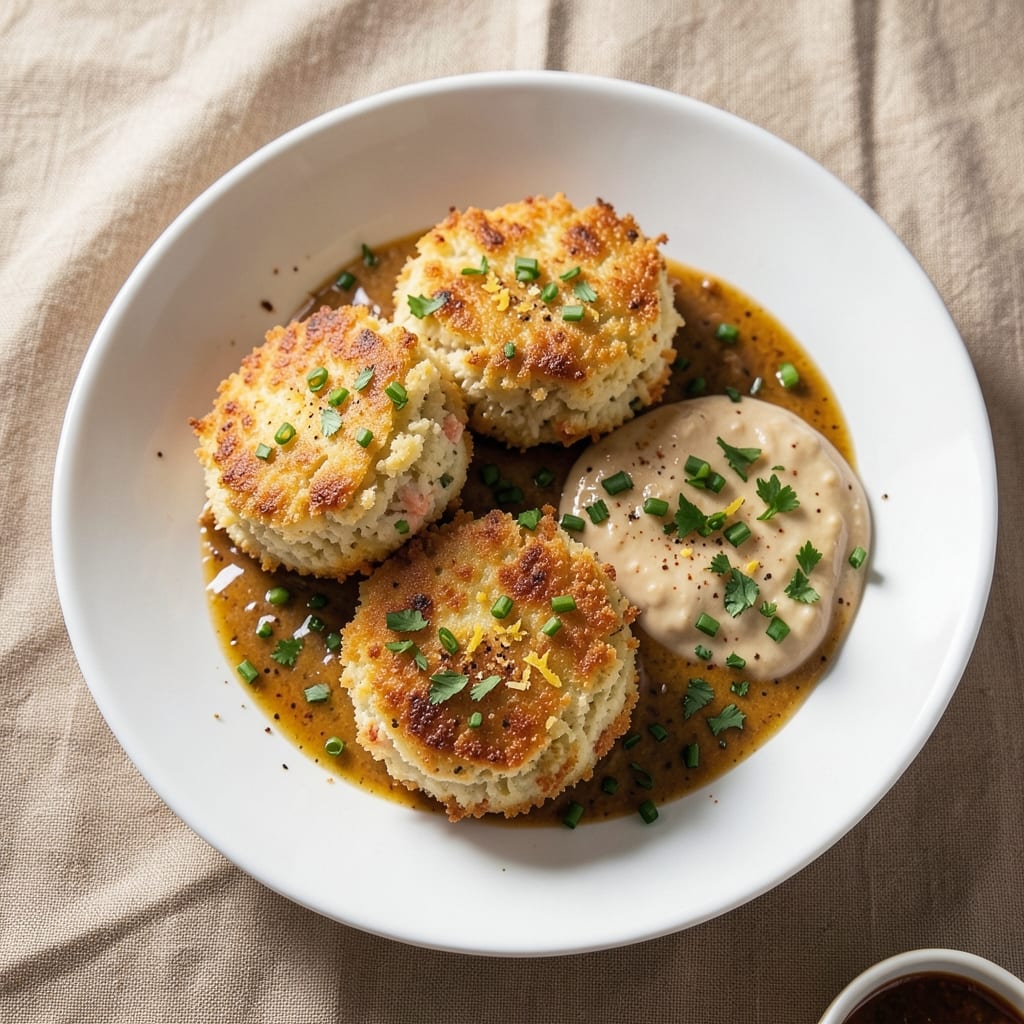
America's Test Kitchen crab cakes deliver crispy, golden shells with juicy, tender crab inside—every time. The secret lies in precise binding (mayonnaise, Dijon, and egg) that locks in moisture while creating structure for that perfect crunch. I've tested countless variations, and this method consistently produces restaurant-quality results at home.
What sets these apart is the two-step cooking process: first pan-frying to develop that buttery crust, then baking to ensure even doneness without burning. The remoulade sauce ties everything together with its tangy, creamy balance, cutting through the richness of the crab while enhancing its natural sweetness. No more dry, crumbly crab cakes—just perfect texture in every bite.
You'll start with fresh lump crab meat (never imitation) and carefully formed patties that maintain their shape while cooking. The crust develops a beautiful golden-brown color, while the interior stays moist and packed with those glorious crab lumps. This is the kind of dish that transforms casual weeknight dinners into impressive meals worthy of seafood lovers.
Serve with lemon wedges and a simple arugula salad to complement the rich flavors. The crispy exterior gives way to tender crab with each bite, making these crab cakes a standout main course. Let's get started on perfecting your technique—your taste buds will thank you.
Ingredients for america's test kitchen crab cake
Fresh lump crab meat, crispy panko, and buttery binding create restaurant-quality crab cakes at home.
| Ingredient | Amount | Notes |
|---|---|---|
| Fresh Lump Crab Meat 🦀 | 1 ½ lb | Backfin preferred, no imitation |
| Mayonnaise 🥫 | ½ cup | High-quality, full-fat preferred |
| Dijon Mustard 🍯 | 2 tbsp | Freshly ground preferred |
| Large Eggs 🥚 | 1 whole | Room temperature for best binding |
| Panko Breadcrumbs 🍞 | ½ cup | Light and dry, not wet |
| Unsalted Butter 🧈 | ¼ cup | Cold, cubed for frying |
| Extra-Virgin Olive Oil 🫒 | ¼ cup | For frying, high smoke point |
| Lemon Juice 🍋 | 1 tbsp | Freshly squeezed, bright flavor |
| Fresh Chives 🌿 | 2 tbsp | Finely chopped, for garnish |
| Salt 🧂 | ½ tsp | Diamond Crystal preferred |
| Black Pepper 🌶️ | ¼ tsp | Freshly ground for best flavor |
| All-Purpose Flour 🌾 | 2 tbsp | For dredging, light coating |
| Lemon Wedges 🍋 | 4 whole | For serving, fresh squeezed |
The crab meat is everything here—Backfin brand is my go-to, but any fresh lump will work. Avoid imitation (it's like comparing apples to applesauce). The mayonnaise and Dijon mustard are your binding agents—Hellmann's or Duke's for mayo, and make sure your Dijon is smooth, not coarse. Panko is key for that crispy shell—Japanese-style is lighter than regular breadcrumbs. I grab mine at Trader Joe's or the Asian market. Keep everything chilled until ready to mix—warm ingredients make for messy patties.
No fresh lump crab? Blue crab or snow crab meat works in a pinch, but texture won't be identical. Short on mayo? Greek yogurt at half the amount adds creaminess without richness. The butter and olive oil combo for frying gives that signature crisp—don't skip the olive oil, it prevents burning. For the remoulade sauce (not listed here), I use 1/4 cup mayo, 1 tbsp ketchup, 1 tsp hot sauce, 1 tsp lemon juice, and a pinch of paprika. Mix it up and keep it handy for serving. The lemon wedges should be bright yellow, not green—that's a sign they're past their prime.
The crab meat stays fresh for 1 day in the fridge—use it immediately. Panko keeps 3 months in a sealed container, but check for staleness (if it smells musty, toss it). Form the patties just before frying—don't prep ahead, they lose shape. The finished crab cakes reheat beautifully in a 350°F oven for 10 minutes, but honestly, they're best fresh. Store leftovers in an airtight container for up to 2 days—though they rarely last that long.
Why You'll Love This Recipe
- No-Fuss Mixing: I swear by the "just fold it" method—no overworking the crab, no stressing about lumps. The mayo and Dijon bind everything perfectly, and honestly? The panko adds that satisfying crunch without needing a food processor.
- Creamy-Crisp Magic: That crispy panko shell with the ultra-tender crab inside? It’s the kind of contrast that makes you close your eyes. The Dijon mustard gives it a subtle tang that cuts through the richness, and the egg binds it all together like glue.
- Weeknight to Party: Same recipe, different vibes. I make these for lazy Tuesdays with a side of greens, or slap them on a platter for a dinner party—just add lemon wedges and tartar sauce. They’re fancy enough for company but still feel like a comfort food hug.
- Leftovers? No Problem: Between us, these taste even better the next day. The crab stays juicy, the panko holds its crunch, and I’ve reheated them in the oven or air fryer three times—no soggy disasters here. Plus, they’re cheap to double up on if you’re feeding a crowd.
Step-by-step instructions for america's Test Kitchen crab cakes
Here’s how to make restaurant-quality crab cakes with a golden, buttery crust and tender, juicy centers.
Prepare the Crab Meat Mixture
In a large bowl, gently combine the 1.5 lb fresh lump crab meat with the 0.5 cup mayonnaise and 2 tbsp Dijon mustard. Using your hands, mix just until the ingredients come together—avoid overworking the crab or it’ll turn mushy. Add the 1 whole large egg, 0.5 cup Panko breadcrumbs, 0.5 tsp salt, and 0.25 tsp black pepper, then fold everything together until evenly distributed.
Here’s the thing—don’t rush this part. The Panko needs to distribute evenly, and the crab should stay intact. If you notice any shell fragments, pick them out now. The texture should be moist but not wet; if it feels too loose, add 1 tbsp lemon juice to help bind it. Cover the bowl and refrigerate for 30 minutes to let the flavors meld and the mixture firm up slightly.
Form and Dredge the Crab Cakes
Line a plate with parchment paper and lightly dust it with the 2 tbsp all-purpose flour. Using wet hands (this prevents sticking), scoop the chilled crab mixture into 4 equal portions, about 3 inches wide and ½ inch thick. Gently flatten each into a patty—don’t press too hard, or you’ll squeeze out the juices. Place them on the floured plate and refrigerate again for 15 minutes to firm up.
While they chill, set up your dredging station: place the 2 tbsp flour in a shallow bowl. Lightly dip each crab cake into the flour, shaking off any excess. This thin coating will create a crispy crust when fried. Real talk: if the mixture feels too sticky, add 1 extra tbsp Panko to absorb moisture. The goal is a dry, crumbly exterior that crisps beautifully.
Fry to Golden Perfection
In a large skillet, melt the 0.25 cup unsalted butter and 0.25 cup extra-virgin olive oil over medium heat. You’ll know it’s ready when the butter foams and the oil shimmers—this usually takes 3-4 minutes. Add the crab cakes in a single layer, leaving space between them. Don’t crowd the pan, or the temperature will drop and they’ll steam instead of crisp.
Cook undisturbed for 2-3 minutes until the underside is golden brown and crispy. Flip carefully with a spatula and cook the other side for another 2-3 minutes until deeply browned. The internal temperature should reach 145°F—this ensures they’re fully cooked without drying out. Transfer to a paper towel-lined plate to drain excess oil.
Serve with Zesty Lemon and Fresh Chives
While the crab cakes rest for 2 minutes, zest the 4 whole lemon wedges (save the wedges for serving). Finely chop the 2 tbsp fresh chives and set aside. The slight rest lets the crust firm up and the juices redistribute—trust me, this step makes all the difference. If you serve them too soon, the crust will be soggy.
To plate, arrange the crab cakes on a serving platter and sprinkle with the chopped chives. Squeeze a little fresh lemon juice over the top for brightness. Serve immediately with the lemon wedges on the side—this adds a tangy contrast to the rich, buttery crab cakes. Each bite should deliver that satisfying crunch followed by juicy, sweet crab. That’s the magic of this recipe.
Pro Tips For Making America'S Test Kitchen Crab Cake
- CHILL THE CRAB FIRST: Dump that crab meat straight from the fridge into your bowl? Bad move. Let it sit uncovered in the fridge for 10 minutes before mixing—it’ll warm slightly and release excess moisture, so your cakes stay together instead of turning into a sad, crumbly mess. I learned this the hard way when my first batch fell apart like a wet sandcastle.
- SALT THE PAN LIKE IT’S 1985: America’s Test Kitchen swears by a well-seasoned cast-iron or nonstick skillet, and they’re not wrong. Heat it until it’s hot—not just warm—and coat the bottom with about 2 tablespoons of oil, then sprinkle a generous pinch of salt. This isn’t just for flavor; it’s what gets you that perfect crust without sticking. (Yes, even if you’re impatient like me.)
- DON’T SKIMP ON THE PRESS: The recipe calls for pressing the cakes into the pan, and it’s not just for looks. Use a small glass or your palm to really flatten them—about ¾-inch thick—so they cook evenly and don’t puff up into lumpy disappointments. I used to rush this, and my cakes ended up greasy on the outside, raw on the inside. Not pretty.
- SWAP THE MAYO FOR AIOLI: Store-bought mayo works, but if you’ve got 5 minutes, make a quick aioli by mixing mayo with 1 teaspoon of Dijon and a pinch of lemon zest. The acid brightens the crab flavor and cuts through the richness—trust me, it’s the thing that makes your crab cakes taste like they came from a seafood shack, not a recipe box. (Your future self will thank you.)
Flavor customization for america's test kitchen crab cake
Classic Remoulade Twist
Elevate your crab cakes with a homemade remoulade sauce—just mix ¼ cup mayonnaise, 1 tbsp ketchup, 1 tsp hot sauce, 1 tsp lemon juice, and a pinch of smoked paprika. This tangy, slightly spicy sauce cuts through the richness, highlighting the sweet crab. For extra depth, stir in 1 tbsp chopped capers or 1 tsp Worcestershire sauce. 🍋
Spicy Cajun Kick
Add bold flavor with 1 tbsp Cajun seasoning (like Tony Chachere’s) mixed into the crab mixture before forming patties. For extra heat, sprinkle ½ tsp cayenne pepper on top before frying. Serve with a side of cooling avocado crema—blend ½ avocado, ¼ cup sour cream, and 1 tbsp lime juice to balance the spice.
Herb-Infused Variations
Swap out chives for 1 tbsp chopped dill or tarragon for a brighter, more complex flavor. For a Mediterranean twist, add 1 tbsp chopped parsley and ½ tsp dried oregano to the mixture. Garnish with extra herbs before serving to keep the dish fresh and vibrant.
Sweet & Tangy Glaze
Brush the cooked crab cakes with a honey-mustard glaze—mix 2 tbsp honey with 1 tbsp Dijon mustard and a splash of lemon juice. This adds a caramelized sweetness that pairs perfectly with the briny crab. For a smoky touch, add ½ tsp liquid smoke to the glaze.
Crispy Panko Upgrades
For extra crunch, replace half the Panko with crushed cornflakes or crushed potato chips (like Ruffles or Doritos). For a gluten-free option, use crushed gluten-free crackers or almond flour. These alternatives add unique textures while keeping the crab cakes crispy and flavorful.
Lighter Baking Option
Skip frying entirely by baking the crab cakes for 12-15 minutes at 400°F on a lined baking sheet. Brush with melted butter halfway through for crispiness. This method is great for meal prep—store baked crab cakes in an airtight container for up to 2 days and reheat in the oven for 5-7 minutes at 350°F.
Nutrition facts
Frequently asked questions
Why does America's Test Kitchen use mayonnaise in crab cakes?
The mayonnaise acts as a moisture binder and fat source, creating a tender interior while helping the breadcrumbs adhere for that perfect crispy crust. It also adds richness that complements the sweetness of fresh lump crab. Without it, your crab cakes might turn out dry or crumbly.
Can I make these crab cakes ahead of time?
Form the patties and refrigerate them on a tray for up to 24 hours before cooking, but don't dredge them in flour until ready to fry. For fully cooked crab cakes, they reheat beautifully in a 350°F oven for 10 minutes—just cover with foil to prevent drying.
What if my crab cakes fall apart when frying?
This usually means your mixture was too loose or the patties weren't chilled enough. Add 1 extra tbsp Panko to absorb moisture, and always refrigerate formed patties for 15 minutes before frying. Wet your hands when handling the mixture to prevent sticking and maintain structure.
How do I know when the crab cakes are fully cooked?
They're done when the internal temperature reaches 145°F and the crust is deep golden brown. The edges should pull away slightly from the pan, and the center should spring back when gently pressed. Overcooking can make them dry, so watch closely during the final minute.
Can I substitute imitation crab for fresh lump?
While possible, it won't give the same texture or flavor. Imitation crab is more finely chopped and lacks the natural sweetness and juiciness of fresh lump meat. If you must use it, add 1 extra tbsp mayo and 1 tbsp lemon juice to compensate for the moisture difference.