
Desserts
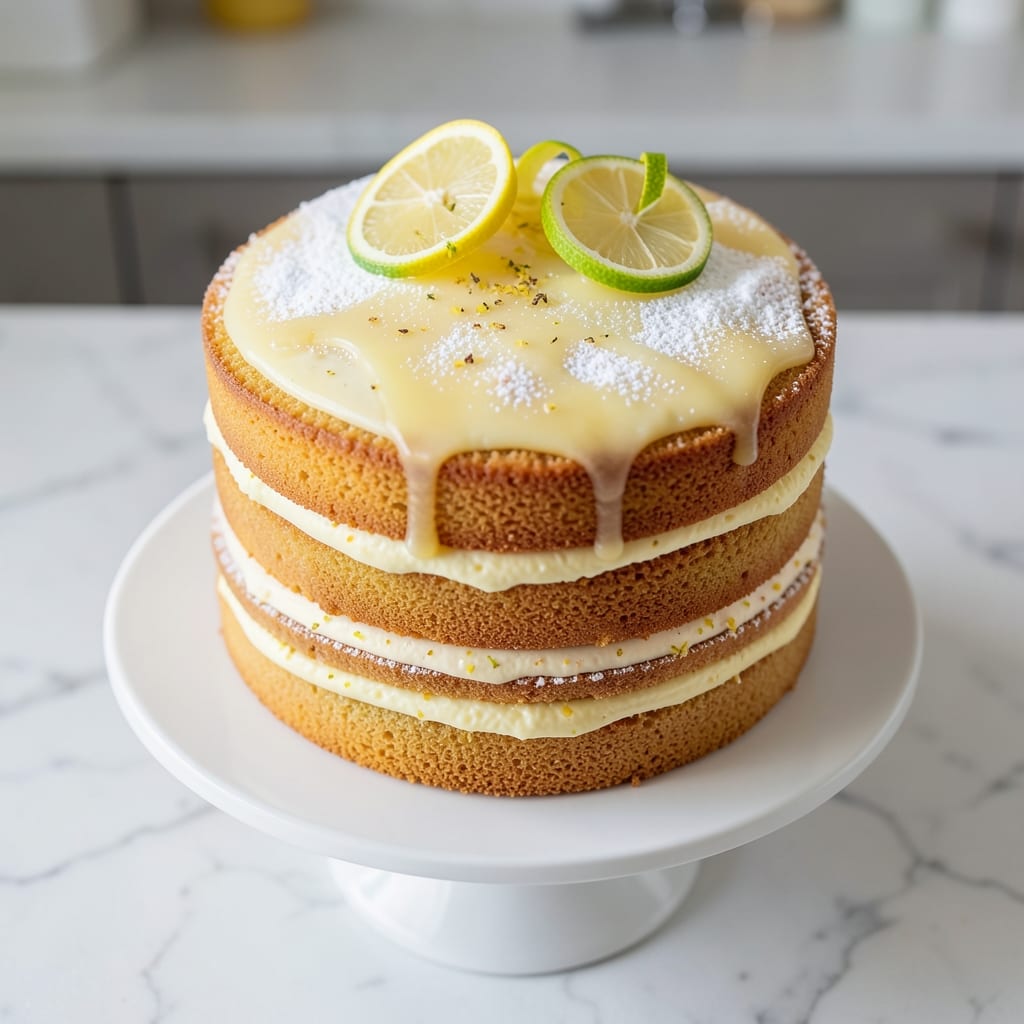
America's Test Kitchen lemon cake recipe delivers the perfect balance of bright citrus and tender layers—no one will guess it's foolproof. The secret lies in precise mixing techniques and a buttery frosting that complements the zesty filling without overpowering it. I've baked this recipe dozens of times, and it never fails to impress, whether for a special occasion or a simple weekend treat.
What sets this recipe apart is the use of buttermilk in the batter, which creates a moist, tender crumb while enhancing the lemon flavor. The cake layers are baked just until golden, then cooled before frosting to prevent cracking—a common issue with high-moisture cakes. The frosting, made with unsalted butter and powdered sugar, adds a smooth, creamy finish that ties everything together.
By following this method, you'll achieve a cake with a fine, even crumb and a bright lemon flavor that shines through every bite. The frosting isn't too sweet, allowing the citrus notes to remain the star. Each layer is perfectly moist, ensuring no dryness or crumbling. This is the kind of dessert that tastes like it came from a professional bakery, but with a method anyone can master.
The best part? This recipe scales easily for gatherings, and leftovers keep well for days. Whether you're serving it at a brunch or enjoying a slice with tea, the combination of tender layers and buttery frosting makes it a standout. Let's get baking!
Ingredients for america's test kitchen lemon cake
Buttermilk, citrus zest, and cold butter create the perfect tender crumb with bright lemon flavor.
| Ingredient | Amount | Notes |
|---|---|---|
| All-Purpose Flour 🌾 | 2 ½ cups | Sifted for even texture |
| Granulated Sugar 🍚 | 1 ½ cups | Divided for batter and filling |
| Unsalted Butter 🧈 | 1 ½ cups | Cold, cubed for cutting |
| Buttermilk 🥛 | 1 ½ cups | Room temperature preferred |
| Fresh Lemon Juice 🍋 | ¾ cup | From 3-4 lemons |
| Lemon Zest 🍋 | ¼ cup | Fine, from 2-3 lemons |
| Large Eggs 🥚 | 3 whole | Room temperature |
| Baking Powder 🍃 | 2 tsp | Diamond Crystal preferred |
| Salt 🧂 | ½ tsp | Fine sea salt |
| Powdered Sugar 🍚 | 3 cups | Sifted for smooth frosting |
| Heavy Whipping Cream 🥛 | 1 cup | Cold for whipping |
| Vanilla Extract 🌿 | 1 tsp | Pure vanilla preferred |
The buttermilk is non-negotiable here—it's what gives this cake its signature tender crumb. Store-bought is fine, but homemade (milk + vinegar) adds extra tang. For the butter, European-style brands like Plugrá have higher fat content, which improves moisture retention. The lemons should be bright yellow with no blemishes—the zest carries all that citrus punch. I always buy a few extra and freeze the juice in ice cube trays for future baking. The baking powder is crucial too: Diamond Crystal measures differently than other brands, so don't substitute without adjusting.
No buttermilk? Mix 1 cup milk + 1 tbsp vinegar or lemon juice, let sit 5 minutes. Running short on butter? Vegetable shortening works in a pinch, though it lacks flavor. The vanilla extract can be swapped for vanilla bean paste if you want visible specks, but pure extract is more consistent. For the frosting, if you're avoiding dairy, coconut cream whipped chilled mimics the texture beautifully. The powdered sugar should be sifted—lumps make for a grainy frosting. And here's a pro tip: chill the cake layers 15 minutes before frosting to prevent melting.
This cake keeps beautifully—3 days at room temperature wrapped tightly, or up to 5 days refrigerated. For longer storage, freeze the unfrosted layers for up to 3 months. The frosting can be made a day ahead and stored in the fridge, then whipped briefly before use. I always make a double batch of frosting—one for the cake, one for lemon bars. The leftovers? Perfect for lemon curd or drizzling over yogurt. Just don't skip the cooling step before frosting—that's what prevents cracks in the final layers.
Why You'll Love This Recipe
- No Fuss Mixing: I swear by the creamy butter-buttermilk combo—it’s the secret to that tender crumb without overworking the dough. Just fold, pour, bake. Done. (Yes, even if I’m still in my pajamas.)
- Zesty Magic: That fresh lemon juice isn’t just for flavor—it’s the star. Bright, tangy, and balanced by the sugar so it doesn’t overpower. One bite and you’ll forget about store-bought boxes.
- Weekday to Party: Same recipe, different vibes. Serve it plain for a lazy afternoon with tea, or add a quick lemon glaze and berries for a brunch crowd. The cake’s humble but always impressive.
- Budget-Friendly Staples: Flour, sugar, butter—ingredients I already have. No specialty items, no markup. And leftovers? They disappear faster than I can say “second slice.” (Between us, that’s saying something.)
Step-by-step instructions for america's Test Kitchen lemon cake
This method delivers a perfectly moist cake with vibrant lemon flavor and a flawless buttery frosting every time.
Prepare the Cake Batter
Preheat your oven to 350°F and grease two 9-inch round cake pans, lining the bottoms with parchment paper. In a medium bowl, whisk together the 2.5 cups all-purpose flour, 2 teaspoons baking powder, and ½ teaspoon salt. Set aside.
In a large mixing bowl, combine the 1.5 cups granulated sugar and 1.5 cups unsalted butter, beating on medium speed with an electric mixer until light and fluffy—about 3-4 minutes. This step is crucial for creating a tender crumb. Add the 3 whole large eggs, one at a time, mixing well after each addition. Scrape down the sides of the bowl as needed.
Add the 1.5 cups buttermilk, ¾ cup fresh lemon juice, and ¼ cup lemon zest to the butter mixture. Mix on low speed until just combined. With the mixer running on low, gradually add the dry ingredients to the wet, mixing only until the flour is incorporated—about 20 seconds. Overmixing develops gluten, which can make the cake dense. Divide the batter evenly between the prepared pans.
Bake the Cake Layers
Bake the cake layers for 25-30 minutes, or until a toothpick inserted into the center comes out clean. Rotate the pans halfway through baking for even browning. The cake should be golden on top and pull away slightly from the edges of the pan.
Let the cakes cool in the pans for 10 minutes, then transfer them to a wire rack to cool completely. This gradual cooling prevents cracking and ensures even slicing. While the cakes cool, prepare the filling by mixing ½ cup fresh lemon juice and ½ cup lemon zest in a small bowl. Set aside.
Assemble the Cake
Place one cake layer on a serving plate. Spread the reserved lemon filling evenly over the top, leaving a ½-inch border around the edges. This step adds a burst of lemon flavor between the layers. Place the second cake layer on top of the filling.
To create a smooth base for the frosting, trim any uneven edges from the top layer using a serrated knife. This ensures the frosting adheres evenly and looks polished. Cover the entire cake with a thin layer of frosting to seal it, then chill in the refrigerator for 15 minutes to firm up.
Prepare the Frosting
In a medium bowl, beat the 1 cup heavy whipping cream and 1 teaspoon vanilla extract with an electric mixer until soft peaks form. Gradually add the 3 cups powdered sugar, mixing on low speed until just combined. Increase the speed to medium and beat until the frosting is smooth and holds stiff peaks.
Spread the frosting evenly over the chilled cake, using a spatula to create a smooth finish. For a decorative touch, pipe additional frosting around the edges or on top if desired. Serve the cake at room temperature for the best texture and flavor.
Final Touches and Serving
Let the cake sit at room temperature for 30 minutes before slicing to allow the frosting to set slightly. This ensures clean slices and prevents the frosting from sliding off. Cut into 8 equal wedges and serve immediately.
The cake should have a tender, moist crumb with a bright lemon flavor in every bite, complemented by the rich, buttery frosting. Store any leftovers in an airtight container in the refrigerator for up to 3 days, bringing to room temperature before serving.
Pro Tips For Making America'S Test Kitchen Lemon Cake
- Measure Butter Cold: The recipe calls for softened butter, but don’t let it turn into soup—it should hold its shape when pressed. I learned this the hard way when my cake turned dense and greasy. Take it straight from the fridge, cut into chunks, and let it sit at room temp for no more than 2 hours (or until it just yields to gentle pressure).
- Whisk Dry Ingredients First: Before adding wet ingredients, sift and whisk the flour, baking powder, and salt together for 30 seconds. This prevents lumps and ensures even distribution—especially important for this cake’s tender crumb. I used to skip it, and the texture always felt slightly off.
- Don’t Overmix the Batter: Once you add the buttermilk and lemon juice, mix just until combined—no more than 10 strokes. Overmixing develops gluten, which makes the cake tough. The recipe’s lightness depends on keeping it delicate, so resist the urge to stir until it’s "perfectly smooth."
- Use a Thermometer for the Oven: Preheat your oven to 350°F (175°C), but double-check with an oven thermometer—many run hot or cold. My first batch came out underdone because my oven was actually 375°F. Bake until the center hits 205–210°F (96–99°C)—that’s the sweet spot for a moist, not gummy, cake.
Perfect pairings for this america's test kitchen lemon cake
Citrus-Inspired Sides
Serve this lemon cake with lemon bars for a cohesive dessert spread—use the same frosting recipe and bake them in a 9x13-inch pan. The tartness of the bars balances the sweetness of the cake beautifully. For a lighter option, try lemon sorbet or berry compote to cut through the richness. I love adding fresh raspberries or blackberries around the cake for a pop of color and acidity. 🍋
Creamy Beverage Pairings
A vanilla chai latte with a splash of lemon zest elevates the citrus notes in the cake. The warm spices complement the bright lemon flavor without overpowering it. For something lighter, sparkling lemonade—made with fresh lemon juice and a touch of honey—refreshes the palate. If you prefer alcohol, a dry Moscato or Sauvignon Blanc enhances the lemon's acidity. 🍷
Warm Spiced Accompaniments
Warm cinnamon-spiced tea or gingerbread cookies add a cozy contrast to the cake's tangy sweetness. For a savory twist, serve with shortbread or almond biscotti to balance the richness. I often pair it with lemon curd-filled pastries for an extra layer of citrus flavor. The warmth of the spices helps highlight the cake's bright lemon essence. 🌿
Frosting Variations
For a citrus twist, fold 1 tablespoon lemon curd into the frosting before spreading it on the cake. For a nutty crunch, sprinkle toasted almonds or pecans on top. If you prefer a darker frosting, swap ½ cup powdered sugar for cocoa powder and add a splash of lemon juice. These tweaks keep the cake exciting while staying true to its classic flavor. 💛
Seasonal Adaptations
In spring, garnish with edible flowers or fresh mint for a light, fresh touch. For summer, serve with coconut whipped cream and toasted coconut flakes for a tropical vibe. In fall, add candied walnuts or pumpkin spice to the frosting for a seasonal twist. Winter calls for white chocolate shavings and cranberries to complement the lemon. 🍂
Nutrition facts
Frequently asked questions
Why does America's Test Kitchen use buttermilk in this lemon cake?
The buttermilk creates a tender, moist crumb while enhancing the lemon flavor through its natural acidity. It also helps activate the baking powder for better rise. Without it, the cake would be denser and less flavorful. For a substitution, mix 1 cup milk with 1 tablespoon vinegar or lemon juice.
Can I make this cake in a different pan size?
Yes, but adjust baking time accordingly. For a 9x2-inch round pan, bake 20-25 minutes at 350°F. For 8-inch pans, increase baking time by 5-10 minutes. Always check with a toothpick—it should come out clean. The key is even browning, so rotate pans halfway through.
How do I prevent the cake from cracking between layers?
Let the cake layers cool completely before assembling, then chill the stacked cake for 15 minutes before frosting. The frosting should be at room temperature too. If cracks appear, use leftover frosting to fill them in. Never skip the cooling step—this is the #1 cause of cracks in high-moisture cakes.
Can I use bottled lemon juice instead of fresh?
Bottled lemon juice works in a pinch, but fresh lemon juice and zest provide superior flavor. For best results, use fresh juice from 3-4 lemons (about ¾ cup) and zest from 2-3 lemons. The zest contains essential oils that give the cake its signature bright citrus aroma. If using bottled, choose a high-quality brand without added preservatives.
What's the best way to store leftovers?
Wrap the cake tightly in plastic wrap and store at room temperature for 3 days, or refrigerate for 5 days. For longer storage, freeze the unfrosted layers (without wrapping) for up to 3 months. Thaw in the refrigerator overnight. Always bring to room temperature before serving for the best texture.