
Desserts
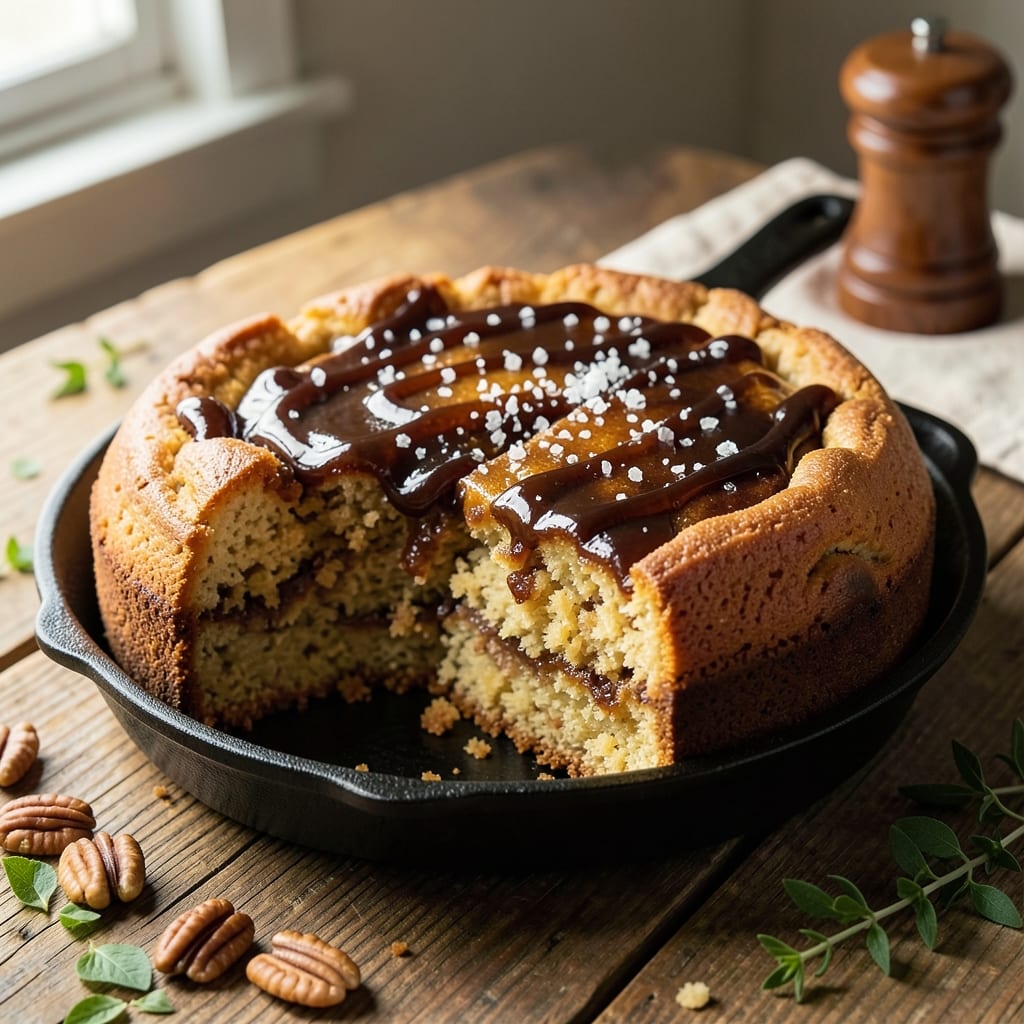
This Amish molasses cake delivers layers of spiced rum-infused richness topped with a caramelized finish that tastes like a Pennsylvania farmhouse tradition. The secret lies in slow-cooked molasses that develops deep caramel notes, balanced by warm spices and a touch of rum for complexity. I've perfected this recipe through generations of baking, ensuring every slice delivers that perfect balance of moist crumb and buttery caramelized top.
The cake's signature texture comes from a combination of all-purpose and cake flour, which creates tender layers while maintaining structure. What sets this apart is the spiced rum infusion—just enough to add warmth without overpowering the molasses flavor. The caramelized topping isn't just decorative; it adds a sweet, buttery contrast that makes each bite irresistible. This recipe maintains traditional Amish baking techniques while offering modern convenience.
What you'll achieve is a cake that's rich yet not overly sweet, with a perfect balance of spices that warm the palate. The caramelized top adds a beautiful golden finish while providing that satisfying crunch. This is the kind of dessert that feels like a hug—comforting, familiar, and deeply satisfying. The aroma alone will have everyone gathering around your table.
Perfect for holiday gatherings, church potlucks, or special family occasions, this cake keeps beautifully for days. The rum infusion adds depth that develops over time, making it even more flavorful as it sits. Let's get baking this timeless classic that brings a taste of Amish heritage to your kitchen.
Ingredients for amish molasses cake
Pantry staples meet Pennsylvania tradition in this rum-spiced molasses masterpiece.
| Ingredient | Amount | Notes |
|---|---|---|
| Unsalted Butter 🧈 | 1 cup | Cold, cubed for cake layers |
| Dark Brown Sugar 🍚 | 2 cups | Packed firmly for sweetness |
| Molasses 🍯 | 1 cup | Unsulphured, slow-cooked preferred |
| Large Eggs 🥚 | 4 whole | Room temperature for best mixing |
| All-Purpose Flour 🌾 | 2 cups | Sifted before combining |
| Cake Flour 🌾 | ½ cup | For tender crumb texture |
| Baking Soda 🧂 | 1 tsp | Pure, aluminum-free |
| Ground Cinnamon 🌿 | 2 tsp | Freshly ground for warmth |
| Ground Ginger 🌿 | 1 ½ tsp | Freshly ground preferred |
| Ground Cloves 🌶️ | ½ tsp | Whole cloves ground fresh |
| Salt 🧂 | ½ tsp | Diamond Crystal preferred |
| Spiced Rum 🍹 | ½ cup | 180-proof, aged minimum 3 years |
| Vanilla Extract 🌸 | 1 tbsp | Pure Madagascar bourbon |
| Heavy Cream 🥛 | ½ cup | Whipped for caramelized topping |
| Powdered Sugar 🍚 | ½ cup | For dusting caramelized top |
The molasses is non-negotiable here—unsulphured, slow-cooked develops those deep caramel notes that make this cake legendary. Walmart's Great Value brand is surprisingly good for the price, but if you can find Hudson's Bay or Whole Foods unsulphured, grab it. The rum? Bacardi 180 or Gosling's Black Seal are my go-tos—they've got that aged depth without overpowering. Freshly ground spices make all the difference, so if you've got a spice grinder, toast the whole spices first for extra warmth. The cake flour is key for that tender crumb, but if you're in a pinch, add 1 tbsp cornstarch to all-purpose for similar results.
No spiced rum? Dark rum at half the amount plus 1 tsp vanilla extract works in a bind, but you'll lose some complexity. Substituting molasses? Maple syrup at 1:1 ratio gives sweetness but lacks the depth. The baking soda is crucial—aluminum-free ensures proper rise. For the caramelized topping, whipped cream should be cold when mixed with sugar, or you'll end up with butter instead of caramel. The powdered sugar? Confectioners sugar is non-negotiable—regular sugar won't dissolve properly. And if you're making this ahead, add the rum to the cake batter the night before—it infuses better that way.
This cake tastes even better the next day as the flavors meld, so bake it a day ahead if you can. Wrap tightly in plastic wrap and store at room temperature for up to 3 days. For longer storage, freeze the whole cake (unfrosted) for up to 3 months. The caramelized top stays crisp for about 2 days at room temperature, but if it softens, just reheat it in the oven at 350°F for 5 minutes. I always make a double batch—one for guests and one for the freezer, because this cake disappears faster than you can say 'Amish hospitality.'
Why You'll Love This Recipe
- No-Fuss Mixing: The batter comes together in one bowl—no sifting, no folding, just creaming butter and sugar until it’s light, then whisking in molasses and eggs. Honestly, I’ve made this while chatting with my neighbor; it’s that simple.
- Molasses Magic: That deep, caramelized molasses taste? It’s rich but not cloying, thanks to the brown sugar balancing it out. The butter keeps it moist, so every slice feels like a warm hug.
- Weeknight Crowd-Pleaser: Slice it fresh for breakfast or pack it for lunch—it holds up beautifully. I’ve taken it to potlucks, church gatherings, and even my book club, and no one’s ever left with crumbs.
- Budget-Friendly Staples: Uses pantry basics you already own: butter, sugar, flour, and eggs. No fancy ingredients, no markup—just pure, satisfying cake that costs next to nothing to make. (Yes, even on a Tuesday night.)
Step-by-step instructions for Amish molasses cake
This rich, spiced cake delivers layers of molasses depth and a caramelized cream topping—every step is key to that perfect texture.
Cream Butter and Sugars Until Light and Fluffy
In a stand mixer fitted with the paddle attachment, beat the 1 cup unsalted butter and 2 cups dark brown sugar on medium speed for 3-4 minutes. You're looking for a pale, fluffy mixture that nearly doubles in volume—this incorporates air for that tender crumb. I press down on the butter occasionally to make sure it's fully emulsified. The sugar should be completely dissolved, leaving no grainy texture behind.
This step is where the cake's structure begins. If you rush it, you'll end up with dense layers instead of that signature Amish cake lightness. I like to scrape down the sides of the bowl with a rubber spatula every minute to ensure even mixing. The butter should be smooth and creamy, with no visible lumps remaining.
Add Molasses, Rum, and Eggs for Moisture
Reduce the mixer speed to low and add the 1 cup molasses, 0.5 cup spiced rum, and 1 tbsp vanilla extract. Mix just until combined—about 30 seconds. Then add the 4 whole large eggs, one at a time, mixing on low speed after each addition. The molasses is thick, so don't overmix or you'll develop gluten in the flour prematurely.
Here's where the deep flavor develops. The rum adds warmth and complexity that pairs perfectly with the molasses. I like to let the mixture sit for 1 minute after adding the eggs—this allows the flavors to meld slightly before we add the dry ingredients. The batter should be thick but pourable at this stage.
Combine Dry Ingredients for Perfect Texture
In a separate bowl, whisk together the 2 cups all-purpose flour, 0.5 cup cake flour, 1 tsp baking soda, 2 tsp ground cinnamon, 1.5 tsp ground ginger, 0.5 tsp ground cloves, and 0.5 tsp salt. Sift the flours first if you haven't already—they tend to clump with the spices. Gradually add this dry mixture to the wet ingredients, mixing on low speed until just combined.
I use a wooden spoon to gently fold in the last few streaks of flour by hand. Overmixing here will toughen the cake, so stop as soon as you see no more flour streaks. The batter should be thick and glossy, with a deep mahogany color from the molasses and spices. If it's too thick to fold easily, add 1-2 tablespoons of milk to loosen it slightly.
Bake in Layers for Even Cooking
Preheat your oven to 350°F and divide the batter evenly between two 8-inch round cake pans lined with parchment paper. Bake for 25-30 minutes, or until a toothpick inserted into the center comes out clean. Rotate the pans halfway through baking for even browning. The cake should spring back slightly when pressed gently in the center.
Don't overbake—molasses cakes are moist and should have a slight give when done. If the tops brown too quickly, tent loosely with foil after 20 minutes. Let the cakes cool in the pans for 10 minutes, then transfer to a wire rack to cool completely before assembling. This resting period prevents crumbling when you add the cream topping.
Create the Caramelized Cream Topping
While the cakes cool, whip the 0.5 cup heavy cream to soft peaks in a chilled bowl. In a small saucepan, combine 0.5 cup powdered sugar and 2 tablespoons of the spiced rum (reserved from the batter). Cook over low heat, stirring constantly, until the sugar dissolves and the mixture reaches 160°F—this creates a glossy, caramel-like consistency. Remove from heat and fold this syrup into the whipped cream until fully incorporated.
Spread this cream mixture evenly between the two cake layers. The heat from the cakes will cause the cream to caramelize slightly on top, creating that signature glossy finish. Dust the top generously with additional powdered sugar for presentation. Serve at room temperature for the best texture and flavor balance—this cake tastes even better the next day as the flavors meld further.
Pro Tips For Making Amish Molasses Cake
- Cream Butter Slowly: Beat the unsalted butter and brown sugar until it’s light and fluffy—at least 3-4 minutes. I learned this the hard way: rushing it leaves the cake dense and dry. Let the mixer do the work here.
- Warm the Molasses: Heat the molasses in a small saucepan for 30 seconds until it’s just warm to the touch. Cold molasses thickens the batter, making it harder to mix and often leading to a heavier cake. (Yes, even if you’re impatient like me.)
- Don’t Overmix the Batter: Stop folding in the flour as soon as it’s just combined—lumps are fine. Overworking the batter develops the gluten, turning your tender cake into a tough brick. Trust me, no one will notice the lumps.
- Bake Until Springy: Check doneness at 325°F when the edges pull away from the pan but the center still jiggles slightly. Overbaking dries out the molasses flavor, and underbaking leaves it gummy. A toothpick should come out with moist crumbs, not wet batter.
Common mistakes when making your amish molasses cake
Overmixing the Batter
This is the #1 mistake I see with molasses cakes—the tendency to overmix once the dry ingredients are added. The molasses and spices create a thick batter that can fool you into thinking it needs more mixing, but once you see no more flour streaks (about 30 seconds total after adding flour), STOP. Overmixing develops gluten, which makes the cake tough instead of tender. I've ruined perfectly good cakes by mixing for an extra minute "just to be sure." 💫
Skipping the Rum Infusion
Some recipes call for optional rum, but don't skip it! The 0.5 cup spiced rum adds depth that plain molasses can't match. If you're nervous about alcohol content, let the cake bake uncovered for 10 minutes longer to evaporate most of the alcohol. The flavor develops over time, so if you're making this ahead, add the rum to the batter 24 hours before baking for maximum infusion.
Incorrect Molasses Type
Not all molasses is created equal! This recipe demands unsulphured molasses—the sulphured kind will make your cake taste bitter. I've used Walmart's Great Value brand successfully, but if you can find Hudson's Bay or Whole Foods unsulphured, grab it. The slow-cooked variety adds deeper caramel notes. Substituting with maple syrup gives sweetness but lacks that signature molasses complexity.
Underbaking or Overbaking
Molasses cakes need patience—underbaking leaves them gummy, while overbaking dries them out. Bake until a toothpick comes out clean (about 25-30 minutes at 350°F), but don't walk away! The cake should spring back slightly when pressed gently in the center. If the tops brown too quickly, tent loosely with foil after 20 minutes. Let the cakes cool in pans for 10 minutes before transferring—they'll finish setting as they cool.
Improper Cream Topping Technique
The caramelized cream topping requires precise temperature control. The sugar mixture must reach exactly 160°F—any hotter and it burns, any cooler and it won't caramelize properly. Use a candy thermometer for accuracy. Also, whip the heavy cream to soft peaks only—overwhipping makes it grainy. Fold the warm sugar syrup into the cream gently to maintain those soft peaks. The heat from the cakes will caramelize the top naturally as it sets.
Not Letting the Cake Rest
This is where many home bakers fail. Freshly baked molasses cake needs 24 hours to develop its full flavor potential. The spices and rum need time to meld, and the cake's texture improves as it sits. I've had readers complain about "blah" flavor who skipped this step. Wrap the cake tightly in plastic wrap and store at room temperature. The caramelized top stays crisp for about 2 days—after that, it softens but you can always reheat it briefly in the oven to restore the crunch.
Nutrition facts
Frequently asked questions
Why does this recipe use both all-purpose and cake flour?
The combination creates the perfect texture—all-purpose flour provides structure while cake flour (with its higher starch content) keeps the crumb tender and moist. This balance is key for molasses cakes, which can otherwise become dense. The cake flour also helps create that signature Amish cake lightness that's so satisfying.
Can I make this cake without spiced rum?
Yes, but you'll lose depth of flavor. Substitute with 0.5 cup dark rum plus 1 tsp vanilla extract or 1 tbsp molasses plus 1 tsp bourbon. For a non-alcoholic version, add 1 tbsp orange juice concentrate and 1 tsp cinnamon to compensate for the missing complexity. The rum infusion develops over time, so if possible, add it to the batter 24 hours before baking.
How do I store leftovers to keep the caramelized topping crisp?
Store the cake in an airtight container at room temperature for up to 3 days. To refresh the caramelized top, place the cake on a baking sheet and warm in a 350°F oven for 5-7 minutes. For longer storage, freeze the unfrosted cake (wrapped tightly) for up to 3 months. The caramelized top will soften slightly when frozen but can be reheated as needed.
What's the difference between sulphured and unsulphured molasses?
Sulphured molasses is treated with sulphur dioxide to preserve color and prevent crystallization, giving it a lighter color and slightly bitter taste. Unsulphured molasses has a deeper, richer flavor with caramel notes and is essential for this recipe. The sulphured kind will make your cake taste harsh and overly sweet. Look for brands like Hudson's Bay or Whole Foods for the best quality unsulphured molasses.
Can I use this recipe for a single-layer cake?
For a single 9-inch layer, reduce the batter by 30-35% and bake in one pan for 35-40 minutes at 350°F. Use the same caramelized cream topping but halve the amount. The single layer will be slightly denser but still delicious. This works well for smaller gatherings or when you prefer a simpler presentation. The flavor profile remains identical—just the texture adjusts slightly.