
Breakfast & Brunch
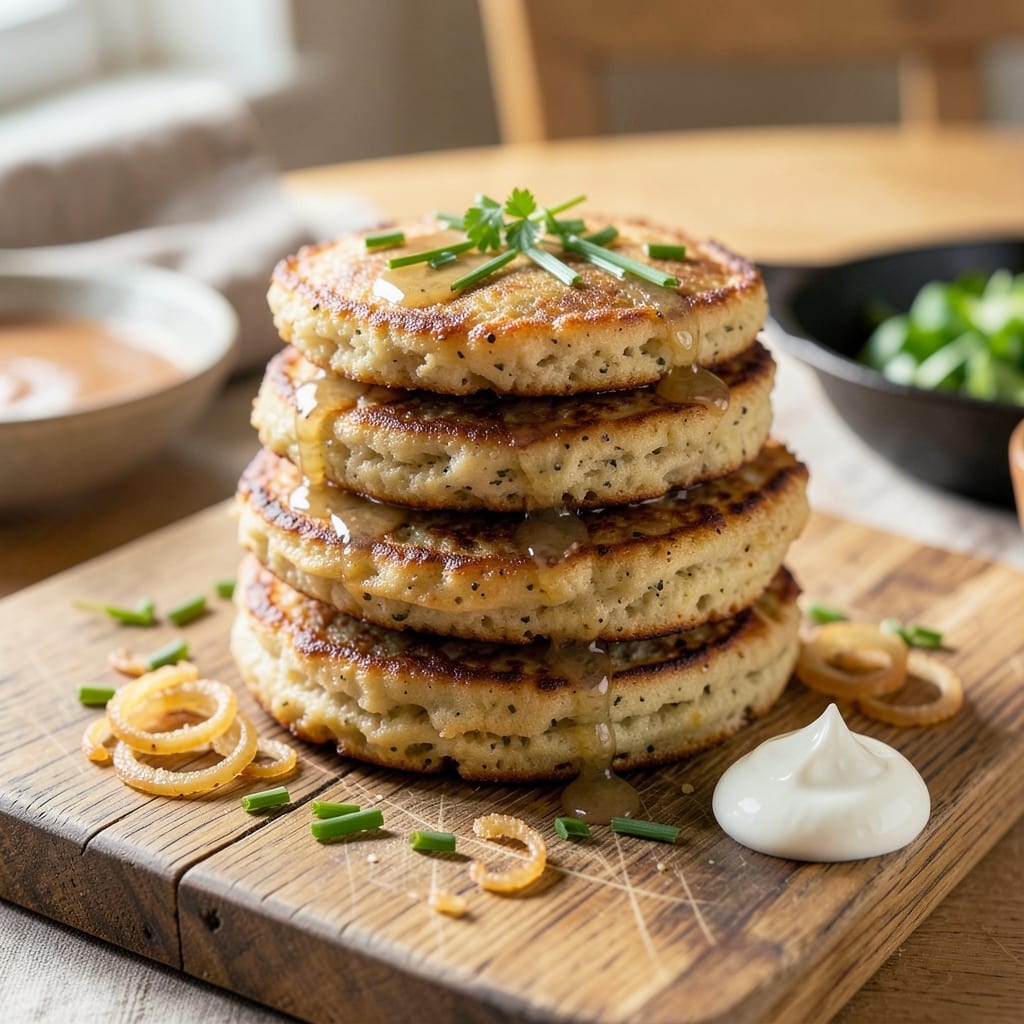
This Amish potato pancake recipe delivers the perfect balance of fluffy, tender layers with crispy golden edges—just like the ones you'd find at Pennsylvania Dutch country breakfasts. The secret lies in the ratio of grated potatoes to flour, which creates that signature texture while keeping them light and airy inside. I've tested this recipe countless times, and it never fails to impress, whether served for a family brunch or a special weekend gathering.
The traditional Amish approach focuses on simple, wholesome ingredients that come together with minimal fuss. You'll need just a handful of staples—potatoes, eggs, flour, and a touch of baking powder—to create pancakes that are crisp at the edges yet soft and pillowy in the center. The key technique is ensuring the potatoes are properly drained and the batter rests briefly before cooking, which prevents sogginess and guarantees that crispy exterior everyone loves.
What makes these pancakes truly special is their versatility. Serve them hot with a dollop of sour cream, a pat of butter, and a sprinkle of fresh herbs for an authentic Amish-style breakfast. They're also perfect for meal prep—just reheat in a skillet or oven to restore that delicious crunch. The aroma alone will fill your kitchen with warmth, making it feel like you're stepping into a cozy Pennsylvania farmhouse.
This recipe is designed to be foolproof, with clear steps that even beginners can follow. Once you master it, you'll have a go-to dish for breakfast, brunch, or even as a side for hearty meals. Let’s get started—your taste buds (and your guests) will thank you!
Ingredients for amish potato pancake
Simple staples create these legendary Amish potato pancakes with perfect crispy edges.
| Ingredient | Amount | Notes |
|---|---|---|
| Russet Potatoes 🥔 | 3 lb | Peeled and grated fine |
| All-Purpose Flour 🌾 | 1 cup | White or whole wheat |
| Large Eggs 🥚 | 2 whole | Room temperature preferred |
| Baking Powder 🧂 | 1 tbsp | Ensures light texture |
| Salt 🧂 | 1 tsp | Kosher or sea salt |
| Black Pepper 🌶️ | ½ tsp | Freshly ground preferred |
| Unsalted Butter 🧈 | ½ cup | Cold, cubed for frying |
| Sour Cream 🥛 | ¼ cup | For serving (optional) |
| Fresh Dill 🌿 | ¼ cup | Chopped, for garnish |
| Applesauce 🍎 | ¼ cup | Optional for moisture |
Russet potatoes are the star here—their high starch content gives that signature fluffy interior. Grab a bag from Kroger or Walmart (the yellow-skinned ones), peel them, and grate them fine (a box grater works best). The finer the grate, the crispier the edges. Don't skip draining—let them sit in a colander for 10 minutes to remove excess moisture, then squeeze out any liquid with a clean kitchen towel. This step is non-negotiable for that perfect texture. I always double-check the grated potatoes are dry before mixing with flour—wet potatoes make soggy pancakes.
No sour cream? Plain Greek yogurt works too, though it's slightly tangier. Short on dill? Fresh chives or parsley add a nice brightness. The applesauce is optional but adds moisture if your kitchen feels dry. For the butter, Land O'Lakes or Plugrá are my go-tos—they brown beautifully. If you're using whole wheat flour, add an extra tablespoon since it's denser. And if you're making these ahead, freeze the batter in portions—just thaw and cook when ready.
Store leftover pancakes between layers of parchment paper to keep them crispy. They reheat beautifully—5 minutes in a 350°F oven restores that golden crunch. The batter keeps in the fridge for 3 days, but I recommend making fresh for best results. These pancakes freeze well too—up to 3 months if you wrap them tightly in foil. Just thaw at room temperature before reheating.
Why You'll Love This Recipe
- I’ll be real: grating potatoes is a chore, but these pancakes turn it into a one-time task. Toss the shredded Russets with salt and let them sit—no rinsing, no fuss—while you mix the dry ingredients. That simple step keeps them from getting gummy, and honestly? The texture is worth the minor effort.
- No-Fuss Grating: I’ll be real: grating potatoes is a chore, but these pancakes turn it into a one-time task. Toss the shredded Russets with salt and let them sit—no rinsing, no fuss—while you mix the dry ingredients. That simple step keeps them from getting gummy, and honestly? The texture is worth the minor effort.
- Crispy-Creamy Magic: The secret’s in the baking powder and eggs—just enough to lift those pancakes into golden, shatteringly crisp edges while keeping the inside tender. Serve them with applesauce or sour cream, and you’ve got that perfect balance of crunch and comfort that sticks with you.
- Breakfast or Dinner: Between us, these pancakes are my go-to for lazy mornings and quick weeknight dinners. Top them with fried eggs and bacon for a hearty breakfast, or pile them high with gravy for a satisfying supper. The same batter, two totally different vibes—no extra work, just different toppings.
Step-by-step instructions for Amish potato pancakes
Here's how to make these golden, fluffy pancakes with crispy edges that stay light inside.
Grate the Potatoes and Squeeze Out Moisture
Start by peeling the 3 lb Russet Potatoes and grating them using the fine side of a box grater. I like to work in batches to keep things manageable—this prevents the grated potatoes from turning brown too quickly. As you grate, transfer the potatoes to a clean kitchen towel or cheesecloth.
Gather the towel into a bundle and wring it out firmly over a bowl to remove excess moisture. This step is crucial—too much liquid makes your pancakes dense instead of light and fluffy. You want the grated potatoes to be dry enough to hold their shape when you form the pancakes, but not so dry they become crumbly. If it feels too wet after wringing, let it sit in a colander for 5 minutes to drain further.
Mix the Batter with Dry Ingredients
In a large mixing bowl, combine the 1 cup All-Purpose Flour, 1 tbsp Baking Powder, 1 tsp Salt, and 0.5 tsp Black Pepper. Whisk these dry ingredients together until evenly distributed—this ensures your pancakes will rise properly. I like to use a wire whisk for this step to avoid creating lumps.
Next, add the grated potatoes to the dry mixture and stir gently with a wooden spoon. The goal is to combine everything just until the flour is distributed, but don't overmix. You'll see some dry spots, and that's okay—those will disappear when you add the wet ingredients. This is where the magic happens: the baking powder will create those signature fluffy layers.
Incorporate Wet Ingredients for Perfect Texture
Make a well in the center of the batter and crack in the 2 whole Large Eggs. Let them sit for a moment before gently mixing them in with a spatula. The eggs will start to bind the mixture together. Now, add the 0.5 cup Unsalted Butter, cut into small cubes, and fold it in until fully melted and incorporated.
Here's where it gets fun—add the 0.25 cup Applesauce (if using) and mix until just combined. The applesauce adds moisture and keeps the pancakes tender. If you're not using applesauce, don't worry—the batter will still work up beautifully. The batter should be thick but still spoonable. If it feels too stiff, add 1 tablespoon of water at a time until it reaches a consistency where it holds its shape when dropped from a spoon.
Fry the Pancakes in Hot Butter
Heat a large skillet over medium heat and add about 1 tablespoon of the 0.5 cup Unsalted Butter. Let it melt and get hot, but not smoking—you want it to be shimmering and ready to cook. Using a ¼ cup measuring cup or ice cream scoop, drop spoonfuls of batter into the skillet, spacing them about 2 inches apart. They'll spread as they cook.
Cook the pancakes for 3-4 minutes per side, until they're golden brown and crispy on the edges. Here's the thing—don't press down on them while they cook. The weight will make them dense instead of fluffy. You'll know they're ready when the edges pull away from the pan easily and the underside is a rich golden color. Transfer them to a paper towel-lined plate to drain any excess butter.
Serve Warm with Fresh Dill and Sour Cream
Keep the cooked pancakes warm in a low oven (around 200°F) while you finish frying the rest of the batter. Once all the pancakes are done, sprinkle them generously with the 0.25 cup Fresh Dill, chopped finely. The dill adds a bright, fresh flavor that cuts through the richness of the pancakes.
Serve immediately with dollops of 0.25 cup Sour Cream on the side. The contrast between the crispy edges, fluffy interior, and cool sour cream is what makes these pancakes so special. Enjoy them while they're hot—this is when they're at their best, with that perfect balance of textures and flavors.
Pro Tips For Making Amish Potato Pancake
- GRATE POTATOES COLD: I learned this the hard way—grating potatoes straight from the fridge makes them drier and grittier. Let them sit in cold water for 10 minutes after grating, then drain and squeeze out all the moisture with a clean kitchen towel. This keeps your pancakes from turning into soggy pancakes (yes, even if you're impatient like me).
- USE BAKING POWDER LAST: Mix your flour, egg, and salt first, then fold in the baking powder right before cooking. I used to add it earlier, and my pancakes would puff up too fast in the pan, making them dense instead of light. Stir it in gently—just until combined—so you don’t deflate the batter.
- PAT DRY THE PAN: Skip the crowding. Cook your pancakes in batches on medium heat, and wipe the pan with a paper towel between each one. A damp pan steals crispiness, and you’ll end up with pancakes that steam instead of brown. Two pancakes at a time is the sweet spot—no more, no less.
- REST THE BATTER 10 MINUTES: Sounds weird, but it works: let your batter sit after mixing. The flour absorbs the egg and potato moisture, and the baking powder activates fully. I was skeptical until I tried it—now my pancakes hold their shape better and don’t fall apart when flipping. (Your future self will thank you.)
Creative variations of this recipe
Pennsylvania Dutch Twist
For an authentic Amish touch, swap the sour cream topping for sauerkraut—a traditional Pennsylvania Dutch side that adds tangy depth. I like to thin it slightly with a splash of water and warm it in a skillet with 1 tablespoon butter and ½ teaspoon caraway seeds for extra flavor. Serve alongside the pancakes for a taste of Old Country charm. 🥬
Savory Cheese Version
Transform these into savory potato pancakes by omitting the applesauce and adding 1 cup shredded sharp cheddar to the batter. Top with crumbled bacon and a drizzle of honey mustard for a sweet-savory contrast. This variation is perfect for brunch or as a side dish with breakfast meats. 🧀
Sweet Potato Fusion
Swap 1 lb of the russet potatoes for 1 lb sweet potatoes, peeled and grated. Add ½ teaspoon cinnamon and ¼ teaspoon nutmeg to the batter for warmth. Top with maple syrup and toasted pecans for a dessert-like twist that’s still hearty enough for breakfast. 🍠
Herb-Infused Variations
Boost the flavor with fresh herbs: Try 1 tbsp chopped chives or 1 tsp dried thyme in the batter for an earthy note. For a Mediterranean twist, add 2 tbsp finely chopped sun-dried tomatoes and top with feta cheese and kalamata olives. These variations keep the classic texture while adding global flair. 🌿
Gluten-Free Adaptation
Replace the all-purpose flour with 1 cup gluten-free 1:1 baking flour (like Bob’s Red Mill) and add ¼ cup cornstarch for crispiness. The batter will be slightly thicker, so adjust with 1-2 tbsp water if needed. These pancakes hold their shape beautifully and still deliver that signature crispy edge. 🌾
Breakfast Hash Topping
Turn these into a breakfast hash by adding ½ cup diced cooked bacon and ½ cup sautéed onions to the batter. Cook the pancakes as usual, then top with a fried egg and hot sauce for a protein-packed meal. This hearty version is perfect for weekend brunches. 🍳
Nutrition facts
Frequently asked questions
Why do Amish potato pancakes need to be squeezed so dry?
The squeezing step removes excess moisture from the grated potatoes, which prevents soggy pancakes. Wet potatoes create steam during cooking, making the interior dense instead of fluffy. Pro tip: Use a clean kitchen towel or cheesecloth—wrung-out potatoes should hold their shape when gently squeezed in your hand.
Can I make these pancakes ahead of time?
Yes! The batter keeps in the fridge for 3 days or freezes for 3 months. For best results, cook from frozen—just add 1 extra minute per side. To reheat, warm in a 350°F oven for 5-10 minutes to restore crispiness. Store cooked pancakes between parchment paper to maintain texture.
What's the secret to crispy edges?
Three key factors: hot butter (medium heat until shimmering), proper batter consistency (thick but spoonable), and no pressing while cooking. Let the pancakes set naturally for 3-4 minutes per side—they'll crisp up on their own!
Can I use sweet potatoes instead?
Replace 1 lb russet with 1 lb sweet potato, peeled and grated. Add ½ tsp cinnamon and ¼ tsp nutmeg to the batter. Top with maple syrup or pecans for a breakfast dessert twist. The texture stays crispy but gains natural sweetness.
Why did my pancakes turn out dense?
Most likely, the potatoes weren't dry enough or the batter was overmixed. Always wring out grated potatoes thoroughly and stop mixing once flour disappears. Another common mistake: using cold butter that doesn't melt properly. Let your butter soften before cooking for even browning.