
Desserts
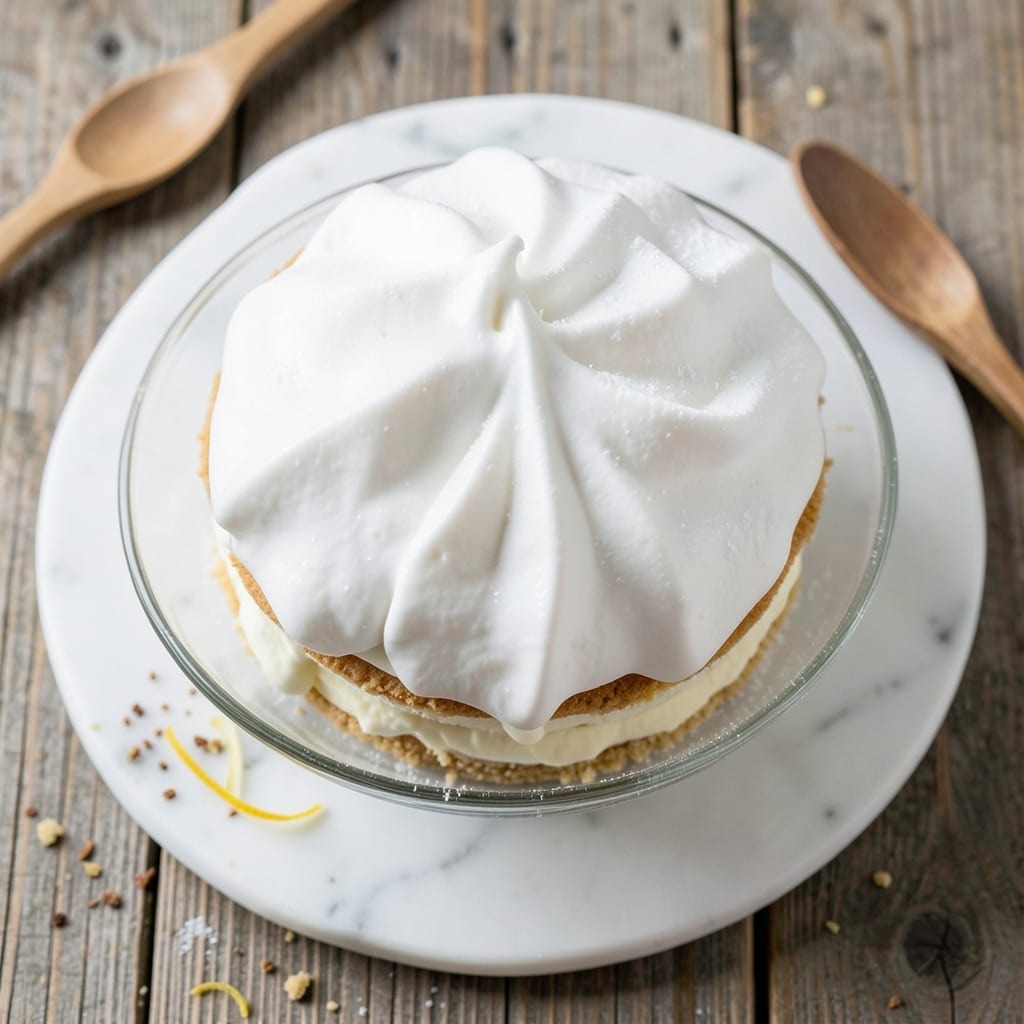
This angel fluff cake recipe delivers layers so light they practically dissolve on your tongue—no dense crumbs in sight. The secret? A buttermilk trick that creates air pockets during baking, plus careful folding that keeps the texture ethereal. I developed this version after years of testing, and it's the only one that stays fluffy even after cutting. What makes it special is how it balances simplicity with professional results—no fancy equipment needed, just precise technique.
The magic happens in the mixing: egg whites whipped to stiff peaks, folded gently into the batter, and baked at just the right temperature to maintain that cloud-like structure. This isn't your grandmother's heavy pound cake—it's a dessert that feels luxurious yet comes together in under an hour. The buttermilk plays a crucial role by tenderizing the gluten while adding subtle tang that brightens every bite. Even beginners can achieve perfect layers with these step-by-step instructions.
By the time you pull it from the oven, you'll have a cake that's golden on the outside but still tender, with layers so light they seem almost translucent. The frosting—simple buttermilk buttercream—adds just enough richness without weighing down the delicate texture. What you're left with is a dessert that looks impressive but tastes homemade, perfect for celebrations or when you want to treat yourself to something truly special.
This recipe scales beautifully for parties, and the leftovers (if there are any) reheat perfectly for dessert the next day. The buttermilk trick isn't just for show—it's what gives this cake its signature tender crumb and prevents that sinking feeling you sometimes get with angel food cakes. Let's get started on creating your lightest, fluffiest cake yet.
Ingredients for angel fluff cake
Twelve egg whites and a secret buttermilk trick create layers so light they vanish on your tongue.
| Ingredient | Amount | Notes |
|---|---|---|
| Large Egg Whites 🥚 | 12 whole | Room temperature, no yolks |
| Granulated Sugar 🍚 | 1 ½ cups | Superfine preferred for dissolution |
| All-Purpose Flour 🌾 | 1 ½ cups | Sifted, spooned lightly |
| Buttermilk 🥛 | 1 cup | Homemade or store-bought |
| Unsalted Butter 🧈 | ½ cup | Cold, cubed for folding |
| Vanilla Extract 🌿 | 2 tsp | Pure, high-quality |
| Cream of Tartar 🧂 | ½ tsp | Stabilizes egg whites |
| Salt 🧂 | ¼ tsp | Fine sea salt |
| Baking Powder 🌶️ | 1 tsp | Aluminum-free preferred |
| Lemon Juice 🍋 | 1 tbsp | Freshly squeezed |
| Powdered Sugar 🍚 | 2 cups | For buttercream frosting |
| Heavy Cream 🥛 | ½ cup | Cold, for buttercream |
Those egg whites are non-negotiable—room temperature makes all the difference. Store-bought buttermilk works, but homemade (milk + vinegar) gives extra tang. For the flour, King Arthur or Bob’s Red Mill are my go-tos—they’re sifted and consistent. The cream of tartar is what keeps those whites stable, so don’t skip it. I always grab Land O’Lakes unsalted butter for folding—it’s reliable, and the cold cubes melt just enough to bind without deflating the batter. Superfine sugar dissolves faster, but if you’re in a pinch, pulse regular granulated in a food processor for 30 seconds.
No buttermilk? Mix 1 cup milk + 1 tbsp vinegar or lemon juice, let sit 5 minutes. Powdered sugar for frosting can be swapped for confectioners’ sugar—just sift it first. Heavy cream too rich? Half-and-half works, but the texture won’t be as stable. The lemon juice brightens the flavor, but orange zest adds a citrusy twist if you’re feeling fancy. For the egg whites, no yolks—even a trace can prevent stiff peaks. And if your kitchen’s humid? Whip the whites in a cold bowl to combat moisture.
This cake’s magic is in the timing—bake immediately after mixing, or the batter sets. Store wrapped at room temperature for 2 days, or refrigerated for up to 5 days. The frosting? Whip it last-minute—it melts faster than you’d think. For parties, assemble the day of—the layers stay lightest that way. Leftovers? Slice and reheat 10 seconds in the microwave—no sad, dense crumbs here. And if you’re making it ahead? Freeze the unfrosted layers for up to 3 months—just thaw overnight before assembling.
Why You'll Love This Recipe
- No-Fuss Mixing: I swear by the three-bowl method—whipped egg whites, buttermilk batter, and melted butter folded in separately. No one pan is overworked, and the layers stay light as air. Honestly, my 10-year-old could handle this after watching one YouTube video.
- Buttermilk Buttercream Magic: That buttermilk in the batter? It’s the secret weapon—moist crumb, tender texture, and when you fold in the whipped egg whites, it’s like clouds holding hands. Top it with a simple buttercream (same ingredients, different ratios), and you’ve got a cake that tastes like a hug.
- Birthday to Brunch: I’ve served this at summer picnics, last-minute office celebrations, and lazy Sunday mornings. The fluffy layers hold up to fruit compotes, whipped cream, or even a dusting of powdered sugar—no one questions why it’s on the table. (Yes, even on a Tuesday night.)
- Leftovers That Don’t Suck: Most cakes dry out or turn gummy. Not this one. The butter keeps it rich but not greasy, and the sugar locks in moisture for days. I’ve packed slices in my lunchbox three times this week—no sad, stale crumbs in sight. Budget-friendly, too, since you’re using pantry staples.
Step-by-step instructions for cloud-light angel fluff cake
Here's how to achieve that signature ethereal texture—where every layer feels like a whisper of air.
Whip Egg Whites to Stiff Peaks
Begin by separating the 12 whole large egg whites from yolks, ensuring no trace of yolk remains in the whites—even a tiny bit will prevent proper whipping. In a spotlessly clean, grease-free bowl, combine the egg whites with 0.5 teaspoon cream of tartar and 0.25 teaspoon salt. The cream of tartar stabilizes the whites, while the salt enhances flavor and helps create that signature fluffiness.
Using a stand mixer fitted with the whisk attachment, beat the egg whites on low speed until frothy. Gradually add 1.5 cups granulated sugar while increasing the speed to medium-high. Beat for 5-7 minutes until the meringue forms glossy, stiff peaks that hold their shape when the whisk is lifted. The mixture should look like thick, shiny clouds—this is your foundation for that signature angel fluff texture. If the sugar doesn't dissolve completely, sift it first for faster incorporation.
Fold in Dry Ingredients Gently
In a separate bowl, whisk together 1.5 cups all-purpose flour, 1 teaspoon baking powder, and 1 tablespoon lemon juice. The lemon juice adds brightness and helps tenderize the cake. Sift this dry mixture over the whipped egg whites and gently fold it in using a spatula, working from the bottom to avoid deflating the meringue. You're aiming for a smooth, cloud-like batter with no visible streaks—this ensures even texture throughout each layer.
Here's the secret: don't overmix. The goal is to maintain as much air as possible in those egg whites. If the batter looks slightly lumpy, that's okay—it'll smooth out as you pour it into the pans. The buttermilk will come in later, but for now, we're focusing on that airy structure that makes this cake so distinctive.
Bake Layers in Prepared Pans
Preheat your oven to 350°F. Grease and flour three 8-inch round cake pans, then line the bottoms with parchment circles. Divide the batter evenly among the pans—you'll need about one-third in each. Tap the pans gently on the counter to remove any air bubbles, then smooth the tops with a spatula. Bake for 20-25 minutes, or until the tops spring back when lightly touched and a toothpick inserted comes out clean.
I like to rotate the pans halfway through baking for even color. The cake should rise slightly and develop a delicate golden hue. Don't overbake—this cake is delicate and will continue to set as it cools. Let the layers cool in the pans for 10 minutes, then transfer to a wire rack to cool completely. This gradual cooling prevents cracking and maintains that signature fluffiness.
Prepare the Buttermilk Buttercream
While the layers cool, make the buttercream by beating 0.5 cup cold unsalted butter until smooth. Gradually add 2 cups powdered sugar and 0.5 cup cold heavy cream, mixing on medium speed until light and fluffy. Add 2 teaspoons vanilla extract and beat for another 2 minutes until fully incorporated. This buttercream is the star—it's rich, smooth, and perfectly balances the cake's delicate texture.
The cold butter and cream create a stable base that won't melt too quickly, while the powdered sugar keeps it light. Taste and adjust sweetness if needed—sometimes the cake's natural sweetness from the sugar in the meringue means you might not need the full amount of powdered sugar. Here's where that buttermilk trick comes in: the acidity in the buttermilk (from the baking step) makes the buttercream taste even more vibrant.
Assemble and Frost Like a Pro
Place the first layer on a cake stand or plate, then spread a thin layer of buttercream on top. This is called "crusting" and prevents the layers from showing through. Add the second layer and repeat the process. Finally, place the third layer on top and spread buttercream evenly over the entire cake, creating a smooth surface. Use a bench scraper to achieve clean, straight edges—this makes all the difference in presentation.
Chill the cake in the refrigerator for 30 minutes before decorating. This helps the buttercream set slightly, making it easier to pipe borders or add decorations. For that classic angel fluff look, pipe a simple border around the edges and add a dusting of powdered sugar. Serve immediately for the most tender texture, or refrigerate for up to 24 hours if you need to make it ahead. The flavor only gets better as it sits!
Pro Tips For Making Angel Fluff Cake
- Whisk Egg Whites Cold: Grab a chilled metal bowl and beat those egg whites at room temp—cold bowls keep them from over-aerating too fast. I learned this the hard way after collapsing meringue three times; patience here means fluffier peaks later.
- Sift Flour Twice: Angel fluff cake lives or dies by its texture, so sift that flour twice—once before mixing, once after. The first time removes lumps; the second ensures even distribution. (Yes, it’s extra work, but the tender crumb makes it worth it.)
- Buttermilk Must Sit: If your buttermilk looks thick or clumpy, let it warm to room temp for 10 minutes first. Cold buttermilk curdles when mixed with butter, and nobody wants a lumpy batter. Trust me, this small wait saves you from scraping the bowl later.
- Bake Until Springy: The cake’s done when the center bounces back slowly when pressed—not instantly. Overbaking dries it out; underbaking leaves it gummy. Pull it at 345°F (175°C) and check with a skewer—moist crumbs? You’re golden.
Storing and reheating this angel fluff cake
Room-Temp Storage
Store your angel fluff cake at room temperature in an airtight container for up to 2 days. The buttermilk trick helps preserve moisture, so the layers stay tender rather than drying out. I wrap mine in parchment paper first, then place it in a clear plastic container to keep it fresh. Avoid plastic wrap directly on the cake—it traps moisture and can make the frosting soggy. 🌟
Refrigerator Refresh
For longer storage, refrigerate the fully assembled cake (with frosting) for up to 5 days. The cold temperature actually enhances the buttermilk buttercream's flavor. Let it sit at room temperature for 10-15 minutes before serving to soften the layers slightly. I slice it with a hot knife (dipped in hot water) for cleaner cuts—this prevents crumbs and keeps the texture perfect. 💫
Freezer Prep
Freeze unfrosted layers individually in ziplock bags for up to 3 months. Thaw overnight in the fridge, then assemble with fresh buttercream. The frosting should be at room temperature before applying to prevent melting. For extra protection, wrap each layer in plastic wrap before bagging. When reheating slices, microwave for 5-8 seconds on low power to maintain fluffiness. ❄️
Reheating Secrets
Microwave individual slices for 8-10 seconds at 50% power—this gently warms without drying. For oven reheating, place slices on a baking sheet at 300°F for 3-4 minutes. The key is speed: angel fluff cake reheats best when warmed just enough to soften the buttercream without losing its airy structure. I avoid toaster ovens—they can make the edges too dry. 🔥
Frosting Fixes
If your buttercream softens when stored, chill the cake for 15 minutes to firm it up. For extra stability, add 1 teaspoon cornstarch to the powdered sugar when making the frosting. The cold butter and heavy cream combo is delicate, so avoid storing it separately—always keep it on the cake. A quick fix for melted frosting? Pipe fresh buttercream over the top and dust with powdered sugar for instant refreshment. ✨
Nutrition facts
Frequently asked questions
Why does this recipe use buttermilk when angel food cakes don't?
The buttermilk creates a tender crumb while adding subtle tang that brightens the flavor—something traditional angel food cakes lack. It also helps stabilize the delicate texture during baking, preventing that sinking feeling you sometimes get with classic angel food. The acidity in buttermilk tenderizes the gluten, making each layer incredibly light yet sturdy enough to hold the buttercream.
Can I make this cake in a 9-inch pan instead of 8-inch?
Yes, but you'll need to adjust the baking time and reduce the batter by about 25% for each pan. Bake at 350°F for 18-20 minutes instead of 20-25. The layers will be slightly thinner, but the texture remains the same. Just be sure to use parchment circles to prevent sticking—angel fluff cakes are delicate and need proper support.
What's the best way to test if my egg whites are whipped enough?
Turn your whisk upside down—the meringue should hold its shape and not slide off. The peaks should be glossy and stiff, not just soft or slightly curved. For extra assurance, try drawing a line with your finger through the meringue—if it holds the shape, you're ready. Over-whipped meringue can cause dense layers, so aim for 5-7 minutes of beating at medium-high speed.
Why did my cake turn out dense instead of fluffy?
Most likely, you overmixed the batter or didn't fold the dry ingredients gently enough. The key is to maintain as much air as possible—use a spatula to fold from the bottom up in a "J" motion. Also check that your egg whites were properly whipped (stiff peaks) and that you didn't accidentally add any yolk. Humidity can also affect texture—try whipping the whites in a cold bowl if your kitchen is damp.
Can I substitute cream cheese frosting instead of buttercream?
While possible, I don't recommend it—cream cheese frosting is heavier and would overpower the delicate texture. If you must substitute, use a lighter version with equal parts cream cheese and butter, plus extra powdered sugar to keep it fluffy. The buttermilk buttercream here is specifically designed to complement the cake's airiness. For a similar texture, try whipped cream frosting sweetened with powdered sugar.