
Desserts
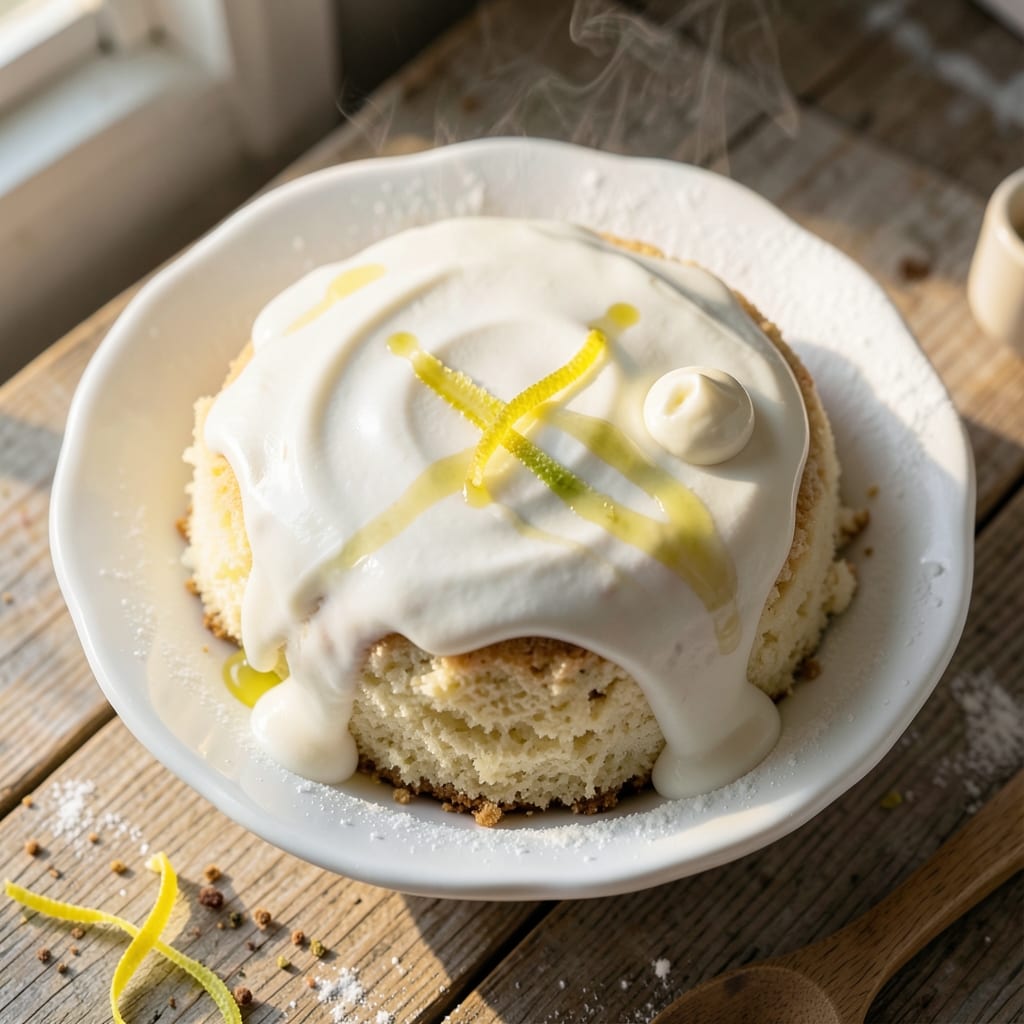
This angel food cake glaze frosting recipe transforms your cake into a dreamy, cloud-like masterpiece without the heaviness. The secret lies in its airy powdered sugar base and silky texture—perfect for topping delicate angel food cake without weighing it down. I developed this after years of experimenting with different frostings that either collapsed the cake or left a sticky mess.
The magic is in the ratio: powdered sugar and a touch of liquid (like water or citrus juice) create a smooth, drizzable glaze that sets beautifully. A splash of vanilla or lemon zest adds brightness, while a hint of cream cheese or butter (if using) adds richness without density. This frosting isn’t just light—it’s foolproof, with no risk of soggy layers or overly sweet flavors.
What you’ll achieve is a cake that looks like it came from a bakery: glossy, elegant, and perfectly balanced. The glaze clings to the cake’s surface without soaking in, creating a professional finish that’s easier to make than you’d think. Whether you’re serving it at a brunch or a special occasion, this frosting elevates your dessert to restaurant-quality.
Bonus: The recipe adapts easily for dietary needs—swap butter for dairy-free margarine or use aquafaba for a vegan version. Let’s get started on creating that perfect, lightweight finish.
Ingredients for angel food cake glaze frosting
Eight simple ingredients create a dreamy, restaurant-quality glaze that won't weigh down your cake.
| Ingredient | Amount | Notes |
|---|---|---|
| Powdered Sugar 🍚 | 2 cups | Sifted for smooth texture |
| Water 💧 | 3 tbsp | Room temperature preferred |
| Pure Vanilla Extract 🌿 | 1 tsp | Or vanilla bean paste |
| Lemon Zest 🍋 | 1 tsp | Freshly grated preferred |
| Dairy-Free Margarine 🧈 | 2 tbsp | Vegan or regular butter |
| Lemon Juice 🍋 | 1 tbsp | Freshly squeezed |
| Salt 🧂 | ¼ tsp | Fine sea salt preferred |
| Cornstarch 🌾 | 1 tsp | For extra smoothness |
Powdered sugar is the star here—Domino or C&H are my go-tos, but any brand works as long as it's fine and sifted. The lemon zest should be fresh (no dried stuff), and if you're using margarine, Country Crock Plant Butter melts beautifully. For vanilla, I grab the Heinz pure extract from the baking aisle—it's consistent and affordable. The cornstarch is optional but helps create that silky texture. If you're making this ahead, store the dry ingredients (powdered sugar, cornstarch, salt) separately from the wet ones—mix just before using.
No dairy-free margarine? Vegan butter or coconut oil works in a pinch, though it might add a slight coconut flavor. Short on lemon zest? Orange zest at the same amount gives a similar brightness. Want extra richness? Add 1 tbsp dairy-free cream cheese (like Kite Hill) to the wet ingredients. The glaze sets best when chilled, but if it's too thick, add 1 tsp more water. For a tangier glaze, boost the lemon juice to 2 tbsp—just remember it'll be more acidic. If you're making this for a vegan version, skip the margarine and use aquafaba (chickpea brine) instead—it adds a lovely sheen.
This glaze keeps for 3 days in the fridge, sealed tightly in a jar. The texture changes as it sits—it'll thicken slightly, so give it a quick whisk or microwave for 10 seconds if it looks too stiff. For a smoother finish, strain it through a fine-mesh sieve before drizzling. I like to make a double batch and freeze half in ice cube trays—just thaw and whisk when ready to use. The glaze sets beautifully on angel food cake but also works for pound cake or cupcakes. Just don't let it sit too long on the cake, or it'll start to soak in.
Why You'll Love This Recipe
- Five-Ingredient Magic: I swear by this glaze—just powdered sugar, water, vanilla, lemon zest, and margarine. No eggs, no butter, no fuss. The simplicity means I can make it while chatting with guests or scrolling through my phone.
- Bright & Dreamy: That lemon zest? It’s the secret weapon. The margarine keeps it light and spreadable, while the vanilla and citrus make every bite taste like a bakery’s best-kept secret—not too sweet, just perfectly balanced.
- Party in a Jar: Between us, I’ve used this glaze on cupcakes, sheet cake, and even drizzled it over fresh berries for a fancy dessert tray. It’s my go-to for birthdays, brunch, or when I want to impress without stressing.
- No-Waste Winner: A little goes a long way, and any leftovers? I toss them in the fridge for up to a week. Need a quick fix? Warm it slightly, and it’s ready to drizzle over toast or pancakes—yes, even on a Tuesday night.
Step-by-step instructions for lightweight angel food cake frosting
This glaze is all about balance—sweet, tangy, and airy enough to complement angel food's delicate crumb.
Whisk Powdered Sugar and Cornstarch Together
In a medium bowl, sift the 2 cups powdered sugar and 1 tsp cornstarch together. I like to use a fine-mesh sieve for this step to ensure no lumps remain. The cornstarch acts as a stabilizer, preventing the glaze from becoming grainy when mixed with liquids. Use a whisk to break up any clumps that might have formed during sifting.
This dry combination is your foundation—it needs to be completely smooth before adding liquids. If you skip sifting, you risk ending up with a textured frosting that feels heavy on the cake. Take your time here; it makes all the difference in the final result.
Gradually Add Water and Margarine
In a small saucepan, combine the 3 tbsp water and 2 tbsp dairy-free margarine over low heat. Warm the mixture just until the margarine melts completely, stirring gently with a silicone spatula. This step ensures the margarine blends seamlessly into the glaze without creating butter-like clumps.
Remove the saucepan from heat and let it cool for 2-3 minutes—just until it's warm to the touch but not hot. Pour this warm margarine mixture into the bowl with the powdered sugar while whisking continuously. The warmth helps dissolve the sugar more evenly, creating a silky texture right from the start.
Incorporate Lemon and Vanilla for Bright Flavor
Add the 1 tsp lemon zest, 1 tbsp lemon juice, 1 tsp pure vanilla extract, and 0.25 tsp salt to the sugar mixture. Whisk vigorously for 2-3 minutes until the glaze is completely smooth and glossy. The lemon zest adds a bright, citrusy aroma that cuts through the sweetness, while the vanilla and salt balance the flavors perfectly.
Here's where the magic happens: the acidity from the lemon juice helps stabilize the glaze, preventing it from becoming too sticky. If you notice any lumps forming, strain the mixture through a fine-mesh sieve into a clean bowl. This step ensures your glaze is silky smooth and ready to drizzle.
Test Consistency and Adjust as Needed
Dip a clean spoon into the glaze and let it drip back into the bowl. If the glaze drips slowly and forms a thin, glossy ribbon that holds its shape for 10-15 seconds, it's ready to use. If it's too thick, add 1 tsp water at a time, whisking well after each addition. For a thinner consistency, add 1 tsp water until you reach your desired drizzling texture.
This glaze should be light enough to soak into the cake slightly but still coat the surface beautifully. If it's too runny, it will pool at the bottom of the cake instead of creating that elegant, cloud-like finish. Trust your eye—you're aiming for a balance between drizzling ease and structural integrity.
Drizzle Over Angel Food Cake Immediately
Transfer the glaze to a piping bag fitted with a small round tip or a squeeze bottle for easy control. Drizzle generously over the completely cooled angel food cake, allowing the glaze to cascade down the sides. For a professional look, work in sections, starting from the center and moving outward.
Let the glaze set for 15-20 minutes before serving. This gives it time to firm up slightly while still maintaining that delicate, cloud-like texture. The cake will absorb just enough glaze to stay moist without becoming soggy. Serve immediately for the best experience—this glaze is designed to complement, not overpower, the cake's natural sweetness.
Pro Tips For Making Angel Food Cake Glaze Frosting
- Sift the Sugar: I learned this the hard way—lumpy powdered sugar ruins everything. Sift it into a bowl first, then whisk in the water gradually. No sifting? At least press it through a fine-mesh strainer. Trust me, you’ll taste the difference in smoothness.
- Warm the Water: Cold water makes the glaze clump like a stubborn snowball. Heat yours to about 110°F (just warm to the touch) before mixing—it dissolves the powdered sugar faster and creates a silky texture. No thermometer? Dip your finger in; it should feel like a warm bath, not scalding.
- Zest First, Then Juice: Lemon zest adds brightness, but fresh juice can turn the glaze watery. Use a microplane for the zest, then squeeze the lemon after you’ve measured the water. Even a tablespoon of extra juice can turn your frosting into a sad, runny mess.
- Whip the Margarine: Dairy-free margarine isn’t just a butter substitute—it needs to be fluffy. Beat it with the powdered sugar mixture for 2–3 minutes until it lightens in color. Skimp here, and your glaze will taste greasy instead of rich. (Yes, even if you’re impatient like me.)
Dietary considerations for these flavors
Vegetarian-Friendly Base
The original recipe is naturally vegetarian, relying on powdered sugar, water, and dairy-free margarine like Country Crock Plant Butter instead of butter. This makes it perfect for anyone avoiding meat but not dairy—no animal products are used in the base ingredients. The glaze’s lightness comes from its airy powdered sugar foundation, so it won’t weigh down your cake like heavier frostings might. 🌱
Vegan Adaptations
For a fully vegan version, simply replace the 2 tbsp dairy-free margarine with 2 tbsp aquafaba (chickpea brine) or coconut oil. The aquafaba adds a lovely sheen and helps stabilize the glaze, while coconut oil provides richness without dairy. Just ensure your vanilla extract is vegan-certified (like Heinz Pure Vanilla Extract). This swap keeps the glaze just as glossy and smooth!
Gluten-Free Considerations
Since this glaze uses powdered sugar and cornstarch, it’s naturally gluten-free as long as you confirm your powdered sugar is processed in a gluten-free facility. Brands like Domino and C&H are typically safe, but always check the label. For extra stability, you can replace the cornstarch with arrowroot powder, which works similarly and is also gluten-free. The glaze remains light and airy, so no texture changes occur.
Low-Sugar Options
If you're watching sugar intake, reduce the powdered sugar to 1.5 cups and add 1 tbsp lemon juice to compensate for sweetness. The acidity enhances the cake’s natural flavors while keeping the glaze’s bright, citrusy profile. For a sugar-free version, use powdered erythritol or monk fruit sweetener in a 1:1 ratio, though the texture may be slightly grainier. Always taste as you go!
Nut-Free and Allergen-Free
This glaze is inherently nut-free, making it safe for those with nut allergies. The ingredients are simple and free from common allergens like eggs, dairy (when using margarine), and gluten (if using certified gluten-free powdered sugar). For added safety, store all ingredients in separate containers to avoid cross-contamination. The recipe’s minimalism ensures peace of mind for allergy-conscious bakers. ✨
Nutrition facts
Frequently asked questions
Can I make this glaze without margarine for a richer flavor?
Yes! For a richer taste, replace the 2 tbsp margarine with 2 tbsp unsalted butter, warmed slightly to help it blend smoothly. The butter adds a deeper flavor, though the glaze will still be light. If using butter, reduce the water by 1 tsp since butter contains moisture.
Why is my glaze too thick or grainy?
Thick glaze usually means too little liquid—add 1 tsp water at a time until it reaches a smooth, drizzable consistency. For graininess, ensure your powdered sugar is sifted and whisk thoroughly. Straining through a fine-mesh sieve also helps remove any lumps before drizzling.
How do I prevent the glaze from soaking into the cake too quickly?
Work quickly and apply the glaze in thin layers, letting each layer set for 5 minutes before adding more. Chill the cake for 10 minutes in the fridge before glazing—this helps it absorb less. For extra protection, brush the cake with a thin layer of lemon juice before applying the glaze.
Can I make this glaze ahead of time?
Yes! Store the dry ingredients (powdered sugar, cornstarch) separately and mix with liquids just before use. The glaze keeps in the fridge for 3 days in an airtight container. If it thickens, whisk in 1 tsp water to restore consistency. For long-term storage, freeze the glaze in ice cube trays and thaw as needed.
What other flavors work well with this glaze?
Try swapping lemon for orange zest + juice or almond extract for a nutty twist. For chocolate lovers, replace the lemon zest with 1 tbsp cocoa powder and add 1 tsp instant coffee for depth. The glaze’s light base adapts beautifully to any flavor—just adjust sweetness to taste!