
Desserts
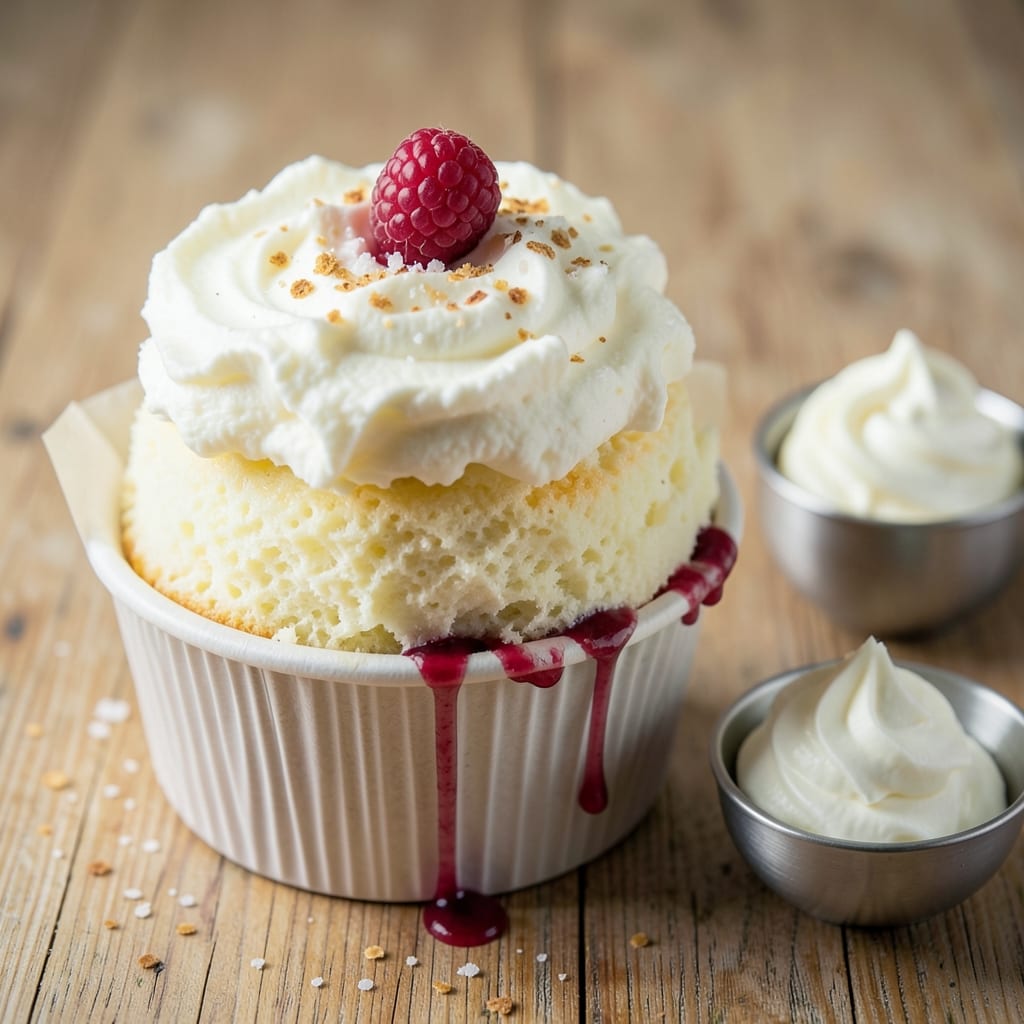
This angel food cake recipe with 6 eggs delivers the signature light-as-air texture that makes it legendary—no butter, no oil, just pure, fluffy perfection. The secret lies in properly beating the eggs, which create the structure and air pockets that define this classic dessert. I’ve perfected this method over years of baking, ensuring every slice is tender yet sturdy enough to hold its shape.
The recipe relies entirely on the 6 eggs for both structure and moisture, so they must be at room temperature and beaten to stiff peaks before folding in the sugar and flour. This step is critical—overmixing or underbeating will sabotage that signature airy crumb. A hot water bath during baking helps set the cake evenly, while cooling it upside down prevents collapse.
What you’ll end up with is a golden, domed cake with a delicate crumb that practically dissolves on your tongue. The flavor is subtly sweet, with just enough vanilla to enhance the natural egg sweetness. Served with fresh berries, whipped cream, or a dusting of powdered sugar, it’s the ultimate light dessert for special occasions.
Common mistakes like overmixing or improper cooling can turn this cake dense, but following the precise technique here guarantees a foolproof result every time. Whether you’re baking for a celebration or simply craving a classic, this recipe delivers restaurant-quality texture at home.
Ingredients for angel food cake recipe 6 eggs
Six eggs, three dry staples, and precise technique create this legendary fat-free cake.
| Ingredient | Amount | Notes |
|---|---|---|
| Large Eggs 🥚 | 6 whole | Room temperature, pasteurized preferred |
| Granulated Sugar 🍚 | 1 ½ cups | Superfine preferred for even distribution |
| All-Purpose Flour 🌾 | 1 ½ cups | Sifted, bleached preferred for stability |
| Cream of Tartar 🧂 | 1 ½ tsp | Critical for stabilizing egg whites |
| Pure Vanilla Extract 🍯 | 1 tsp | High-quality, bourbon-based preferred |
| Salt 🧂 | ½ tsp | Fine sea salt for delicate flavor |
| Unbleached Parchment Paper 📄 | 1 sheet | For cake pan lining |
| Water 💧 | 2 cups | Hot for water bath |
The eggs are non-negotiable—room temperature is critical for proper aeration. Pasteurized eggs eliminate salmonella risk while maintaining structural integrity. For optimal results, source large eggs from a trusted brand like Cage-Free or Organic Valley—their yolks provide superior emulsification. The cream of tartar stabilizes the egg whites, preventing collapse, and should be Diamond Crystal quality for precise acidity. Flour selection matters: bleached all-purpose yields a more stable crumb, while cake flour would risk excessive tenderness. Measure sugar and flour by weight if possible—1 cup granulated sugar can vary by 10 grams between brands.
No vanilla extract? Pure vanilla bean paste adds depth, or almond extract at half the amount mimics the floral notes. Substituting sugar requires caution: coconut sugar works but may darken the cake slightly. For a gluten-free adaptation, replace flour with a 1:1 blend like Bob's Red Mill GF All-Purpose. The water bath requires hot water (160°F) to set the cake evenly—preheat your oven with the water bath pan inside for 15 minutes before adding the cake. Pre-sift flour to eliminate lumps, which disrupt the delicate crumb structure. Egg whites should be beaten to stiff peaks that hold their shape when the whisk is lifted.
Store the cake in an airtight container at room temperature for up to 3 days or refrigerate for 5 days—though it's best enjoyed fresh. For long-term storage, freeze slices wrapped individually for up to 3 months. The cake's structure relies on proper cooling: invert immediately after baking and let set for 10 minutes before removing. Avoid stacking plates on top during cooling, as this can flatten the signature dome. Serve at room temperature for optimal texture—chilled cake can become slightly gummy. The vanilla flavor intensifies over time, making day-old cake particularly delicious.
Why You'll Love This Recipe
- No Mixer Needed: I swear by this recipe when my stand mixer’s on vacation—just whisk those eggs and sugar until they’re pale and fluffy. That cream of tartar? It’s the secret to lightness without overworking the batter.
- Vanilla Kiss Magic: Honestly, the vanilla here isn’t just an afterthought—it’s the star. A single teaspoon of pure extract (none of that imitation stuff) makes every bite taste like a bakery fresh from the oven.
- Birthday or Brunch: Between us, this cake is my go-to for celebrations and lazy Sundays. Serve it with berries for a fancy dessert or toast it for breakfast—it’s that adaptable.
- Zero Waste Wonder: Six eggs mean I’m not scrambling (pun intended) for substitutes, and the leftovers? They stay fresh for days. Slice a piece for a snack, or stash it for a last-minute guest—no one will guess it’s been sitting around.
Step-by-step instructions for angel food cake
Mastering this classic requires precision—here's how to achieve that signature light-as-air texture.
Prepare the Cake Pan and Preheat the Oven
Line the bottom of a 10-inch tube pan with the 1 sheet unbleached parchment paper, pressing it firmly into the grooves to prevent sticking. This step is critical—angel food cake relies entirely on structure, and any separation from the pan will compromise its rise. Preheat your oven to 350°F with the tube pan inside for 10 minutes to ensure even baking temperature throughout.
While the oven preheats, bring 2 cups water to a boil in a saucepan. The hot water bath will create steam during baking, which helps the cake rise and develop its signature tender crumb. Keep this water ready—you'll need it immediately after mixing the batter.
Whip Egg Whites to Stiff Peaks
Separate the 6 whole large eggs, placing yolks in one bowl and whites in a clean, grease-free mixing bowl. The bowl must be spotless—even a trace of fat will prevent proper whipping. Using an electric mixer on high speed, whip the egg whites until they form soft peaks that hold their shape when the beaters are lifted. This typically takes 3-4 minutes.
Gradually add 1.5 cups granulated sugar while continuing to whip, adding 1 tablespoon at a time to prevent graininess. The sugar will dissolve completely when the mixture becomes glossy and thick, forming stiff peaks that stand upright. This process takes 5-7 minutes—don't rush it. The sugar stabilizes the egg whites, creating the cake's signature structure.
Fold in Yolk Mixture and Bake
In a separate bowl, whisk together the egg yolks, 1.5 cups all-purpose flour, 1.5 teaspoons cream of tartar, 1 teaspoon pure vanilla extract, and 0.5 teaspoon salt until smooth. The cream of tartar is essential—it mimics the acidity of lemon juice, helping the egg whites whip properly and creating a stable foam. Gently fold this yolk mixture into the whipped egg whites using a spatula, being careful not to deflate the batter.
Immediately pour the batter into the preheated tube pan and place it in the oven. Pour 2 cups hot water into the bottom of the oven (or use a water pan) to create steam. Bake for 40-45 minutes until the top is golden brown and the cake springs back when gently pressed. The cake should pull away cleanly from the sides of the pan.
Invert and Cool Completely
Turn off the oven and let the cake cool inside for 10 minutes before removing it. Using a sharp knife, carefully loosen the cake from the sides of the pan. Then, invert the cake onto a wire rack and peel away the parchment paper. Let the cake cool completely for at least 2 hours before slicing—this ensures proper setting and prevents crumbling.
This cooling process is non-negotiable. Angel food cake relies entirely on its structure, and rushing it will result in a dense, gummy texture. Serve slices with fresh berries or whipped cream, but never frost it—this cake's beauty lies in its light, airy simplicity.
Pro Tips For Making Angel Food Cake Recipe 6 Eggs
- Preheat to 350°F: DESCRIPTION: Angel food cake hates being rushed—preheat your oven to 350°F before you even start beating eggs. I learned this the hard way when my cake collapsed because the pan was cold. The right temp guarantees a light, airy rise instead of a sad, dense mess.
- Sift Flour Twice: DESCRIPTION: Skip the sifting? Your cake will fight you. Sift the flour and cream of tartar together twice—once before mixing, once after folding in. The first sift aerates the batter; the second ensures no lumps sneak in when you fold. (Yes, even if you’re impatient like me.)
- Don’t Overmix: DESCRIPTION: The moment your egg whites hold stiff peaks but still glisten slightly, stop. Overbeating turns them into glue, and your cake will turn out gummy. I used to push it to dry peaks—big mistake. Soft, glossy peaks are what you want.
- Grease Pan with Vinegar: DESCRIPTION: This isn’t the prettiest method, but it’s the tastiest. Brush your tube pan with a 50/50 mix of water and white vinegar before baking. The acid helps the cake release cleanly and keeps it from sticking to the sides. (Your future self will thank you.)
Troubleshooting perfect results
Egg Whites Not Whipping
If your egg whites refuse to whip up, it’s usually due to fat contamination or cold eggs. First, ensure your mixing bowl is completely grease-free—wash it with soap and rinse thoroughly. Room-temperature eggs whip better, so if yours are cold, let them sit at room temperature for 30 minutes before starting. I’ve also found that older eggs (7-10 days old) whip better than fresh ones because the whites contain less carbon dioxide. If all else fails, add ¼ teaspoon cream of tartar to the whites before whipping to stabilize them. 🥚
Cake Collapsing or Sinking
Collapse happens when the cake isn’t properly set during baking or cooling. Always preheat your oven with the tube pan inside for 10 minutes before adding the batter—this ensures even heat distribution. After baking, let the cake cool inside the oven for 10 minutes before inverting, and never shake or jostle it during cooling. If your cake still sinks, check your oven temperature—it should be 350°F—and avoid opening the oven door during the first 30 minutes of baking to prevent temperature fluctuations. ⚠️
Dense or Gummy Texture
A dense or gummy cake usually means overmixing or underbaking. When folding in the yolk mixture, use a spatula and work gently to avoid deflating the egg whites. For baking, check doneness by pressing the top lightly—it should spring back and pull away from the pan. If it’s still slightly underbaked, return it to the oven for 5-10 minutes. Overbaking can also cause gumminess, so aim for a golden brown top rather than a deep brown. For extra tenderness, brush the cooled cake with simple syrup (equal parts sugar and water, heated until dissolved). 💧
Uneven Rise or Flat Top
An uneven rise often stems from improper pan preparation or batter distribution. Press the parchment paper firmly into the grooves of the tube pan to prevent air pockets. When pouring the batter, tap the pan gently on the counter to release any trapped air bubbles. If your cake has a flat top, it might be due to underwhipped egg whites or insufficient steam during baking. Ensure you’re using hot water (not boiling) for the water bath, and avoid overcrowding the oven—bake the cake on the middle rack for even heat circulation. 🔥
Cake Sticking to the Pan
Even with parchment paper, angel food cake can sometimes stick if the pan isn’t properly lined or the batter isn’t fully set. Always use unbleached parchment paper and press it into the grooves of the pan before adding the batter. If the cake still sticks, loosen it gently with a sharp knife while it’s still warm, then invert carefully. For next time, try lightly greasing the parchment paper with cooking spray (just a tiny bit) to create a non-stick barrier. Never use butter or oil—this cake is fat-free! 🧂
Nutrition facts
Frequently asked questions
Why does this recipe use 6 eggs instead of 8?
This version uses 6 eggs to create a lighter, more delicate texture while still maintaining the classic angel food cake structure. The traditional 8-egg version yields a slightly denser cake, while 6 eggs maximize air incorporation for that signature fluffiness. The trade-off is a smaller yield, but each slice will be extra tender.
Can I substitute cake flour for all-purpose flour?
Technically yes, but it requires adjustments. Replace the 1.5 cups all-purpose flour with 1.25 cups cake flour plus 0.25 cups cornstarch to maintain structure. The cake will be slightly more tender but may lack stability without the protein from all-purpose flour. For best results, stick with the recipe as written.
How do I know when the egg whites are properly whipped?
Properly whipped egg whites should form stiff peaks that stand straight up when the whisk is lifted. The mixture should be glossy and thick enough to hold its shape. If you drag your finger through the peaks, they should leave a clear trail that holds rather than dripping back down. This typically takes 5-7 minutes of continuous whipping.
Why can't I frost this cake?
Angel food cake is designed to be enjoyed in its pure, light form. Frosting would weigh down the delicate structure and make it gummy. Instead, serve it with fresh berries, whipped cream, or a light dusting of powdered sugar. The natural sweetness and airy texture shine when kept unfrosted.
What's the best way to store leftover cake?
Store slices in an airtight container at room temperature for up to 3 days or refrigerate for 5 days. For longer storage, freeze individual slices wrapped in plastic wrap for up to 3 months. Reheat briefly in the oven or microwave to restore freshness. The cake's texture degrades with moisture exposure, so avoid storing it in humid environments.