
Main Courses
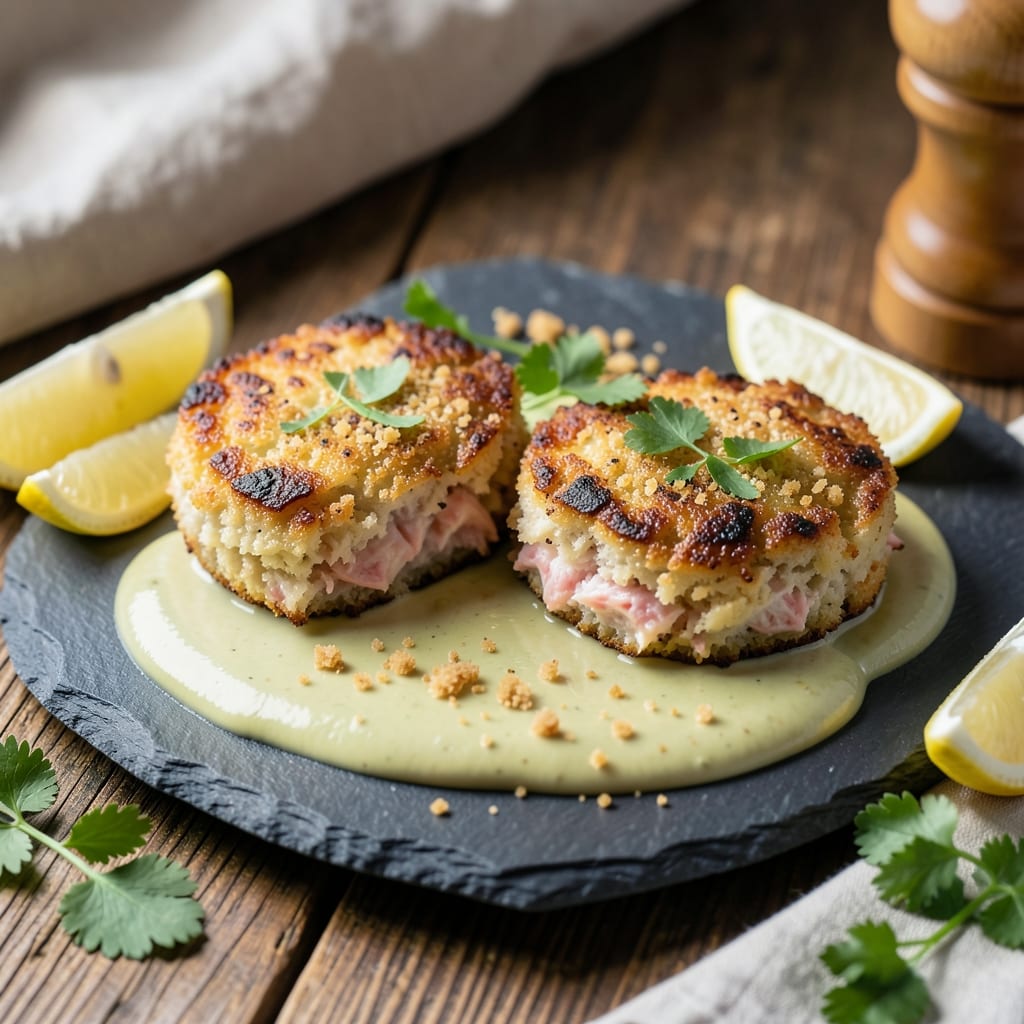
Anthony's Homeport crab cakes deliver the perfect balance of golden crispy edges and juicy lumps of crab meat, a signature dish that feels like a taste of the Chesapeake Bay. 💛 The secret lies in the right mix of fresh crab, sturdy breadcrumbs, and a touch of Old Bay seasoning that transforms simple ingredients into something extraordinary. This recipe captures the essence of what makes Homeport's version so beloved—crispy on the outside, tender on the inside, with every bite packed with flavor.
The foundation of these crab cakes is a foolproof mixture that binds perfectly without overpowering the natural sweetness of the crab. Using a blend of panko and regular breadcrumbs creates the ideal texture, while mayonnaise adds moisture and richness. The key to achieving that signature crispiness is pan-frying in batches, ensuring each cake gets the attention it needs to develop that perfect golden crust. This method guarantees restaurant-quality results without the fuss.
What sets these crab cakes apart is their ability to deliver on both texture and flavor—crispy enough to hold up to tartar sauce or a lemon wedge, yet juicy enough to melt in your mouth. The Old Bay seasoning adds a subtle kick, while the buttery breadcrumb crust provides the perfect contrast. Served with a side salad or roasted vegetables, these crab cakes make for a satisfying main course that’s both elegant and approachable.
Whether you're hosting a dinner party or treating yourself to a special meal, this recipe is designed to impress. The beauty of these crab cakes lies in their versatility—they’re perfect for a casual weeknight dinner or a more formal gathering. With just a few simple ingredients and a little patience, you’ll have a dish that’s sure to become a staple in your cooking repertoire.
Ingredients for anthony's homeport crab cake
Fresh crab, golden breadcrumbs, and a touch of Old Bay—these are the stars behind Homeport's legendary crab cakes.
| Ingredient | Amount | Notes |
|---|---|---|
| Fresh Lump Crab Meat 🦀 | 1 ½ lb | Backfin or imitation-free preferred |
| Panko Breadcrumbs 🍞 | ¾ cup | Light and sturdy for crispiness |
| All-Purpose Breadcrumbs 🍞 | ¼ cup | For texture contrast |
| Mayonnaise 🥫 | ¼ cup | Full-fat for binding |
| Large Eggs 🥚 | 2 whole | Room temperature for even binding |
| Old Bay Seasoning 🌶️ | 1 ½ tbsp | Classic Chesapeake flavor |
| Lemon Zest 🍋 | 1 tbsp | Freshly grated for brightness |
| Chives 🌿 | 2 tbsp | Finely chopped, for garnish |
| Unsalted Butter 🧈 | 2 tbsp | Melted for frying |
| Vegetable Oil 🫒 | ½ cup | For even heat distribution |
| Salt 🧂 | ½ tsp | Diamond Crystal preferred |
| Black Pepper 🌶️ | ¼ tsp | Freshly cracked |
| Lemon Juice 🍋 | 1 tbsp | Freshly squeezed |
The crab meat is everything here. Fresh lump crab from a trusted seafood market—like Weeks or Whole Foods—gives you that signature texture. Look for bright, moist crab with minimal shell fragments. If you're using imitation crab, add an extra tablespoon of Old Bay to compensate for flavor. The panko breadcrumbs are non-negotiable for that signature crispiness, but mixing in regular breadcrumbs adds a subtle contrast that keeps the texture interesting. For the mayonnaise, Hellmann's or Duke's are reliable choices—just make sure it's full-fat to bind properly.
No fresh crab? High-quality canned lump crab works in a pinch, but drain it thoroughly and pat dry with paper towels. Running short on panko? Toast regular breadcrumbs in a dry pan first to mimic the texture. The Old Bay seasoning is the soul of these crab cakes—if you can't find it, mix 1 tsp paprika, 1 tsp thyme, 1 tsp celery salt, and ½ tsp black pepper. For extra richness, add 1 tbsp melted butter to the mixture. The lemon zest and juice are what keeps these crab cakes from being too heavy—don't skip them, even if you're not a huge lemon fan.
Once you've mixed everything, chill the crab cake mixture for 30 minutes—this helps them hold together better when frying. The crab cakes keep well in the fridge for 2 days, covered tightly. For leftovers, reheat in a skillet with a little butter over medium heat until crispy again. If you're prepping ahead, shape the crab cakes and freeze them on a tray before transferring to a bag—this way, you can fry straight from frozen without worrying about them sticking.
Why You'll Love This Recipe
- No Fuss Assembly: I swear, this comes together faster than my coffee order at the drive-thru. Just mix the lump crab with mayo, eggs, and breadcrumbs—no chopping, no fancy techniques. The panko gives that perfect crunch without needing a food processor.
- Creamy-Crunch Magic: That first bite? Pure satisfaction. The outside gets golden and crispy from the panko, while the inside stays tender and buttery from the mayo and fresh crab. Honestly, it’s the kind of texture that makes people ask for the recipe mid-bite.
- Weeknight to Party: I’ve served these as a quick weeknight dinner with lemon wedges and as the star at summer barbecues. They reheat beautifully for leftovers, or you can even make them ahead and pan-fry fresh. (Yes, even on a Tuesday night.)
- Budget-Friendly Luxury: Fresh lump crab can be pricey, but this recipe uses just enough to feel special without breaking the bank. The eggs and breadcrumbs stretch it further, so you get more servings for the cost. My secret weapon for making seafood feel like a splurge.
Step-by-step instructions for anthony's Homeport crab cakes
Here's how to achieve that legendary Homeport crunch and melt-in-your-mouth texture every time.
👨🍳 Step 1: Prepare the Crab Mixture with Precision
In a large mixing bowl, gently combine the 1.5 lb fresh lump crab meat with the 0.75 cup panko breadcrumbs and 0.25 cup all-purpose breadcrumbs. I use my hands for this part—it helps me feel the texture and ensure even distribution of the crumbs throughout the crab. This combination gives you that perfect balance of crispy exterior and tender interior.
Add the 0.25 cup mayonnaise, 1.5 tbsp Old Bay seasoning, 1 tbsp lemon zest, 0.5 tsp salt, and 0.25 tsp black pepper. Mix everything together just until combined—don't overwork the mixture or you'll break down those precious crab lumps. The Old Bay seasoning is the secret here; it gives you that authentic Chesapeake flavor that makes these crab cakes truly special.
🥘 Step 2: Bind with Eggs and Chill for Structure
In a separate bowl, beat the 2 whole large eggs until just combined, then stir them into the crab mixture. The eggs act as the binder that holds everything together. Add the 1 tbsp lemon juice and mix again, just until fully incorporated. Here's the thing—don't skip the chilling step. Once everything is well combined, transfer the mixture to a covered bowl and refrigerate for at least 30 minutes (I prefer 1 hour for best results).
Chilling does two crucial things: it firms up the mixture so it holds its shape when forming the cakes, and it allows all the flavors to meld together. The cold temperature also helps prevent the crab cakes from falling apart when you fry them later. This is where the magic happens—patience at this stage ensures perfect texture later.
🔥 Step 3: Form and Fry to Golden Perfection
Heat 2 tbsp unsalted butter and 0.5 cup vegetable oil in a large skillet over medium heat until the butter melts and the oil shimmers—this should take about 3-4 minutes. The combination of butter and oil gives you both flavor and even heat distribution. While the pan heats, I like to form the crab cakes on a plate using a ⅓-cup measure, packing them gently but firmly. This size gives you perfect proportions for four generous crab cakes.
Carefully slide the formed crab cakes into the hot pan, being gentle to avoid them breaking apart. Cook for 3-4 minutes per side until they're golden brown and deeply crispy. Here's the moment that matters: don't rush this step. You'll know they're ready when the edges are beautifully browned and the center feels just firm enough to hold its shape. If it sticks, don't panic—just press down gently with a spatula for a few seconds to help it release.
🍽️ Step 4: Finish with Chives and Serve Immediately
Transfer the cooked crab cakes to a paper towel-lined plate to drain any excess oil. While they're still hot, sprinkle them generously with the 2 tbsp finely chopped chives. The chives add a fresh, bright finish that cuts through the richness of the crab and butter. Serve immediately—these crab cakes are at their best when hot and crispy, with that perfect contrast of crunchy exterior and tender, juicy interior.
For an extra-special touch, I like to serve them with a side of classic tartar sauce or a simple lemon aioli. The key to serving is timing—don't let them sit too long or they'll lose that beautiful crispy texture. Each bite should deliver that perfect combination of crispy, chewy, and juicy all in one amazing experience. And that's what makes these Homeport-style crab cakes truly unforgettable!
Pro Tips For Making Anthony'S Homeport Crab Cake
- Drain and Pat Dry: Fresh lump crab meat holds way more water than you’d think—if you skip draining it thoroughly, your crab cakes will turn out soggy no matter how much breadcrumb you use. Spread the meat on paper towels and press gently with another towel to absorb moisture. I learned this the hard way after making a batch that fell apart when flipping.
- Mix Just Until Combined: Overworking the crab mixture makes the cakes dense and rubbery. Once you’ve folded in the mayo, egg, and breadcrumbs, stop mixing after 10-12 turns with a spatula—just enough to bind. The lumps are fine; they’ll disappear when seared. I used to mash it like pancake batter, and the texture suffered.
- Use Two Skillets: Crowding the pan steams the crab cakes instead of browning them, and that’s a fast track to greasy, uneven cooking. Work in batches with about 1.5 inches between cakes—even if it means two trips to the stove. The extra time guarantees a crispy crust, not a sad, limp center.
- Add a Splash of Lemon: The mayo-heavy binder can make the cakes taste flat if you don’t cut through the richness. Stir in 1 tablespoon of fresh lemon juice or zest before shaping—it brightens the crab flavor and balances the texture. I was skeptical until I tried it; now it’s non-negotiable.
Common mistakes when making perfect results
Overmixing the Mixture
One of the biggest mistakes is overworking the crab mixture, which crushes those delicate lumps into a paste. I’ve seen people stir this like they’re making pancake batter—don’t do that. Once you’ve combined all ingredients, mix just until everything is evenly distributed. The crab should still have visible chunks and texture. Overmixing releases excess moisture, leading to dense, flavorless crab cakes instead of the light, airy texture you want. 🦀
Skipping the Chill Step
If you rush and skip the 30-minute chill (or worse, skip it entirely), your crab cakes will fall apart when frying. The eggs and mayo need time to set, and the mixture needs to firm up. I’ve made this mistake—trust me, it’s not pretty. The cold also helps the flavors meld, so don’t be tempted to skip it just to save time. If you’re in a hurry, at least chill for 20 minutes—it’ll still make a difference.
Using Too Much Oil
While you need oil for frying, using too much (like more than ½ cup) dilutes the flavor and makes the crab cakes greasy instead of crispy. The butter is what adds richness, so focus on getting that melted and shimmering before adding the crab cakes. I like to use a light coating of oil—just enough to prevent sticking without overwhelming the pan. Too much oil also lowers the cooking temperature, leading to soggy instead of crispy results.
Frying at Wrong Heat
The pan needs to be medium heat, not high or low. If it’s too hot, the outside burns before the inside cooks through. If it’s too cool, the crab cakes absorb oil and turn greasy. The butter should melt and the oil should shimmer gently—that’s your cue it’s ready. I test with a small piece of breadcrumb: if it browns in 30 seconds, the pan is perfect. If it burns instantly, let it cool slightly. 🔥
Not Pressing Gently
When forming the crab cakes, press them just enough to hold together—don’t pack them like taco meat. Over-pressing releases moisture, making them dense. I use a ⅓-cup measure to portion, then gently shape with my hands, pressing lightly to keep the lumps intact. If they crumble when sliding into the pan, they’re too loose—add a little more egg or chill longer next time.
Serving Too Late
Crab cakes are best served immediately after frying—waiting even 5 minutes lets them absorb moisture and lose crispiness. I’ve had guests complain about soggy crab cakes because I let them sit too long. Serve them straight from the pan, garnished with chives, and pair with tartar sauce or lemon aioli while they’re still hot. If you need to hold them briefly, keep them warm in a 200°F oven on a wire rack (not a plate) to maintain crispness.
Nutrition facts
Frequently asked questions
Can I make these crab cakes ahead of time?
Yes, but with a few key adjustments! Shape the crab cakes and freeze them on a tray before transferring to a bag. When ready to cook, fry them straight from frozen—just add 1 extra minute per side to ensure they're fully cooked through. For fridge prep, form the cakes and chill uncovered for 1 hour to firm up, then store covered for up to 2 days. Reheat gently in a skillet with butter to restore crispiness.
What if I can't find fresh lump crab?
No problem! Use high-quality canned lump crab instead, but drain it thoroughly and pat it completely dry with paper towels to remove excess moisture. For extra flavor, add 1 extra tablespoon of Old Bay seasoning and 1 teaspoon of Worcestershire sauce to the mixture. The texture will be slightly different but still delicious—just expect a more uniform consistency without the signature lumps.
How do I keep the crab cakes from falling apart?
This usually happens from one of two issues: overmixing or skipping the chill step. Mix just until combined (visible lumps should remain), then chill the mixture for at least 30 minutes to let the eggs and mayo set. When forming, press gently but firmly—think "packing snow" rather than "mashing potatoes." If they still crumble, add 1 extra egg yolk to the mixture for better binding.
Can I bake these instead of frying?
Preheat oven to 400°F and line a baking sheet with parchment paper. Form the crab cakes and place them on the sheet, then bake for 12-15 minutes until golden and crispy. For extra crunch, brush the tops with melted butter halfway through. Baking gives a slightly different texture (less crispy than frying) but still delicious. Just watch closely after 10 minutes to prevent over-browning.
What's the best way to reheat leftover crab cakes?
Reheat in a skillet over medium heat with 1 tablespoon butter for 2-3 minutes per side until crispy again. For oven reheating, bake at 375°F for 5-7 minutes on a wire rack (not a plate) to maintain crispiness. Microwaving is possible but will make them soggy—if you must, cover with a damp paper towel and heat for 20 seconds, then finish in the skillet.