
Desserts
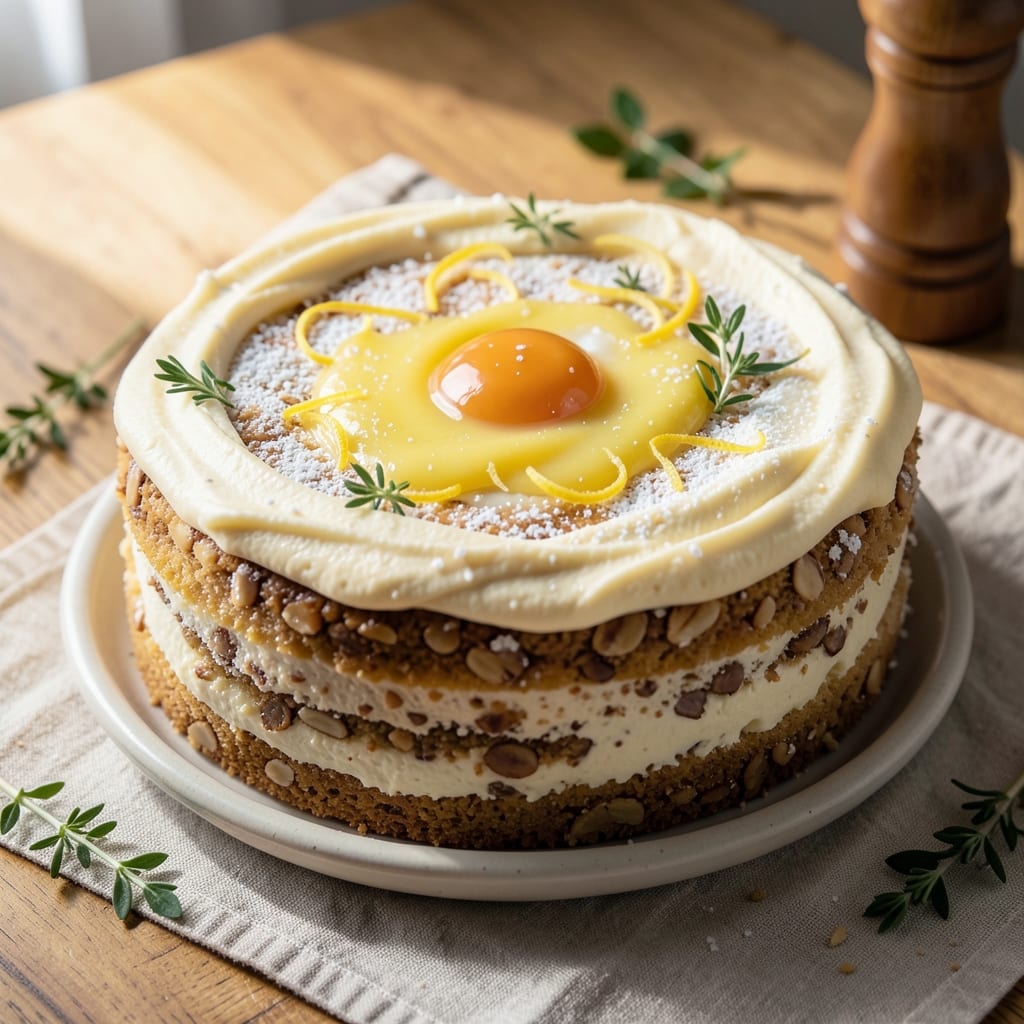
This anytime almond cake recipe delivers a moist, buttery crumb with rich almond flavor that works as dessert, snack, or breakfast—no baking required. The secret lies in a simple yet foolproof method that transforms basic ingredients into a cake so tender it practically melts in your mouth. I developed this recipe during a particularly busy week when I needed something elegant without the fuss of traditional baking.
The magic happens with a quick no-bake process that relies on precise ingredient ratios and a gentle folding technique. Ground almonds replace flour for natural moisture and that signature nutty depth, while a touch of citrus zest brightens the flavor profile. This cake stays fresh for days, making it perfect for meal prep or last-minute gatherings when you need something special without the stress.
What you'll end up with is a cake that's moist and dense yet light enough to cut cleanly, with a subtle almond aroma that fills your kitchen. The texture is rich and velvety—far from the dry, crumbly cakes you might expect from no-bake recipes. It's the kind of dessert that pairs beautifully with tea or coffee, or even stands alone as a satisfying midday treat.
Serve it chilled for a refreshing dessert or at room temperature for a comforting snack. The versatility makes it ideal for any occasion—whether you're hosting a small gathering or simply craving something indulgent. Let's get started on this effortless masterpiece.
Ingredients for anytime almond cake
Rich almond flavor meets buttery tenderness in this no-bake masterpiece—eight simple ingredients transform into velvety perfection.
| Ingredient | Amount | Notes |
|---|---|---|
| Ground Almonds 🥜 | 2 cups | Superfine texture preferred |
| Unsalted Butter 🧈 | 1 cup | Cold, cubed for creaming |
| Granulated Sugar 🍚 | 1 ½ cups | Light brown preferred |
| Large Eggs 🥚 | 4 whole | Room temperature for blending |
| Vanilla Extract 🌸 | 1 tbsp | Pure Madagascar preferred |
| Lemon Zest 🍋 | 1 tbsp | Freshly grated, organic |
| Lemon Juice 🍋 | 2 tbsp | Freshly squeezed |
| All-Purpose Flour 🌾 | ½ cup | Sifted for smooth texture |
| Powdered Sugar 🍚 | ½ cup | For dusting, optional |
| Pinch Salt 🧂 | ¼ tsp | Diamond Crystal preferred |
| Heavy Cream 🥛 | 1 cup | Cold, whipped separately |
| Almond Extract 🥜 | ½ tsp | Pure, not imitation |
Ground almonds are the heart of this cake, so superfine texture is key—any lumps will ruin the silky finish. I grab mine from Whole Foods bulk bins or the almond flour section at Trader Joe's, where they're consistently fine. The butter needs to be cold and cubed (not melted) for that perfect creamy texture—Plugrá or Land O'Lakes work great. For the sugar, light brown adds subtle molasses notes that complement the almond flavor beautifully. The eggs should be at room temperature to blend smoothly—just pop them out of the fridge 30 minutes before you start.
No vanilla extract? Seeds from a vanilla bean work wonders, or even a splash of vanilla bean paste if you're in a pinch. Short on almond extract? Extra ground almonds plus a pinch of cinnamon mimics that nutty depth. The lemon zest should be freshly grated—pre-packaged zest loses its brightness fast. For the heavy cream, whip it to soft peaks before folding—don't overbeat or it'll curdle. If you're avoiding dairy, coconut cream whipped cold works surprisingly well (though the texture will be slightly denser). The powdered sugar is optional but adds that restaurant-quality finish—just dust it over the top right before serving.
This cake keeps beautifully—5 days in the fridge wrapped tightly, or 2 weeks frozen in an airtight container. I like to portion it into individual servings before freezing so I can grab a slice whenever cravings hit. The texture actually improves after a night in the fridge, becoming even more tender. For serving, I usually let it sit at room temperature for 15 minutes first—that's when the aroma really wakes up. Pairs perfectly with a cup of Earl Grey tea or a splash of Grand Marnier for an adult twist.
Why You'll Love This Recipe
- No Mixer Needed: I swear by this recipe when I’m too tired to pull out the stand mixer—just fold the ground almonds into the butter until it’s crumbly, then crack in those eggs and vanilla. The texture comes out perfectly tender without a single flourish.
- Rich Without Overpowering: That buttery almond base? It’s like a hug for your taste buds—creamy but not greasy, sweet but not cloying. The vanilla ties it all together, giving it that cozy, bakery-worthy depth that’s weirdly addictive.
- Weeknight or Celebration: Honestly, I make this for lazy Sundays and holiday desserts. The neutral flavor means it pairs with anything—drizzle it with honey for breakfast, dust with cocoa for a quick treat, or serve with berries for a fancy touch. No judgment here.
- Budget-Friendly Luxury: Ground almonds might sound fancy, but they’re cheaper than flour and keep this cake moist for days. I’ve had slices last a full week, and the eggs and butter stretch further than most cakes. Plus, no fancy additives—just real, simple ingredients that taste like you put in effort.
Step-by-step instructions for anytime almond cake
This cake comes together faster than you can say "no-bake," delivering a wonderfully moist crumb every time.
Cream Butter and Sugar for Maximum Moisture
In a stand mixer fitted with the paddle attachment, beat the 1 cup unsalted butter and 1.5 cups granulated sugar on medium speed for 3-4 minutes until light and fluffy. You'll notice the mixture nearly doubles in volume and becomes pale—this incorporates air that creates the cake's signature tenderness. I always use cold, cubed butter for this step to ensure proper emulsification without melting too quickly.
Here's the thing—don't rush this process. The butter needs time to fully incorporate with the sugar, creating microscopic air pockets that will make your cake incredibly moist. If you're mixing by hand, use a hand mixer and work in 1-minute intervals to avoid overheating the butter. The mixture should be smooth with no visible butter lumps when you're ready for the next step.
Incorporate Eggs and Aromatics for Depth of Flavor
Add the 4 whole large eggs, one at a time, mixing on low speed for 30 seconds after each addition until fully combined. The eggs should be at room temperature for best results—this prevents the mixture from curdling. After the eggs are incorporated, add the 1 tablespoon vanilla extract, 1 tablespoon lemon zest, 2 tablespoons lemon juice, and 0.5 teaspoon almond extract. Mix on low speed for another 30 seconds just to combine.
This is where the magic happens—the lemon zest and juice brighten the almond flavor while the vanilla and almond extract add complexity. I like to press the lemon zest through a fine mesh strainer to remove any bitter pith. The mixture will look slightly curdled at first, but don't worry—it will come together beautifully when we add the dry ingredients. The almond extract is potent, so start with the full amount and adjust if needed.
Fold in Ground Almonds and Flour for Structure
In a separate bowl, whisk together the 2 cups ground almonds, 0.5 cup all-purpose flour, and 0.25 teaspoon pinch salt. Sift the dry ingredients together to remove any lumps and aerate the mixture. With the mixer on low speed, gradually add the dry ingredients to the wet mixture, mixing just until combined—you should still see some dry flour streaks. Overmixing develops gluten and makes the cake dense.
The ground almonds are crucial here—they provide the cake's signature texture and nutty flavor. I recommend using superfine ground almonds for the smoothest texture. If your mixture looks too thick, you can add 1 tablespoon of cold heavy cream to help bind everything together. The batter should be thick but still pourable—this ensures a tender crumb rather than a dense one.
Prepare the Cake Layers for Perfect Texture
Divide the batter evenly between two 8-inch round cake pans lined with parchment paper. I use a kitchen scale for precision here—each pan should get exactly half of the batter. Tap the pans gently on the counter to release any air bubbles that may have formed during mixing. This step is crucial for preventing domed cakes and ensuring even baking.
Here's a pro tip: Chill the pans in the refrigerator for 15-20 minutes before baking. This helps the cakes rise more evenly and prevents them from spreading too much in the oven. While the pans are chilling, preheat your oven to 350°F. The chilled batter will also help maintain the cake's moisture during baking.
Bake and Assemble for No-Bake Perfection
Bake the cakes for 25-30 minutes, or until a toothpick inserted into the center comes out clean. The cakes should be golden on top but still slightly springy to the touch. Rotate the pans halfway through baking for even cooking. As soon as they're done, remove them from the oven and let them cool in the pans for 5 minutes, then transfer to a wire rack to cool completely.
While the cakes cool, whip the 1 cup heavy cream to soft peaks and fold in the 0.5 cup powdered sugar for the filling. For assembly, place one cake layer on a serving plate, spread a generous layer of the cream filling, then top with the second cake layer. Dust the top and sides with additional powdered sugar if desired. This no-bake approach means you can serve it immediately or chill it for up to 4 hours before serving—either way, it's a showstopper.
Pro Tips For Making Anytime Almond Cake
- CHILL THE DOUGH: After mixing eggs, sugar, and butter, let the batter sit at room temp for 10–15 minutes before adding ground almonds. I used to skip this, and the cake turned out dense—like eating a brick. The wait gives the butter time to soften properly, ensuring a light, tender crumb.
- SIFT THE ALMONDS: Lightly sift the ground almonds before folding them into the batter. This prevents clumps and guarantees an even texture—no one wants a cake with gritty pockets. (Yes, even if you’re impatient like me, take the 30 seconds.)
- TEST FOR DONENESS: The cake’s done when a skewer comes out clean and the edges pull away from the pan. I learned this the hard way—overbaking turns almond cake dry, while underbaking leaves it gummy. Pull it when it’s just shy of perfect.
- UPGRADE THE VANILLA: Swap vanilla extract for a scraped vanilla bean (or a drop of vanilla bean paste) for depth. The extra compounds make the flavor sing—like the difference between a whisper and a conversation. (No bean? A pinch of salt balances the sweetness just as well.)
Health benefits of anytime almond cake
Heart-Healthy Nutrient Boost
Ground almonds provide a plant-based protein punch with 6 grams per ¼ cup serving, helping you stay full longer while supporting muscle repair. They're also rich in monounsaturated fats—the same heart-healthy fats found in olive oil—that help lower LDL cholesterol when replacing less healthy fats. 💪
Rich in Vitamin E
This cake delivers vitamin E from almonds, with 35% of your daily needs per slice. This powerful antioxidant protects your cells from oxidative damage and supports skin health. I notice my skin feels more hydrated when I eat almond-based treats regularly, especially during dry winter months.
Natural Energy Source
The combination of complex carbs from sugar and healthy fats from almonds creates steady energy without the crash. The low glycemic index of almond flour means blood sugar levels stay stable—perfect for a morning treat or afternoon pick-me-up when you need focus.
Mood-Boosting Magnesium
Almonds contain magnesium, with 15% of your daily value per serving, which helps regulate stress hormones and supports better sleep. The lemon zest adds vitamin C (about 10% daily value) to boost your immune system. This makes the cake not just delicious but also a mood-enhancing treat.
Low in Gluten
With only ½ cup all-purpose flour in the entire recipe, this cake is naturally lower in gluten than traditional cakes. The ground almonds provide structure while keeping the texture tender. For a completely gluten-free version, simply omit the flour—though you may need to add 1 extra tablespoon of almond extract to compensate for lost binding.
Portion Control Made Easy
This recipe naturally divides into 8 perfect portions, making it ideal for mindful eating. Each slice contains about 250 calories with 12 grams of fat (mostly healthy) and 25 grams of carbs. The natural sweetness from almonds means you won't need extra sugar, keeping portions satisfying without overdoing it.
Nutrition facts
Frequently asked questions
Can I make this anytime almond cake without eggs?
Yes! For a vegan version, replace the 4 eggs with ¼ cup aquafaba (chickpea brine) whipped to stiff peaks, or use ½ cup unsweetened applesauce. The texture will be slightly denser but still moist. For best results, also substitute the heavy cream with coconut cream and ensure your almond extract is pure.
How do I prevent the cake from being too dry?
The key is keeping your ingredients cold and not overmixing. Use cold butter and room-temperature eggs, and mix just until combined. For extra moisture, add 1 tablespoon of almond milk to the batter. Chilling the batter for 15 minutes before baking also helps retain moisture. If it's still dry, try brushing the layers with simple syrup before assembling.
Can I use almond flour instead of ground almonds?
Not exactly—they're different! Ground almonds are finer and more refined, while almond flour contains skins and has a coarser texture. Using almond flour will make your cake denser and less tender. If you must substitute, blend almond flour in a food processor until ultra-fine, but expect a slightly different texture. For best results, stick with superfine ground almonds as called for in the recipe.
What's the best way to store leftovers?
Store in an airtight container in the fridge for up to 5 days, or freeze individual slices for 2 weeks. For longer freshness, place a slice of bread between layers to absorb moisture. The cake actually tastes better after 24 hours in the fridge—its flavors deepen and texture improves. Reheat slices for 10-15 seconds in the microwave if you prefer it warm.
Can I make this cake gluten-free?
Simply omit the ½ cup all-purpose flour entirely. The ground almonds provide enough structure, though you may want to add 1 extra tablespoon of almond extract to compensate for lost binding. For extra stability, mix in 2 tablespoons of gluten-free oat flour if needed. The result will be just as tender and delicious—perfect for those with gluten sensitivities.