
Desserts
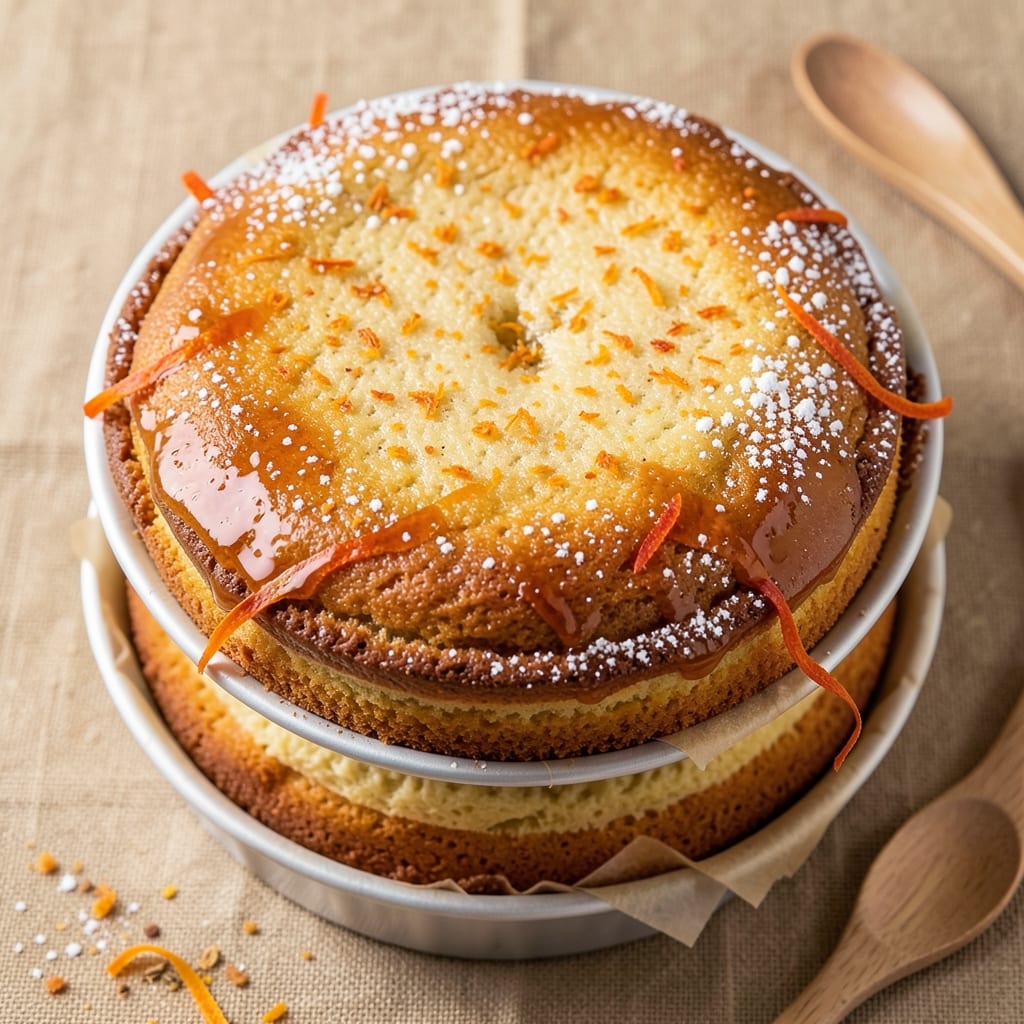
This Aperol cake recipe delivers a sophisticated yet approachable dessert that balances citrus brightness with subtle bitterness—perfect for those who love bold flavors. The Aperol infusion transforms a classic vanilla sponge into something vibrant and unexpected, with layers of moist cake and a tangy cream filling. I developed this recipe after craving a dessert that felt special but still simple enough for weeknight baking.
The secret lies in the Aperol, which adds a distinctive orange hue and a refreshing bitterness that cuts through the richness of the buttercream. You'll need basic baking ingredients like flour, sugar, and eggs, along with a few key additions: Aperol itself, orange zest for extra brightness, and a touch of vanilla for depth. The result? A cake that’s light, tender, and bursting with flavor—without tasting overly sweet.
What you’ll end up with is a bright orange cake with layers of citrus-infused sponge and a velvety cream filling, all dusted with powdered sugar for a restaurant-worthy finish. The Aperol’s signature taste shines through without overpowering, making this the ideal dessert for brunch, dinner parties, or even a cozy night in. Serve with whipped cream or fresh berries to complement the citrus notes.
The best part? This recipe is foolproof—no advanced techniques required. Whether you're a seasoned baker or just starting out, the step-by-step instructions will guide you to a showstopping dessert that tastes as impressive as it looks. Let’s get baking!
Ingredients for aperol cake
Bright citrus flavor meets buttery richness in this Aperol-infused cake recipe.
| Ingredient | Amount | Notes |
|---|---|---|
| All-Purpose Flour 🌾 | 2 ½ cups | Sifted for light texture |
| Granulated Sugar 🍚 | 2 cups | Superfine preferred for smoothness |
| Unsalted Butter 🧈 | 1 ½ cups | Room temperature, full-fat |
| Large Eggs 🥚 | 4 whole | Room temperature, separated |
| Aperol 🍊 | ½ cup | High-quality, chilled |
| Orange Zest 🍊 | 2 tbsp | Fresh, finely grated |
| Pure Vanilla Extract 🌿 | 1 tbsp | Bourbon or Madagascar preferred |
| Baking Powder 🧂 | 2 tsp | Diamond Crystal preferred |
| Salt 🧂 | ½ tsp | Fine sea salt |
| Heavy Whipping Cream 🥛 | 1 ½ cups | Cold, full-fat |
| Powdered Sugar 🍚 | 2 cups | Sifted for smooth buttercream |
| Orange Juice 🍊 | ¼ cup | Freshly squeezed |
| Whole Milk 🥛 | ¼ cup | Room temperature |
| Powdered Sugar 🍚 | ¼ cup | For cake dusting |
The Aperol is non-negotiable here—it’s what gives this cake its signature orange hue and subtle bitterness. Grab a bottle from your local liquor store; the good stuff is usually near the wine coolers. If you can’t find it, Campari works in a pinch (though it’s slightly more bitter). The butter should be soft enough to press with a finger but not melted—room temperature is key. For the orange zest, use only the outer layer of an organic Valencia orange (the thick-skinned variety) to avoid bitterness. Trader Joe’s often carries these, or check the produce section at Whole Foods for the freshest options.
No Aperol? Substitute with 0.25 cup orange liqueur plus 0.25 cup fresh orange juice—it won’t be identical, but it’ll still taste vibrant. Running low on vanilla extract? Vanilla bean paste works at half the amount. The baking powder is crucial—Diamond Crystal measures differently than Rumford, so if your recipe calls for 2 tsp, use 1.5 tsp Diamond Crystal instead. For the buttercream, if you’re avoiding dairy, coconut cream whipped to stiff peaks is a great substitute (though it’ll have a slightly different texture). The orange juice should be freshly squeezed—store-bought isn’t bright enough.
This cake keeps beautifully for 3 days in an airtight container at room temperature, though it’s best enjoyed within 24 hours. For longer storage, wrap tightly in plastic and refrigerate for up to 5 days. The buttercream can be made a day ahead and stored in the fridge—just whip it back to fluffiness before assembling. To serve, dust the layers with powdered sugar just before cutting—it adds that restaurant-finish touch. The cake freezes well for up to 3 months, though the texture may be slightly drier after thawing.
Why You'll Love This Recipe
- No Mixer Needed: I swear by this recipe when I’m in a rush—just cream the butter and sugar by hand for two minutes, fold in the eggs and flour, then pour. The Aperol’s bitterness cuts through the richness, so you don’t even need to overthink the technique.
- Orange-Bitter Magic: That first sip of Aperol in the batter? It’s like a sophisticated aperitif in cake form—bright citrus, a whisper of bitterness, and just enough sweetness to balance it. Honestly, the flavor is so distinct I’ve caught myself sneaking extra slices when no one’s looking.
- Weekend Brunch Star: This cake is my go-to for lazy mornings—slice it thin, toast it lightly, and top with whipped cream or a dusting of powdered sugar. It’s fancy enough for guests but unfussy enough that I make it when I’m still in my pajamas.
- Budget-Friendly Luxury: Aperol might sound fancy, but you only need a splash—about ¼ cup for the whole recipe. The rest is pantry staples: butter, sugar, eggs, flour. It tastes like a splurge, but the cost adds up to less than $5. Leftovers? They disappear fast.
Step-by-step instructions for Aperol cake
Here's how to create layers of vibrant citrus flavor with this refreshing Aperol cake.
Prepare the Cake Batter
Preheat your oven to 350°F and grease three 8-inch round cake pans, lining the bottoms with parchment paper. In a large mixing bowl, combine the 2.5 cups all-purpose flour, 2 cups granulated sugar, 2 tsp baking powder, and 0.5 tsp salt. Sift together for a light, airy texture—this prevents dense layers later.
In a separate bowl, beat the 1.5 cups unsalted butter until smooth and creamy, about 2-3 minutes. Add the 4 whole large eggs one at a time, mixing well after each addition. Stir in the 0.5 cup chilled Aperol, 2 tbsp orange zest, and 1 tbsp vanilla extract until fully incorporated. The batter should be vibrant orange and have a delicate citrus aroma.
Gradually add the dry ingredients to the wet mixture, mixing on low speed until just combined. Avoid overmixing—stop when the batter is smooth but still slightly streaked with flour. Divide the batter evenly among the prepared pans and bake for 25-30 minutes, or until a toothpick inserted into the center comes out clean. Let the cakes cool in the pans for 10 minutes before transferring to a wire rack to cool completely.
Make the Aperol Buttercream
In a medium bowl, whip the 1.5 cups cold heavy whipping cream until soft peaks form. Gradually add the 2 cups powdered sugar, mixing until fully incorporated. Add the 0.25 cup orange juice and 0.25 cup whole milk, then fold in the 0.5 cup Aperol and 1 tbsp vanilla extract until smooth. The buttercream should be light, airy, and have a bright citrus aroma.
For extra flair, divide the buttercream into two portions. To one portion, add the remaining 0.25 cup powdered sugar for dusting later. Spread half of the plain buttercream onto one cake layer, then repeat with the remaining layers. The final layer should have the dusted buttercream on top for a beautiful finish.
Assemble and Chill the Cake
Place the first cake layer on a serving plate and spread a thin layer of buttercream to help the next layer adhere. Add the second layer, then repeat with the third. Gently press down to ensure even layers. Wrap the assembled cake in plastic wrap and refrigerate for at least 4 hours, or ideally overnight. Chilling allows the flavors to meld and makes slicing easier.
Before serving, dust the top and sides with the remaining powdered sugar using a fine-mesh sieve. The cake should have a vibrant orange hue and a delicate citrus scent. Serve chilled for the best texture and flavor—each slice will be moist, tender, and bursting with Aperol's signature bittersweet citrus notes.
Pro Tips For Making Aperol Cake
- Melt Butter Slowly: I learned this the hard way—dumping cold butter into hot sugar makes your batter seize up like glue. Instead, cut the butter into small cubes and melt it gently over low heat, stirring constantly until it’s just liquid. That way, your cake won’t turn out dense or greasy, and the Aperol’s bitterness will shine through instead of fighting a heavy texture.
- Chill the Batter: This isn’t the prettiest method, but it’s the tastiest. After mixing, let your batter sit in the fridge for at least 30 minutes—yes, even if you’re impatient like me. The Aperol’s alcohol needs time to evaporate slightly, or your cake will taste harsh and raw. Trust the process, and you’ll get that perfect balance of citrusy brightness and buttery richness.
- Use Room-Temp Eggs: Cold eggs? Skip it. Whipping them at room temperature makes a real difference in this cake. Cold eggs won’t incorporate as smoothly, and you’ll end up with pockets of unwhipped air—or worse, a cake that collapses in the middle. Pop those eggs in warm water for 5 minutes if you’re in a rush, but don’t skip this step.
- Don’t Overmix the Flour: I was skeptical until I tried it—folding the flour in by hand (yes, even if you’re used to electric mixers) keeps the cake tender. Overmixing develops the gluten, and that’s the last thing you want in a light, airy Aperol cake. Use a spatula and cut through the batter just until combined. Your future self will thank you.
Troubleshooting your aperol cake
Overmixed Batter
If your cake layers turn out dense or rubbery, you’ve likely overmixed the batter. The Aperol cake relies on a delicate balance of airiness, so stop mixing as soon as the flour disappears—just combined is key. I use a hand mixer on low speed for about 30 seconds after adding all the dry ingredients. Overmixing develops gluten, which makes the cake tough. If you’re unsure, err on the side of under-mixing. 🔥
Cake Didn’t Rise
Uneven or flat layers often mean your baking powder wasn’t fresh or the oven temperature wasn’t accurate. Always check your baking powder’s expiration date—old baking powder loses its lift. Also, preheat your oven for at least 15 minutes before baking, and use an oven thermometer to confirm it’s at 350°F. If your pans aren’t hot enough, the cake won’t rise properly. I swear by OxiBake pans for even heat distribution.
Bitterness Overpowers
The Aperol’s bitterness can dominate if you use too much or skip the balancing ingredients. Stick to the 0.5 cup Aperol measurement, and don’t substitute with stronger liqueurs like Campari. The orange zest and vanilla are crucial for balancing the bitterness—never skip them. If your cake tastes too sharp, add a pinch of salt to the buttercream to round out the flavors. 💡
Buttercream Too Thin
A runny buttercream usually means the whipping cream wasn’t cold enough or the powdered sugar was added too quickly. Chill your mixing bowl and beaters for 10 minutes before whipping, and add the sugar gradually while mixing on high speed. If it’s still too thin, whip in 1 tbsp cold heavy cream at a time until it thickens. I’ve found Nestlé Heavy Whipping Cream works best for stability.
Cake Sticks to Pans
If your cake layers tear when removing them from the pans, your butter wasn’t softened enough or the pans weren’t properly greased. Always use room-temperature butter (press a finger into it—it should leave a slight indent) and butter + flour for greasing. For extra insurance, line the pans with parchment paper circles cut to fit. Let the cakes cool in the pans for 10 minutes before transferring to a rack. ✨
Flavor Fades Quickly
The Aperol’s bright citrus notes can mellow if the cake sits too long at room temperature. To preserve freshness, store the assembled cake in an airtight container in the fridge for up to 3 days. If serving ahead, keep the layers separate and assemble just before serving. The buttercream’s flavor also dims if it sits too long—make it fresh or store it in the fridge for no more than 24 hours. 💫
Nutrition facts
Frequently asked questions
Can I make this cake without Aperol?
You can substitute with 0.25 cup orange liqueur (like Cointreau) plus 0.25 cup fresh orange juice for a similar citrus flavor, though the color will be lighter. For a non-alcoholic version, use 0.5 cup extra orange juice and 1 tbsp lemon zest—just expect a milder flavor. The buttercream will still benefit from the orange juice addition!
How do I store leftovers?
Keep the fully assembled cake in an airtight container in the fridge for up to 3 days. For longer storage, wrap each layer separately in plastic and freeze for 3 months. Thaw overnight in the fridge before serving. The buttercream may separate slightly after freezing—just whip it back to fluffiness before reassembling.
Why does my cake taste bitter?
The Aperol's natural bitterness can overpower if you use too much or skip balancing ingredients. Stick to the 0.5 cup measurement and never substitute with stronger liqueurs like Campari. The orange zest and vanilla are essential for harmony—never omit them. If needed, add a pinch of salt to the buttercream to soften the bitterness.
Can I use this cake for a gluten-free diet?
Yes! Replace the all-purpose flour with a 1:1 gluten-free baking flour blend (like Bob's Red Mill) and add 0.5 tsp xanthan gum to improve texture. You may need to reduce other liquids slightly—start with 0.25 cup less milk in the batter. The cake will still be moist but may have a slightly denser crumb. Test with a small batch first!
What's the best way to serve this cake?
Serve chilled with a dollop of whipped cream or a scoop of vanilla ice cream to complement the citrus notes. For extra flair, garnish with fresh berries (like raspberries or blackberries) or a sprinkle of toasted coconut flakes. The powdered sugar dusting adds that perfect restaurant finish—don't skip it!