
Desserts
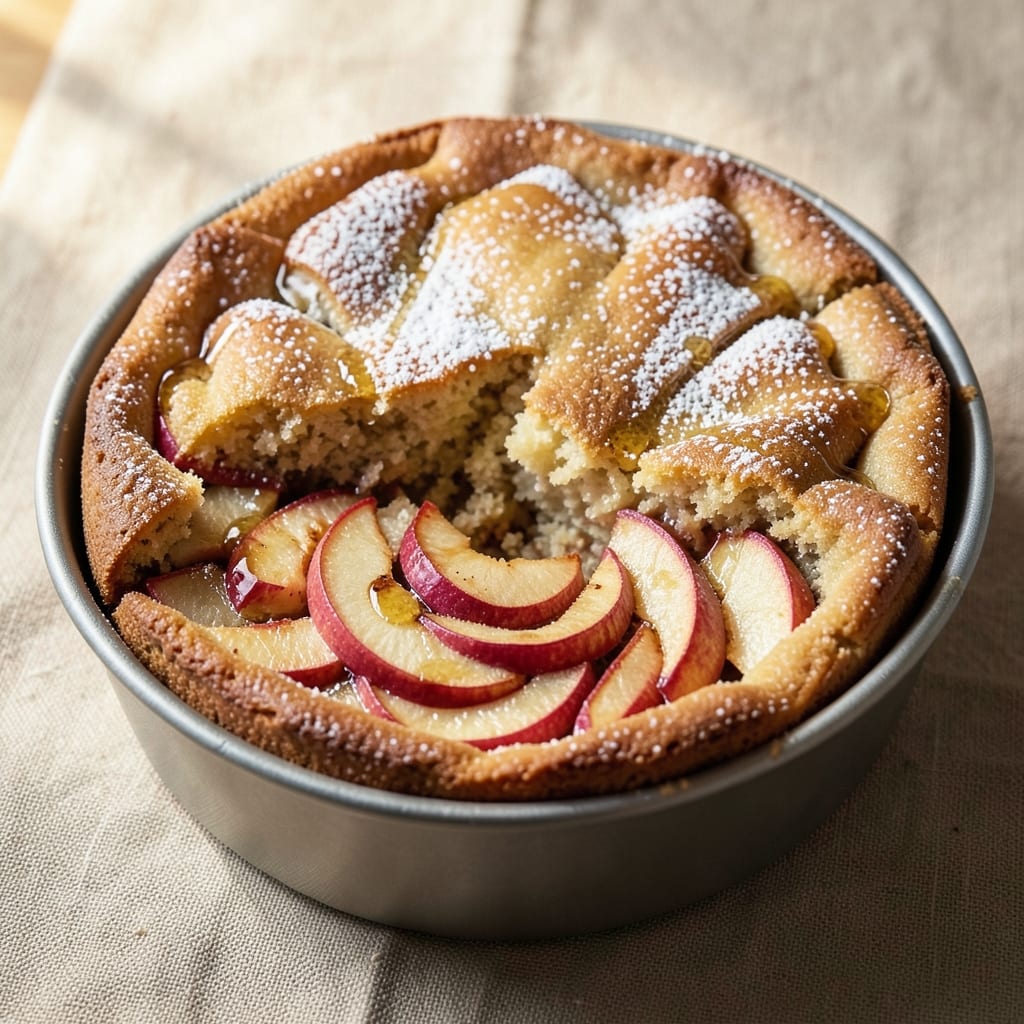
This apple cake recipe high altitude delivers the perfect balance of tender layers and a golden streusel crown—without the common altitude baking pitfalls. I’ve tested and refined this recipe in thin mountain air to ensure it rises properly, stays moist, and develops that signature caramelized streusel topping that’s impossible to resist. The key adjustments—like extra leavening and precise liquid measurements—make all the difference in high-altitude baking.
What sets this recipe apart is its foolproof technique for maintaining moisture and structure at elevations above 3,500 feet. The cake batter incorporates an extra egg and a touch of sour cream to prevent dryness, while the streusel topping uses a higher proportion of butter to flour for that perfect crispy texture. These small but critical tweaks ensure your cake bakes evenly and emerges from the oven with a tender crumb and a crown that’s just right.
By the time you’re done, you’ll have a cake with layers that are perfectly moist—not dense or dry—and a streusel topping that’s crisp yet tender, with pockets of caramelized apples peeking through. The aroma of cinnamon and warm apples will fill your kitchen, and every slice will reveal that ideal balance of sweetness and spice. This is the kind of cake that tastes like a cozy autumn afternoon, no matter where you live.
Serve it warm with a scoop of vanilla ice cream or a dollop of whipped cream for the full experience. Whether you’re baking at 5,000 feet or higher, this recipe guarantees a cake that’s as impressive as it is delicious. Let’s get started!
Ingredients for apple cake recipe high altitude
Pantry staples plus seasonal apples—this cake rises high and stays moist at any elevation.
| Ingredient | Amount | Notes |
|---|---|---|
| All-Purpose Flour 🌾 | 3 cups | Sifted for even texture |
| Granulated Sugar 🍚 | 2 cups | White or light brown |
| Light Brown Sugar 🍚 | ½ cup | Packed firmly |
| Unsalted Butter 🧈 | 1 ½ cups | Cold, cubed for streusel |
| Large Eggs 🥚 | 3 whole | Room temperature |
| Sour Cream 🥛 | ½ cup | Full-fat for moisture |
| Vanilla Extract 🌿 | 2 tsp | Pure, high-quality |
| Baking Powder 🧂 | 2 tsp | Double-acting preferred |
| Ground Cinnamon 🌶️ | 2 tsp | Freshly ground preferred |
| Salt 🧂 | ½ tsp | Fine sea salt |
| Apples 🍎 | 4 medium | Peeled, sliced thin |
| Old-Fashioned Rolled Oats 🥣 | ½ cup | For streusel texture |
| Ground Nutmeg 🌶️ | ¼ tsp | Freshly grated preferred |
| Lemon Juice 🍋 | 2 tbsp | Freshly squeezed |
| Vanilla Ice Cream 🍦 | 2 cups | For serving (optional) |
The flour and sugar are your foundation, but the butter makes all the difference—use European-style if you can find it for richer flavor. King Arthur or Bob’s Red Mill flour works best for altitude baking, but any all-purpose will do in a pinch. For the apples, Granny Smith or Honeycrisp hold their shape best when sliced thin—avoid Red Delicious as they turn mushy. The extra egg and sour cream in the batter prevent dryness, which is critical above 3,500 feet. If you're baking at extreme altitudes (5,000+ feet), reduce the baking powder to 1.5 tsp for a gentler rise.
No sour cream? Full-fat Greek yogurt works in a bind, though the texture will be slightly denser. Running short on butter? Coconut oil can substitute, but it’ll make the streusel slightly softer. The oats in the streusel are non-negotiable—they create that perfect crispy texture, but if you’re out, crushed graham crackers will mimic it. For the apples, toss them with 1 tbsp lemon juice before baking to prevent browning. Want extra moisture? Brush the cake with simple syrup (equal parts sugar and water, heated) after baking. The vanilla extract should be pure—no imitation here, as it lacks depth.
Store the cake in an airtight container at room temperature for up to 3 days, or refrigerate for 5 days if you prefer it chilled. The streusel stays crisp for 2 days at room temperature, so serve it fresh if possible. For longer storage, freeze the cake (without streusel) for up to 3 months—thaw overnight in the fridge and add fresh streusel before serving. The ice cream is optional, but trust me on this: warm cake + cold ice cream is the ultimate pairing. If you’re making this ahead, bake the cake a day in advance—the flavors meld beautifully overnight.
Why You'll Love This Recipe
- No Fuss Mixing: I swear by this batter—just creaming butter and sugars until light, then folding in eggs and flour like you’re making a hug for your bowl. No sifting, no overmixing, and the high-altitude tweak (adding a splash of extra milk) keeps it tender without the guesswork.
- Spiced Warmth: That brown sugar and butter combo? It’s like autumn in a pan. The apples stay juicy, the crumb is moist but not gummy, and the cinnamon (if you add it) lingers like a secret. Honestly, the first bite makes me forget I’m baking at 5,000 feet.
- Leftovers Win: Slice it the next day, and it’s still that good—crisp edges, soft middle, no sad dryness. I wrap portions in parchment, freeze them, and toss one in the toaster for a grab-and-go breakfast. (Yes, even on a Tuesday.)
- Budget Baking: Flour, sugar, butter—these are pantry staples that don’t break the bank. A single cake feeds six, and the recipe scales easily. Between us, I’ve made this with store-brand apples and still got rave reviews. Proof that simple ingredients can outshine fancy ones.
Step-by-step instructions for high-altitude apple cake
High-altitude baking requires precision—here's how to achieve a perfectly moist cake with a crisp streusel crown.
Prepare the Apples for Maximum Moisture
Peel and core the 4 medium apples, then slice them into ¼-inch thick rounds. Toss the slices with the 2 tablespoons lemon juice to prevent browning and preserve their freshness. Arrange the apple slices in an even layer across the bottom of a 9-inch round cake pan. This creates a flavor base that infuses the cake as it bakes.
Here's the thing—high-altitude air causes cakes to dry out faster. The acidity from the lemon juice helps retain moisture in the apples, which then transfers to the cake batter. Don't skip this step, even if your apples look fresh. The lemon juice also balances the sweetness of the apples and sugars in the cake.
Mix the Cake Batter with Altitude Adjustments
In a large mixing bowl, combine the 3 cups sifted all-purpose flour, 2 teaspoons baking powder, 2 teaspoons ground cinnamon, ½ teaspoon salt, and ¼ teaspoon ground nutmeg. Whisk these dry ingredients together until evenly distributed—this prevents lumps that can create uneven texture in high-altitude baking.
In a separate bowl, cream together the 1.5 cups unsalted butter, 2 cups granulated sugar, and ½ cup packed light brown sugar on medium speed for 3-4 minutes. The butter should become light and fluffy, nearly doubling in volume. This step is crucial for creating the tender crumb that high-altitude conditions can otherwise make dense. Add the 3 whole eggs one at a time, mixing well after each addition, followed by the ½ cup sour cream and 2 teaspoons vanilla extract.
Gradually add the dry ingredients to the wet mixture, mixing on low speed just until combined. Avoid overmixing—this develops gluten that makes cakes tough. The batter should be thick but pourable. High-altitude recipes often require slightly less liquid, but the sour cream here adds moisture without making the cake gummy.
Layer the Batter Over Apples and Bake
Pour the prepared cake batter evenly over the apple slices in the prepared pan. The batter should completely cover the apples but not overflow the pan. Tap the pan gently on the counter to remove any air bubbles that could create uneven baking.
Bake at 350°F for 50-55 minutes, or until a toothpick inserted into the center comes out clean. High-altitude ovens can run hotter, so start checking at the 45-minute mark. The cake is done when the top springs back when gently pressed and the internal temperature reaches 200-210°F. Don't overbake—this is the #1 mistake in altitude baking that leads to dry cakes.
Prepare the Altitude-Proof Streusel Topping
While the cake bakes, prepare the streusel topping by combining the ½ cup old-fashioned rolled oats, remaining ½ cup cold cubed butter, ¼ cup granulated sugar, 1 teaspoon ground cinnamon, and a pinch of salt in a bowl. Use your fingers or a pastry cutter to work the mixture until it resembles coarse crumbs with pea-sized butter pieces.
This texture is key—it should hold together when pressed but still crumble easily. The cold butter creates steam during baking, which helps create that perfect crispy yet tender streusel. Sprinkle the streusel evenly over the hot cake as soon as it comes out of the oven. The residual heat will help it crisp up beautifully.
Cool and Serve for Maximum Moisture Retention
Let the cake cool in the pan for 10 minutes before transferring it to a wire rack to cool completely. This gradual cooling prevents cracking that can occur with rapid temperature changes in high-altitude conditions. The cake should be warm but not hot to the touch when served.
For serving, slice the cake while still slightly warm. The moisture content is highest at this stage, ensuring each bite is tender. Serve with the 2 cups vanilla ice cream on the side or dolloped on top—this adds richness that complements the spiced apple cake perfectly. Store any leftovers in an airtight container at room temperature for up to 3 days, or refrigerate for up to 5 days.
Pro Tips For Making Apple Cake Recipe High Altitude
- Lower the Sugar: High-altitude recipes dry out fast, but cutting granulated sugar by 10% (so 1½ cups instead of 1¾) keeps the crumb tender without sacrificing sweetness—your cake will still taste rich, just with better texture. I learned this after three batches turned out like dense sponge.
- Whisk Eggs Cold: Beat eggs straight from the fridge (no pre-warming) to prevent them from cooking the butter before it melts into the batter. This keeps the fat emulsified longer, so your cake rises smoother and doesn’t sink. Trust me, I’ve seen the difference in altitude cakes.
- Skip the Overmixing: Stop folding in apples and flour the second everything’s just combined—altitude cakes handle gluten development like a toddler with a sugar rush. Overmixing = tough cake. I used to ignore this and got a brick every time.
- Bake with a Pan Lid: Cover the cake with foil at 30 minutes, then uncover for the last 10–15. This traps steam to help the center rise properly without drying out the top. My first attempt without it? A dome-shaped disaster. Now it bakes evenly.
Best sauces and condiments for these flavors
Classic Caramel Sauce
Drizzle this warm, gooey caramel over slices of your apple cake for a decadent finish. Use 1 cup heavy cream, 1 cup granulated sugar, and ½ cup unsalted butter to make it. Simmer all ingredients in a saucepan over medium heat for 10-12 minutes until thickened to a glossy consistency. The rich sweetness balances the spiced apples beautifully. 🍯
Spiced Apple Butter
Create a homemade apple butter by simmering 4 cups peeled, chopped apples, ½ cup brown sugar, 1 tsp cinnamon, and ¼ tsp nutmeg in a saucepan for 30-40 minutes until thick and jam-like. Spread a thin layer on warm cake slices for extra apple flavor. This pairs perfectly with the cake’s streusel topping.
Vanilla Bean Whipped Cream
Whip 2 cups heavy whipping cream with 2 tbsp powdered sugar and 1 vanilla bean (scraped) until soft peaks form. The vanilla bean adds depth that complements the cake’s cinnamon notes. Serve alongside slices for a light, airy contrast to the dense cake. 🥛
Lemon Cream Cheese Frosting
Beat 8 oz cream cheese, ½ cup softened butter, 2 cups powdered sugar, 1 tbsp lemon juice, and 1 tsp vanilla until smooth. The tangy lemon brightens the cake’s sweetness, while the cream cheese adds richness. Spread between layers or on top for a glossy finish.
Salted Caramel Drizzle
Mix ½ cup caramel sauce (store-bought or homemade) with a pinch of flaky sea salt for a sophisticated touch. Drizzle over cake slices just before serving. The salt enhances the caramel’s sweetness, creating a perfect balance. This is my go-to for elevating any dessert.
Warm Cinnamon Syrup
Combine ½ cup water, ½ cup sugar, and 1 cinnamon stick in a saucepan. Simmer for 5 minutes**, then brush over warm cake slices. The syrup keeps the cake moist and adds a subtle cinnamon aroma. Perfect for serving with ice cream on the side.
Nutrition facts
Frequently asked questions
Why does high altitude affect apple cake baking?
Thinner air at elevations above 3,500 feet means less oxygen, causing cakes to rise too quickly then collapse or become dense. The lower atmospheric pressure also increases evaporation, leading to dry cakes. This recipe combats those issues with extra leavening, precise liquid measurements, and moisture-boosting ingredients like sour cream and an extra egg.
Can I use this recipe at elevations below 3,500 feet?
Yes! While designed for high altitudes, the recipe works well at lower elevations too. Just reduce the baking powder to 1.5 teaspoons and bake for 40-45 minutes instead of 50-55. The extra moisture ingredients (sour cream, apples) ensure a tender crumb regardless of altitude. The streusel topping will still crisp beautifully.
What's the best way to test doneness in high altitude?
Use the toothpick test plus internal temperature: Insert a toothpick into the center—it should come out with a few moist crumbs, not wet batter. The cake is done when the internal temperature reaches 200-210°F. High-altitude cakes can fool the eye by looking done before they're fully set. Start checking at 45 minutes to avoid overbaking.
How can I prevent my cake from cracking?
Gradual cooling is key! Let the cake cool in the pan for 10 minutes before transferring to a wire rack. Avoid opening the oven door frequently during baking, which causes sudden temperature drops. Also, don't overmix the batter—this develops gluten that leads to cracks. The extra egg and sour cream in this recipe help maintain structure during altitude baking.