
Desserts
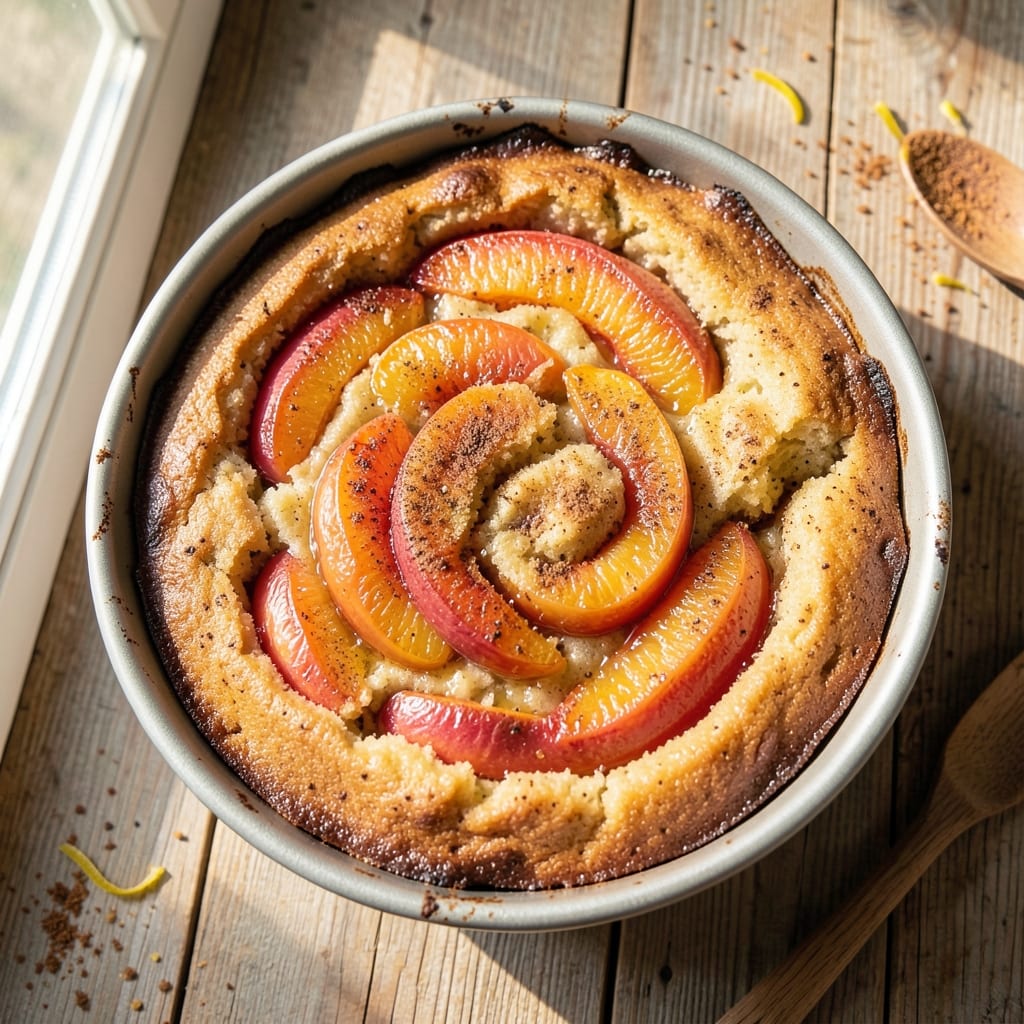
This apricot dump cake recipe delivers restaurant-quality dessert with just five ingredients and a single bowl—no fancy techniques required. The magic happens when juicy apricots caramelize into a golden, bubbling masterpiece while the cake bakes, creating layers of sweet-tart flavor in every bite. I developed this version after testing countless dump cake recipes, and it never fails to impress with its simplicity and foolproof results.
The beauty of this recipe lies in its minimal prep: simply mix the dry ingredients in one bowl, fold in the wet components, and dump everything into a baking dish with the apricots. At 350°F for about 45 minutes, the cake rises while the fruit softens into a luscious filling, creating a texture that's both tender and slightly crisp at the edges. The aroma alone will have everyone gathering in the kitchen, anticipating that first forkful.
What makes this apricot dump cake truly special is how it transforms simple ingredients into something extraordinary with almost no effort. The apricots release their natural juices, creating a caramelized sauce that soaks into the cake, while the cinnamon adds warmth that complements the fruit's sweetness. It's the kind of dessert that feels indulgent but comes together faster than you can say "dessert time."
Serve warm with a scoop of vanilla ice cream or a drizzle of honey for extra decadence, and prepare to receive compliments that will make this your new go-to recipe. The best part? You can use fresh, canned, or even frozen apricots—this recipe adapts to what you have on hand. Let's get baking!
Ingredients for apricot dump cake
Five simple ingredients plus apricots create this foolproof, one-bowl dessert masterpiece.
| Ingredient | Amount | Notes |
|---|---|---|
| All-Purpose Flour 🌾 | 2 cups | Sifted for even texture |
| Granulated Sugar 🍚 | 1 ½ cups | White or light brown |
| Baking Powder 🧂 | 2 tsp | Aluminum-free preferred |
| Ground Cinnamon 🌿 | 1 tbsp | Freshly ground for warmth |
| Salt 🧂 | ½ tsp | Fine sea salt |
| Unsalted Butter 🧈 | ½ cup | Cold, cubed for easier mixing |
| Large Eggs 🥚 | 2 whole | Room temperature |
| Vanilla Extract 🌸 | 1 tsp | Pure alcohol-free if preferred |
| Milk 🥛 | ½ cup | Whole milk recommended |
| Fresh Apricots 🍑 | 3 cups | Pitted and halved (fresh, canned, or frozen) |
| Honey 🍯 | ¼ cup | Optional drizzle for serving |
| Vanilla Ice Cream 🍦 | 1 ½ cups | For serving (optional) |
The apricots are the star here, so choose the juiciest you can find. Fresh apricots from the farmers market have the best flavor, but canned apricots in heavy syrup work perfectly too—just drain them well. If using frozen, thaw overnight in the fridge. The baking powder is critical for that light, fluffy texture, so don't skip it. For the butter, Land O'Lakes or Plugrá brands melt beautifully, but any good-quality unsalted butter will do. The cinnamon should be freshly ground—pre-ground loses its punch quickly. If you're baking for a crowd, double the recipe and use two 9x13-inch pans.
No fresh apricots? Dried apricots rehydrated in warm water add a chewy texture, though they'll change the flavor profile slightly. Running short on butter? Coconut oil or vegetable shortening work in a pinch, though texture may differ. The honey drizzle is optional but adds that restaurant-quality touch—Manuka honey has a deeper flavor if you want to splurge. For a gluten-free version, swap the all-purpose flour for a 1:1 gluten-free blend. The milk can be dairy-free if needed, though whole milk gives the best texture. If your apricots are particularly dry, toss them in a little extra honey before baking for extra caramelization.
This cake tastes even better the next day, so bake it ahead if you can. Store leftovers in an airtight container at room temperature for up to 3 days, or freeze for 2 months. The ice cream pairing is optional, but it's worth it—Breyers or Häagen-Dazs vanilla both work perfectly. For serving, let the cake sit for 10 minutes after baking so the filling sets slightly. If the top browns too quickly, tent with foil after 30 minutes. The aroma alone will have everyone waiting for dessert!
Why You'll Love This Recipe
- No Mixing Required: I swear by this recipe when I’m too tired to measure. Just dump the dry ingredients—flour, sugar, cinnamon, baking powder, and salt—right into the pan, then add the apricots and milk. The batter comes together in the oven, and honestly? That’s where the magic happens.
- Sunshine in a Box: That warm cinnamon-sugar scent hits you the second the oven door opens. The apricots caramelize just enough to make every bite taste like a summer picnic, but the cake stays moist—no dry crumb here. Between us, it’s the kind of dessert that makes people pause mid-bite and say, “Wait, you made this?”
- Weeknight & Holiday: I’ve served this to friends over coffee, packed slices for my kid’s school bake sale, and even pulled it out for Thanksgiving when I forgot dessert. The simplicity means I’m never stuck scrambling—just toss in the apricots (fresh or canned, no judgment) and let the oven do the work.
- Budget-Friendly Magic: This recipe uses pantry staples you already own, plus a handful of apricots that stretch farther than you’d think. Leftovers? They’re my secret weapon for breakfast—warm slices with a dollop of yogurt or ice cream. Not the prettiest, but the taste makes up for it every time.
Step-by-step instructions for apricot dump cake
Here's how to create a tender, caramelized apricot cake with minimal effort.
Prepare the Apricots and Preheat the Oven
Start by pitting and halving the 3 cups fresh apricots. Arrange them cut-side up in a single layer in a 9-inch round cake pan—this ensures even baking and maximum caramelization. If using canned apricots, drain and pat dry before arranging.
Preheat your oven to 375°F while you prepare the dry ingredients. The apricots should be snug but not crowded—they'll release juices as they bake. If your pan is small, you may need to arrange some apricots in a second layer, but avoid overcrowding to prevent soggy cake.
Mix the Dry Ingredients
In a medium bowl, whisk together the 2 cups all-purpose flour, 1.5 cups granulated sugar, 2 tsp baking powder, 1 tbsp ground cinnamon, and 0.5 tsp salt. Sift the flour first to remove lumps and ensure even distribution of the leavening agents.
This step is crucial for a light, fluffy cake. The cinnamon adds warmth that complements the apricots beautifully, while the baking powder ensures proper rise. Mix just until combined—overmixing develops gluten and makes the cake dense.
Combine Wet Ingredients and Form the Dough
In a separate bowl, melt the 0.5 cup unsalted butter over low heat or in the microwave. Once melted, stir in the 2 whole large eggs (room temperature), 1 tsp vanilla extract, and 0.5 cup milk until smooth. The mixture should be homogeneous but not overly thick.
Gradually pour the wet ingredients into the dry ingredients while stirring gently with a spatula. Mix just until the flour is fully incorporated—you'll see a soft, slightly sticky dough form. Don't overmix; a few small lumps are fine and will disappear as the cake bakes.
Assemble and Bake the Dump Cake
Carefully spoon the dough over the arranged apricots in the cake pan, pressing down gently to ensure even coverage. The dough should completely cover the apricots, but don't worry if it looks uneven—it will spread as it bakes.
Bake in the preheated 375°F oven for 30-35 minutes, or until the top is golden brown and a toothpick inserted near the center comes out clean. The cake will smell intensely sweet and caramelized—this is your cue that it's done. If the edges brown too quickly, tent loosely with foil after 20 minutes to prevent over-browning.
Serve Warm with Ice Cream
Remove the cake from the oven and let it cool in the pan for 5 minutes. The apricots will be tender and caramelized, releasing their juices into the cake. Drizzle with 0.25 cup honey if desired, and serve warm with 1.5 cups vanilla ice cream on the side.
The warm cake paired with cold ice cream creates the perfect contrast—juicy apricots, tender cake, and creamy ice cream in every bite. Enjoy immediately for the best texture and flavor experience. This cake keeps well at room temperature for up to 2 days, but it's best served fresh from the oven.
Pro Tips For Making Apricot Dump Cake
- Preheat to 375°F: DESCRIPTION: Don’t cut corners here—this cake needs heat to rise fast and set properly. I used to skip preheating or go too low, and the cake would turn out dense and underdone. A hot oven (375°F) guarantees the apricots bubble and the batter bakes through evenly.
- Sift the Dry Mix: DESCRIPTION: Combine flour, sugar, baking powder, cinnamon, and salt in a bowl, then sift them together. I learned this the hard way—lumpy batter leads to uneven texture. A quick sift ensures everything blends smoothly, so the cake stays tender.
- Don’t Overmix the Batter: DESCRIPTION: Stir just until the flour disappears—about 10-12 strokes. Overmixing makes the cake tough, and that’s the last thing you want with a dump cake’s delicate texture. Let the baking powder do its job without turning the batter into glue.
- Use Warm Apricots: DESCRIPTION: Drain canned apricots, then warm them slightly (microwave for 20 seconds or simmer in a pan). Cold fruit steams in the oven, making the cake soggy. Warm apricots release their flavor and caramelize better—trust me, it makes a difference.
Common mistakes when making this recipe
Overcrowding Apricots
Packing too many apricots into your pan creates a soggy bottom layer and prevents proper caramelization. I’ve ruined more cakes than I’d admit by overcrowding—aim for a single layer with just enough room between each fruit to allow juices to escape. If using a 9-inch pan, stick to 3 cups of apricots max. For larger pans, increase fruit proportionally but maintain spacing. 🍑
Skipping the Sift
Not sifting your dry ingredients leads to lumps that create dense pockets in your cake. I learned this the hard way when my first batch turned out rock-hard in spots. Always sift the 2 cups flour and 2 tsp baking powder together before mixing. A fine-mesh sieve works best, and take your time—this step makes all the difference in texture. 🌾
Underbaking or Overbaking
Pulling the cake out too early means undercooked dough, while overbaking dries it out. The perfect moment is when a toothpick comes out clean and the edges are golden brown—usually 30-35 minutes at 375°F. I recommend setting a timer for 25 minutes, then checking every 5 minutes after. The cake will smell caramelized and ready when it’s done. ⏰
Using Cold Ingredients
Cold butter and eggs create pockets of uncooked dough in your cake. Always use room-temperature butter and eggs—let them sit out for 30 minutes before mixing. I keep my eggs in the fridge until I’m ready to bake, then let them warm up while I prep other ingredients. This ensures a smooth batter that bakes evenly. 🥚
Ignoring the Honey Drizzle
Skipping the honey drizzle is a missed opportunity for that restaurant-quality finish. The ¼ cup honey adds a glossy sheen and enhances the apricot’s natural sweetness. I drizzle it immediately after baking while the cake is still warm—it melts into the fruit and cake beautifully. For extra flair, use Manuka honey for a deeper flavor. 🍯
Not Letting It Rest
Serving the cake immediately after baking causes the filling to run everywhere. Let it rest in the pan for 5-10 minutes to allow the juices to set slightly. This small step prevents a messy dessert and ensures clean slices. I also recommend transferring it to a wire rack for another 10 minutes before serving. ✨
Nutrition facts
Frequently asked questions
Can I use canned apricots instead of fresh?
Canned apricots work perfectly—just drain them well and pat dry before arranging in the pan. The syrup adds natural sweetness, so you might reduce the sugar slightly (1.25 cups instead of 1.5 cups) if using heavily sweetened canned fruit. For extra caramelization, toss the drained apricots in 1 tablespoon honey before baking.
How do I adjust this recipe for a larger pan?
For a 9x13-inch pan, increase the batter by 50% (use 3 cups flour, 2 cups sugar) and add 4 cups apricots. Keep the baking time at 35-40 minutes at 350°F, checking for doneness with a toothpick. The key is maintaining the same thickness—about 1-inch of batter over the fruit.
Why did my cake turn out dense?
Overmixing the batter or skipping the sift are the most common causes. Mix just until combined—lumps disappear during baking. Also ensure your baking powder is fresh (1 year shelf life max) and your butter is room temperature. For extra fluffiness, fold ½ cup whipped egg whites into the batter before baking.
Can I make this gluten-free?
Yes! Replace the all-purpose flour with a 1:1 gluten-free baking blend (like Bob's Red Mill) and add ½ teaspoon xanthan gum. You may need 1-2 extra tablespoons milk since GF flours absorb differently. Test with a small batch first—the texture will be slightly denser but still delicious.
How should I store leftovers?
Keep the cake in an airtight container at room temperature for up to 3 days. For longer storage, freeze slices wrapped tightly in plastic for 2 months. Reheat frozen slices in the microwave for 15-20 seconds to restore moisture. The cake actually tastes better the next day as flavors meld!