
Desserts
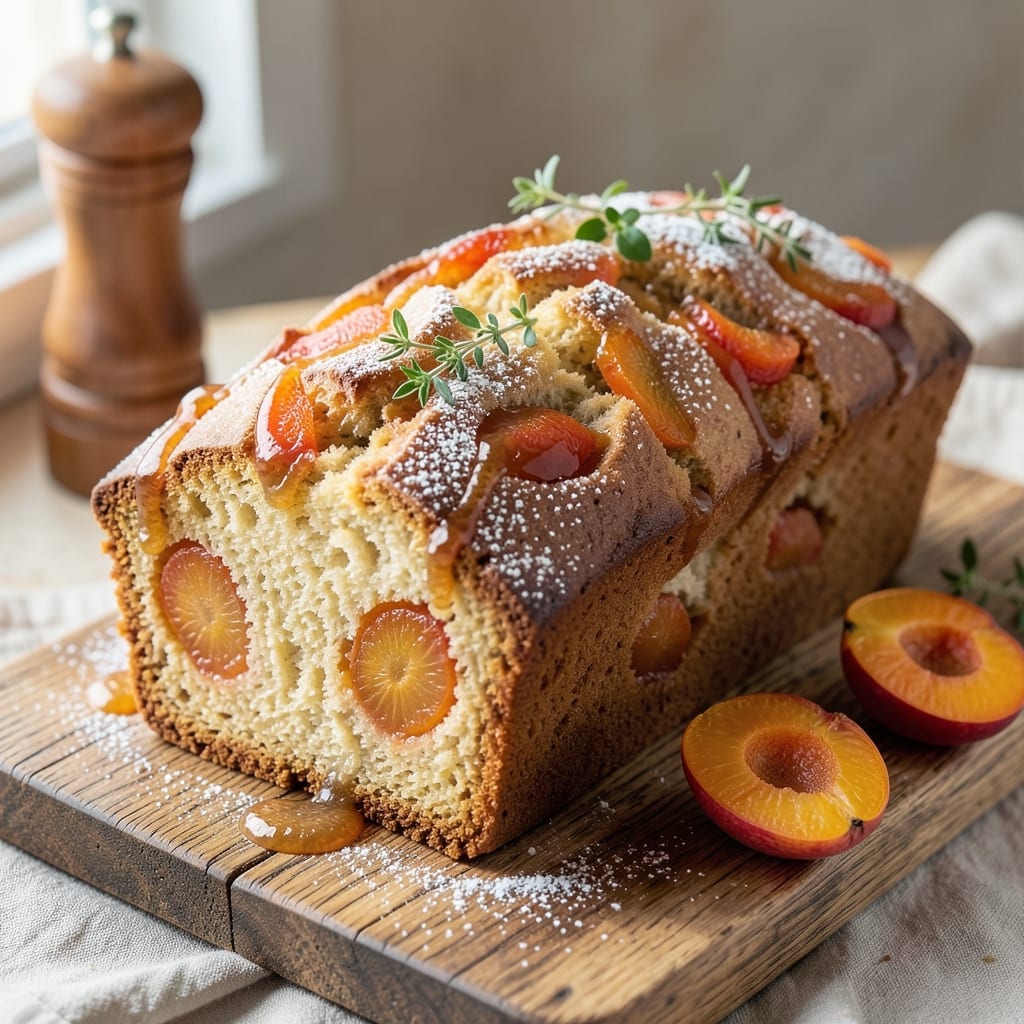
This apricot loaf cake recipe transforms simple pantry staples into a moist, fruity masterpiece that tastes like summer in every bite. 🌞 The secret lies in folding tender dried apricots into a buttery vanilla batter, creating layers of sweetness that stay tender even after cooling. I developed this version after years of testing—no dry cake here, just perfect crumb and just the right amount of fruit to keep it balanced.
The recipe builds on classic loaf cake techniques but adds a zesty citrus glaze that cuts through the richness, making each slice taste fresh. You'll need just 15 minutes of prep time before baking, and the 30-minute bake delivers a cake with a golden crust and a tender interior that crumbles just enough for that perfect texture. The apricots soften slightly during baking, releasing their natural juices that infuse the batter with deep, caramelized flavor.
What makes this loaf cake truly special is how it elevates ordinary apricots into the star of the show. The glaze isn't just decoration—it's a bright, tangy contrast that makes every bite feel like a dessert moment. Whether you serve it warm with a scoop of vanilla ice cream or let it cool for a more elegant presentation, this cake is foolproof and always impressive.
Perfect for brunch gatherings, holiday desserts, or a simple treat when you crave something fruity but not overly sweet. The recipe scales easily, so you can bake one small loaf or double it for a crowd. Let's get started on this sunshine-inspired dessert that's as beautiful as it is delicious.
Ingredients for apricot loaf cake
Sunshine ingredients that turn simple pantry staples into a moist, fruity masterpiece.
| Ingredient | Amount | Notes |
|---|---|---|
| All-Purpose Flour 🌾 | 2 ½ cups | Sifted for light texture |
| Granulated Sugar 🍚 | 1 ½ cups | Light brown preferred |
| Unsalted Butter 🧈 | 1 cup | Room temperature, full-fat |
| Large Eggs 🥚 | 2 whole | Room temperature for blending |
| Pure Vanilla Extract 🌿 | 1 tbsp | High-quality, not imitation |
| Baking Powder 🧂 | 2 tsp | Aluminum-free preferred |
| Salt 🧂 | ½ tsp | Fine sea salt |
| Dried Apricots 🍑 | 1 cup | Chopped, not sweetened |
| Whole Milk 🥛 | ½ cup | Room temperature |
| Lemon Zest 🍋 | 1 tbsp | Freshly grated |
| Orange Juice 🍊 | ¼ cup | Freshly squeezed |
| Powdered Sugar 🍚 | 1 cup | For glaze |
| Lemon Juice 🍋 | 1 tbsp | Freshly squeezed |
| Orange Zest 🍊 | 1 tsp | Freshly grated |
The apricots are the star here—unsweetened dried apricots from the bulk section at Whole Foods or Trader Joe's give the best flavor. Chop them into small pieces (about ¼-inch) so they soften evenly during baking but still keep some texture. If you can't find unsweetened, toss the sweetened ones in a little extra lemon juice to balance the sweetness. The butter? Use full-fat and let it sit out for 30 minutes—room temperature butter blends better into the batter and creates a lighter crumb. For the citrus, fresh is non-negotiable—bottled juice just doesn't have the same bright punch.
No dried apricots? Substitute chopped dried peaches or figs—they work beautifully, though the flavor will be slightly different. Running low on vanilla extract? Vanilla bean paste works too (use half the amount), or even a drop of almond extract in a pinch. The glaze is where the magic happens—if you don't have fresh orange zest, a splash of orange extract (½ tsp) will add that citrusy brightness. For the powdered sugar, any brand works, but if you're using it for other recipes too, Bob's Red Mill is my go-to for smooth texture. And if you're worried about the cake being too sweet, don't be—the apricots and citrus balance it perfectly.
This cake keeps beautifully—3 days at room temperature covered with a cake dome, or up to 5 days in the fridge wrapped tightly. For longer storage, freeze the whole loaf for up to 3 months—just thaw at room temperature before slicing. The glaze sets quickly, so if you're making it ahead, pipe it right before serving for that fresh, glossy finish. And trust me, every slice tastes better the next day—the flavors meld and the cake gets even more tender. Perfect for making ahead for gatherings!
Why You'll Love This Recipe
- No Mixer Needed: I swear by this recipe when I’m too tired for food processors. Creaming the butter and sugar by hand gives it that perfect, tender crumb—no electric mess, just elbow grease and a bowl that’s already half the battle.
- Apricot Magic: That jam swirled into the batter? It’s not just sweet—it’s bright. The tartness cuts through the richness of the butter and vanilla, and the way it soaks into the cake as it bakes? Pure comfort in every bite.
- Weeknight Hero: This cake is my go-to for brunch or a quick dessert when I’ve got company dropping by. Slice it warm with a scoop of vanilla ice cream, and suddenly you’re hosting a party without the stress.
- Budget-Friendly Luxury: Flour, sugar, butter—these are pantry staples that don’t break the bank. The eggs and vanilla make it feel special, but the cost per serving is a fraction of store-bought cakes. Plus, leftovers? They disappear faster than I can say “second slice.”
Step-by-step instructions for apricot loaf cake
Here's how to create a moist, citrus-kissed loaf cake with perfect layers of apricot goodness.
👨🍳 Step 1: Prep Ingredients for Perfect Texture
First, chop the 1 cup dried apricots into small, even pieces—about ¼-inch cubes. This ensures they distribute evenly throughout the cake. Sift together the 2.5 cups all-purpose flour and 2 tsp baking powder in a bowl to remove lumps and lighten the texture.
In a separate bowl, whisk together the 1.5 cups granulated sugar and 0.5 tsp salt. This pre-mixing prevents streaks in the batter. Let the 1 cup unsalted butter and 2 whole large eggs sit at room temperature for at least 30 minutes—this ensures smooth blending and even baking.
🍳 Step 2: Mix Wet Ingredients and Combine
In a large mixing bowl, cream the 1 cup unsalted butter and 1.5 cups granulated sugar together on medium speed until light and fluffy—about 3-4 minutes. This step incorporates air, giving your cake that perfect rise. Scrape down the sides of the bowl to ensure even mixing.
Add the 2 whole large eggs, one at a time, mixing well after each addition. Stir in the 1 tbsp pure vanilla extract and the 0.5 cup whole milk until fully combined. The batter should be smooth and slightly thick. Gradually add the sifted flour mixture, alternating with the 0.25 cup orange juice, mixing just until combined.
🥘 Step 3: Fold in Apricots and Citrus Zest
Gently fold in the chopped 1 cup dried apricots and 1 tbsp lemon zest and 1 tsp orange zest using a spatula. Be careful not to overmix—just combine until the apricots are evenly distributed. The citrus zest adds a bright, zesty flavor that pairs beautifully with the apricots.
Transfer the batter to a 9x5-inch loaf pan lined with parchment paper. Smooth the top with a spatula, then tap the pan gently on the counter to remove any air bubbles. This ensures an even rise and a perfectly shaped loaf.
🔥 Step 4: Bake to Golden Perfection
Preheat your oven to 350°F. Bake the loaf cake for 50-55 minutes, or until a toothpick inserted into the center comes out clean. The edges should be golden brown, and the top should spring back gently when pressed.
If the top browns too quickly, loosely cover it with aluminum foil after 30 minutes to prevent over-browning. The cake is done when it's fully set and pulls away from the edges of the pan.
🍽️ Step 5: Glaze and Serve
While the cake is still warm, prepare the glaze by whisking together 1 cup powdered sugar, 1 tbsp lemon juice, and 1 tbsp lemon juice until smooth. Slowly drizzle the glaze over the top of the cake, letting it cascade down the sides for a beautiful finish.
Let the cake cool in the pan for 10 minutes, then transfer it to a wire rack to cool completely. The glaze will set as it cools, giving your cake that professional, glossy look. Slice and serve warm for the best texture and flavor!
Pro Tips For Making Apricot Loaf Cake
- Whisk Eggs Until Ribbon Stage: Don’t just beat the eggs—stretch the mixture between your whisk and the bowl until it forms a slow, thick ribbon. This lightens the batter and makes the cake tender, not dense. I used to stop when the eggs looked "fluffy," but that’s how you end up with a cake that’s more like a brick.
- Soften Butter Properly: Unsalted butter should be soft, not melted, and leave a slight indentation when pressed. If it’s too cold, the cake will be tough; if melted, it’ll make the texture greasy. My grandmother used to set the bowl in warm water for 5 minutes—works every time.
- Fold Apricots Gently: If you’re adding chopped apricots, don’t stir—they’ll sink to the bottom and make the cake uneven. Instead, use a spatula to fold them in just until combined. This keeps the fruit distributed and the crumb even. (Yes, it looks messy, but it’s worth it.)
- Check Doneness with a Thermometer: Skip the toothpick test—it’s unreliable. The cake is done at 205°F (96°C) internally. Pull it out when the edges are set but the center still jiggles slightly. Overbaking dries out the loaf, and no one wants a sad, crumbly apricot cake.
Serving suggestions for apricot loaf cake
Warm Serving Style
Serve this apricot loaf cake warm straight from the oven for the most tender texture and fragrant flavors. The heat enhances the caramelized notes of the apricots and makes the citrus glaze melt slightly into the cake. I like to slice it into ½-inch thick pieces and arrange them on a wooden board with a dusting of powdered sugar for an elegant touch. Pair it immediately with a scoop of vanilla bean ice cream to balance the warm cake with creamy coolness. 🌞
Elegant Presentation
For a more refined look, let the cake cool completely before slicing. Use a serrated knife dipped in hot water between each slice to create clean, professional cuts. Arrange slices on a platter with fresh berries (raspberries or blackberries) scattered around for color contrast. A few sprigs of mint add a pop of green that brightens the warm tones of the cake. This presentation works beautifully for brunch gatherings or holiday desserts. ✨
Ice Cream Pairings
This cake's citrusy sweetness pairs perfectly with creamy ice cream flavors. My top choices are vanilla bean for a classic combination, or lemon sorbet to enhance the zesty notes. For something unexpected, try honey almond ice cream—the nutty flavor complements the apricots beautifully. Serve the ice cream in small scoops alongside the cake slices for an easy, crowd-pleasing dessert. 🍦
Coffee or Tea Accompaniment
A warm cup of Earl Grey tea or a rich dark roast coffee brings out the cake's citrus and caramel flavors beautifully. The tannins in black tea cut through the sweetness, while the berry notes in Earl Grey enhance the apricot's natural fruitiness. For a non-caffeinated option, serve with chamomile tea—its floral notes create a soothing contrast. 🍵
Make-Ahead Serving
This cake actually tastes better the next day, making it perfect for make-ahead serving. Wrap the cooled loaf tightly in plastic wrap and store at room temperature for up to 3 days. Reheat individual slices in the microwave for 10-15 seconds to restore warmth before serving. The glaze will look fresher if you apply it just before serving, so keep a small bowl of powdered sugar and lemon juice on hand to recreate it quickly. 💫
Seasonal Variations
For summer gatherings, serve the cake chilled with a scoop of mango sorbet on the side. In fall, pair it with apple cider or spiced chai tea to complement the warm spices. During winter holidays, dust the top with toasted coconut flakes for a festive touch. The cake's versatility makes it perfect for any season! 🍂
Nutrition facts
Frequently asked questions
Can I use fresh apricots instead of dried?
Fresh apricots won't work in this recipe—they release too much moisture and would make the cake dense. For a similar texture, try dried peaches or figs (chopped small) as substitutes. If you want to incorporate fresh fruit, consider adding them as a separate layer between cake batter and glaze in a trifle-style presentation.
Why did my cake turn out dry?
Dry cake usually means overbaking or overmixing. Check your oven temperature with an oven thermometer—350°F is critical. Also, ensure you're using room temperature butter and eggs and don't overmix the batter after adding flour. The citrus glaze helps with moisture, so apply it generously!
How do I make this gluten-free?
Replace the all-purpose flour with a 1:1 gluten-free baking flour blend (like Bob's Red Mill) and add ½ tsp xanthan gum to improve texture. Reduce the milk by 2 tbsp since gluten-free flours absorb more liquid. The cake will be slightly denser but still delicious with the citrus glaze!
Can I bake this in a different pan size?
Yes! For a 9x9-inch square pan, reduce baking time to 40-45 minutes. For a 7x3.5-inch loaf pan, increase time to 55-60 minutes. Always use parchment paper and check doneness with a toothpick. The cake will spread slightly in square pans, so don't overfill.
What's the best way to store leftovers?
Wrap cooled slices tightly in plastic wrap and store at room temperature for 3 days. For longer storage, freeze slices for up to 3 months. Reheat individual slices in the microwave for 10-15 seconds—the glaze will soften slightly, making it taste fresh again!