
Desserts
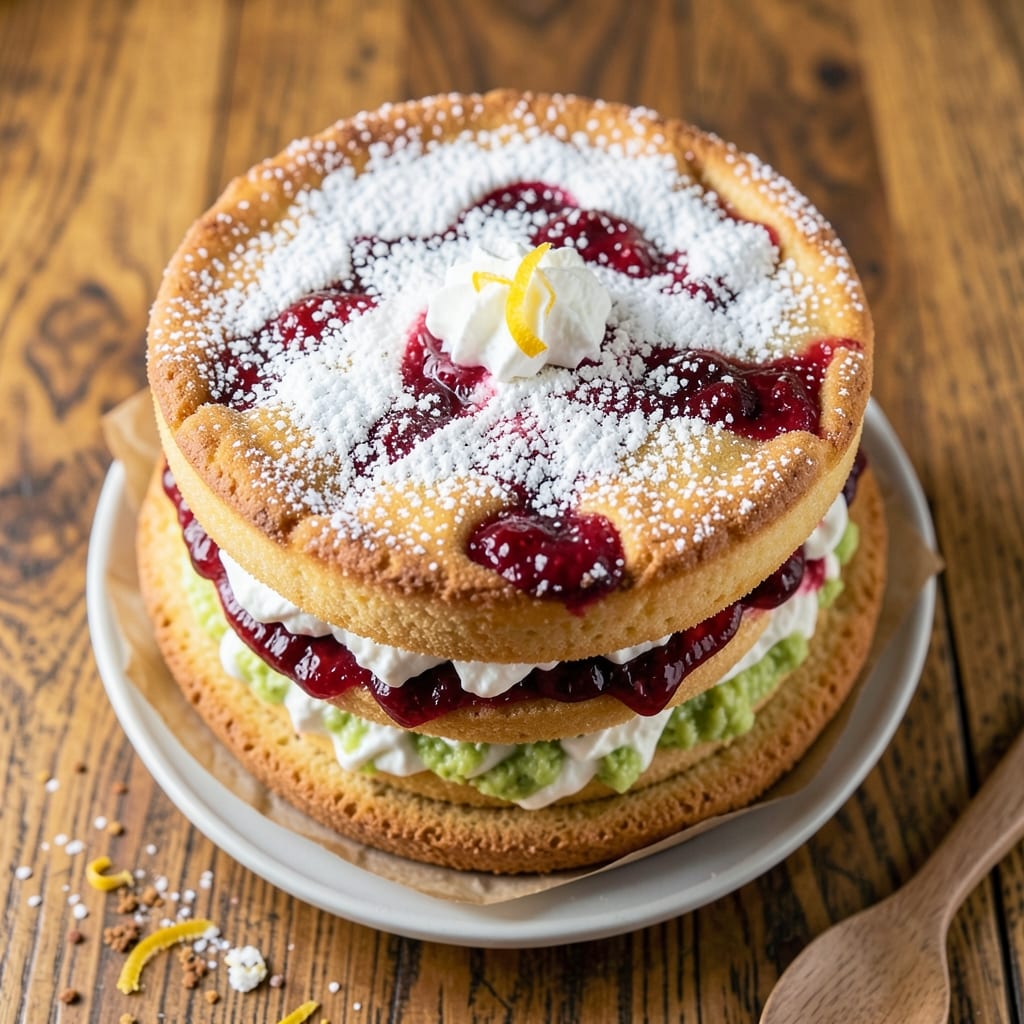
This Arnold Palmer cake recipe delivers the perfect balance of rich coffee and bright orange flavors in every moist, tender layer. The secret lies in infusing coffee into the batter while swirling a tangy orange cream cheese frosting between layers—creating a dessert that’s both nostalgic and refined. I’ve perfected this technique over years of baking, ensuring the cake stays perfectly moist while the frosting adds that signature creamy contrast.
The cake itself is baked in two layers, each infused with freshly brewed coffee for depth, while the frosting combines cream cheese, powdered sugar, and a splash of orange juice for that signature tang. The layers are stacked with precision, and the frosting is swirled in just enough to create visual appeal without overwhelming the delicate coffee flavor. This isn’t just a dessert—it’s a showstopper that tastes even better the next day.
What sets this recipe apart is the harmony of textures: the creamy frosting contrasts beautifully with the tender cake, and the coffee infusion adds a sophisticated touch without overpowering the sweetness. The result is a dessert that’s light enough to enjoy as a mid-afternoon treat but rich enough to satisfy a crowd. Whether you’re celebrating a special occasion or simply craving a classic, this cake delivers every time.
Ready in about 2 hours (including baking and cooling), this recipe is designed for success. The steps are straightforward, and the ingredients are easy to find, making it perfect for both beginners and seasoned bakers. The key is patience—letting the cake cool completely before frosting ensures clean layers and a professional finish. Serve with a dusting of powdered sugar or a sprinkle of cocoa powder for an elegant touch.
Ingredients for arnold palmer cake
Twelve ingredients for a showstopping cake blending coffee's richness with orange's bright tang.
| Ingredient | Amount | Notes |
|---|---|---|
| All-Purpose Flour 🌾 | 3 cups | Sifted for light texture |
| Granulated Sugar 🍚 | 2 cups | White or light brown |
| Powdered Sugar 🍚 | 4 cups | For frosting and dusting |
| Baking Powder 🧂 | 2 tsp | Aluminum-free preferred |
| Baking Soda 🧂 | ½ tsp | Ensures proper rise |
| Salt 🧂 | ½ tsp | Fine sea salt preferred |
| Instant Espresso Powder ☕ | 2 tbsp | High-quality for infusion |
| Large Eggs 🥚 | 4 whole | Room temperature |
| Unsalted Butter 🧈 | 1 cup | Cold, cubed for creaminess |
| Orange Juice 🍊 | ½ cup | Freshly squeezed |
| Vanilla Extract 🌿 | 2 tsp | Pure, high-quality |
| Cream Cheese 🧀 | 8 oz | Room temperature, full-fat |
| Orange Zest 🍊 | 1 tbsp | Freshly grated |
| Milk 🥛 | 1 cup | Whole milk preferred |
| Cocoa Powder 🍫 | 2 tbsp | For optional garnish |
The coffee infusion starts with high-quality instant espresso powder—Starbucks or Nescafé Classic work perfectly. For the orange juice, fresh is non-negotiable (the bottled stuff lacks depth), though Florida or California oranges from the grocery store's produce section work well. The cream cheese should be full-fat—low-fat versions create a crumbly frosting. If you're using a 16-ounce block, you'll need two of them. For the butter, I always grab Land O'Lakes unsalted from the store's dairy case, but European-style butter like Plugrá adds even more richness. The vanilla extract? Pure, Madagascar bourbon if you can find it—it makes a noticeable difference.
No instant espresso powder? Strong brewed coffee cooled completely works in a pinch, though the flavor won't be as concentrated. Substituting orange juice? Grapefruit juice at half the amount adds a similar tang, but you'll need to adjust the sweetness. For the cream cheese frosting, if you're lactose intolerant, Kite Hill almond milk-based cream cheese is a great dairy-free alternative. The cocoa powder for garnish can be swapped for powdered sugar tinted orange—just mix a few drops of food coloring with powdered sugar. And if you're making this ahead, the cake layers can be baked 2 days in advance and stored airtight at room temperature.
The cake layers stay fresh for 3 days at room temperature if wrapped tightly in plastic, but the frosting's creaminess means it's best enjoyed within 2 days. For longer storage, freeze the unfrosted layers for up to 3 months—thaw completely before assembling. The frosting can be made 1 day ahead and stored in the fridge, though it thickens slightly when cold; just whisk it back to smoothness before using. A clean offset spatula is your best friend for swirling the frosting—practice makes perfect, but even imperfect swirls taste amazing.
Why You'll Love This Recipe
- No Mix-Up Needed: I swear by this recipe because it’s literally a one-bowl wonder. Flour, sugar, baking powder—just toss it all in, stir, and bake. Even if I’m distracted (looking at you, midday Zoom calls), the batter comes together faster than I can finish a cup of coffee.
- Iced Tea Magic: That first sip of iced tea with the cake? It’s like summer in a slice. The powdered sugar dusting on top soaks up the tea perfectly, turning every bite into a creamy, citrusy hug—no fancy syrups or complicated layers required.
- Weekend Brunch Star: Honestly, this cake is my lazy Saturday go-to. Serve it warm with a scoop of vanilla ice cream for a crowd, or slice it thin for a picnic spread. The flour-based batter stays moist, so it’s just as happy at room temp as it is fresh out of the oven.
- Budget-Friendly Comfort: Between us, this recipe costs me less than $3 for a whole cake. The pantry staples (flour, sugar, baking powder) stretch forever, and the powdered sugar topping feels indulgent without breaking the bank. Leftovers? They’re the best kind—disappearing fast, no guilt.
Step-by-step instructions for coffee-infused layers with creamy orange swirl
Here's how to build this iconic cake with perfect coffee flavor and velvety orange filling.
Prepare the Coffee Cake Batter
Preheat your oven to 350°F and grease two 9-inch round cake pans with butter, then line the bottoms with parchment paper. In a large mixing bowl, combine the 3 cups all-purpose flour, 2 cups granulated sugar, 2 tsp baking powder, 0.5 tsp baking soda, and 0.5 tsp salt. Sift the dry ingredients together to remove any lumps and ensure even distribution.
In a separate bowl, cream the 1 cup unsalted butter and 2 tbsp instant espresso powder together until light and fluffy. This step infuses the coffee flavor directly into the butter, creating a rich base. Add the 4 whole large eggs one at a time, beating well after each addition. Mix in the 0.5 cup orange juice and 2 tsp vanilla extract until fully combined. Gradually add the dry ingredients to the wet mixture, alternating with the 1 cup milk, beginning and ending with the dry ingredients. Mix just until combined—overmixing develops gluten and can make the cake dense.
Create the Orange Cream Filling
While the cake batter rests, prepare the filling by beating the 8 oz cream cheese and 1 cup unsalted butter together in a medium bowl until smooth and creamy. Add the 4 cups powdered sugar, 1 tbsp orange zest, and 2 tsp vanilla extract, mixing until fully incorporated. The filling should be light and airy, with a vibrant orange hue from the zest. This mixture will create the signature creamy swirl between the cake layers.
Here's the thing—don't rush this step. The texture of the filling is critical for that classic Arnold Palmer experience. If it looks too thick, add 1-2 tablespoons milk to achieve a smooth, pipeable consistency. Cover the bowl with plastic wrap and refrigerate until ready to use.
Bake the Cake Layers
Divide the batter evenly between the two prepared cake pans. For a classic look, use an offset spatula to create a slight well in the center of each pan. Bake for 25-30 minutes, or until a toothpick inserted into the center comes out clean. The edges should be golden brown, and the top should spring back when gently pressed.
I always rotate the pans halfway through baking to ensure even cooking. As soon as the cakes are done, remove them from the oven and let them cool in the pans for 10 minutes. Then transfer them to a wire rack to cool completely. This gradual cooling prevents cracking and ensures clean layers when assembling.
Assemble the Cake
Once the cake layers are completely cool, place the first layer on a cake stand or plate. Spread a generous amount of the orange cream filling evenly over the top, leaving a ½-inch border around the edges. This border prevents the filling from oozing out during slicing. Replace the second cake layer on top and press down gently to create a clean seam.
For the classic Arnold Palmer look, use a serrated knife to cut a 1-inch deep slot in the center of the cake, starting from the top and going all the way through. This creates space for the filling to be piped into the center. Use a piping bag fitted with a star tip to pipe the remaining filling into the center slot, then spread it outward to create a swirl pattern. Chill the assembled cake in the refrigerator for at least 2 hours before serving to allow the filling to set.
Garnish and Serve
Before serving, dust the top of the cake with a light layer of 2 tbsp cocoa powder sifted through a fine-mesh sieve. This adds a beautiful contrast to the creamy orange filling and enhances the visual appeal. For extra flair, you can also add a few drops of orange juice around the base of the cake to create a glossy finish.
Slice the cake into 12 equal wedges using a long serrated knife, wiping the blade with a damp cloth between each cut to ensure clean slices. Serve immediately for the best texture—each bite should deliver a perfect balance of moist coffee cake and tangy orange cream filling. This cake tastes even better the next day, so consider making it ahead for a special occasion.
Pro Tips For Making Arnold Palmer Cake
- STOP OVERMIXING THE BATTER: I learned this the hard way—Arnold Palmer cake has two batters, and if you whip them like pancakes, you’ll end up with a dense, rubbery mess. Mix just until the flour disappears (about 20 strokes per batter), then stop. The cake needs tiny air pockets, not a workout.
- WEIGH YOUR FLOUR: Scooping flour from the bag? You’re inviting uneven texture. Spoon it into a measuring cup, then level it off with a knife—don’t pack it down. This recipe relies on precise ratios, and a cup of flour can weigh anywhere from 120g to 150g depending on how you handle it.
- CHILL THE BATTERS 10 MINUTES: I used to pour the layers straight into the pan, and they’d sink like a rock. Let both batters sit uncovered in the fridge for 10 minutes before baking—this lets the air rise and gives you a taller, lighter cake. (Yes, even if you’re impatient like me.)
- USE A THERMOMETER FOR DONENESS: Arnold Palmer cake is half vanilla, half chocolate, and the chocolate layer can trick you into thinking it’s done when it’s still underbaked. Insert a thermometer into the center of the chocolate layer—it should read 205°F (96°C) before pulling it out. No guessing.
Best sauces and condiments for this arnold palmer cake
Orange Cream Cheese Frosting
The star of this cake is the orange cream cheese frosting, which balances the coffee's richness with bright citrus notes. I use 8 oz cream cheese softened with 1 cup unsalted butter and 4 cups powdered sugar for a light, fluffy texture. The key is adding 1 tbsp fresh orange zest and 2 tsp vanilla extract—this creates that signature tangy-sweet flavor. For extra brightness, I whisk in 2 tbsp fresh orange juice at the end. This frosting isn’t just delicious; it’s the visual centerpiece of the cake with its vibrant orange hue. 🍊
Coffee-Infused Syrup Drizzle
For a sophisticated touch, I drizzle a light coffee syrup over the cake before serving. Simmer ½ cup strong brewed coffee with ½ cup granulated sugar and 1 tbsp orange juice until slightly thickened, then strain. Let it cool before drizzling over the cake in a zigzag pattern. This adds moisture and enhances the coffee flavor without overpowering the frosting. A light dusting of cocoa powder on top ties everything together beautifully. ⚡
Chocolate Ganache Swirl
If you want to add a decadent twist, swap the orange cream cheese frosting for a chocolate ganache swirl in one layer. Melt 8 oz dark chocolate with ½ cup heavy cream, then let it cool slightly before spreading between layers. The contrast of chocolate and coffee is a match made in heaven. For extra flair, pipe a thin chocolate border around the edges of the cake before adding the orange frosting. This creates a stunning two-tone effect that’s perfect for special occasions. 🍫
Caramel Drizzle
A salted caramel drizzle elevates this cake to restaurant-quality status. Heat 1 cup granulated sugar in a saucepan until it melts into amber, then whisk in ½ cup heavy cream and 2 tbsp butter. Stir in a pinch of flaky sea salt and let it cool slightly. Drizzle over the cake just before serving—it adds a rich, buttery contrast that complements both the coffee and orange flavors. For extra crunch, sprinkle toasted pecans on top. 💛
Espresso Glaze
For a glossy finish, brush the cake with a simple espresso glaze before dusting with cocoa powder. Mix ½ cup powdered sugar with 1 tbsp strong coffee and 1 tsp orange juice, then drizzle over the cake. This adds shine and intensifies the coffee flavor without altering the texture. The glaze sets quickly, so work fast to achieve that professional bakery look. A light dusting of cocoa powder on top completes the presentation. ✨
Whipped Cream Topping
For a lighter option, top the cake with whipped cream sweetened with a touch of orange zest. Whip 1 cup heavy cream with 2 tbsp powdered sugar and ½ tsp vanilla until stiff peaks form, then fold in 1 tsp orange zest. Pipe rosettes around the cake’s edges or swirl them on top for a fresh, airy contrast. This works especially well if you’re serving the cake during warm weather. 🥛
Nutrition facts
Frequently asked questions
Why does this Arnold Palmer cake use coffee powder instead of brewed coffee?
Using instant espresso powder ensures a more concentrated and consistent coffee flavor throughout the cake layers. Brewed coffee can make the batter too wet, while the powder dissolves evenly without altering the batter's texture. For best results, use high-quality espresso powder like Starbucks or Nescafé Classic. This method guarantees rich coffee flavor without compromising the cake's moisture.
Can I make this cake without orange juice? What's a good substitute?
While orange juice adds essential brightness, you can substitute with grapefruit juice (½ the amount) or lemon juice for a similar tang. For a coffee-forward version, try 1 tbsp orange extract mixed with 1 tbsp water. The key is balancing sweetness—reduce powdered sugar in the frosting by ½ cup if using more acidic substitutes. The citrus is crucial for cutting through the coffee's richness!
How do I prevent the cake layers from cracking when assembling?
Let the cake layers cool completely (at least 2 hours) before frosting to prevent moisture from causing cracks. Use a serrated knife to level the tops, and apply frosting only to the top layer first. Chill the assembled cake in the fridge for 2 hours before serving—this helps the frosting set properly. If cracks appear, cover them with extra frosting or a thin layer of ganache for a seamless finish.
Can I bake this cake in a different pan size? What adjustments do I need?
For 8-inch pans, reduce baking time to 20-25 minutes and use 1½ cups batter per pan. For 10-inch pans, increase batter to 2 cups per pan and bake for 30-35 minutes. The key is maintaining a 1½-inch thick layer. Adjust oven temperature by ±25°F if your oven runs hot/cold. Always check doneness with a toothpick—it should come out clean but slightly moist.
Why does my frosting look grainy? How can I fix it?
Grainy frosting usually means the cream cheese wasn't softened enough or the powdered sugar wasn't sifted. First, ensure your cream cheese is at room temperature (about 1 hour out of the fridge). Sift the powdered sugar before mixing, and beat the frosting on medium-high speed for 2-3 minutes until completely smooth. If it's still grainy, strain it through a fine-mesh sieve before using.