
Desserts
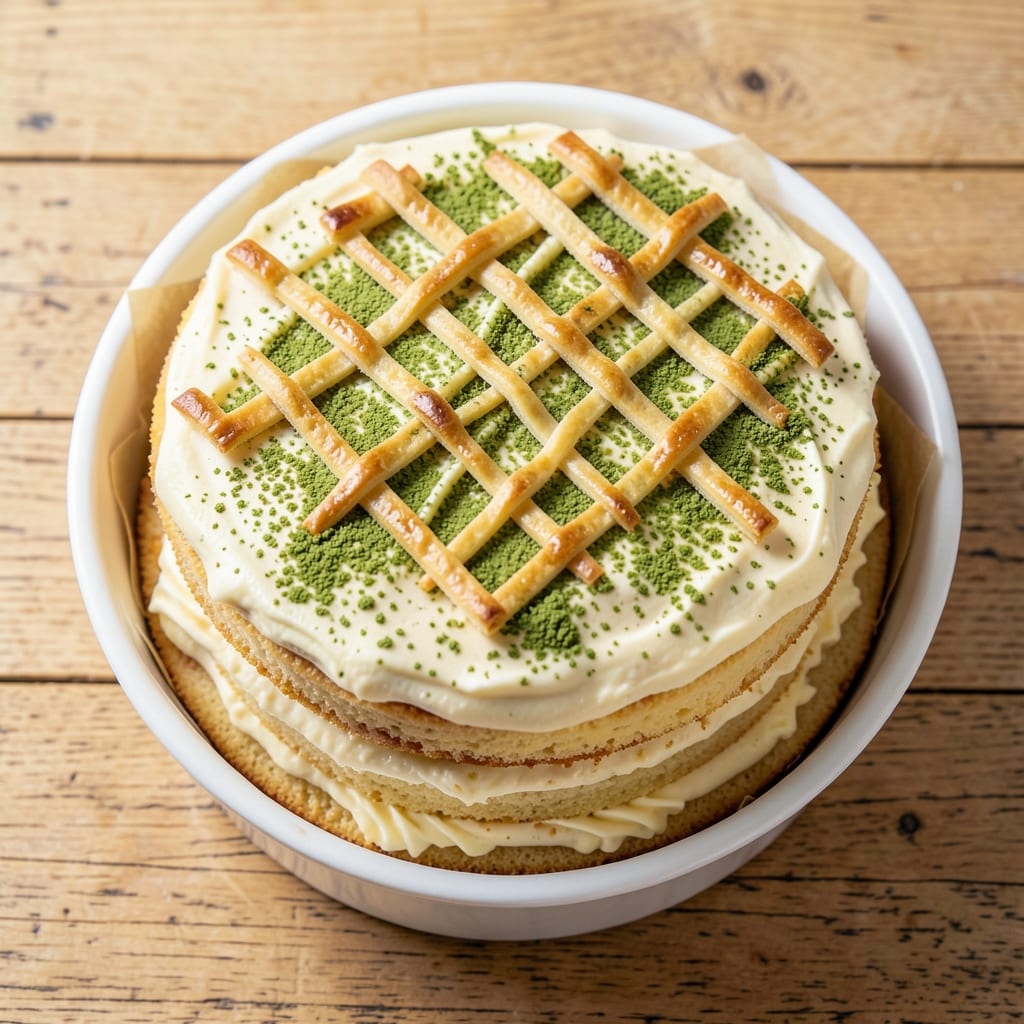
This Asian cream cake recipe delivers layers of delicate matcha sponge and velvety coconut whipped cream that taste like a Tokyo café dessert. The secret lies in a precise baking technique that creates a moist, crack-free sponge—no dry crumbs here. I’ve perfected this over years of trial (and a few too many burnt attempts), and the result is a dessert that’s light yet rich, with each bite offering perfect balance.
The cake starts with a fine matcha-infused sponge that bakes at 325°F for 20-25 minutes, ensuring tender layers without overcooking. Between the sponge sheets, we fold in coconut whipped cream—lighter than traditional buttercream, with just enough sweetness to complement the earthy matcha. The final touch? A dusting of matcha powder and toasted coconut flakes for that signature Asian café presentation.
What you’ll end up with is a dessert that’s restaurant-quality at home: layers of silky sponge, pockets of airy coconut cream, and a finish that’s elegant yet approachable. The texture is the star—no dense, heavy cake here, just delicate crumb and melt-in-your-mouth cream. This recipe scales beautifully for gatherings, but it’s also perfect for a quiet afternoon treat.
For those who love variations, you can swap matcha for pandan or even red bean paste for a different cultural twist. The key is patience—letting the sponge cool completely before layering prevents sogginess. Let’s get baking!
Ingredients for asian cream cake
Matcha powder, coconut milk, and powdered sugar—these are the stars of this Tokyo-inspired dessert.
| Ingredient | Amount | Notes |
|---|---|---|
| All-Purpose Flour 🌾 | 2 ½ cups | Sifted for light texture |
| Granulated Sugar 🍚 | 1 ½ cups | Superfine preferred for smoothness |
| Matcha Powder 🍃 | 2 tbsp | Ceremonial grade for best flavor |
| Unsalted Butter 🧈 | 1 cup | Softened to room temperature |
| Large Eggs 🥚 | 4 whole | Room temperature for even baking |
| Vanilla Extract 🌸 | 1 tbsp | Pure vanilla preferred |
| Coconut Milk 🥥 | 13 ½ oz | Full-fat can for creaminess |
| Powdered Sugar 🍚 | 3 cups | Sifted for smooth whipped cream |
| Cream of Tartar 🧂 | ½ tsp | Stabilizes whipped cream |
| Toasted Coconut Flakes 🥥 | ½ cup | For garnish and texture |
| Salt 🧂 | ½ tsp | Fine sea salt preferred |
| Baking Powder 🌶️ | 1 tsp | Double-acting for lift |
| Cornstarch 🌾 | 1 tbsp | For extra moisture |
The matcha makes or breaks this cake. Ceremonial grade from Japanese markets or high-quality brands like Matcha Kari give that vibrant green color and deep umami flavor. Costco or World Market usually carry good options, but if you're buying online, avoid the cheap stuff—it tastes like dust. For the coconut milk, full-fat canned versions (like Aroy-D) work best—they whip up lighter than light coconut milk. The flour should be sifted with the dry ingredients to avoid lumps, and if you're feeling fancy, use King Arthur flour for extra tenderness.
No matcha? Pandan extract or red bean paste can stand in, though the flavor won't be identical. Running out of coconut milk? Heavy cream plus a splash of coconut extract mimics the texture, but it won't taste the same. The powdered sugar needs to be sifted—Domino brand is my go-to because it's consistently fine. For the butter, don't use salted unless you reduce the recipe's salt by half. And if you're making this ahead, freeze the sponge layers between parchment paper—they'll thaw perfectly for assembly later.
The matcha powder keeps for 6-12 months in a cool, dark place, but once opened, use it within 3 months for peak flavor. Coconut milk stays fresh in the can for up to 2 years unopened, but after opening, transfer it to the fridge and use within 5 days. The whipped cream should be used immediately or stored in an airtight container with a thin layer of coconut milk on top to prevent drying. Portion the cake into individual servings before refrigerating—it holds up beautifully for 3 days that way.
Why You'll Love This Recipe
- Here’s what sold me: it uses pantry staples—flour, sugar, eggs—and stretches them far. A single batch feeds six, and leftovers? They disappear faster than I can reheat them. No waste, all win.
- No-Fuss Layers: I swear by this recipe because it’s actually foolproof—just mix, bake, and let the matcha buttercream do the heavy lifting. No piping bags, no tempering eggs, just a simple batter that comes together in one bowl.
- Earthy Luxury: That first bite of matcha-infused cake with the velvety buttercream? It’s the kind of flavor that makes you pause mid-slice. The sugar balances the bitterness of matcha while the butter keeps it rich—no weird aftertaste, just pure comfort.
- Party or Snack: Between us, this cake is my go-to for anything. Brunch? Check. Dessert after a big dinner? Done. Even my kids ask for it—though I always hide the best piece. (Yes, even on a Tuesday night.)
Step-by-step instructions for Asian cream cake
Here's how to create layers of silky matcha sponge and luscious coconut whipped cream—simple steps for professional results.
Prepare the Matcha Sponge Batter
Preheat your oven to 350°F and line three 6-inch round pans with parchment paper. In a medium bowl, whisk together the 2.5 cups all-purpose flour, 1.5 cups granulated sugar, 1 tsp baking powder, and 0.5 tsp salt. Sift the dry ingredients together to remove any lumps.
In a separate large bowl, beat the 1 cup softened unsalted butter until smooth. Gradually add the 4 whole large eggs, one at a time, beating well after each addition. Mix in the 1 tbsp vanilla extract and 2 tbsp matcha powder until the batter is smooth and vibrant green. Gently fold in the dry ingredients until just combined—don't overmix or the cake will be dense.
Bake the Matcha Layers
Divide the batter evenly among the three prepared pans, filling each about two-thirds full. Bake for 18-20 minutes or until a toothpick inserted into the center comes out clean. The edges should be golden brown, but the centers should still look slightly springy.
Let the cakes cool in the pans for 5 minutes before transferring them to a wire rack to cool completely. This cooling step is crucial—it prevents the layers from becoming soggy when assembling. Once fully cooled, level the tops if needed for even layers.
Make the Coconut Whipped Cream
Open the 13.5 oz can of full-fat coconut milk and scoop out the thick cream, leaving the watery part behind. In a chilled mixing bowl, beat the coconut cream with the 3 cups powdered sugar, 0.5 tsp cream of tartar, and 1 tbsp cornstarch on high speed until soft peaks form. This stabilizes the whipped cream and gives it that signature fluffy texture.
Continue beating until the mixture is light and airy, almost like whipped cream. If it starts to curdle, add a splash of the reserved coconut water to loosen it. The whipped cream should hold its shape when spooned—this is your signal it's ready for assembly.
Assemble the Cake Layers
Place the first matcha layer on a serving plate. Spread a generous layer of the coconut whipped cream over the top, leaving a small border around the edges. Place the second layer on top and repeat with another layer of whipped cream. Top with the final layer, pressing down gently to create an even surface.
Chill the assembled cake in the refrigerator for at least 4 hours (overnight is best) to allow the layers to set and the flavors to meld. This chilling time is essential—it lets the matcha infuse fully and the whipped cream firm up slightly for cleaner slices.
Garnish and Serve
Before serving, dust the top of the cake with a light layer of powdered sugar using a fine-mesh sieve. Sprinkle the 0.5 cup toasted coconut flakes evenly over the surface for texture and visual appeal. This final touch adds a beautiful contrast to the vibrant green matcha layers.
Slice the cake into wedges and serve immediately. Each bite should deliver a perfect balance of earthy matcha, tender sponge, and rich coconut cream. The contrast of flavors and textures makes this cake truly special—worth every step of the process!
Pro Tips For Making Asian Cream Cake
- Sift the Matcha First: Mixing matcha powder directly into dry ingredients often leads to clumps that ruin the texture. Sift it with the flour through a fine-mesh strainer before combining—this ensures an even distribution and prevents those dreaded gritty spots in your cake.
- Cream Butter and Sugar Slowly: I used to rush this step, and my cakes ended up dense. Beat the butter and sugar on medium speed for 3-4 minutes until it’s pale and fluffy—no streaks of butter left. The extra time pays off with a lighter crumb.
- Don’t Overmix the Batter: Once you fold in the eggs, stop mixing the second everything is just combined. Overworking the batter introduces too much air, which can cause the cake to sink or crack as it bakes. Gentle folds are your friend here.
- Chill the Batter Before Baking: This isn’t just a fancy step—it’s non-negotiable. After mixing, refrigerate the batter for at least 30 minutes (or up to 24 hours). The cold butter melts more evenly, and the cake rises more uniformly, giving you that perfect dome shape instead of a flat pancake.
Perfect pairings for these flavors
Tea Pairings
Matcha's earthy depth pairs beautifully with sencha green tea—its bright, grassy notes complement the cake's umami without overpowering. I recommend Ippodo Tea sencha for its clean, vibrant flavor. For a dessert-friendly option, try genmaicha (roasted green tea with rice), which adds a toasty warmth that mirrors the toasted coconut flakes on top. 🍵
Coffee Contrasts
A light roast pour-over coffee with floral or fruity notes creates an unexpected but delicious contrast. Look for Kona or Ethiopian Yirgacheffe beans—their bright acidity cuts through the richness of the coconut cream. Serve the cake slightly warmed (30 seconds in the microwave) to enhance the coffee's aroma. For espresso lovers, a flat white with velvety microfoam balances the matcha's intensity.
Wine Pairings
Skip the reds—this cake thrives with dry Riesling or Sauvignon Blanc. A crisp Fingertip Vineyards Riesling from New Zealand highlights the matcha's herbal notes while the wine's citrus brightness cleanses the palate. For a sweeter option, Moscato d'Asti adds a fizzy, floral complement that mimics the cake's coconut whipped cream. 🍷
Seasonal Adaptations
Summer calls for lychee or mango sorbet as a palate refresher between bites. In winter, a spiced chai latte (with cinnamon and cardamom) enhances the cake's warmth. For holidays, swap the toasted coconut for crushed pistachios and pair with espresso martinis—the bitterness balances the sweetness perfectly.
Cultural Variations
In Japan, this cake is often served with hot matcha tea in a chawan bowl, creating a meditative pairing. For a Chinese twist, serve with jasmine tea and red bean paste on the side. In Korea, yuja (citron) tea adds a tangy contrast that cuts through the coconut's richness. Each pairing reflects the cake's cultural roots while keeping the focus on its silky texture. 🌏
Nutrition facts
Frequently asked questions
Can I make this Asian cream cake without matcha?
Swap the matcha for pandan extract (½ tsp) or red bean paste (½ cup mixed into the batter) for a different flavor profile. For a neutral option, omit the matcha entirely and add 1 tsp vanilla bean paste or almond extract instead. The texture will remain the same, just the taste will change.
Why did my cake layers crack or sink?
Cracking or sinking usually happens from overmixing the batter or opening the oven too soon. Avoid overbeating the eggs and flour—stop mixing when just combined. Also, let the cakes cool completely in the pans for 5 minutes before removing them. If they sink, your oven may run hot—try reducing the temperature to 325°F next time.
How do I store leftovers?
Wrap individual slices tightly in plastic wrap and store them in an airtight container. The cake stays fresh for 3 days in the fridge or 1 month in the freezer. For freezing, wrap each slice separately to prevent sogginess. Thaw overnight in the fridge before serving.
Can I use this recipe for a vegan version?
This recipe isn't vegan-friendly due to eggs and butter, but you can adapt it! Replace the eggs with 4 tbsp flaxseed meal + 10 tbsp water (let sit for 5 minutes to thicken) and use vegan butter or coconut oil. For the whipped cream, use coconut cream (chilled overnight) whipped with powdered sugar and 1 tsp agar-agar for stability. The texture will be slightly different but still delicious!
What’s the best way to level the cake layers?
Use a serrated knife or a cake leveler (available at baking supply stores) for clean, even layers. If you don’t have one, place the cake on a plate, mark the highest points with a toothpick, then slice just above those marks. For extra precision, use a laser level or even a book as a guide—just align the cake’s edges with the book’s spine!