
Desserts
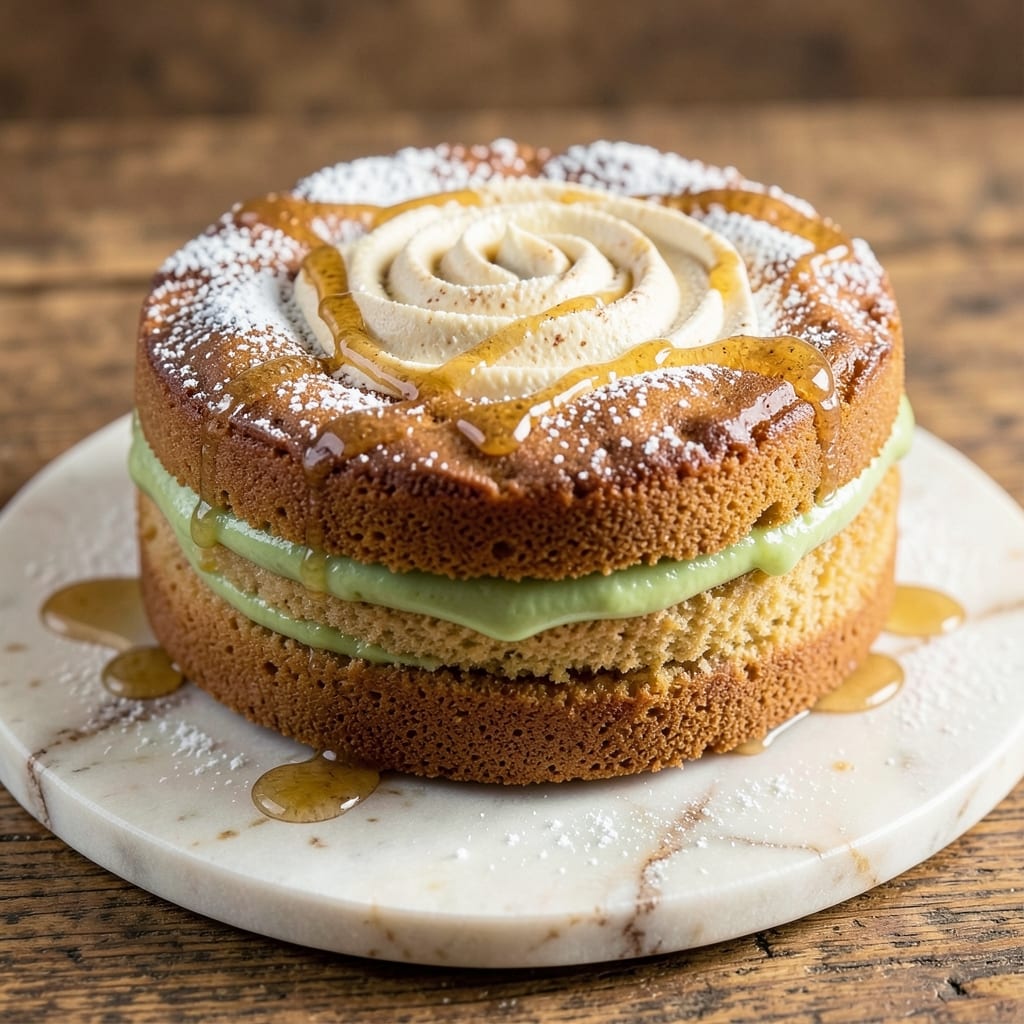
This Asian pound cake recipe transforms a classic dessert into a fragrant masterpiece with pandan extract and coconut butter swirls. 💛 The delicate floral notes of pandan leaf and rich coconut flavor create a texture that's moist yet tender, with just the right crumb for slicing perfect squares. I developed this recipe after years of experimenting with Asian-inspired baked goods, and it's now my go-to for special occasions or when I crave something sweet with an exotic twist.
The secret lies in the coconut butter swirls—creamy, slightly sweet, and infused with coconut aroma that complements the cake's natural flavors. Unlike traditional pound cakes, this version incorporates pandan extract for that signature Asian floral essence, while the coconut butter adds a luxurious, velvety contrast. The cake bakes up golden and aromatic, with a tender crumb that's perfect for slicing into neat portions.
What makes this recipe special is its versatility. Serve it warm with a dusting of powdered sugar and a drizzle of sweet bean sauce for an authentic touch, or enjoy it chilled with a cup of Thai iced tea. The coconut butter swirls melt into every bite, creating pockets of rich flavor that balance the cake's subtle sweetness. It's elegant enough for a dinner party but simple enough for a weeknight treat.
Ready in just one hour, this cake requires minimal effort but delivers restaurant-quality results. The recipe uses standard ingredients with a few specialty touches—pandan extract and coconut butter—that elevate it to another level. Whether you're hosting guests or simply craving something different, this Asian-inspired pound cake is sure to impress.
Ingredients for asian pound cake
Pantry staples meet specialty touches for this fragrant Asian-inspired pound cake.
| Ingredient | Amount | Notes |
|---|---|---|
| Unsalted Butter 🧈 | 1 cup | Softened to room temperature |
| Granulated Sugar 🍚 | 2 cups | Superfine preferred for smooth texture |
| All-Purpose Flour 🌾 | 3 cups | Sifted for light batter |
| Pandan Extract 🌿 | 1 tbsp | High-quality for authentic flavor |
| Large Eggs 🥚 | 4 whole | Room temperature for even baking |
| Vanilla Extract 🍯 | 1 tsp | Pure Madagascar preferred |
| Baking Powder 🧂 | 1 tsp | Aluminum-free for tender crumb |
| Salt 🧂 | ½ tsp | Fine sea salt preferred |
| Coconut Butter 🥥 | ½ cup | Melted for swirls, unsweetened |
| Sweetened Condensed Milk 🥛 | ½ cup | For coconut butter mixture |
| Powdered Sugar 🍚 | ½ cup | For dusting and garnish |
| Sweet Bean Sauce 🍬 | ¼ cup | Optional for serving drizzle |
The pandan extract is non-negotiable here—look for high-quality brands like Thai Kitchen or Mamee at Asian markets or specialty stores. Regular vanilla extract won't cut it for that signature floral aroma. For the coconut butter, Trader Joe's or Whole Foods carry reliable unsweetened versions, but check labels for additives. The sweetened condensed milk should be full-fat for that rich, velvety swirl. If you can't find pandan extract, pandan leaf paste works too—just steep it in warm water first. For the flour, King Arthur or Gold Medal brands sift beautifully and prevent dense cake.
No pandan extract? Vanilla bean paste at double the amount adds depth, though it won't replicate the exact floral notes. Substitute coconut butter with melted coconut oil plus 1 tbsp powdered sugar, but texture will be slightly less luxurious. For the sweet bean sauce, Kikkoman or Lee Kum Kee are reliable brands—if unavailable, a mix of soy sauce, brown sugar, and a pinch of cinnamon works in a pinch. The eggs must be room temperature; cold eggs cause uneven baking. For a lighter texture, whisk the butter and sugar until pale and fluffy—this is where the magic happens. The baking powder should be fresh; if it's over a year old, test it with vinegar to ensure it's still active.
Store the cake in an airtight container at room temperature for up to 3 days, or refrigerate for 1 week if you prefer longer freshness. The coconut butter swirls soften over time, so it's best enjoyed within 2 days of baking. For serving, dust with powdered sugar and drizzle with sweet bean sauce just before cutting—this prevents the cake from absorbing moisture. Leftovers can be frozen for 3 months; thaw at room temperature before serving. The cake reheats beautifully in the oven at 300°F for 10 minutes—perfect for a warm dessert presentation.
Why You'll Love This Recipe
- No Mixer Needed: I swear by this—just cream butter and sugar until light, then fold in eggs and flour like you’re making a cake for lazy Sundays. No stand mixer, no fuss, and the result? That signature tender crumb without the elbow grease.
- Pandan Magic: Honestly, that little bottle of pandan extract is the secret weapon. It smells like a tropical vacation in your kitchen, with a floral sweetness that pairs perfectly with the buttery richness. One whiff and you’ll want to bake this every weekend.
- Slice It Any Way: Between us, this cake is my go-to for breakfast, dessert, or even a fancy brunch spread. Toast a slice with butter, drizzle with syrup, or serve it chilled with tea—it’s that adaptable. (Yes, even on a Tuesday night.)
- Lasts a Week: I make a big batch and it stays moist for days—no dry ends, no sad crumbs. The butter and sugar ratio keeps it rich but not greasy, and the eggs add that perfect structure. Budget-friendly? Absolutely. Waste-free? Even better.
Step-by-step instructions for Asian pound cake with pandan swirls
Here's how to create a tender, fragrant cake with signature coconut butter swirls.
👨🍳 Step 1: Prepare the Coconut Butter Filling
In a small saucepan, combine the 0.5 cup coconut butter and 0.5 cup sweetened condensed milk over low heat. Stir gently until the coconut butter melts completely and the mixture becomes smooth—this should take about 3-4 minutes. Remove from heat and let cool for 10 minutes until it reaches room temperature but remains pourable.
This filling is the heart of the cake's signature swirls. If you prefer extra richness, you can add 1 tablespoon powdered sugar to the warm mixture while stirring. The filling should be thick enough to swirl but still flow easily through the batter—think of it like warm honey consistency.
👨🍳 Step 2: Cream Butter and Sweeteners
In a stand mixer fitted with the paddle attachment, beat the 1 cup softened unsalted butter on medium speed until light and fluffy—about 3-4 minutes. Gradually add the 2 cups granulated sugar and continue beating until the mixture is pale and airy, with ribbons forming when the paddle is lifted. This creaming process is crucial for a tender crumb.
I like to scrape down the sides of the bowl with a silicone spatula every 30 seconds to ensure even mixing. You'll know it's ready when the mixture nearly triples in volume and leaves clean streaks when the paddle is lifted. This step typically takes longer with butter at room temperature, so be patient—rushing leads to dense cake.
👨🍳 Step 3: Combine Wet Ingredients
Add the 4 whole large eggs one at a time, mixing on low speed after each addition until just combined. Then add the 1 tablespoon pandan extract, 1 teaspoon vanilla extract, and mix for another 20 seconds to fully incorporate. The mixture should be smooth with no visible streaks of egg.
Here's where the pandan's distinctive aroma really comes through. If you're using high-quality pandan extract, you'll notice an immediate floral, slightly vanilla-like scent. The eggs should be at room temperature—this prevents cold spots in the batter that could affect baking. If your eggs are straight from the fridge, let them sit in warm water for 10 minutes first.
👨🍳 Step 4: Fold in Dry Ingredients
In a separate bowl, whisk together the 3 cups all-purpose flour, 1 teaspoon baking powder, and 0.5 teaspoon salt. With the mixer on low speed, gradually add the dry ingredients to the wet mixture, mixing just until combined—you should still see some flour streaks. Overmixing develops gluten, which makes the cake tough instead of tender.
I use a silicone spatula to gently fold in the last few tablespoons of flour by hand. The batter should be smooth but slightly thick, like pancake batter. If it looks too stiff, you can add 1-2 tablespoons milk (though our recipe doesn't call for it). The key is to maintain the airiness from the creaming step while incorporating the structure from the flour.
🥘 Step 5: Layer and Swirl the Batter
Preheat your oven to 350°F and grease a 9x5-inch loaf pan thoroughly with butter, then dust with flour. Pour about ⅓ of the batter into the prepared pan. Using a spoon, drizzle ⅓ of the coconut butter mixture over the first layer, then gently swirl it with the back of the spoon to create marbled patterns.
Repeat with another ⅓ of the batter, then another ⅓ of the filling, and finish with the remaining batter. Tap the pan gently on the counter 2-3 times to release any air bubbles. The swirls should be visible but not too pronounced—think delicate marble patterns rather than thick streaks. Bake for 50-60 minutes until a toothpick inserted in the center comes out clean.
⏰ Step 6: Cool and Serve
Remove the cake from the oven and let it cool in the pan for 10 minutes. Then transfer to a wire rack to cool completely. This resting period is crucial—it allows the cake to set properly and prevents it from becoming gummy. Once fully cooled, dust the top generously with 0.5 cup powdered sugar for that classic pound cake finish.
For serving, you can drizzle with the 0.25 cup sweet bean sauce if desired. The cake's texture should be moist but firm, with tender crumb and those beautiful swirls throughout. Each slice should reveal the coconut butter filling peeking through—proof of your successful swirling technique. Store leftovers wrapped tightly at room temperature for up to 3 days or refrigerated for up to 5 days.
Pro Tips For Making Asian Pound Cake
- Cream Butter Slowly: I learned this the hard way—dumping cold butter into sugar at once just makes a greasy mess. Beat the butter and sugar together on medium speed until it’s pale and fluffy (about 3-5 minutes). The texture should look like wet sand, not butter chunks floating in sugar. This isn’t the prettiest method, but it’s the thing that matters most for that tender crumb.
- Weigh Your Flour: Scooping flour from the bag packs too much air, and that’s how you end up with a cake that’s dense or dry. Use a kitchen scale and measure flour by weight—this recipe works best with 250 grams of all-purpose flour. (Yes, even if you’re impatient like me, trust the process.)
- Avoid Overmixing Eggs: Once you fold in the eggs and pandan extract, stop mixing the second everything’s just combined. Overworking the batter introduces too much air, which can cause the cake to sink in the middle as it bakes. Think "barely there" consistency—no streaks, no lumps, done.
- Preheat Pan and Oven: Skip this, and you’ll spend the first 20 minutes of baking watching the cake do nothing. Place your pound cake pan in the oven while it preheats to 350°F (175°C), then grease it with butter and dust with flour. The batter should go in right as the oven hits temperature—no waiting. Your future self will thank you.
Regional styles of asian pound cake
Japanese Matcha Twist
For a Japanese-inspired variation, replace the pandan extract with 2 tablespoons high-quality matcha powder (sifted to avoid clumps) and add 1 teaspoon toasted sesame oil to the batter. Use white miso paste (½ teaspoon) in place of salt for a subtle umami depth. Top with kinako (roasted soybean flour) and matcha-dusted powdered sugar for an elegant finish. This version pairs beautifully with sencha green tea for an authentic Japanese tea ceremony experience. 🌿
Filipino Ube Swirl
Swap the coconut butter filling for a purple yam (ube) swirl by blending ½ cup cooked ube halaya with ¼ cup cream cheese until smooth. Mix 1 teaspoon ube extract into the batter alongside the vanilla for a vibrant purple hue and natural sweetness. Garnish with toasted coconut flakes and a drizzle of latik (coconut caramel) for a Filipino-inspired dessert that's as striking as it is delicious. 🍠
Thai Mango Sticky
Infuse the coconut butter filling with 1 teaspoon mango powder (or puree of ripe mango) for a tropical Thai twist. Add 1 teaspoon lime zest to the batter and fold in ¼ cup crushed toasted mung beans for texture. Serve warm with a side of sticky rice and a sprinkle of crushed peanuts—this version mimics the flavors of Thai mango sticky rice but in cake form. 🥭
Singaporean Pandan Coconut
For a Singaporean-inspired cake, increase the pandan extract to 1½ tablespoons and add ½ teaspoon grated lime zest to brighten the flavors. Replace the sweet bean sauce drizzle with kaya (coconut jam) for serving. This version is lighter and more citrus-forward, perfect with a cup of Singaporean kopi (coffee). The combination of pandan and lime creates a refreshing balance that's uniquely Singaporean. 🍋
Malaysian Durian Delight
For adventurous eaters, create a durian-infused swirl by blending ½ cup durian pulp with ¼ cup coconut cream and using this as your filling. Add 1 teaspoon durian paste to the batter for a subtle aroma. Garnish with toasted coconut curls and serve with a scoop of durian ice cream for a decadent Malaysian treat. Note: Durian's strong scent lingers—bake in a well-ventilated area! 🥥✨
Vietnamese Coffee Cake
Replace the pandan extract with 1 tablespoon Vietnamese coffee extract (or dissolve 1 teaspoon instant coffee in 1 tablespoon hot water and cool). Use condensed milk in the filling instead of sweetened condensed milk for extra richness. Top with crushed brewed coffee beans and serve with a side of strong Vietnamese iced coffee for a bold, aromatic dessert. ☕
Nutrition facts
Frequently asked questions
Can I substitute pandan extract with something else?
Yes! For a floral twist, try 2 tablespoons matcha powder (sifted) or 1 teaspoon rose water. For a tropical vibe, 1 teaspoon vanilla bean paste works well, though it won't replicate pandan's exact aroma. If you're avoiding extracts, steep 1 pandan leaf in 2 tbsp warm water for 10 minutes, then strain and use the liquid.
Why does my cake turn out dense instead of tender?
Overmixing the batter develops gluten, making the cake tough. Mix dry ingredients just until combined—stop when flour streaks disappear. Also, ensure your butter is fully softened but not melted (press your finger in; it should leave a slight indent). Finally, check your baking powder—old leavening causes dense results.
How do I make the coconut butter swirls look more dramatic?
Use a skewer or toothpick to drag the filling through the batter in zigzag patterns before baking. For extra swirls, pipe the filling through a small star tip onto the first batter layer. Bake at 325°F instead of 350°F to slow the setting and preserve swirl visibility. Chill the cake for 1 hour before slicing to maintain shape.
Can I bake this cake in a different pan size?
Yes, but adjust baking time. For a 9x9-inch pan, bake 40-45 minutes (shorter time due to wider surface). For a 9x3-inch round pan, bake 55-65 minutes. Always use an oven thermometer—home ovens vary! If using a glass pan, reduce temp by 25°F and check for doneness at 45 minutes.
What's the best way to store leftovers?
Wrap tightly in plastic wrap, then place in an airtight container at room temp for 3 days. For longer storage, refrigerate for 1 week or freeze for 3 months. To reheat, warm at 300°F for 10 minutes wrapped in foil. Never store with fresh fruit—moisture causes sogginess. The swirls soften over time, so enjoy within 2 days for best texture.