
Main Courses
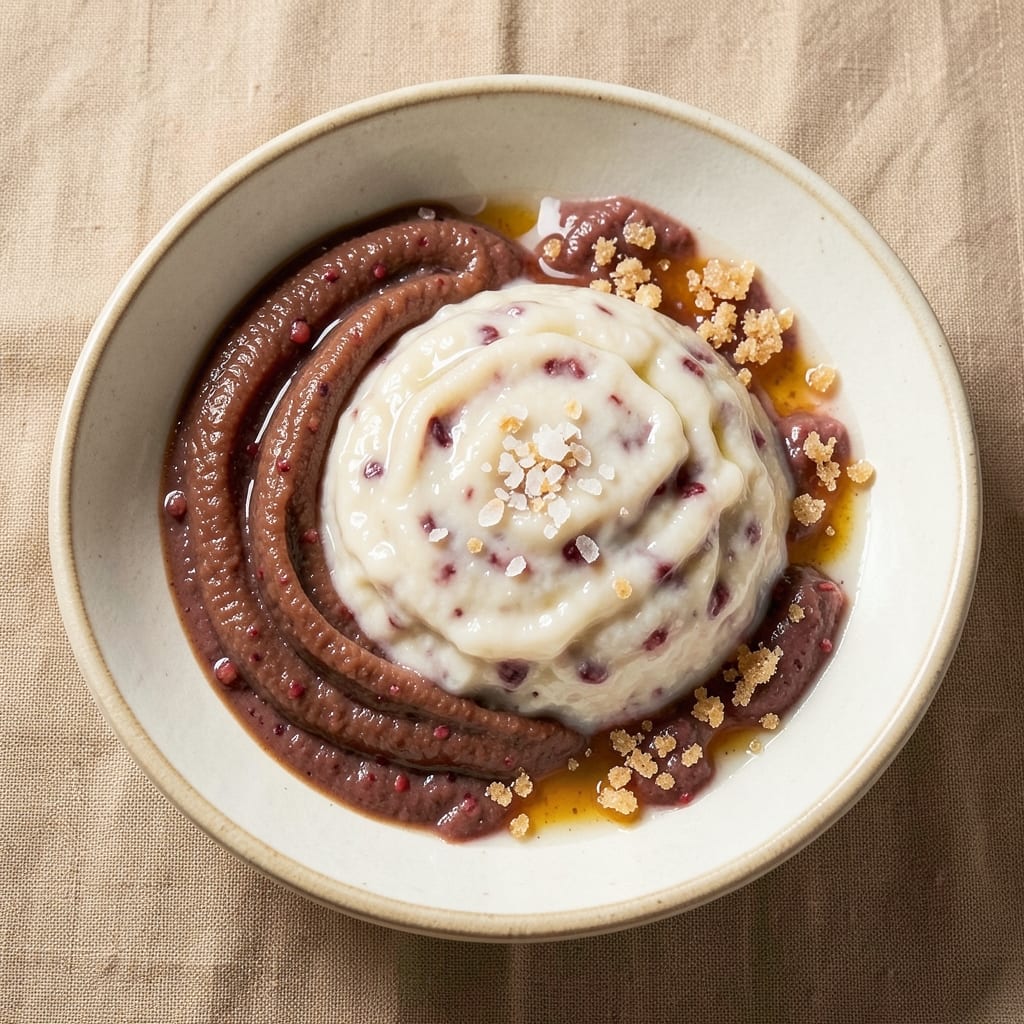
Explore these Asian rice cake recipe ideas that transform simple ingredients into delicate, versatile treats spanning sweet and savory possibilities. These traditional delicacies—whether chewy mochi, crispy crackers, or steamed rice cakes—offer endless cultural variations that elevate any meal or celebration. The beauty lies in their adaptability: you can shape them into bite-sized bites or larger formats, each carrying its own texture and flavor profile.
What makes these recipes special is their balance of simplicity and artistry. The foundation often begins with glutinous rice flour or mochi flour, which develops a signature chewy texture when steamed or pan-fried. Savory versions might incorporate soy sauce, sesame oil, and green onions, while sweet variations rely on red bean paste, coconut milk, or matcha for depth. The process itself—whether steaming, baking, or frying—requires precision but yields results that feel both comforting and impressive.
Once prepared, these rice cakes become a blank canvas for creativity. Serve them as festive snacks for Lunar New Year, elegant appetizers for dinner parties, or even dessert with a drizzle of honey or dusting of kinako. The possibilities are endless, whether you stick to classic recipes or experiment with modern twists like spicy chili or tropical fruit fillings. Each bite carries a sense of tradition and warmth, making them perfect for any occasion.
The key to success lies in mastering the dough consistency and cooking method, which directly impacts texture. With the right technique, you’ll achieve that signature balance of chewiness and crispness that defines Asian rice cakes. Let’s explore how to bring these versatile treats to life in your kitchen.
Ingredients for asian rice cake recipe ideas
Five core ingredients plus a few extras for endless rice cake creativity.
| Ingredient | Amount | Notes |
|---|---|---|
| Glutinous Rice Flour 🍚 | 2 cups | Also called sweet rice flour |
| Granulated Sugar 🍬 | ½ cup | For sweet variations (omit for savory) |
| Salt 🧂 | ½ tsp | For savory variations (omit for sweet) |
| Water 💧 | 1 ½ cups | Room temperature preferred |
| Vegetable Oil 🫒 | 1 tbsp | Light neutral oil like canola |
| Red Bean Paste 🌱 | ½ cup | For sweet fillings (optional) |
| Sesame Seeds 🌰 | 2 tbsp | Toasted for garnish |
| Matcha Powder 🍵 | 1 tsp | For green tea flavor (optional) |
| Soy Sauce 🍶 | 1 tbsp | For dipping sauce |
| Sesame Oil 🫒 | 1 tsp | For dipping sauce |
| Chili Oil 🌶️ | 1 tbsp | For spicy dipping option |
| Cornstarch 🌾 | 1 tbsp | For dusting (optional) |
Glutinous rice flour is the star—Bob's Red Mill or Asian grocery stores carry the best quality. Look for bright white flour, not yellowed or clumpy bags. For sweet versions, I always use organic cane sugar—it dissolves better than white sugar. Savory? Diamond Crystal kosher salt gives the best flavor. Water should be room temp; cold water makes the dough tough. The oil is key for binding—don't skip it, even if you're using fillings.
No red bean paste? Sweetened mashed beans or even applesauce work in a pinch. Matcha powder hard to find? Instant espresso powder gives a similar earthy note. For dipping sauces, Trader Joe's has great pre-made soy sauces and chili oils if you don't want to mix your own. The cornstarch is optional but helps crisp up the edges when baking—worth having if you're making savory versions. Toast your sesame seeds in a dry pan for 2 minutes before using; that nutty aroma makes all the difference.
Store the dough in an airtight container with plastic wrap for up to 3 days in the fridge. For longer storage, freeze shaped cakes on a tray first, then transfer to a bag for 3 months. The baked versions keep well at room temp for 2 days if wrapped tightly. Pro tip: Make a double batch—the extra dough freezes perfectly for next time. These taste even better the next day once the flavors meld.
Why You'll Love This Recipe
- No-Fuss Mixing: I swear by the 5-minute stir—just flour, sugar, water, and a pinch of salt. No fancy tools, no waiting for dough to rise. Honestly, the batter comes together faster than my coffee cools.
- Sweet-Crisp Magic: That golden crust with a pillowy inside? The oil and sugar team up to create a texture I can’t resist. Even my picky teenager grabs seconds—high praise.
- Snack or Side: Fry them up for a quick snack, pack them in lunchboxes, or serve as a dessert with tea. Between us, they’re my go-to for potlucks too. (Yes, even on a Tuesday night.)
- Budget-Friendly Staple: A bag of glutinous rice flour lasts forever, and these cakes cost pennies to make. I’ve turned $3 worth of ingredients into a crowd-pleaser that feels like a splurge.
Step-by-step instructions for Asian rice cake variations
Master these techniques to create both sweet and savory rice cakes with professional precision.
Prepare the Glutinous Rice Batter
In a large mixing bowl, combine the 2 cups glutinous rice flour with the 1.5 cups water at room temperature. Whisk vigorously for 3-4 minutes until the mixture becomes smooth and glossy, with no visible lumps. The batter should have a pudding-like consistency—thick enough to hold its shape when dropped but still pourable.
Add the 1 tbsp vegetable oil and mix for another 30 seconds to distribute evenly. For sweet variations, incorporate the 0.5 cup granulated sugar and 0.5 tsp salt (if using). For savory versions, omit the sugar and salt. Let the batter rest for 10 minutes at room temperature—this allows the flour to fully hydrate and prevents cracking during steaming.
Steam the Rice Cakes to Perfect Texture
Line a steamer basket with parchment paper and lightly grease it with neutral oil. Pour the batter into a piping bag fitted with a ½-inch round tip (or use a zip-top bag with a small corner snipped off). Pipe 4 equal circles (about 3 inches in diameter) onto the parchment, spacing them 1 inch apart to prevent sticking.
Place the steamer over a pot of boiling water and steam for 12-15 minutes until the cakes are firm to the touch and the edges pull away cleanly from the parchment. Avoid opening the lid during steaming—condensation can make the cakes soggy. Test doneness by gently pressing the center: it should spring back without leaving an indent.
Add Fillings and Garnishes
For sweet variations, spread 2 tbsp toasted sesame seeds over the warm cakes, then pipe or spoon 0.5 cup red bean paste into the center of each. For matcha-flavored cakes, dust the tops with 1 tsp matcha powder mixed with 1 tsp water to form a paste. For savory options, brush the tops with a mixture of 1 tbsp soy sauce, 1 tsp sesame oil, and 1 tbsp chili oil (adjust to taste).
Gently press the fillings into the cakes using the back of a spoon to create a neat center. For extra texture, sprinkle additional sesame seeds or a light dusting of 1 tbsp cornstarch (if using) around the edges. Let the cakes cool completely on a wire rack before serving to prevent fillings from melting.
Serve with Complementary Dipping Sauces
Prepare two dipping sauces: one for sweet cakes and one for savory. For sweet, mix 1 tbsp soy sauce with 1 tsp sesame oil and a drizzle of honey (optional). For savory, combine 1 tbsp soy sauce, 1 tsp sesame oil, and 1 tbsp chili oil for heat. Serve the rice cakes warm or at room temperature with the appropriate sauce for dipping.
To maintain freshness, store leftover rice cakes in an airtight container in the refrigerator for up to 3 days. Reheat in a steamer for 2-3 minutes before serving to restore moisture. The contrast of warm, chewy cakes with cool, flavorful sauces makes these a versatile treat for any occasion.
Pro Tips For Making Asian Rice Cake Recipe Ideas
- STEAM THE FLOUR FIRST: I learned this the hard way—mixing dry glutinous rice flour with water and sugar without prepping it leads to gummy, uneven cakes. Lightly toast the flour in a dry pan over medium heat for 2-3 minutes, stirring constantly, until it smells nutty. This removes raw starch and guarantees a lighter texture. (Yes, even if you’re impatient like me.)
- WEIGH YOUR INGREDIENTS: Glutinous rice flour is dense, and scooping it by volume means your cakes will either be dense or crumbly. Use a kitchen scale—1 cup of packed flour weighs about 120g, but store-bought bags often vary. A 1:1.2 ratio of flour to water (by weight) is your golden zone for chewy, not gluey, results.
- DON’T OVERMIX THE BATTER: The moment you add water to the flour-sugar mix, stop stirring. A few lumps are fine—glutinous rice batter needs those to develop proper structure. Overmixing activates too much gluten, and your cakes will turn out tough instead of tender. Fold in just until combined, then let it rest 10 minutes before shaping.
- USE COLD OIL FOR CRISPY EDGES: Chilled vegetable oil (refrigerate the bottle for 30 minutes) creates a better seal when brushing the cake molds. Hot oil gets absorbed unevenly, leading to soggy spots. Brush a thin layer after steaming for 2 minutes—just enough to crisp the exterior without drowning the texture. (Your future self will thank you.)
Creative variations of this recipe
Sweet & Savory Fillings
Sweet rice cakes shine with ½ cup red bean paste or mango purée for tropical flair. For savory versions, try shredded chicken with hoisin sauce or crispy fried shallots mixed with 1 tbsp soy sauce. I love adding 1 tsp black sesame paste to savory fillings for nutty depth. Always keep fillings at room temperature before adding to prevent melting. 🌱
Texture Twists
For extra crunch, sprinkle 1 tbsp crushed peanuts on top before baking. To make them crispy, steam first, then pan-fry in 2 tbsp neutral oil> at 350°F for 2 minutes per side. Matcha lovers should mix 1 tsp matcha powder> into the batter for vibrant green cakes with subtle earthiness. The key is patience—don’t rush the steaming or the texture will suffer. ✨
Festive Shapes
Celebrate Lunar New Year with gold leaf>-topped cakes shaped like coins> or lotus flowers> using a piping bag. For Halloween, pipe out spider shapes> with black sesame seeds for legs. Use a star-shaped cookie cutter> for a fun twist. The shapes add visual appeal but don’t compromise texture—just ensure your batter is thick enough to hold intricate designs. 🎉
Global Fusion Ideas
Blend Asian flavors with Western twists: try cinnamon-sugar dusting> for a dessert cake or garlic butter glaze> for savory versions. For a Mexican-inspired take, add chipotle powder> and queso fresco> to the batter. These fusion ideas work best when balanced—don’t overpower the delicate rice cake base. 🌶️
Dietary Adaptations
Make vegan versions by replacing honey with maple syrup> and using coconut oil> instead of butter. Gluten-free cooks can swap glutinous rice flour for tapioca starch> (though texture will differ). For nut-free options, omit sesame seeds and use sunflower seeds> instead. Always label adaptations clearly for guests with dietary needs. 🌱
Occasion Pairings
Serve sweet rice cakes with jasmine tea> for afternoon snacks or pair savory versions with sake> at dinner parties. For brunch, top with whipped coconut cream> and toasted coconut flakes. The contrast of warm cakes with cool beverages enhances the dining experience. Plan pairings based on the occasion—festive events call for bold flavors, while casual gatherings work better with lighter touches. 🍵
Nutrition facts
Frequently asked questions
Can I use regular rice flour instead of glutinous rice flour?
Regular rice flour won't give you the signature chewy texture these rice cakes need. Glutinous rice flour (also called sweet rice flour) contains more starch, creating that perfect sticky, elastic dough. For a similar texture, you could try tapioca starch mixed with regular rice flour, but the flavor and mouthfeel won't be identical. If you're gluten-free, look for certified gluten-free glutinous rice flour blends.
How do I prevent my rice cakes from cracking during steaming?
Cracking happens when the batter isn't properly rested or the steaming isn't controlled. Always let your batter rest for 10 minutes before piping, and make sure your steamer has a tight seal. Keep the lid closed during the entire 12-15 minute steaming process—opening it too soon lets in condensation that weakens the structure. If cracks do appear, they're usually harmless but can be covered with extra sesame seeds or a dusting of cornstarch for presentation.
What's the best way to store leftover rice cakes?
For short-term storage, keep them in an airtight container in the fridge for up to 3 days. To reheat, steam for 2-3 minutes to restore moisture. For longer storage, freeze shaped cakes on a tray first, then transfer to a bag for up to 3 months. The freezing process works best when the cakes are fully cooled and dry. Never freeze cakes with wet fillings—they'll get soggy when thawed.
Can I make these rice cakes without a steamer?
If you don't have a steamer, use a baking dish with a rack inside. Fill the bottom with 1 inch of water and bring to a simmer. Place your parchment-lined baking dish on top and cover with foil. Bake at 350°F for 20-25 minutes until firm. For crispier results, try pan-frying steamed cakes in 2 tbsp neutral oil at 350°F for 2 minutes per side after steaming. The texture will be slightly different but still delicious.
What are the most popular cultural variations of rice cakes?
Chinese nian gao (sticky rice cakes) are traditionally eaten during Lunar New Year for good luck. Japanese mochi uses a similar base but is often pounded rather than steamed. Vietnamese bánh giầy features a savory version with green onions and shrimp. Korean tteok comes in many forms—steamed, fried, or skewered. Each variation often includes symbolic shapes or ingredients for specific celebrations, making them culturally significant beyond just taste.