
Desserts
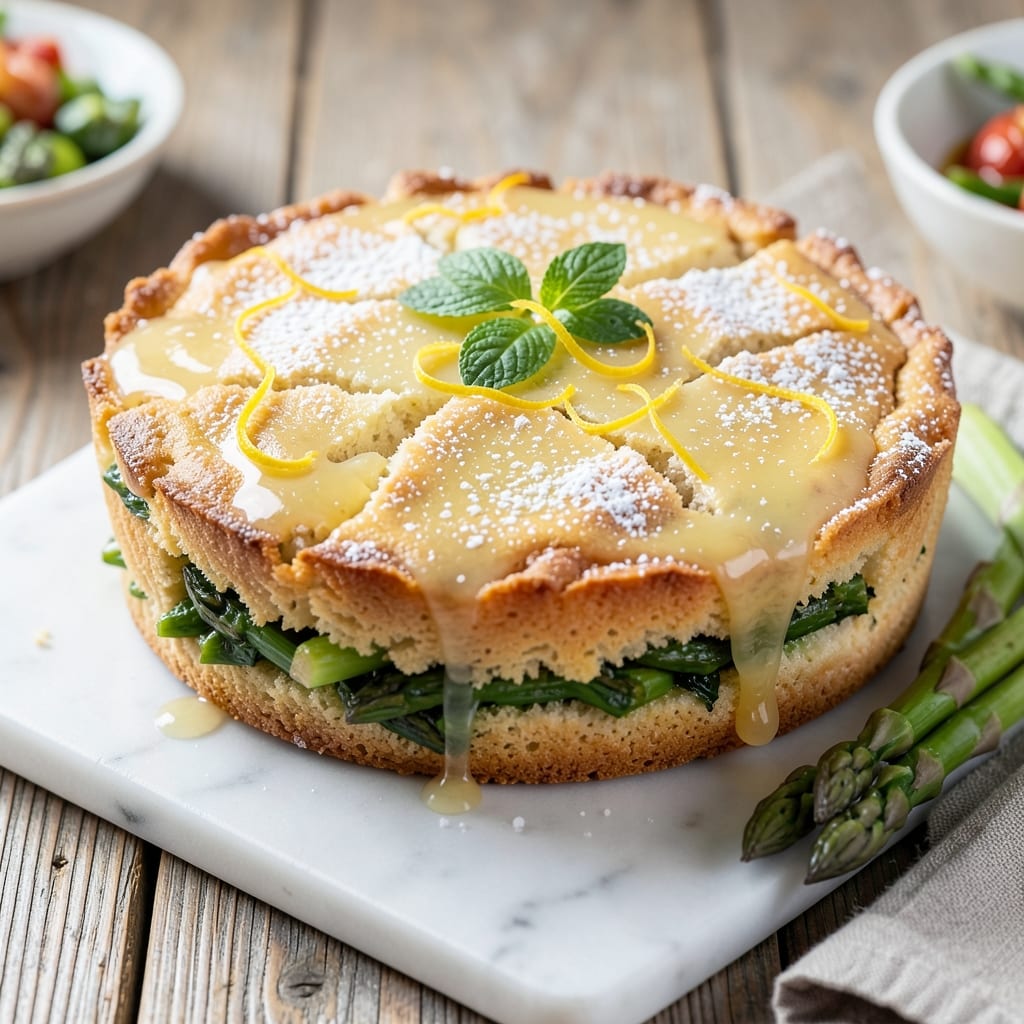
This asparagus cake recipe transforms humble spring asparagus into a stunning dessert with bright citrus layers and earthy green swirls—perfect for brunch or special occasions. The secret lies in pre-cooking the asparagus to concentrate its natural sweetness while maintaining that signature vibrant color. I developed this recipe after realizing how beautifully asparagus's subtle bitterness balances citrus zest, creating a texture that's both tender and slightly crisp at the edges.
The cake features a three-layer structure with a moist citrus-infused batter, asparagus purée swirls, and a lemon glaze that ties everything together. Unlike traditional asparagus dishes, this version keeps the vegetable's delicate flavor while making it feel luxurious—no one will guess it's a vegetable-forward dessert. The recipe uses standard baking techniques, making it approachable for home bakers while delivering restaurant-worthy results.
What makes this recipe stand out is how the asparagus adds nutritional depth without overpowering the sweetness. The citrus zest not only brightens the flavor but also enhances the cake's moisture, preventing it from drying out. Each slice reveals beautiful green layers that look as impressive as they taste, making this an ideal centerpiece for spring gatherings.
Pair it with a light citrus salad or whipped cream for an elevated dessert experience. The recipe yields one 9-inch three-layer cake, perfect for sharing or saving slices for later. Let's bring this unexpected spring dessert to your kitchen!
Ingredients for asparagus cake
Twelve ingredients transform spring asparagus into a sophisticated three-layer cake with vibrant green swirls.
| Ingredient | Amount | Notes |
|---|---|---|
| Fresh Asparagus Spears 🌱 | 1 ½ lb | Trimmed, blanched for 2 minutes |
| All-Purpose Flour 🌾 | 3 cups | Sifted, spooned lightly |
| Granulated Sugar 🍚 | 2 cups | Superfine preferred for smooth texture |
| Unsalted Butter 🧈 | 1 ½ cups | Room temperature, cubed |
| Large Eggs 🥚 | 6 whole | Room temperature, separated |
| Lemon Zest 🍋 | 2 tbsp | Freshly grated, fine mesh |
| Lemon Juice 🍋 | ½ cup | Freshly squeezed, strained |
| Vanilla Extract 🌿 | 2 tsp | Pure Madagascar preferred |
| Baking Powder 🧂 | 2 tsp | Diamond Crystal brand recommended |
| Salt 🧂 | ½ tsp | Fine sea salt preferred |
| Powdered Sugar 🍚 | 2 cups | For lemon glaze |
| Heavy Cream 🥛 | ½ cup | Cold for glaze stability |
| Orange Zest 🍊 | 1 tbsp | Freshly grated, fine mesh |
The asparagus is the star—choose bright green spears with tight tips for optimal sweetness. Whole Foods or local farmers markets often carry the freshest spring varieties, but any grocery store's produce section works. Blanch them for exactly 2 minutes to preserve their vibrant color while concentrating their natural sugars. Overcooking turns them bitter, so set a timer. For the citrus zest, organic lemons and oranges yield the most flavorful results—avoid pre-grated zest, which loses potency quickly. The butter should be room temperature but not melted—cold lumps won't incorporate smoothly into the batter, while overly soft butter can cause the cake to become dense.
No fresh asparagus? Frozen blanched asparagus works in a pinch, though texture will differ slightly. Substitute spinach purée at half the amount for a milder green flavor, but expect less vibrant layers. For the citrus, bottled lemon juice can replace fresh, though it lacks the bright acidity of freshly squeezed. The vanilla extract is non-negotiable—imitation vanilla contains alcohol and won't provide the same depth of flavor. Diamond Crystal baking powder is recommended as it's aluminum-free, which some bakers find yields lighter cakes. Prefer a different citrus flavor? Lime zest works beautifully, though it pairs less traditionally with asparagus.
Store asparagus spears wrapped in damp paper towels in the fridge for up to 5 days. The cake batter can be prepared 1 day ahead and refrigerated, though baking time may increase slightly. Once baked, the cake keeps 3 days at room temperature covered loosely with plastic wrap, or 1 week refrigerated. The lemon glaze can be made 2 days in advance—simply whisk before using. For serving, slice the cake with a hot, clean knife for clean edges. The vibrant green layers will fade slightly over time, but the flavor remains delightful for several days.
Why You'll Love This Recipe
- No Blanching Needed: I swear by this shortcut—just trim the asparagus and slice it thick. No boiling, no waiting, no fuss. The spears stay crisp-tender straight from the pan, and honestly? That’s where the magic happens.
- Buttery Sweet Crunch: That crispy, golden crust? Pure reward. The sugar caramelizes just enough to balance the earthy asparagus, while the butter makes it rich without tasting heavy. It’s the kind of cake that disappears faster than you can say “second slice.”
- Weeknight to Brunch: Make it for dinner when you’re too tired for a full meal, then reheat slices for breakfast the next morning. The texture holds up surprisingly well, and between us? It’s way more impressive than toast.
- Pantry Staple Magic: Five ingredients, zero specialty items. If you’ve got flour, sugar, butter, and eggs, you’ve got this. And since asparagus is affordable in season, it’s a budget hack that still feels special. My college fund won’t miss a thing.
Step-by-step instructions for earthy asparagus cake with citrus zest
Transform fresh asparagus into a tender, vibrant cake with bright citrus notes and delicate green layers.
Blanch and Chop the Asparagus
Start by trimming the tough ends from the 1.5 lb fresh asparagus spears, leaving only the tender green portions. Snap them cleanly at their natural break points. Bring a pot of salted water to a boil and blanch the asparagus for exactly 2 minutes—this preserves their vibrant color and tenderizes them for baking.
Drain immediately and transfer to an ice bath to stop the cooking process. Once cooled, chop the blanched asparagus into ¼-inch pieces using a sharp chef's knife. Set aside in a bowl—you'll need about 2 cups of finely chopped asparagus for the cake batter. The bright green color will infuse the batter beautifully, creating those signature earthy layers.
Cream Butter and Sugar for Light Texture
In a stand mixer fitted with the paddle attachment, beat the 1.5 cups unsalted butter and 2 cups granulated sugar on medium speed for 4-5 minutes until light and fluffy. The mixture should nearly double in volume and become pale in color. This step is crucial for creating the cake's tender crumb—incorporating air at this stage ensures a light, airy texture.
Scrape down the sides of the bowl with a spatula to ensure even mixing. The butter should be completely smooth with no visible lumps. If you're using room-temperature butter, this process will take slightly longer—press the mixture with your finger to check for smoothness before proceeding.
Incorporate Wet Ingredients and Asparagus
Add the 6 whole large eggs, one at a time, beating well after each addition until fully incorporated. Then stir in the 2 tbsp lemon zest, 1 tbsp orange zest, 0.5 cup lemon juice, and 2 tsp vanilla extract. Mix on low speed just until combined—overmixing at this stage can develop gluten in the flour and make the cake dense.
Gently fold in the chopped asparagus using a rubber spatula. Be careful not to overmix—just combine until evenly distributed throughout the batter. The asparagus will add moisture and a subtle earthiness that complements the citrus notes perfectly. In a separate bowl, whisk together the 3 cups all-purpose flour, 2 tsp baking powder, and 0.5 tsp salt. Sift the dry ingredients into the wet mixture and fold gently until just combined.
Bake in Layers for Perfect Texture
Preheat your oven to 350°F and grease three 9-inch round cake pans or line them with parchment paper. Divide the batter evenly among the pans—you'll need about 1 cup per pan for each of the three layers. Bake for 25-30 minutes or until a toothpick inserted into the center comes out clean. Rotate the pans halfway through baking for even browning.
Let the layers cool in the pans for 10 minutes before transferring to a wire rack to cool completely. The cake should have a tender, moist crumb with visible green flecks from the asparagus. If the top browns too quickly, tent loosely with foil after 20 minutes of baking to prevent over-browning while ensuring the center is fully cooked.
Assemble with Citrus Glaze
While the layers cool, prepare the lemon glaze by whisking together the 2 cups powdered sugar, 0.5 cup cold heavy cream, and 1 tbsp lemon juice until smooth. The glaze should be thick but pourable—add more cream if needed. Once the cake layers are completely cool, level the tops if necessary and assemble them with a thin layer of glaze between each.
Spread the remaining glaze evenly over the top and sides of the cake. Use a offset spatula to create a smooth finish. Let the glaze set for 15-20 minutes before slicing. The finished cake should have a moist, tender crumb with bright citrus notes and subtle asparagus flavor in every bite. Serve at room temperature for the best texture and flavor experience.
Pro Tips For Making Asparagus Cake
- TRIM AND BLANCH FIRST: The asparagus needs a head start—trim the woody ends (about 1 inch) and blanch spears for 2 minutes in boiling salted water before folding them into the batter. This softens them properly and prevents a gritty texture, no matter how fresh they look.
- WHISK EGGS AND SUGAR HOT: After melting the butter, let it cool just enough to handle, then whisk it with the eggs and sugar over a low heat for 2-3 minutes. The gentle warmth helps emulsify everything smoother—your cake will rise better and taste richer, even if you’re not a pro at mixing.
- DON’T OVERMIX THE BATTER: Stop folding in the asparagus as soon as it’s just combined—lumpy is fine. Overworking it turns the batter dense, and those spears will release too much moisture. A few streaks of green are normal and actually make it look more rustic.
- USE ROOM-TEMP EGGS AND FLOUR: Cold eggs and flour make the batter sluggish, and this cake relies on a light, even rise. Let eggs sit out for 30 minutes and sift the flour with the sugar beforehand. It’s a small step that guarantees a tender crumb instead of a dry, heavy center.
Regional styles of this asparagus cake
Italian Spring Version
In Italy, asparagus is celebrated during spring festivals, and this cake adapts beautifully with a saffron-infused glaze instead of citrus. Replace the lemon glaze with 1 cup powdered sugar, 0.25 cup heavy cream, and a pinch of saffron threads steeped in 1 tbsp warm water. The saffron adds a golden hue and earthy aroma that complements the asparagus's natural sweetness. Top with toasted pine nuts and a sprinkle of fresh mint for a Mediterranean twist. 🌿
Southern U.S. Tangy Twist
For a Southern-inspired variation, swap the citrus zest for 1 tbsp grated orange zest and add 1 tsp apple cider vinegar to the batter. The vinegar brightens the asparagus flavor while keeping the cake moist. Top with a peach glaze made from 1 cup powdered sugar, 2 tbsp peach preserves, and 1 tbsp water. Serve with a dollop of whipped cream and a sprinkle of crushed pecans for a dessert that feels like spring in the South. 🍑
Scandinavian Cardamom Layer
In Scandinavian baking, cardamom is a staple, and it pairs wonderfully with asparagus's earthy notes. Add 1 tsp ground cardamom to the dry ingredients and replace the orange zest with 1 tbsp grated pear zest for a subtle sweetness. Use a lingonberry glaze (mix 1 cup powdered sugar with 2 tbsp lingonberry jam and 1 tbsp water) to finish. The cardamom adds warmth, while the lingonberry glaze brings a tart contrast that balances the asparagus's natural bitterness. 🌸
French Herb-Inspired
For a French-inspired twist, fold 2 tbsp finely chopped tarragon and 1 tbsp chopped chives into the batter after adding the asparagus. Replace the lemon glaze with a honey-herb drizzle made from 0.5 cup honey, 1 tbsp Dijon mustard, and 1 tbsp fresh thyme. The herbs add a sophisticated aroma, while the honey glaze enhances the cake's moisture and sweetness. Garnish with edible flowers for an elegant touch. 🌸
German Spiced Version
In Germany, asparagus is often paired with warm spices. Add 0.5 tsp ground cinnamon and 0.25 tsp ground ginger to the batter for a subtle warmth. Replace the lemon juice with 0.5 cup apple juice and the orange zest with 1 tbsp grated pear zest. Top with a caramelized apple glaze (simmer 0.5 cup apple slices with 2 tbsp brown sugar until soft, then blend with 0.5 cup powdered sugar). The spices and apple glaze create a cozy, comforting dessert perfect for spring. 🍏
Japanese Matcha Adaptation
For a modern twist, replace the citrus zest with 1 tbsp matcha powder and add 1 tsp vanilla bean paste for depth. Use a white chocolate glaze (melt 0.5 cup white chocolate with 0.25 cup heavy cream) and drizzle with black sesame seeds for contrast. The matcha adds a subtle earthiness that harmonizes with the asparagus, while the white chocolate glaze keeps the dessert light and elegant. 🍵
Nutrition facts
Frequently asked questions
Why does this recipe blanch the asparagus before using it?
Blanching the asparagus for exactly 2 minutes preserves its vibrant green color while concentrating its natural sweetness. This prevents the vegetable from turning bitter during baking and ensures the cake's layers remain tender. The bright green flecks in the batter create stunning visual appeal without overpowering the citrus flavors.
Can I make this cake without fresh asparagus?
Yes! Use frozen blanched asparagus thawed and drained, or substitute with spinach purée at half the amount. For a milder green flavor, try matcha powder (1 tbsp) instead. Keep in mind the texture and color will differ slightly, but the cake will still be delicious. The key is maintaining moisture balance in the batter.
How do I prevent the cake from drying out?
Keep the butter and eggs at room temperature before mixing, and don't overbake. The cake should have a toothpick come out clean after 25-30 minutes at 350°F. For extra moisture, brush the layers with lemon juice before adding the glaze. Store the cake in an airtight container with a damp paper towel to retain freshness for up to 3 days.
What's the best way to store leftovers?
Wrap the cake tightly in plastic wrap and store at room temperature for up to 3 days, or refrigerate for 1 week. The glaze may weep slightly when cold, so bring it to room temperature before serving. For longer storage, freeze individual slices wrapped in plastic for up to 1 month. Thaw overnight in the fridge for best texture.
Can I make this cake in a different shape?
This recipe works beautifully in square pans, bundt pans, or even as cupcakes. For cupcakes, reduce baking time to 18-20 minutes and use 12-ounce pans. The layering technique still applies—just adjust the glaze amount accordingly. A 6-inch round pan would yield one thick layer instead of three. The key is maintaining the same batter-to-pan ratio.