
Desserts
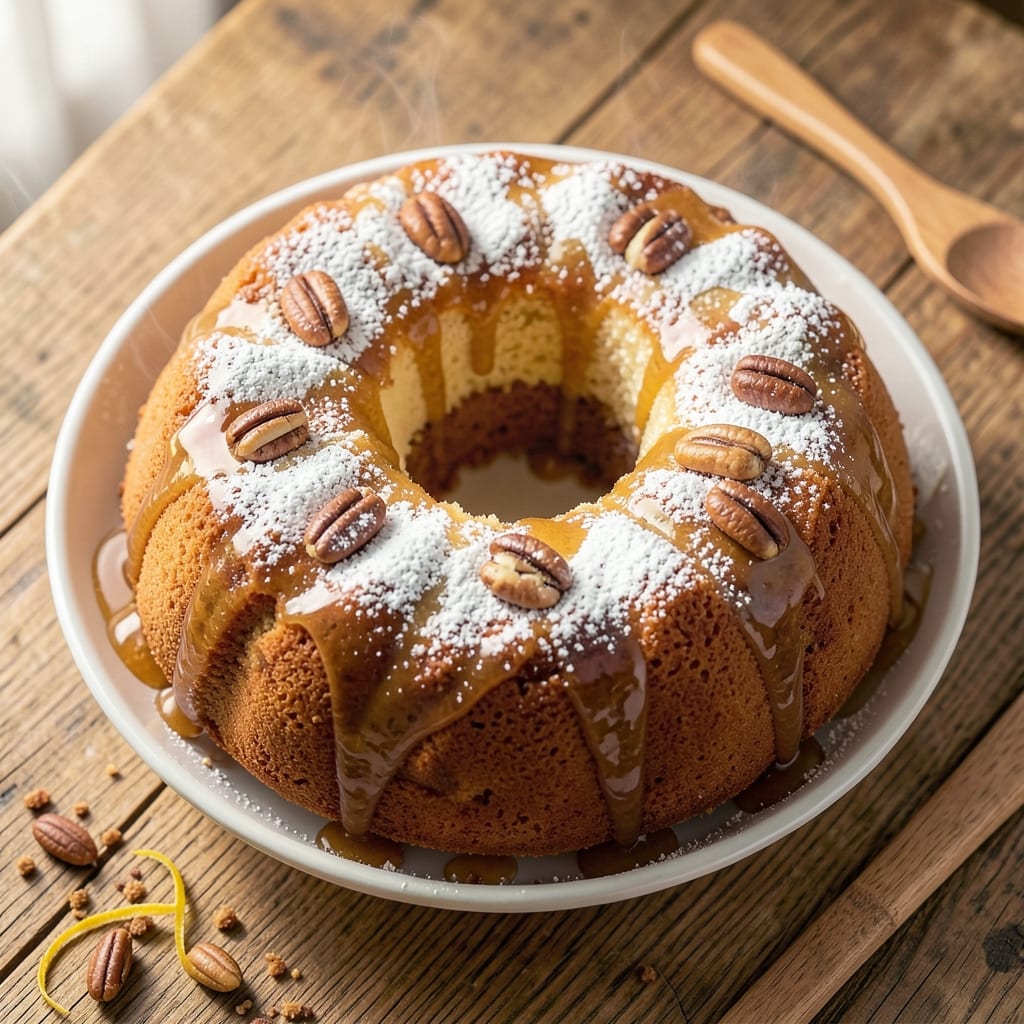
This Australian vanilla cake recipe delivers the perfect balance of tender crumb, golden crust, and rich vanilla flavor that’s become a classic across the continent. The secret lies in using golden syrup—a staple in Australian baking—that adds depth and a subtle caramel note, while a touch of vanilla bean elevates the flavor beyond ordinary. What sets this apart is the foolproof technique that ensures even rise and moist layers, making it ideal for both beginners and seasoned bakers.
The cake’s vanilla-infused layers are light yet sturdy enough to hold buttercream or cream cheese frosting without collapsing, a common challenge in high-moisture cakes. The golden crust forms naturally from the syrup and butter, giving it that signature Australian texture that’s crisp yet tender. Whether you’re baking for a special occasion or simply craving a slice of nostalgia, this recipe delivers restaurant-quality results with minimal fuss.
Once baked, the cake’s vanilla aroma fills the kitchen, signaling success before you even slice into it. The frosting options—whether classic vanilla buttercream or tangy cream cheese—complement the cake’s natural sweetness perfectly. For an extra touch, crushed macadamia nuts or lemon zest add texture and brightness, making every bite feel like a taste of Australia. Ready in just under an hour, this cake is as impressive as it is easy to make.
Serve it warm with a scoop of vanilla ice cream or enjoy it at room temperature for a dessert that’s visually stunning and irresistibly delicious. The beauty of this recipe is its versatility—it’s perfect for birthdays, picnics, or a simple treat to share with friends. Let’s get baking!
Ingredients for australian vanilla cake
Golden syrup and vanilla bean create the signature Australian flavor in this tender cake.
| Ingredient | Amount | Notes |
|---|---|---|
| All-Purpose Flour 🌾 | 2 ½ cups | Sifted for even texture |
| Granulated Sugar 🍚 | 1 ½ cups | Superfine preferred for smoothness |
| Golden Syrup 🍯 | ½ cup | Authentic Australian flavor |
| Unsalted Butter 🧈 | 1 cup | Cold, cubed for even mixing |
| Large Eggs 🥚 | 4 whole | Room temperature for best volume |
| Pure Vanilla Extract 🌿 | 2 tsp | High-quality for rich flavor |
| Vanilla Bean Paste 🌿 | 1 tbsp | For extra vanilla depth |
| Baking Powder 🧂 | 2 tsp | Freshly measured for lift |
| Salt 🧂 | ½ tsp | Fine sea salt preferred |
| Whole Milk 🥛 | ¾ cup | Room temperature for mixing |
| Crushed Macadamia Nuts 🥜 | ½ cup | Optional for texture |
| Lemon Zest 🍋 | 1 tbsp | Brightens the flavor |
The golden syrup is non-negotiable—Australian brands like Golden Gaytime or Treacle deliver that caramel depth. For the vanilla, Madagascar bourbon or Tahitian vanilla beans add complexity beyond extract. The butter should be cold and cubed—melting it first creates steam, which can cause uneven baking. If you can't find golden syrup, light corn syrup works in a pinch, though it lacks the same depth. For the macadamia nuts, raw and lightly toasted enhances their flavor without burning.
No vanilla bean paste? Double the extract and add a scraped vanilla bean pod for texture. Substituting the milk? Heavy cream or coconut milk adds richness, but the cake will be slightly denser. The flour must be sifted—this ensures a light, airy crumb. If you're short on time, King Arthur or Gold Medal flour are pre-sifted and work beautifully. For a gluten-free version, swap the flour for a 1:1 gluten-free baking blend—just add an extra teaspoon of baking powder to compensate for lower protein content.
Store the cake in an airtight container at room temperature for up to 5 days, or freeze slices for 3 months. The golden syrup keeps the cake moist, so no need for extra wrapping. For best results, bring the cake to room temperature before slicing—this prevents crumbs. The vanilla flavor intensifies over time, making it even more delicious the next day. If you're making ahead, bake the cake a day in advance and store it covered at room temperature.
Why You'll Love This Recipe
- Pantry Staples Only: I swear by this recipe because it uses what I always have—flour, sugar, butter, eggs, and that golden syrup jar I bought years ago. No fancy ingredients, no last-minute store runs. Just mix, bake, and enjoy.
- Golden Syrup Magic: Honestly, the golden syrup is the star. It gives this cake that deep, caramel-rich flavor that’s not too sweet, not too heavy—just right. One taste and you’ll be reaching for the jar every time.
- Birthday or Breakfast: Between us, this cake works for anything. Slice it for a birthday, pack it for a picnic, or eat it straight from the tin with tea. My kids even ask for it on school mornings (yes, even on a Tuesday).
- Leftovers That Last: The best part? This cake stays moist for days—no dry crumbs, no sad edges. I’ve had slices for lunch, dinner, and even dessert over three days, and it’s still as good as fresh. Budget-friendly? Absolutely.
Step-by-step instructions for Australian vanilla cake
This method delivers a perfectly balanced cake with a golden crust and moist, vanilla-infused layers every time.
Prepare the Dry Ingredients
In a medium bowl, sift together the 2.5 cups all-purpose flour, 2 teaspoons baking powder, and 0.5 teaspoon salt. I use a fine-mesh sieve to ensure no lumps remain—this creates an even texture throughout the cake. Add the 0.5 cup crushed macadamia nuts and mix gently with a whisk to distribute evenly. Set this mixture aside.
In a separate small bowl, combine the 1.5 cups granulated sugar and 1 tablespoon lemon zest. Rub the zest between your fingers first to release its oils, then mix with the sugar. This bright citrus note complements the vanilla beautifully. I always use superfine sugar for a smoother crumb, but regular granulated works in a pinch.
Cream Butter and Sugars
In a stand mixer fitted with the paddle attachment, beat the 1 cup cold unsalted butter and 0.5 cup golden syrup on medium speed for 3-4 minutes until light and fluffy. The butter should nearly double in volume with a pale, creamy texture. This step is crucial—it incorporates air that will create the cake's signature tender crumb.
Gradually add the sugar-zest mixture while mixing on low speed for 1 minute, then increase to medium speed for another 2 minutes. Scrape down the sides of the bowl with a spatula to ensure even mixing. The mixture should become thick and ribbon-like when the beaters are lifted. If it feels too soft, chill the bowl in the refrigerator for 10 minutes—this prevents excess spreading in the oven.
Incorporate Wet Ingredients
Add the 4 whole large eggs, one at a time, mixing on low speed after each addition until fully incorporated. Then add the 2 teaspoons pure vanilla extract and 1 tablespoon vanilla bean paste, mixing on low speed for 30 seconds to combine. The paste adds depth of flavor that extract alone can't match.
With the mixer on low speed, gradually add the 0.75 cup whole milk in a slow, steady stream. This prevents the batter from becoming too dense. Once fully combined, add the dry ingredients in three additions, mixing on low speed just until combined after each addition. Overmixing develops gluten, which can make the cake tough—stop as soon as you see no more flour streaks.
Prepare and Bake the Cake
Preheat your oven to 350°F. Generously grease two 8-inch round cake pans with butter and line the bottoms with parchment paper. Divide the batter evenly between the pans, smoothing the tops with a spatula. Tap each pan gently on the counter to remove any air bubbles.
Bake for 25-30 minutes, or until a toothpick inserted into the center comes out clean and the tops spring back when pressed gently. The golden syrup helps create that signature Australian golden crust, so don't rush this step. If the tops brown too quickly, tent the pans with foil after 15 minutes. Rotate the pans halfway through baking for even heat distribution.
Cool and Serve
Remove the cakes from the oven and let them cool in the pans for 10 minutes. Then transfer to a wire rack to cool completely. I find this gradual cooling prevents cracking. Once fully cooled, you can frost with buttercream, dust with powdered sugar, or serve as-is to appreciate the cake's natural vanilla flavor. For extra moisture, brush the warm layers with a simple syrup made from equal parts sugar and water.
The finished cake should have a fine, even crumb with a golden crust that gives way to tender layers. The macadamia nuts add a delightful crunch, while the lemon zest brightens the rich vanilla flavor. Slice and serve within 2 days for the best texture and flavor.
Pro Tips For Making Australian Vanilla Cake
- MEASURE GOLDEN SYRUP PRECISELY: Use a kitchen scale for the golden syrup—this isn’t the time to eyeball. A 200g misjudgment throws off the cake’s signature moistness and density. I learned this after a batch turned out too dry, and now I weigh it like it’s gold (because it is, in this recipe).
- CREAM BUTTER AND SUGAR LONG: Don’t rush the butter-sugar mix—beat it for a solid 3-5 minutes until it’s pale and fluffy. The golden syrup needs that light texture to blend smoothly, or you’ll end up with a cake that’s dense and syrupy in all the wrong ways. My first attempt was a gummy mess because I skimped here.
- DON’T OVERMIX THE BATTER: Once you add the flour, stop folding after just 10-12 strokes. Overmixing develops gluten and turns your cake tough instead of tender. I used to think more mixing = better cake, but now I count strokes like it’s a religion—because it works.
- LET THE CAKE COOL GRADUALLY: Resist the urge to pull it out of the tin immediately. Give it 10 minutes in the pan, then transfer to a wire rack for another 15. Rushing this step means your cake will crack or collapse when you try to ice it. I’ve seen it happen—messy, sad, and avoidable.
Best sauces and condiments for this australian vanilla cake
Classic Vanilla Buttercream
This rich, velvety frosting is the perfect match for your Australian vanilla cake. Whip 1 cup unsalted butter (softened but not melted) with 4 cups powdered sugar and 2 tablespoons heavy cream until light and fluffy. Add 2 teaspoons vanilla extract and a pinch of salt, then beat until smooth. For extra indulgence, fold in 2 tablespoons golden syrup—it deepens the flavor and ties back to the cake’s signature ingredient. Spread between layers and on top for a professional finish. 🌟
Tangy Cream Cheese Frosting
For a lighter contrast, try a cream cheese frosting that cuts through the cake’s richness. Beat 8 ounces cream cheese (softened) with ½ cup unsalted butter until smooth, then gradually add 3 cups powdered sugar and 1 teaspoon vanilla extract. Thin with 1-2 tablespoons milk if needed. The tanginess balances the sweetness beautifully, and it pairs especially well with the lemon zest in the cake. Pipe swirls or a simple border for a rustic touch.
Golden Syrup Glaze
Skip frosting entirely and go for a simple, elegant glaze. Warm ½ cup golden syrup with ¼ cup water and 1 teaspoon lemon juice in a small saucepan over low heat until dissolved. Let cool slightly, then drizzle over the cooled cake. The syrup’s caramel notes enhance the vanilla flavor while keeping the cake moist. For extra shine, brush the glaze onto the sides and top, then sprinkle with crushed macadamia nuts or flaky sea salt. ✨
Passionfruit Curd
Add a tropical twist with a passionfruit curd filling. Cook ½ cup passionfruit pulp (fresh or bottled) with ¼ cup sugar and 2 tablespoons cornstarch over medium heat until thickened. Stir in 2 tablespoons butter until smooth, then cool. Spread between cake layers for a vibrant, tangy contrast that complements the vanilla. Garnish with fresh passionfruit slices or a dusting of powdered sugar for a pop of color.
Chocolate Ganache
For chocolate lovers, a dark chocolate ganache adds depth and luxury. Melt ½ cup dark chocolate chips (70% cocoa) with ½ cup heavy cream over a double boiler, then let cool slightly. Drizzle over the cake or use it as a filling between layers. The bitterness of the chocolate contrasts the sweetness of the vanilla, creating a sophisticated flavor profile. Top with toasted coconut flakes for an Australian-inspired touch.
Nutrition facts
Frequently asked questions
What makes this Australian vanilla cake different from regular vanilla cake?
The key difference is the use of golden syrup—a staple in Australian baking—that adds a subtle caramel depth and keeps the cake moist longer. Plus, the recipe incorporates vanilla bean paste instead of just extract, giving it a richer, more complex vanilla flavor. The lemon zest also brightens the taste, making it more vibrant than traditional vanilla cakes.
Can I substitute golden syrup if I can't find it?
Yes, but the flavor won't be identical. Use light corn syrup as a 1:1 substitute, though it lacks the caramel notes of golden syrup. For a closer match, mix ½ cup molasses + ½ cup honey—this combo mimics the syrup's depth better. The cake will still be delicious, just with slightly different flavor characteristics.
How do I prevent my cake from cracking?
Cracking usually happens from uneven cooling or overmixing. Let the cake cool in the pans for 10 minutes before transferring to a wire rack, and avoid opening the oven door too early. Also, mix the batter just until combined—overmixing develops gluten, which can cause cracks. If cracks appear, use a simple syrup (equal parts sugar and water) to moisten them before frosting.
What’s the best way to store leftover cake?
Store the cake in an airtight container at room temperature for up to 5 days. For longer storage, wrap individual slices in plastic wrap and freeze for up to 3 months. The golden syrup helps preserve moisture, so no extra wrapping is needed. Let slices sit at room temperature for 10 minutes before serving to restore texture.
Can I make this cake in a different pan size?
Yes, but adjust baking time accordingly. For a 9-inch pan, reduce baking time by 5-7 minutes (bake for 20-25 minutes). For a 6-inch pan, increase time by 5-7 minutes (bake for 30-35 minutes). Always use a toothpick test to check doneness. The batter volume remains the same, so divide it evenly between pans.