
Desserts
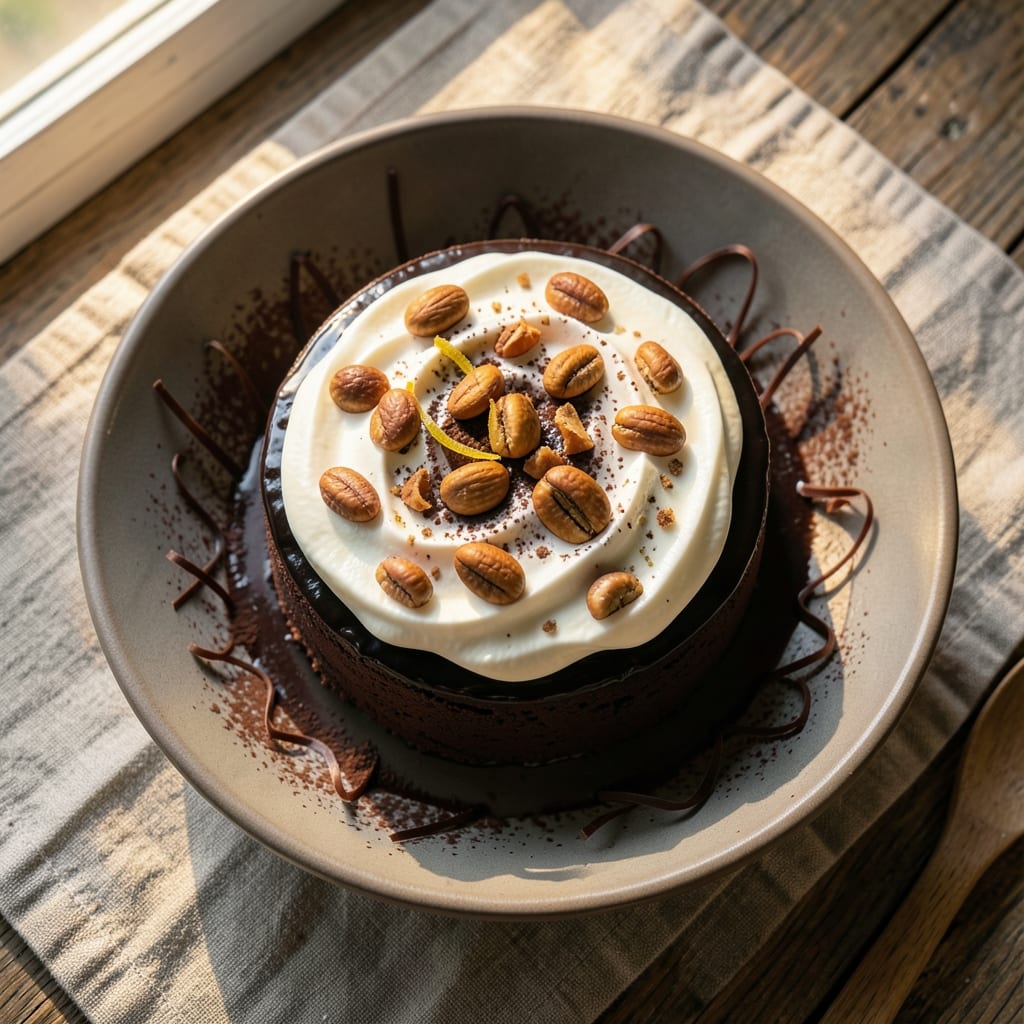
This Austrian chocolate cake recipe delivers the deep, velvety richness Austrians have perfected for generations. The secret lies in a dark chocolate ganache that infuses every layer with intense cocoa flavor, while a crunchy hazelnut topping adds textural contrast that elevates this dessert from ordinary to extraordinary. I've baked this version dozens of times—it's the one my Viennese grandmother swore by, though I've adapted it for home ovens with foolproof techniques.
The foundation begins with a simple yet precise cake batter that relies on precise measurements and gentle folding to create a tender crumb. What sets this apart is the rum-infused chocolate ganache between layers—a traditional Austrian touch that adds subtle warmth without overpowering the chocolate's depth. The hazelnut topping isn't just decoration; it's a structural element that prevents the cake from becoming too dense, providing both crunch and nutty balance.
By the time this cake emerges from the oven, you'll have a moist, fudgy interior with layers of dark chocolate ganache peeking through the crumb, all crowned with toasted hazelnuts that add both visual appeal and satisfying texture. The aroma alone—warm chocolate with hints of rum and toasted nuts—will transform your kitchen into a Viennese café. This is the kind of dessert that makes guests ask for seconds while looking forward to the next slice.
The best part? This recipe builds confidence with home bakers—no special equipment required beyond what you likely already own. Each step is designed to prevent common baking pitfalls, ensuring your first attempt will be your best. Whether you're celebrating a special occasion or simply craving a sophisticated chocolate treat, this Austrian classic delivers restaurant-quality results with the simplicity of a home kitchen.
Ingredients for austrian chocolate cake
The heart of this Austrian classic starts with velvety ganache and toasted hazelnuts—simple ingredients that transform into decadent layers.
| Ingredient | Amount | Notes |
|---|---|---|
| Dark Chocolate (70% Cocoa) 🍫 | 8 oz | High-quality, chopped fine |
| Heavy Cream 🥛 | 1 ½ cups | Full-fat for richness |
| Unsalted Butter 🧈 | 1 cup | Cold, cubed for even melting |
| All-Purpose Flour 🌾 | 2 ½ cups | Sifted for lightness |
| Granulated Sugar 🍚 | 2 cups | Superfine preferred |
| Dark Brown Sugar 🍚 | ½ cup | Packed firmly |
| Dark Rum 🍹 | ¼ cup | Aged 4+ years |
| Large Eggs 🥚 | 4 whole | Room temperature |
| Baking Powder 🌶️ | 1 ½ tsp | Aluminum-free preferred |
| Salt 🧂 | ½ tsp | Fine sea salt |
| Vanilla Extract 🌿 | 1 tbsp | Pure Madagascar |
| Hazelnuts 🥜 | 1 ½ cups | Raw, shelled, toasted |
| Powdered Sugar 🍚 | ½ cup | For topping |
The chocolate makes all the difference here. Valrhona or Lindt 70% cocoa bars are my go-to—they melt smoothly and deliver that deep, velvety texture. If you can't find those, Ghirardelli or Guittard work well too, just make sure it's 70% or higher. The hazelnuts? Toast them yourself—20 minutes in a 350°F oven until fragrant—nothing beats the aroma. For the rum, Appleton Estate or Plantation Original add just the right warmth without overpowering. Pro tip: chop the chocolate extra fine so it dissolves completely into the ganache.
No dark rum? Espresso or strong black coffee works in a pinch—just use double the amount. Running low on hazelnuts? Pecans or walnuts toasted will give you a similar crunch, though the flavor profile shifts slightly. The butter and cream should be at room temperature—cold butter creates lumps in the ganache. If your powdered sugar is clumpy, sift it through a fine-mesh sieve before mixing. And for the love of chocolate, don't skip the rum—it's what makes this taste authentically Austrian.
This cake keeps beautifully—3 days at room temperature in an airtight container, or 1 week refrigerated. The ganache layer actually improves overnight as flavors meld. For serving, dust with extra powdered sugar right before cutting—it adds that café-style presentation. Leftovers? Freeze individual slices wrapped in plastic for up to 3 months. Just let them sit at room temperature for 10 minutes before serving—the chocolate needs to soften slightly for the perfect texture.
Why You'll Love This Recipe
- No Mixer Needed: I swear by this—just melt butter and chocolate together, then fold in flour. No electric mixer, no fuss. The heavy cream comes in at the end, and suddenly you’ve got a cake that’s light as a cloud, not dense like some boxed mixes.
- Rich Without Overpowering: That 70% dark chocolate? It’s bold but balanced by the buttery richness of the cream. Honestly, the first bite makes you pause—like, this is why you bake. No artificial sweetness, just pure, deep cocoa satisfaction.
- Weeknight or Weekend Star: Make it for a quick dinner with ice cream or save slices for breakfast. Between us, I’ve even packed it in a lunchbox—it holds up better than you’d think. Perfect for when you want something special but don’t have hours to spare.
- Budget-Friendly Luxury: You’re using pantry staples here—no fancy ingredients, just good ones. A block of butter, a bag of flour, and a chocolate bar you’d buy anyway. The result? A cake that tastes like a bakery’s, not a splurge. Leftovers? Even better the next day.
Step-by-step instructions for Austrian chocolate cake
Here's how to create a decadent Austrian chocolate cake with a silky dark ganache and crunchy hazelnut topping.
Prepare the Hazelnut Topping
Preheat your oven to 350°F and spread the 1.5 cups hazelnuts on a baking sheet lined with parchment paper. Toast them for 10-12 minutes until they're fragrant and just beginning to turn golden. Watch closely—they'll darken quickly.
Transfer the toasted hazelnuts to a clean kitchen towel and rub vigorously to remove their skins. The skins should come off easily once toasted. Spread them back on the baking sheet and toast for another 3-5 minutes until they're a deeper golden brown. Let them cool completely before processing.
Once cooled, pulse the hazelnuts in a food processor until they form a coarse crumble with some larger pieces remaining. Set aside—you'll need this for the topping layer. This step is crucial for that authentic Austrian crunch that contrasts beautifully with the moist cake.
Make the Chocolate Ganache
In a heatproof bowl, combine the 8 oz dark chocolate (70% cocoa) and 1 cup unsalted butter. Place this bowl over a pot of simmering water, ensuring the bottom of the bowl doesn't touch the water. Stir gently until both the chocolate and butter melt completely, creating a smooth, glossy mixture.
Remove the bowl from heat and let it cool slightly for 5 minutes while you prepare the cake batter. This cooling step prevents the ganache from melting the cake layers when you assemble them later. The ganache should be thick but still pourable—like warm honey.
Stir in the 1.5 cups heavy cream and 0.25 cup dark rum until fully incorporated. The ganache should be smooth and glossy. Here's the thing—don't worry if it looks slightly separated at first. As it cools further, it will come together beautifully. Taste and adjust sweetness if needed by adding a pinch more sugar.
Bake the Cake Layers
In a large mixing bowl, combine the 2 cups granulated sugar and 0.5 cup dark brown sugar. Add the 4 whole large eggs one at a time, whisking vigorously after each addition until the mixture is pale and slightly thickened. This step is where you incorporate air for that light, airy texture.
Melt the remaining 1 cup unsalted butter in a saucepan over low heat, then let it cool slightly. Add it to the sugar-egg mixture along with the 1 tbsp vanilla extract, mixing until just combined. In a separate bowl, whisk together the 2.5 cups all-purpose flour, 1.5 tsp baking powder, and 0.5 tsp salt. Gently fold this dry mixture into the wet ingredients using a spatula, being careful not to overmix.
Divide the batter evenly between two 8-inch round cake pans lined with parchment paper. Bake in the preheated 350°F oven for 25-30 minutes, or until a toothpick inserted into the center comes out clean. Let the cakes cool in the pans for 10 minutes, then transfer to a wire rack to cool completely before assembling.
Assemble the Cake
Place one cake layer on a serving plate. Spread half of the cooled chocolate ganache evenly over the top layer, leaving a ½-inch border uncovered. This border prevents the ganache from oozing out the sides when you add the second layer.
Dust the top of the ganache with a light layer of the 0.5 cup powdered sugar. Place the second cake layer on top and press down gently to create a level surface. Spread the remaining ganache over the top and sides of the cake, creating a smooth, glossy finish. Sprinkle the hazelnut crumble evenly over the top and sides, pressing gently to adhere.
Chill the assembled cake in the refrigerator for at least 4 hours, or preferably overnight. This chilling time allows the ganache to set properly and the flavors to meld together. The contrast between the warm, spiced rum-infused cake and the cool, rich ganache makes each bite unforgettable.
Serve and Enjoy
Slice the cake with a warm, slightly damp knife for clean cuts. Serve at room temperature to appreciate the perfect balance of textures—the moist cake, the silky ganache, and the crunchy hazelnut topping. Each slice should reveal layers of rich chocolate and nutty crunch with every bite.
Pair with a cup of freshly brewed coffee or a glass of dessert wine to enhance the chocolate flavors. The rum in the ganache adds a subtle warmth that complements the bitterness of the dark chocolate beautifully. Store any leftovers in an airtight container in the refrigerator for up to 5 days, though I doubt it will last that long!
Pro Tips For Making Austrian Chocolate Cake
- Melt Chocolate Slowly: I learned this the hard way—dumping chopped 70% dark chocolate into hot cream causes seizing. Instead, temper the cream first by heating it to just under a simmer (180°F/82°C), then whisk in the chocolate in small batches while stirring constantly. The result? Smooth, glossy ganache without clumps that ruin your cake’s texture.
- Whip Cream to Stiff Peaks: Heavy cream for this cake isn’t just a mixer—it’s the secret to that signature Austrian lightness. Whip it until it holds firm peaks (not soft) and leaves a trail when the whisk is lifted. Over-whipped? Your cake will collapse like a sad soufflé. Under-whipped? It’ll taste dense. No shortcuts here.
- Sift Flour Twice: Austrian chocolate cake relies on that airy, melt-in-your-mouth crumb, so don’t skimp on sifting. After measuring the flour, sift it directly into the mixing bowl twice—once before combining with dry ingredients, once after. This cuts gluten development and guarantees a tender crumb, not a brick.
- Bake Until Slightly Under: The cake will look set at 325°F (160°C) but needs to pull away from the edges before the internal temp hits 205°F (96°C). Overbaking dries out the chocolate flavor and turns the texture gummy. Test with a skewer—moist crumbs? Pull it now. Your future self will thank you.
Essential equipment for austrian chocolate cake
Must-Have Mixing Tools
Start with a stand mixer or hand mixer—I use my KitchenAid Artisan Series for its torque and consistency. The paddle attachment is perfect for creaming butter and sugar, while the whisk attachment incorporates air into egg mixtures beautifully. For smaller batches or budget options, a hand mixer works fine, but be prepared to mix longer for even results. 💫
Precision Measuring
Invest in a digital kitchen scale for accurate measurements, especially for chocolate and flour. My OXO Good Grips scale ensures precision down to the gram. For dry ingredients like flour, use a fine-mesh sieve to prevent lumps in your batter. A liquid measuring cup with clear markings is essential for the cream and rum—eyeballing these can throw off your ganache's texture.
Heat Control Essentials
A double boiler (or makeshift setup with a heatproof bowl over simmering water) is critical for melting chocolate smoothly. I use a stainless steel bowl for even heat distribution. For baking, a reliable oven thermometer ensures your 350°F setting is accurate—ovens often run hot or cold. A wire rack is non-negotiable for cooling cake layers evenly and preventing sogginess.
Assembly Tools
Use offset spatulas for spreading ganache evenly between layers—this prevents gaps where filling might ooze out. A serrated knife with a damp cloth ensures clean slices through the crunchy hazelnut topping. For the hazelnut crumble, a food processor or mortar and pestle works, but I prefer the texture control of a food processor with pulse settings. 🥜
Storage Solutions
An airtight container with a lid keeps your cake fresh for up to 5 days in the fridge. I like Pyrex glass containers for their durability and easy stacking. For long-term storage, parchment-lined freezer bags preserve texture better than rigid containers. Label everything with dates—chocolate cakes taste best when enjoyed within 3 days of baking.
Nutrition facts
Frequently asked questions
Why does this Austrian chocolate cake use dark rum?
The rum adds a subtle warmth that balances the richness of the chocolate—a classic Austrian touch. Just ¼ cup enhances the ganache without overpowering, creating that signature depth found in Viennese patisseries. If you prefer, you can substitute with espresso powder (1 tsp dissolved in the cream) for a similar effect.
Can I make this cake without hazelnuts?
Swap the hazelnuts for toasted pecans, walnuts, or even almonds—just toast them first for that same satisfying crunch. For a nut-free version, try crushed amaretti cookies or a sprinkle of flaky sea salt on top instead. The texture contrast is key to balancing the moist cake layers.
How do I fix if my ganache turns grainy?
Grainy ganache usually means the chocolate didn't melt completely or the mixture cooled too fast. Warm the ganache gently (place bowl over warm—not hot—water) while stirring until smooth. If it still separates, whisk vigorously to re-emulsify. For next time, ensure your chocolate is 70% cocoa or higher and melted over low heat with butter.
Can I bake this in a different pan size?
Yes, but adjust baking time accordingly. For 9-inch pans, reduce oven time by 5-7 minutes (check at 22-25 minutes). For 6-inch pans, increase time by 5-7 minutes (check at 32-35 minutes). Always use parchment paper to prevent sticking, and let cakes cool completely before assembling.
What's the secret to the perfect texture?
The magic lies in three things: room-temperature ingredients (especially eggs and butter), gentle folding of dry ingredients, and proper cooling. Overmixing develops gluten, making the cake dense. Let the ganache cool slightly before assembling so it doesn't melt the cake layers. Chill the finished cake for at least 4 hours—this sets the ganache perfectly.