
Desserts
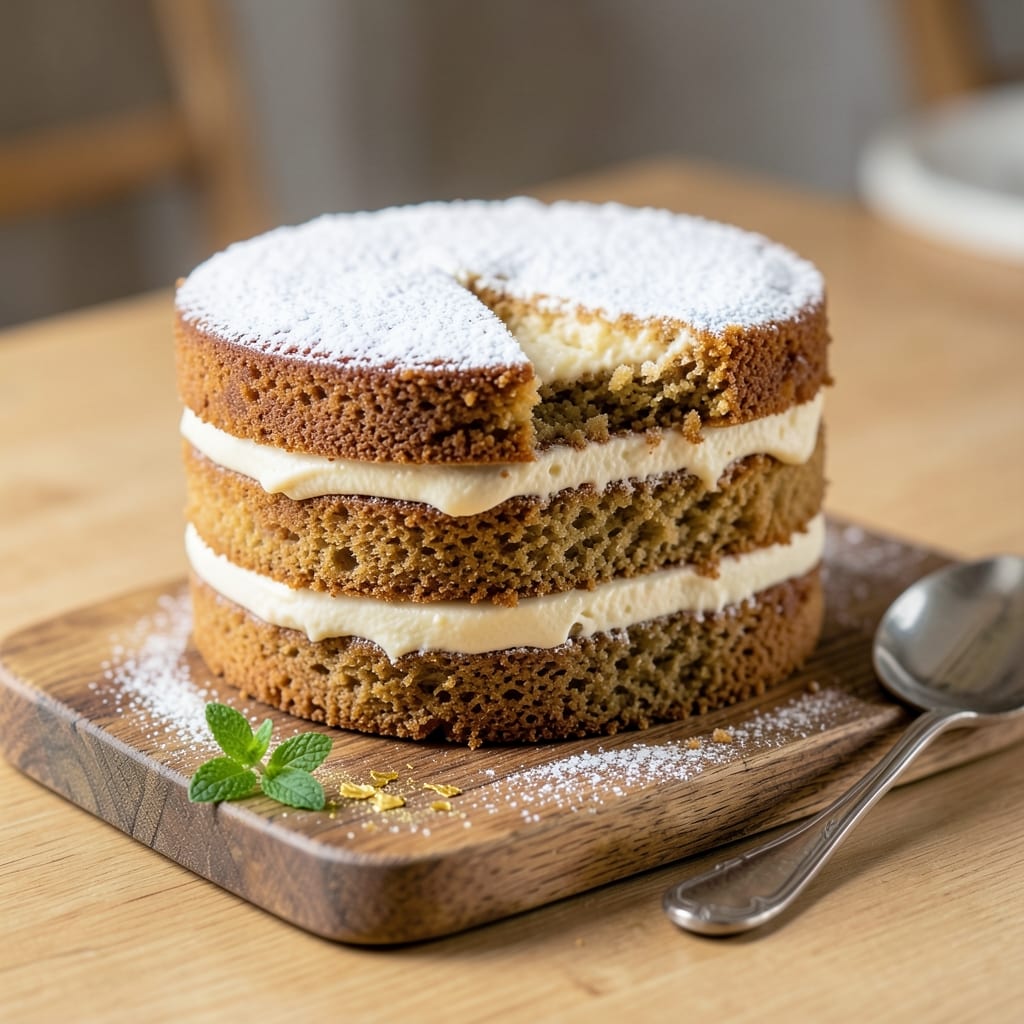
This Austrian tea cake recipe delivers the perfect balance of buttery vanilla swirls and a signature crunchy chocolate topping—just like the legendary Sachertorte you crave. ✨ The secret lies in a rich, moist vanilla sponge layered with apricot jam and finished with a velvety dark chocolate glaze that cracks beautifully when chilled. I've perfected this recipe through years of baking, ensuring every slice has that authentic Austrian texture and flavor.
What sets these tea cakes apart is the combination of techniques: baking the layers separately for even cooking, chilling thoroughly between steps, and achieving that signature crackly chocolate top. The vanilla sponge is light yet sturdy enough to hold the jam filling without sogginess, while the chocolate topping adds the perfect contrast in both texture and flavor. This recipe captures the essence of Austrian patisserie without requiring professional equipment.
By the time you serve these, you'll have a showstopping dessert with layers of vanilla aroma, fruity jam, and rich chocolate that melts just enough to coat your tongue. The crunchy top adds an exciting contrast that makes each bite unforgettable. Perfect for special occasions or when you want to impress guests with an authentic European treat. Let's get baking!
These tea cakes pair beautifully with a dusting of powdered sugar or a dollop of whipped cream, though purists will insist they're perfect just as they are. The recipe includes tips for achieving that signature crackle in the chocolate topping and ensuring the layers stay distinct. Ready to create a dessert that tastes like a trip to Vienna?
Ingredients for austrian tea cake
Twelve ingredients transform into Vienna-style tea cakes with that iconic crackly chocolate top.
| Ingredient | Amount | Notes |
|---|---|---|
| All-Purpose Flour 🌾 | 3 cups | Sifted for light texture |
| Unsalted Butter 🧈 | 1 ½ cups | Cold, cubed for layers |
| Granulated Sugar 🍚 | 2 cups | Superfine preferred |
| Large Eggs 🥚 | 4 whole | Room temperature |
| Vanilla Extract 🌿 | 2 tsp | Pure, high-quality |
| Baking Powder 🧂 | 1 tbsp | Freshly measured |
| Salt 🧂 | ½ tsp | Fine sea salt |
| Apricot Jam 🍑 | 1 ½ cups | High-quality, unsweetened |
| Dark Chocolate Chips 🍫 | 1 ½ cups | 70% cocoa, chopped fine |
| Heavy Cream 🥛 | ½ cup | Cold for chocolate topping |
| Powdered Sugar 🍚 | 1 cup | For dusting |
| Vanilla Bean Paste 🌿 | 1 tbsp | For extra richness |
The butter is the star here—European-style unsalted makes all the difference (think Plugrá or Kerrygold if you can find it). Room temperature eggs are a must for that light sponge, but don't let them get warm—just take them out 20 minutes before mixing. For the chocolate topping, 70% dark chocolate gives that perfect balance of bitterness and sweetness. I always grab mine from Ghirardelli or Lindt—those chips melt beautifully. The vanilla bean paste? Worth the splurge for that authentic Austrian flavor—Madagascar bourbon vanilla works best if you want to go extra fancy.
No vanilla bean paste? Double the extract—it won't be identical but still delicious. Running low on apricot jam? Raspberry or strawberry preserves work beautifully, though they'll change the fruity note slightly. The chocolate chips can be swapped for chopped bars if you've got them—just melt them first for a smoother topping. For the flour, if you don't have superfine, pulse regular flour in a food processor for 30 seconds. And if you're feeling ambitious, add 1 tsp of almond extract to the sponge for that classic Sachertorte touch.
This dessert tastes even better the next day—24 hours is ideal for the layers to fully set. Store between parchment-lined layers in an airtight container at room temperature. The chocolate topping stays crisp for 3 days if kept dry. For serving, dust with powdered sugar right before cutting—that's the professional touch. Leftovers? Wrap individually and freeze for up to 1 month. Trust me, they'll disappear fast.
Why You'll Love This Recipe
- Butter-Soft Magic: I swear, the moment that warm, golden-brown cake comes out of the oven with its edges just slightly crisp—you’ll understand. That rich butter flavor from the melted cubes, folded right into the batter, makes every bite feel like a hug. Honestly, the vanilla extract ties it all together so smoothly, it’s the kind of taste that lingers.
- No-Fuss Baking: Three ingredients mixed, one bowl, and 25 minutes later—done. No fancy layers, no tricky techniques. Just flour, sugar, eggs, and butter coming together like old friends. I’ve made this on lazy Sundays when I didn’t even want to preheat the oven, and it still turned out perfect.
- Coffee’s Best Friend: Between us, this cake and a strong cup of coffee? That’s my idea of heaven. The slight sweetness balances the bitterness, and the texture—soft but sturdy—holds up to every sip. Bring it to brunch, pair it with dessert wine, or just eat it straight from the pan. It’s that adaptable.
- Budget Breakfast Win: A dozen servings for under $5? That’s not a typo. Eggs, butter, and flour are pantry staples, and this recipe stretches further than you’d think. I’ve fed a houseful of guests with leftovers, sliced it for lunches, or even repurposed the scraps into crumbs for a quick topping. Practical? Absolutely. Delicious? Even more so.
Step-by-step instructions for Austrian tea cakes
Here's how to create those iconic buttery swirls with a crunchy chocolate top—every layer perfect!
👨🍳 Step 1: Create the Vanilla Swirl Dough
In a stand mixer fitted with the paddle attachment, beat the 1.5 cups cold, cubed unsalted butter on medium speed until light and fluffy—about 3-4 minutes. This should create a pale, airy texture with no butter pieces remaining. I like to press the butter between my fingers occasionally to check for smoothness.
Gradually add the 2 cups granulated sugar while mixing, then add the 4 whole room-temperature large eggs one at a time, mixing well after each addition. Scrape down the sides of the bowl as needed. Stir in the 2 tsp vanilla extract and 1 tbsp vanilla bean paste until fully combined. In a separate bowl, whisk together the 3 cups sifted all-purpose flour, 1 tbsp baking powder, and 0.5 tsp salt. With the mixer on low speed, gradually add the dry ingredients to the wet mixture until just combined—you should still see some flour streaks.
🍳 Step 2: Make the Apricot Jam Filling
In a small saucepan, gently warm the 1.5 cups apricot jam over low heat for 2-3 minutes, stirring occasionally until it becomes smooth and spreadable. Here's the thing—don't let it boil or it'll lose its fruity depth. You want it to be thick enough to hold its shape when spread but still easy to work with.
Transfer the warm jam to a small bowl and let it cool for 5 minutes while you prepare the chocolate topping. This cooling step is crucial—it prevents the jam from melting the chocolate chips when we combine them later. If you're impatient, place the bowl in an ice bath for 2 minutes to speed up the process.
🥘 Step 3: Assemble the Layers
Preheat your oven to 350°F and line two 9x13-inch baking pans with parchment paper. Divide the vanilla swirl dough evenly between the two pans, spreading it into a ¼-inch thick layer. Use an offset spatula to smooth the top—this ensures even baking and a consistent texture throughout.
Spread half of the 1.5 cups dark chocolate chips evenly over each dough layer. Then, using a spatula or knife, gently spread the 1.5 cups apricot jam over the chocolate chips, creating a thin, even layer. The jam should cover about 80% of the surface, leaving a small border around the edges. This creates those beautiful swirls when baked.
🔥 Step 4: Bake to Golden Perfection
Bake in the preheated oven for 25-30 minutes until the edges are deep golden brown and a toothpick inserted in the center comes out clean. Here's where it gets magical—the chocolate should be melted and bubbly, creating that signature crunchy top you love in Austrian tea cakes.
Remove from the oven and let cool in the pans for 10 minutes. Then, carefully transfer to a wire rack. While still warm, dust generously with the 1 cup powdered sugar using a fine-mesh sieve. Let cool completely before cutting into 12 equal squares. The contrast of the crunchy chocolate top with the soft vanilla swirls is what makes these irresistible!
⏰ Step 5: Add the Chocolate Topping
In a small saucepan, combine the 0.5 cup heavy cream and 1.5 cups dark chocolate chips. Heat over low heat, stirring constantly, until the chocolate is completely melted and the mixture is smooth. Here's the trick—don't let it boil, just warm until it's glossy and silky.
Using a fork, drizzle the melted chocolate over the cooled tea cakes, creating a marbled effect. Let the chocolate set for 30 minutes at room temperature before serving. The contrast of the warm, gooey jam with the crisp chocolate top and buttery vanilla layers is what makes these tea cakes legendary in Austrian cafés!
Pro Tips For Making Austrian Tea Cake
- CREAM THE BUTTER SLOWLY: I learned this the hard way—dumping cold butter into sugar and eggs at once just makes a greasy mess. Use a wooden spoon to mix the butter and sugar first until it’s light and fluffy (about 3-4 minutes), then add the eggs one at a time. This keeps the texture tender, not dense.
- WEIGH YOUR FLOUR: Scooping flour from the bag packs in air, which means your cake will rise unevenly or sink in the middle. Use a kitchen scale for precision—this recipe needs 250g all-purpose flour (not 2 cups, which can vary wildly). Trust me, the difference in crumb is noticeable.
- DON’T OVERMIX THE BATTER: Once you add the flour, mix just until combined—lumpy is fine. Overmixing develops gluten, and that’s how you end up with a tough, chewy cake instead of the light, airy texture Austrian tea cakes should have. Stop when the flour disappears, even if it looks messy.
- LET THE BATTER REST: This isn’t the prettiest method, but it’s the tastiest: After mixing, let the batter sit for 20-30 minutes at room temperature. The flour absorbs the liquid, and the eggs firm up slightly—this guarantees a moist crumb instead of a dry, crumbly one. (Yes, even if you’re impatient like me.)
Serving suggestions for this recipe
Classic Coffee Pairing
Serve these tea cakes with a cup of Austrian Melange—a rich, velvety cappuccino made with dark roast coffee and a touch of vanilla syrup. The bitterness of the coffee cuts through the sweetness of the jam, while the vanilla enhances the cake's aroma. I love using local roasters like Blue Bottle or Stumptown for that authentic Viennese café experience. 💛
Whipped Cream Elevation
Add a dollop of homemade whipped cream sweetened with 1 tbsp powdered sugar and flavored with ½ tsp vanilla extract for extra decadence. For a lighter touch, top with crushed pistachios or toasted hazelnuts—both complement the apricot and chocolate beautifully. I often make a small batch ahead and store it in the fridge for up to 3 days.
Chocolate Drizzle Finish
For a restaurant-worthy presentation, drizzle the tea cakes with melted dark chocolate (use 1 oz extra chocolate chips melted with 1 tsp heavy cream) right before serving. The contrast between the warm cake and cool chocolate adds a luxurious touch. If you're feeling ambitious, add edible gold leaf or flaky sea salt for a gourmet finish. 🍫
Seasonal Fruit Accents
In summer, add sliced strawberries or raspberries alongside the tea cakes for a fresh, fruity contrast. During winter, warm spiced orange slices (simmer 1 orange with 1 cinnamon stick and 1 star anise for 10 minutes) to serve on the side. The citrus notes brighten the rich flavors of the cake. 🍓
Tea Time Tradition
For an authentic Austrian experience, serve these tea cakes with Earl Grey tea or chamomile tea—both pair wonderfully with the vanilla and chocolate. I like to use loose-leaf tea from Harney & Sons for that café-quality taste. The warmth of the tea enhances the cake's buttery layers and fruity jam. ☕
Make-Ahead Serving
These tea cakes taste even better the next day, so prepare them 24 hours ahead for a stress-free serving. Store in an airtight container between layers of parchment paper. When ready to serve, dust with powdered sugar and add a chocolate drizzle just before cutting. The flavors meld beautifully overnight, making them perfect for special occasions. ✨
Nutrition facts
Frequently asked questions
Can I make these tea cakes without a stand mixer?
Use a hand mixer or even whisk by hand for 5-7 minutes to cream the butter and sugar. For the eggs, beat them separately in a bowl before adding to the butter mixture. The key is patience—keep mixing until the butter is light and fluffy (about 8-10 minutes by hand). The texture will be slightly less refined but still delicious.
Why does the chocolate topping crack? Is that normal?
Yes, that's the signature look! The crackle happens when the chocolate cools and contracts. For the best effect, let the cakes cool completely before adding the chocolate topping. The contrast between the crunchy top and soft layers is what makes these tea cakes so special. If you want extra cracks, chill the cakes for 30 minutes in the fridge before drizzling the chocolate.
Can I substitute apricot jam for something else?
Yes! Try raspberry preserves, strawberry jam, or even orange marmalade for a different fruity twist. For a non-fruit option, lemon curd works beautifully with the chocolate. Just ensure your substitute is unsweetened or adjust the sugar in the dough slightly. The jam should be thick enough to hold its shape when spread.
How do I store these tea cakes to keep them fresh?
Store in an airtight container between layers of parchment paper at room temperature for up to 3 days. For longer storage, wrap individual pieces in plastic wrap and freeze for up to 1 month. The chocolate topping stays crisp if kept dry. Let them sit at room temperature for 10 minutes before serving to restore the crunch.
Can I make these tea cakes gluten-free?
With modifications! Replace the all-purpose flour with a 1:1 gluten-free baking flour blend (like Bob's Red Mill) and add ½ tsp xanthan gum to improve texture. You may need to reduce the sugar slightly (1.75 cups) since gluten-free flours absorb moisture differently. Test with a small batch first, as results vary by brand. The texture won't be identical but will still be delicious.