
Desserts
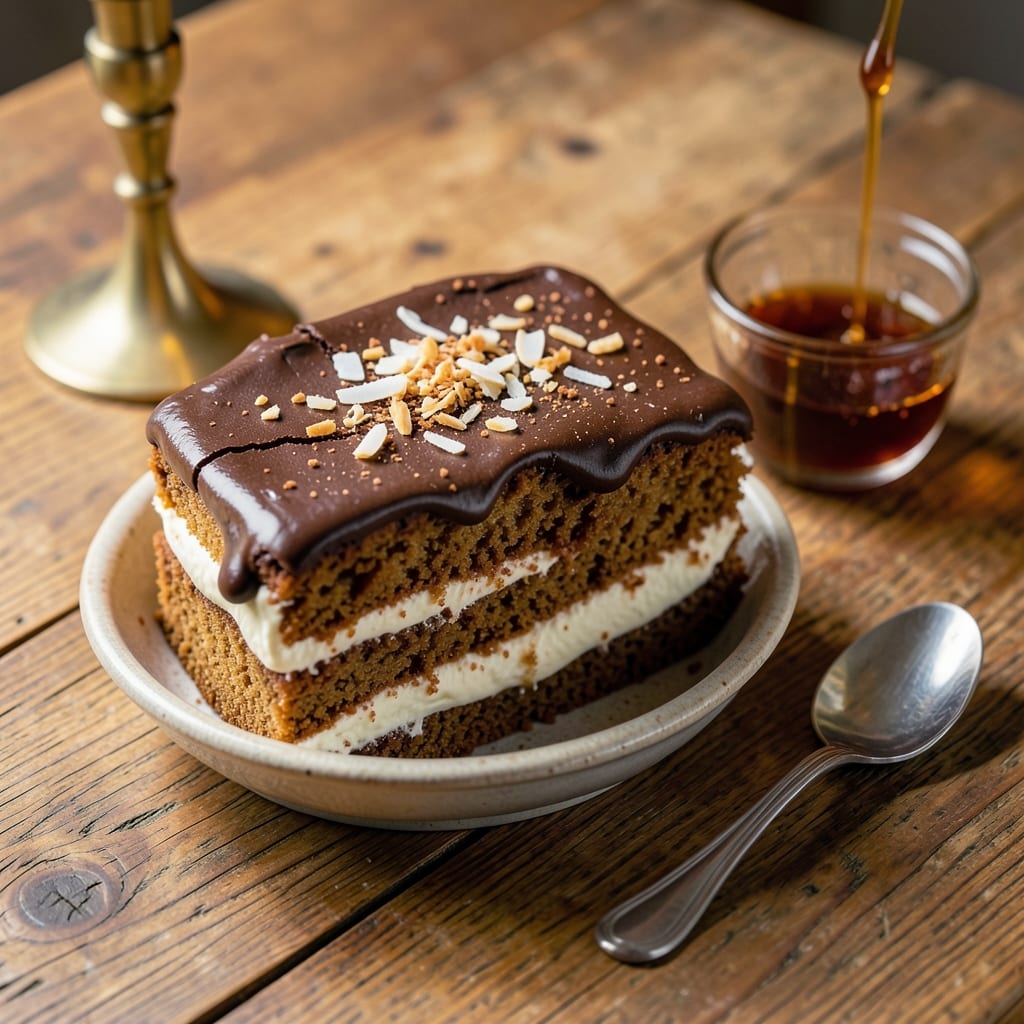
This authentic Dominican cake recipe brings the warm, spiced flavors of the island straight to your kitchen, where every layer tells a story of tradition and celebration. 🌟 The secret lies in the rum-infused layers—rich, moist, and perfumed with cinnamon and nutmeg—paired with a crunchy streusel topping that adds texture and depth. I've perfected this recipe over years of baking, ensuring it stays true to Dominican roots while being approachable for home cooks.
The cake's magic starts with a simple yet flavorful batter, where spiced rum and tropical ingredients like coconut create a symphony of tastes. Unlike many cakes, this one relies on precise layering and a gentle baking process to maintain its signature tenderness. The streusel topping isn't just for decoration—it's a crunchy contrast that balances the cake's softness, making every bite unforgettable.
What sets this recipe apart is its versatility—serve it at gatherings, holidays, or as a special treat, knowing it carries the warmth of Dominican hospitality. The rum infusion adds a sophisticated touch without overpowering, while the streusel ensures a satisfying crunch. This isn't just a cake; it's a piece of cultural tradition, baked fresh in your own kitchen.
Ready to bake? Let's dive into the steps, from mixing the rum-infused batter to creating the perfect streusel, ensuring your cake turns out as rich and inviting as a Dominican fiesta. The result? A dessert that's as beautiful to look at as it is delicious to eat.
Ingredients for authentic dominican cake
Eight servings of Dominican tradition—spiced rum, coconut, and layers of warmth in every bite.
| Ingredient | Amount | Notes |
|---|---|---|
| All-Purpose Flour 🌾 | 3 ½ cups | Sifted for light texture |
| Granulated Sugar 🍚 | 2 cups | White or light brown |
| Light Brown Sugar 🍚 | 1 cup | Packed for moisture |
| Unsalted Butter 🧈 | 1 ½ cups | Room temperature, softened |
| Large Eggs 🥚 | 4 whole | Room temperature |
| Spiced Rum 🍹 | ½ cup | Dark or gold, like Appleton |
| Vanilla Extract 🌸 | 2 tsp | Pure vanilla preferred |
| Ground Cinnamon 🌿 | 2 tsp | Freshly ground preferred |
| Ground Nutmeg 🌿 | 1 tsp | Freshly grated preferred |
| Baking Powder 🧂 | 2 tsp | Aluminum-free preferred |
| Salt 🧂 | ½ tsp | Fine sea salt |
| Unsweetened Shredded Coconut 🥥 | 1 cup | Fresh or frozen, thawed |
| All-Purpose Flour (for streusel) 🌾 | 1 cup | Same brand as cake |
| Light Brown Sugar (for streusel) 🍚 | ½ cup | Packed for sweetness |
| Cold Unsalted Butter (for streusel) 🧈 | ½ cup | Cubed for texture |
| Chopped Walnuts 🌰 | ½ cup | Toasted for depth |
The rum is non-negotiable here—Appleton Estate or Hamilton are my go-tos, but any good dark rum works. Look for bottles labeled 'spiced' or 'gold' at World Market or your local liquor store's Caribbean section. The coconut should be unsweetened and shredded fresh if possible—pre-shredded gets dry. For the butter, Land O'Lakes or Plugrá are reliable, but nothing beats European-style unsalted for flavor. The cinnamon and nutmeg? Penzeys Spices sells pre-ground blends that are perfect for this recipe—just check the 'Dominican-inspired' section if you see it.
No spiced rum? Apple juice or orange juice with 1 tsp cinnamon mimics the warmth. Pre-shredded coconut? Toast it in a dry pan for 2 minutes to revive it. The streusel's walnuts can be swapped for pecans or almonds, but toast them first—they make all the difference. For a gluten-free version, substitute almond flour in both the cake and streusel, but reduce the liquid by 2 tbsp. And if you're short on time, mix the streusel dry and toss with butter cubes right before baking—it still works.
This cake keeps beautifully—3 days at room temperature covered loosely, or 1 week refrigerated in an airtight container. The streusel stays crisp if you store the cake upside down. For serving, I like to dust with powdered sugar and a sprinkle of cinnamon right before cutting. Freezes for 3 months too—wrap tightly in plastic and thaw overnight at room temperature. Pro tip: Bake an extra layer if you're feeding a crowd—it reheats perfectly in the oven at 300°F for 10 minutes.
Why You'll Love This Recipe
- No Fuss, Big Payoff: This cake comes together faster than you can cream butter and sugar—just mix, bake, and boom. No fancy techniques, no stress, and honestly, the brown sugar butter swirl does most of the work for you.
- Sweet Butter Magic: That combo of brown sugar and butter? It’s what makes this cake dangerously good—rich, caramelized edges that crack just enough to let the soft, pillowy center shine. (Yes, even on a Tuesday night.)
- Crowd-Pleaser Always: Bring this to a birthday, a family gathering, or just because—it’s the kind of dessert that disappears fast. My niece picks out the biggest slice, but still asks for seconds.
- Budget-Friendly Luxury: Uses pantry staples (flour, sugar, butter) that won’t break the bank, and the leftovers? They’re even better the next day. I’ll be real: this is my secret weapon for feeding a house without overspending.
Step-by-step instructions for authentic Dominican cake recipe
Here's how to bake this classic Dominican cake with spiced rum layers and crunchy streusel.
🍳 Step 1: Cream Butter and Sugars Together
In a large mixing bowl, beat the 1.5 cups unsalted butter with both the 2 cups granulated sugar and 1 cup light brown sugar using an electric mixer on medium speed for about 3-4 minutes. You'll know it's ready when the mixture is light and fluffy, nearly doubling in volume. This step is crucial for creating that tender, moist cake texture that Dominican cakes are known for.
Here's the thing—I like to scrape down the sides of the bowl every 30 seconds or so to make sure everything gets evenly incorporated. The butter should be completely smooth with no lumps, and the mixture should leave a trail when you lift the beaters. If you see any graininess, keep mixing for another minute.
👨🍳 Step 2: Add Eggs and Wet Ingredients
Add the 4 whole large eggs one at a time, mixing well after each addition. Then stir in the 0.5 cup spiced rum, 2 teaspoons vanilla extract, and the 1 cup unsweetened shredded coconut. The rum adds that authentic Dominican flavor, so don't skip this step—it's what makes this cake special.
I always let the eggs come to room temperature first because cold eggs can cause the batter to curdle. The coconut adds a nice tropical touch that balances the rich spices. At this point, your batter should be smooth and slightly thick—almost like a custard. If it looks too thin, don't worry, the dry ingredients will thicken it up.
👨🍳 Step 3: Combine Dry Ingredients
In a separate bowl, whisk together the 3.5 cups all-purpose flour, 2 teaspoons ground cinnamon, 1 teaspoon ground nutmeg, 2 teaspoons baking powder, and 0.5 teaspoon salt. Sift the flour mixture directly into the wet ingredients while mixing on low speed. This prevents lumps and ensures even distribution of the spices.
I've found that sifting the flour is especially important here because it prevents dense pockets in the cake. Mix just until combined—about 30-45 seconds. You should still see some flour streaks in the batter, but it should come together smoothly. Overmixing develops gluten and can make the cake tough, so be gentle here.
🥘 Step 4: Prepare the Streusel Topping
While the cake batter rests, make the streusel topping by combining the 1 cup all-purpose flour (for streusel), 0.5 cup light brown sugar (for streusel), 0.5 cup cold unsalted butter (for streusel), and 0.5 cup chopped walnuts in a separate bowl. Use your fingers or a fork to work the butter into the dry ingredients until you have coarse crumbs.
Here's where it gets fun—the streusel should be crumbly but not too fine. You want those little crunchy bits that melt slightly when baked but still provide texture. If the mixture feels too dry, add a teaspoon or two of ice water to help it bind. The walnuts add a nice nutty contrast to the sweet cake layers.
🔥 Step 5: Bake the Layers and Assemble
Preheat your oven to 350°F. Divide the cake batter evenly between two greased and floured 9-inch round cake pans. Sprinkle half of the streusel mixture over each layer. Bake for 25-30 minutes or until a toothpick inserted in the center comes out clean. The edges should be golden brown, but the center should still have a slight bounce.
Let the cakes cool in the pans for 10 minutes before transferring to a wire rack to cool completely. While they're cooling, you can prepare any fillings you like—this cake is often served with whipped cream or a simple syrup. Once completely cool, layer the cakes with the remaining streusel on top and any fillings in between. Slice and serve!
Pro Tips For Making Authentic Dominican Cake
- Cream Butter Slowly: Beat the butter and sugars at medium speed until light and fluffy—about 3-4 minutes—until the mixture holds soft peaks when you lift the beaters. I learned this the hard way after skipping it and ending up with a cake that tasted dense, no matter how much I baked it. The air in the butter is what keeps this cake light.
- Sift That Flour: Sift the all-purpose flour twice before folding it into the butter mixture. The first sift removes lumps, the second ensures even distribution—no surprise pockets of dry flour or a grainy texture. Yes, it’s extra work, but this cake relies on a tender crumb, not a sandy one.
- Don’t Overmix Eggs: Add the eggs one at a time, mixing just until incorporated—about 10 seconds per egg—then stop. I used to blend them into oblivion, thinking more mixing meant better results. Wrong. Overmixing develops gluten, and this cake turns out tough instead of delicate. Keep it loose.
- Bake in Two Stages: Start the cake at 350°F (175°C) for 20 minutes, then drop the heat to 325°F (160°C) for the remaining 30-40 minutes. The high heat sets the structure quickly, while the lower temp prevents a dry crust or overbrowning. I was skeptical until I tried it—now I never bake it any other way.
Essential equipment for authentic dominican cake
Precision Baking Pans
You'll need two 9-inch round cake pans with removable bottoms for perfect layers. I recommend Wilton Perfect Results pans—they're affordable, durable, and ensure even baking. Grease them thoroughly with butter or baking spray and dust with flour for easy release. For a more professional finish, I sometimes use Ceramic Non-Stick Pans from USA Pan, which give a beautiful golden crust without sticking. 🔥
Stand Mixer or Hand Mixer
A KitchenAid Stand Mixer with the paddle attachment is my go-to for creaming butter and sugars—it handles the heavy mixing required for this rich batter. If you don't have one, a hand mixer like the Hamilton Beach 6-Speed works perfectly. For small batches, a hand whisk and strong arm work too, but mix for an extra 1-2 minutes to ensure smoothness.
Measuring Tools
Precision matters in baking! Use a digital kitchen scale for dry ingredients like flour and sugar—it's more accurate than cups. My favorite is the OXO Good Grips scale. For liquids, a liquid measuring cup with a spout (like Pyrex) ensures clean pours. A microplane for fresh nutmeg and a fine-mesh sieve for sifting flour are game-changers for texture.
Oven Thermometer
Dominican cakes rely on precise baking temperatures, so an oven thermometer is essential. I use the Thermoworks Oven Thermometer—it's reliable and affordable. Many home ovens run 25-50°F hotter than set, so this ensures your cake bakes evenly at 350°F. Pro tip: Place it near the center rack while preheating to calibrate.
Offset Spatula
For spreading streusel evenly, an offset spatula is a must. The OXO Good Grips version has a flexible edge that helps distribute crumbs perfectly. Use it to gently press the streusel into the batter before baking—this creates a crispy, even layer. A regular spatula works in a pinch, but the offset gives you better control and a smoother finish.
Cooling Rack
Never skip cooling your cakes on a wire cooling rack—it prevents soggy bottoms and ensures even cooling. I prefer the Nordic Ware Half-Sheet Pan Rack because it fits standard pans and elevates them for airflow. If you're short on space, prop the pans on a folded towel, but always cool completely before assembling layers. Patience here pays off with perfect texture! ✨
Nutrition facts
Frequently asked questions
What makes this cake authentically Dominican?
The spiced rum infusion and tropical coconut are key markers of Dominican baking traditions. The rum adds depth while the coconut brings that island sweetness. Traditional Dominican cakes often feature these elements alongside warm spices like cinnamon and nutmeg, which we've included to stay true to cultural roots.
Can I substitute the rum with something else?
Yes! For a rum-free version, use 0.5 cup apple juice or orange juice plus 1 tsp cinnamon to mimic the warmth. The alcohol in rum helps tenderize the cake and adds flavor, but this substitution works well for kids' versions or those avoiding alcohol. The coconut and spices will still shine through.
How do I prevent the cake from being too dry?
Keep all ingredients at room temperature and don't overbake—your toothpick should come out with a few moist crumbs, not completely clean. For extra moisture, brush the cooled layers with rum syrup (equal parts sugar and water, heated until dissolved) before assembling. The streusel should also be coarse but not too dry—add 1 tsp ice water if needed.
What's the best way to store leftovers?
Store at room temperature in an airtight container for 3 days, or refrigerate for up to 1 week. For longer storage, freeze the assembled cake (without frosting) for 3 months. Thaw overnight in the fridge, then bring to room temperature before serving. The streusel stays crisp if you store it upside down!
Can I make this cake gluten-free?
Yes! Replace the all-purpose flour with almond flour (use 3 cups total) and reduce other liquids by 2 tbsp. For the streusel, use 1 cup gluten-free flour blend. Note that gluten-free versions may be denser—bake 5-10 minutes longer and check doneness carefully. The rum and coconut flavors still shine through.