
Breakfast & Brunch
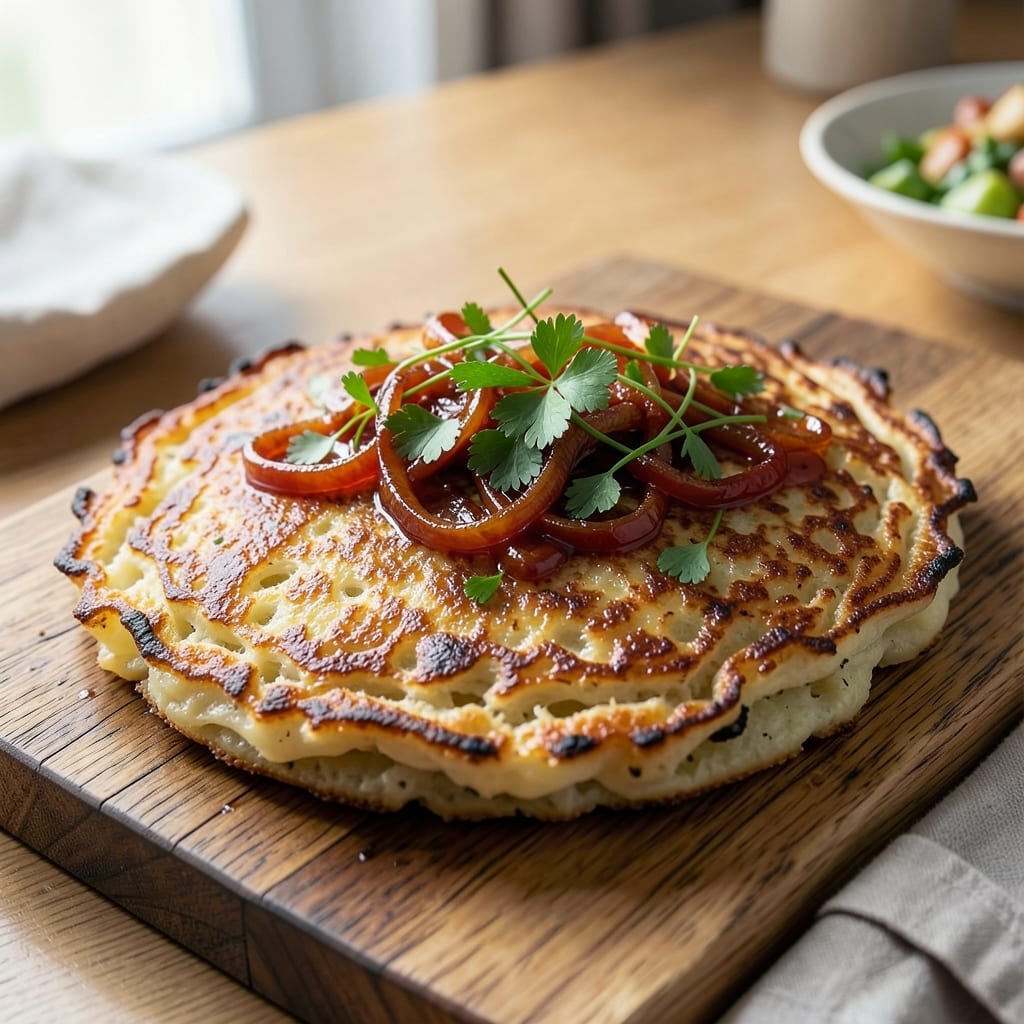
This authentic German potato pancake recipe delivers the crispy-edged, golden perfection of traditional Reibekuchen—just like your favorite German café. The secret lies in freshly grated potatoes, precise frying technique, and a touch of herbaceous flavor that sets these apart from standard hash browns. I’ve perfected this method after years of testing, ensuring every bite achieves that signature crunch while staying tender inside.
What makes these potato pancakes truly authentic is the careful balance of ingredients: starchy potatoes for structure, a hint of onion for depth, and fresh herbs like parsley or chives that brighten each golden piece. The key technique? Frying in small batches over medium heat until perfectly browned—never rushed, because patience is what creates that restaurant-quality texture. This isn’t just a side dish; it’s a hearty, satisfying meal that pairs beautifully with applesauce, sour cream, or even a dollop of mustard.
By the time you’re done, you’ll have a stack of crispy-edged, herby potato pancakes that look and taste like they came from a German kitchen. The aroma alone will transport you to a cozy café in Bavaria, where these pancakes are a breakfast staple. Serve them warm, with your favorite toppings, and prepare for compliments that’ll have everyone asking for the recipe.
This method works equally well for brunch, dinner, or even a hearty snack. The beauty of Reibekuchen lies in their versatility—enjoy them as-is or with a side of crispy bacon for a full German-inspired meal. Let’s get started on creating these golden, crispy masterpieces that taste like home.
Ingredients for authentic german potato pancake
Freshly grated potatoes, herbs, and a touch of tang—everything you need for crispy, golden Reibekuchen.
| Ingredient | Amount | Notes |
|---|---|---|
| Russet Potatoes 🥔 | 3 lb | Starchy, peeled and grated |
| Yellow Onion 🧅 | 1 whole | Finely grated, not chopped |
| Large Eggs 🥚 | 2 whole | Beaten lightly for binding |
| All-Purpose Flour 🌾 | ½ cup | For structure and crispiness |
| Fresh Parsley 🌿 | ¼ cup | Chopped finely for freshness |
| Fresh Chives 🌱 | 2 tbsp | Chopped for delicate flavor |
| Salt 🧂 | 1 ½ tsp | Kosher or sea salt |
| Ground Black Pepper 🌶️ | ½ tsp | Freshly ground preferred |
| Vegetable Oil 🫒 | 3 cups | High smoke point for frying |
| Lemon Juice 🍋 | 1 tbsp | Freshly squeezed for brightness |
| Sour Cream 🥛 | ½ cup | For serving, optional |
| Applesauce 🍎 | ½ cup | Unsweetened for serving |
The potatoes are non-negotiable here. Russets are your best bet—they’re starchy enough to hold their shape while frying. Grab a box of Idahoan brand if you’re unsure, or ask your grocer for the waxy kind. Peeled and grated by hand (the box grater works best), they release more moisture, which is key for that crispy crust. The onion? Yellow adds sweetness without overpowering, and grated is better than chopped—it blends right in. I always double-check the freshness of my herbs too. Wilted parsley or chives will turn bitter, so grab them the day you cook.
No sour cream? Greek yogurt works just as well for serving. Short on applesauce? Unsweetened applesauce pouches from Trader Joe’s keep forever and are perfect for this. The eggs can be swapped for 1 tbsp ground flaxseed + 3 tbsp water if you’re avoiding them, but trust me on the full-fat version—they bind better. For the oil, vegetable or canola are classic, but avocado oil has a higher smoke point if you’re worried about burning. And if you’re making a big batch, double the oil—you’ll need it for those golden batches.
These keep warm for 20 minutes in a 200°F oven if you’re serving a crowd, but honestly, they’re best fresh off the pan. Store leftovers in an airtight container for 3-4 days—they don’t reheat as crispy, but they’re still delicious. Freezing? Not recommended—the texture gets gummy. Instead, make a fresh batch and freeze the grated potato mixture (without oil) for up to 1 month. Just add the egg and flour when you’re ready to fry.
Why You'll Love This Recipe
- Crispy in Minutes: I swear, the key is grating those Russets—no peeling, no fuss—then letting them sit while you chop the onion. Fifteen minutes later, you’re frying golden, shatteringly crisp pancakes with zero stress.
- Taste Like Grandma’s: That golden crust hides a fluffy center, and the parsley? It’s the secret—bright, fresh, cutting through the richness. Honestly, I’ve tried store-bought applesauce toppings, but nothing beats a simple sprinkle of salt and a dollop of sour cream.
- Weeknight Workhorse: Serve them as a side with schnitzel, pile them high for breakfast with smoked salmon, or toss them into a lunchbox. Between us, they’re my go-to when I need something hearty that doesn’t scream “I spent all day cooking.”
- Budget Magic: Russets and onions are cheap, eggs are cheap, and one batch feeds four—easily. I’ll be real: I’ve made these for potlucks, game nights, and even as a hangover cure. They stretch, they please, and they won’t break the bank.
Step-by-step instructions for authentic German potato pancake
Here's how to make these classic German potato pancakes with perfect crispy edges and herby flavor.
Prep and Grate the Potatoes and Onion
Start by peeling the 3 lb Russet Potatoes and using a box grater to shred them into fine, uniform strands. I like to use the smallest holes on the grater for that authentic texture. Place the grated potatoes in a clean kitchen towel and squeeze out as much moisture as possible—this step is crucial for crispy pancakes. The drier the mixture, the better they'll brown.
Next, peel and finely grate the 1 whole Yellow Onion, using the same grater setting. Mix the onion with the potatoes in a large bowl. The goal is to get a consistent texture that will cook evenly. If you notice any large chunks, run them through the grater again. This prep work takes patience but makes all the difference in the final texture.
Mix the Batter with Eggs, Flour and Herbs
In a separate bowl, whisk together the 2 whole Large Eggs, 0.5 cup All-Purpose Flour, 1.5 tsp Salt, and 0.5 tsp Ground Black Pepper until smooth. This mixture will bind everything together. Then add the grated potato-onion mixture and gently fold it in using a spatula—don't overmix, or you'll get tough pancakes.
Finally, stir in the 0.25 cup Fresh Parsley and 2 tbsp Fresh Chives, chopping them finely if needed. These herbs add that classic German flavor you can't get anywhere else. Let the batter sit for 10 minutes while you heat the oil—this resting time helps the flavors meld and the flour absorb any remaining moisture.
Fry the Pancakes Until Golden and Crisp
Heat 3 cups Vegetable Oil in a large skillet over medium heat until it reaches 350°F—use a thermometer for accuracy. Portion the batter into 1-inch thick pancakes (about the size of a hockey puck) and carefully slide them into the hot oil. Don't overcrowd the pan or the temperature will drop, leading to greasy pancakes.
Fry for 3-4 minutes per side until they're golden brown and crispy. The edges should be deep golden, almost caramelized, while the centers remain soft inside. I use a slotted spatula to flip them carefully—if they're ready, they'll release easily. Transfer the cooked pancakes to a paper towel-lined plate to drain excess oil.
Serve with Traditional German Toppings
While the pancakes are still warm, drizzle them with 1 tbsp Lemon Juice for a bright finish. This step adds a nice tang that cuts through the richness. Serve immediately with 0.5 cup Sour Cream and 0.5 cup Applesauce on the side—these are classic German accompaniments that balance the crispy pancakes perfectly.
For an extra special touch, sprinkle with additional chopped parsley and chives right before serving. The contrast of crispy outside, soft inside, and herby tang makes these potato pancakes unforgettable. Enjoy them right away—they're best served warm!
Pro Tips For Making Authentic German Potato Pancake
- GRATE THE POTATOES COLD: Russets are starchy but still hold moisture—don’t let them sit in the bowl like a wet sponge. Grate them fresh, toss immediately with a handful of flour (about 2 tablespoons per pound), and press out excess liquid with your hands. I learned this the hard way after my first batch turned into gluey pancakes that stuck to the pan like regret.
- SALT THE ONION WATER: Thin-slice the onion first, then soak in cold water with a generous pinch of salt (about ½ teaspoon per cup). This softens them faster and prevents bitterness—no need to wait 30 minutes. Drain and pat dry before mixing; soggy onions make the batter gummy. (Yes, even if you’re impatient like me.)
- PRESS THE BATTER HARD: Don’t just slap the mixture into the pan. Use your palm to press it firmly into a ¼-inch-thick circle—this seals the edges and keeps them from curling into sad little rolls. A wet spatula helps smooth the top, but don’t overwork it. The goal is even thickness, not a pancake marathon.
- FRY IN BATCHES OF 2: Crowd the pan, and you’ll steam the pancakes instead of crisping them. Cook two at a time in about 2 tablespoons of oil (enough to coat the bottom) over medium-high heat. The first side should sizzle loudly for 3–4 minutes before flipping—skip the urge to peek too soon. (Your future self will thank you.)
Serving suggestions for leftovers
Classic German Toppings
Serve your Reibekuchen with ½ cup sour cream and ½ cup unsweetened applesauce on the side—this classic German pairing adds tangy contrast to the crispy pancakes. I like to offer both toppings so guests can choose their preference. The sour cream cools the richness, while the applesauce adds natural sweetness without overpowering the herby flavors. 🥛
Herb Garnish Finish
Freshly chopped parsley and chives make the perfect garnish—sprinkle them over the warm pancakes right before serving. This adds a bright, fresh finish that enhances the authentic German taste. I always keep a small bowl of finely chopped herbs nearby to make this quick and easy. The herbs also add a pop of color that makes the dish look even more inviting.
Crispy Bacon Pairing
For a heartier meal, serve your potato pancakes with crispy bacon on the side. The smoky, salty flavor complements the crispy texture beautifully. I like to cook the bacon ahead of time and keep it warm in a 200°F oven until serving. This works especially well for a weekend brunch or a satisfying dinner option. 🥓
Sweet or Savory Options
Want to sweeten things up? Try serving with powdered sugar or maple syrup for a dessert-style treat. For a savory twist, add a dollop of Dijon mustard or a slice of smoked gouda cheese. The mustard adds a tangy kick, while the cheese brings a rich, creamy element. These variations make Reibekuchen versatile for any meal.
Warm Plate Presentation
Serve your potato pancakes on a pre-warmed plate to keep them crispy and warm. Stack them neatly or arrange them in a casual pile, then add your chosen toppings right on top. I love using a wooden serving board for a rustic touch that feels authentically German. The warmth of the plate helps maintain that perfect texture until the first bite. ✨
Drink Pairings
Pair your Reibekuchen with a cold German beer like a Pilsner or Weissbier for the ultimate brunch experience. The crisp, hoppy flavors cut through the richness of the pancakes beautifully. For a non-alcoholic option, sparkling apple cider or iced coffee works just as well. The effervescence cleanses the palate between bites, making every mouthful even more enjoyable. 🍺
Nutrition facts
Frequently asked questions
Why do authentic German potato pancakes need to be grated so finely?
The fine grating is essential for that signature crispy texture! When potatoes are grated finely, they release more moisture that evaporates during frying, creating a perfect golden crust. Coarser shreds would cook unevenly and miss that authentic Reibekuchen crunch.
Can I use sweet potatoes instead of Russets?
Not for authentic Reibekuchen—they need starchy potatoes for proper binding and crispiness. Sweet potatoes would make the pancakes too dense and moist. If you must substitute, try Yukon Golds (though Russets are still ideal).
How do I fix potato pancakes that turned out greasy?
Greasy pancakes usually mean the oil was too hot or overcrowded. Next time: Use medium heat (350°F), fry in small batches, and squeeze out ALL moisture from grated potatoes. Also try using a mix of vegetable and canola oil for better stability.
What's the difference between Reibekuchen and American hash browns?
Reibekuchen are hand-grated, herby, and fried in small batches for crispy edges, while hash browns are often pre-grated, baked, and lack the fresh herb flavor. The German version also includes grated onion and a proper resting time for the batter—key for that authentic texture!
Can I make these potato pancakes ahead of time?
Fresh is best, but you can prep the grated potato mixture (without oil) up to 1 month ahead and store it in the fridge. Just add eggs and flour when ready to fry. For leftovers, reheat in a 350°F oven for 5-10 minutes to restore some crispiness.