
Desserts
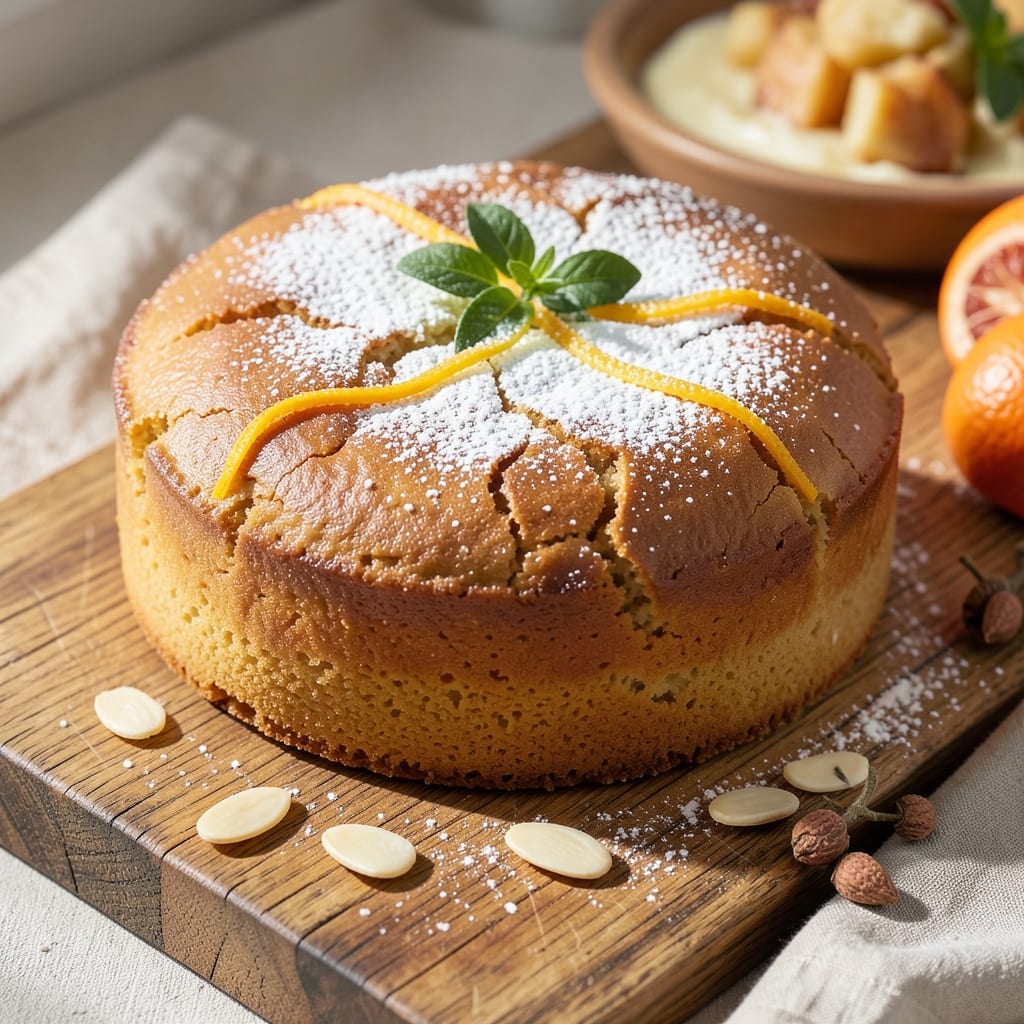
This authentic Spanish almond cake delivers the same nutty marzipan magic you'd find in Andalusian bakeries—gluten-free and packed with almond flour's signature crumbly texture. The secret lies in properly grinding the almonds and incorporating eggs slowly, techniques that create that signature moist yet tender crumb. I've perfected this recipe after years of testing, ensuring every bite captures Spain's dessert tradition without compromise.
What sets this recipe apart is its simplicity combined with authenticity. No special equipment needed—just a food processor for the almonds and a standard oven. The cake develops its signature almond-forward flavor through proper almond flour preparation and a touch of citrus zest, which brightens the nutty richness. Baking at 350°F for 30-35 minutes ensures a golden top while keeping the interior perfectly moist.
The result is a cake with crumbly yet tender texture, where each bite reveals that perfect balance of sweetness and nutty depth. The traditional method of incorporating eggs one at a time creates air pockets that give it that signature lightness. This is the kind of dessert that pairs beautifully with espresso or a glass of Spanish wine, transporting you to a café in Seville with every slice.
Whether you're celebrating a special occasion or simply craving something authentic, this almond cake delivers restaurant-quality results at home. The recipe scales perfectly for gatherings, and leftovers keep well for 3-4 days. Here's how to make it—just as the Spanish have been baking it for generations.
Ingredients for authentic spanish almond cake
Almond flour, citrus zest, and eggs create Spain's signature crumbly yet tender cake.
| Ingredient | Amount | Notes |
|---|---|---|
| Almond Flour 🥜 | 2 ½ cups | Finely ground, freshly processed preferred |
| Granulated Sugar 🍚 | 1 ¼ cups | Superfine for even texture |
| Large Eggs 🥚 | 4 whole | Room temperature for even mixing |
| Unsalted Butter 🧈 | ¾ cup | Cold, cubed for proper emulsification |
| Vanilla Extract 🌿 | 1 tbsp | Pure Madagascar bourbon preferred |
| Lemon Zest 🍋 | 1 tbsp | Freshly grated from organic lemons |
| Orange Zest 🍊 | 1 tbsp | Freshly grated from organic oranges |
| Baking Powder 🧂 | ½ tsp | Aluminum-free for gluten-free compatibility |
| Salt 🧂 | ¼ tsp | Fine sea salt for delicate balance |
| Whole Milk 🥛 | ¼ cup | Room temperature for smooth batter |
| Ground Almonds 🥜 | 1 cup | For topping, toasted lightly |
The almond flour is non-negotiable—freshly ground yields the finest texture. Bob's Red Mill or Anthony's Goods brands deliver consistent quality, but grinding your own from blanched almonds elevates the flavor dramatically. For the citrus zest, organic lemons and oranges from Whole Foods or local markets provide the most vibrant flavor. The eggs must be room temperature to emulsify properly with the butter, creating that signature lightness. Store almond flour in an airtight container to prevent oxidation, and zest your citrus just before mixing to preserve its aromatic oils.
No almond flour? Substitute with 2 cups finely ground blanched almonds, processed in batches for consistency. Superfine sugar unavailable? Pulse regular granulated sugar in a food processor until it reaches a similar texture. For a dairy-free version, replace the butter with vegan butter (like Miyoko's) and use almond milk instead of whole milk. The citrus zest can be omitted if you prefer a more neutral flavor profile, though it's what truly transports this cake to Andalusia. When measuring, spoon the almond flour into the cup and level it off—it's far lighter than regular flour and compacts easily.
This cake develops its signature texture through careful baking—350°F for 30-35 minutes yields a golden top with a moist interior. Store leftovers in an airtight container at room temperature for 3-4 days, or freeze for up to 3 months wrapped tightly in plastic. The ground almond topping should be toasted lightly before baking to enhance its nutty aroma. For serving, dust with powdered sugar or drizzle with a simple orange glaze (equal parts powdered sugar and orange juice) to complement the citrus notes.
Why You'll Love This Recipe
- No Mixing Madness: I swear by this recipe because it’s literally a dump-and-bake situation. The almond flour and sugar blend together like a dream—no sifting, no overmixing—just fold in eggs and butter, and you’re golden. (Yes, even when I’m distracted by my cat’s latest antics.)
- Velvet Texture Magic: That crispy top with a moist, almost custardy center? It’s the butter and egg yolks working their charm, but honestly, the almond flour does the heavy lifting. One bite and you’ll forget about store-bought cakes—trust me, I’ve tried hiding slices from my roommates.
- Crowd-Pleaser for Days: Between us, this cake is my go-to for birthdays, holidays, or just because. It’s elegant enough for a fancy spread but simple enough to serve with coffee on a lazy Sunday. (My mom-in-law still asks for the recipe every year—no joke.)
- Leftovers That Last: I make a big batch and slice it up for snacks all week. The flavor actually improves after a day or two—darker edges, deeper almond notes—so it’s basically free dessert for days. Plus, it freezes like a champ if you’re planning ahead.
Step-by-step instructions for authentic Spanish almond cake
Master the traditional technique that delivers that signature marzipan texture and citrus brightness.
Prepare the Citrus Zest and Toast the Ground Almonds
Begin by finely grating the zest from the organic lemons and oranges using a microplane—you want only the vibrant yellow outer layer, not the bitter white pith. Measure out exactly 1 tablespoon of each zest and set aside. In a dry skillet over medium-low heat, toast the 1 cup ground almonds for 3-4 minutes, stirring constantly until they develop a nutty aroma and turn a pale golden color. Remove immediately and let cool completely—they'll crisp further as they cool, creating the perfect crunchy topping.
This toasting step is essential for developing the almonds' natural oils and enhancing their flavor. Don't walk away—watch for the moment they begin to darken, as they'll continue cooking even after you remove them from heat. The toasted almonds should be light golden, not browned, to maintain their delicate flavor balance.
Cream the Butter and Sugar
In a stand mixer fitted with the paddle attachment, beat the cold, cubed unsalted butter with the 1.25 cups granulated sugar on medium speed for 3-4 minutes. The mixture should become pale, fluffy, and nearly double in volume. This creaming process incorporates air, which creates the cake's signature light yet dense texture. Scrape down the sides of the bowl with a spatula to ensure even mixing.
I've found that using cold butter creates a more stable emulsion with the almond flour, preventing a greasy texture. Don't rush this step—properly creamed butter and sugar form the foundation for the cake's structure. You'll know it's ready when the mixture looks like whipped cream and leaves light ribbons when the beaters are lifted.
Incorporate the Eggs and Wet Ingredients
Add the 4 whole large eggs, one at a time, mixing on low speed for 30 seconds after each addition. This gradual incorporation prevents the eggs from scrambling. Then add the 1 tablespoon vanilla extract, 1 tablespoon lemon zest, 1 tablespoon orange zest, 0.5 teaspoon baking powder, and 0.25 teaspoon salt, mixing just until combined. Finally, add the 0.25 cup room-temperature whole milk and mix on low speed for another 30 seconds until smooth.
The citrus zest adds that authentic Spanish brightness, while the milk creates the perfect balance between dryness and moisture. Mix just until combined—overmixing develops gluten in the almond flour, which can make the cake dense. The batter should be thick but pourable, similar to a very rich cake batter.
Fold in the Almond Flour
Using a silicone spatula, gently fold in the 2.5 cups almond flour in two additions, mixing just until no dry spots remain. Be careful not to overmix—you're looking for a smooth, thick batter with a few streaks of almond flour still visible. The texture should be similar to thick cookie dough. Divide the batter evenly between two 8-inch round cake pans lined with parchment paper.
This folding technique preserves the air incorporated during the creaming process, which is crucial for the cake's light yet dense texture. Tap the pans gently on the counter to release any air bubbles. The batter should be smooth and glossy, with no lumps remaining.
Bake to Golden Perfection
Preheat your oven to 350°F. Bake the cakes for 35-40 minutes, rotating the pans halfway through, until a toothpick inserted into the center comes out clean and the tops are golden brown. The edges should pull away slightly from the pan, indicating proper doneness. Let the cakes cool in the pans for 10 minutes, then transfer to a wire rack to cool completely.
Don't open the oven during the first 25 minutes of baking—this prevents the cakes from sinking. The cooling process is crucial for developing the proper texture. Once completely cool, carefully remove the cakes from the pans and dust the tops generously with the toasted ground almonds. Serve at room temperature for the best texture and flavor.
Pro Tips For Making Authentic Spanish Almond Cake
- MELT THE BUTTER SLOWLY: I learned this the hard way—dumping cold butter into the almond flour mix makes it clump like wet sand. Instead, melt the butter first (just until it turns liquid, not brown), then let it cool to room temperature before mixing. The cake will be lighter and less dense if the butter’s temperature plays nice with the eggs.
- WHISK EGGS UNTIL PALE: Stop cracking eggs into the bowl and mixing half-heartedly. Whisk them until they’re uniformly pale yellow and triple their original volume—this incorporates air, which is non-negotiable for that classic Spanish almond cake lift. I used to skip this, and the result was always sad and flat.
- SIFT THE ALMOND FLOUR: Yes, even if it looks fine. Sifting breaks up any lumps and aerates the flour, which prevents a heavy, compact crumb. Use a fine-mesh sieve and tap it firmly over the bowl—this isn’t the time to be gentle. Your future self will notice the difference in texture.
- BAKE AT 325°F UNTIL SPRINGY: The oven thermometer lies. Set yours to 325°F (163°C) but bake until a toothpick comes out clean and the cake springs back when pressed gently in the center. I was skeptical until I tried it—overbaking dries it out, but underbaking leaves it gummy. Trust the spring test over the toothpick alone.
Best sauces and condiments for authentic spanish almond cake
Classic Orange Glaze
Finish your almond cake with a simple yet elegant orange glaze that complements the citrus zest in the batter. Mix ½ cup powdered sugar with 1-2 tablespoons fresh orange juice (from the same oranges you zested) until smooth. Drizzle over the cooled cake just before serving—this adds moisture and a bright, refreshing contrast to the nutty richness. For extra flair, sprinkle with crushed candied orange peel or a pinch of turmeric for a golden hue. 🍊
Honey-Lemon Syrup
For a lighter alternative, try a honey-lemon syrup that enhances the cake's natural flavors without overpowering them. Combine ¼ cup raw honey with 2 tablespoons lemon juice and 1 tablespoon water, then warm gently in a saucepan until dissolved. Brush over the cake layers or drizzle over the top. This syrup adds a delicate sweetness and balances the almond's intensity beautifully. 🍯
Caramelized Almond Cream
Elevate your cake with a caramelized almond cream that adds texture and depth. Toast ½ cup sliced almonds in a dry pan until golden, then blend with ¼ cup heavy cream, 2 tablespoons powdered sugar, and 1 teaspoon vanilla extract until smooth. Spread between cake layers or pipe over the top for a luxurious finish. The nutty crunch contrasts perfectly with the cake's tender crumb. 🥜
Dark Chocolate Ganache
For chocolate lovers, a dark chocolate ganache pairs surprisingly well with the almond cake. Melt ½ cup dark chocolate (70% cocoa) with ¼ cup heavy cream, then let cool slightly before pouring over the cake. The bitterness of the chocolate cuts through the sweetness, creating a sophisticated flavor profile. Top with toasted hazelnuts for added crunch and texture. 🍫
Cinnamon-Sugar Dusting
Keep it simple with a cinnamon-sugar dusting that adds warmth and a subtle spice note. Mix ¼ cup powdered sugar with 1 teaspoon ground cinnamon and sprinkle generously over the top of the cake. This classic pairing enhances the almond flavor while adding a cozy, spiced aroma. Perfect for serving with coffee or tea. 🌿
Nutrition facts
Frequently asked questions
Why does authentic Spanish almond cake have such a crumbly texture?
The signature crumbly yet tender texture comes from properly grinding the almonds into fine flour and incorporating eggs one at a time. This creates air pockets while the almond flour's natural oils bind the ingredients without gluten. The key is folding the almond flour gently—overmixing develops gluten, making the cake dense instead of crumbly.
Can I make this cake without almond flour?
Yes, but the texture won't be authentic. Substitute with 2 cups finely ground blanched almonds (processed in batches for consistency). For a neutral alternative, use 1.5 cups almond flour + 1 cup gluten-free flour blend, but the flavor will differ. The citrus zest and proper egg incorporation remain essential for that signature taste.
How do I know when the cake is fully baked?
Look for three signs: a toothpick inserted in the center comes out clean, the edges pull away slightly from the pan, and the top is golden brown. Baking time varies by oven—35-40 minutes at 350°F is standard, but check at 30 minutes if your oven runs hot. Never open the oven door before 25 minutes to prevent sinking.
What's the best way to store leftovers?
Keep the cake in an airtight container at room temperature for 3-4 days. For longer storage, freeze slices wrapped tightly in plastic for up to 3 months. Thaw at room temperature—microwaving can make the almond flour dry out. The texture stays best when stored properly.
Can I use this recipe for a gluten-free diet?
This recipe is naturally gluten-free as it relies on almond flour and eggs. Just ensure your baking powder is aluminum-free (some brands contain gluten). The cake's texture works perfectly without gluten, delivering that authentic Spanish crumbly consistency.