
Desserts
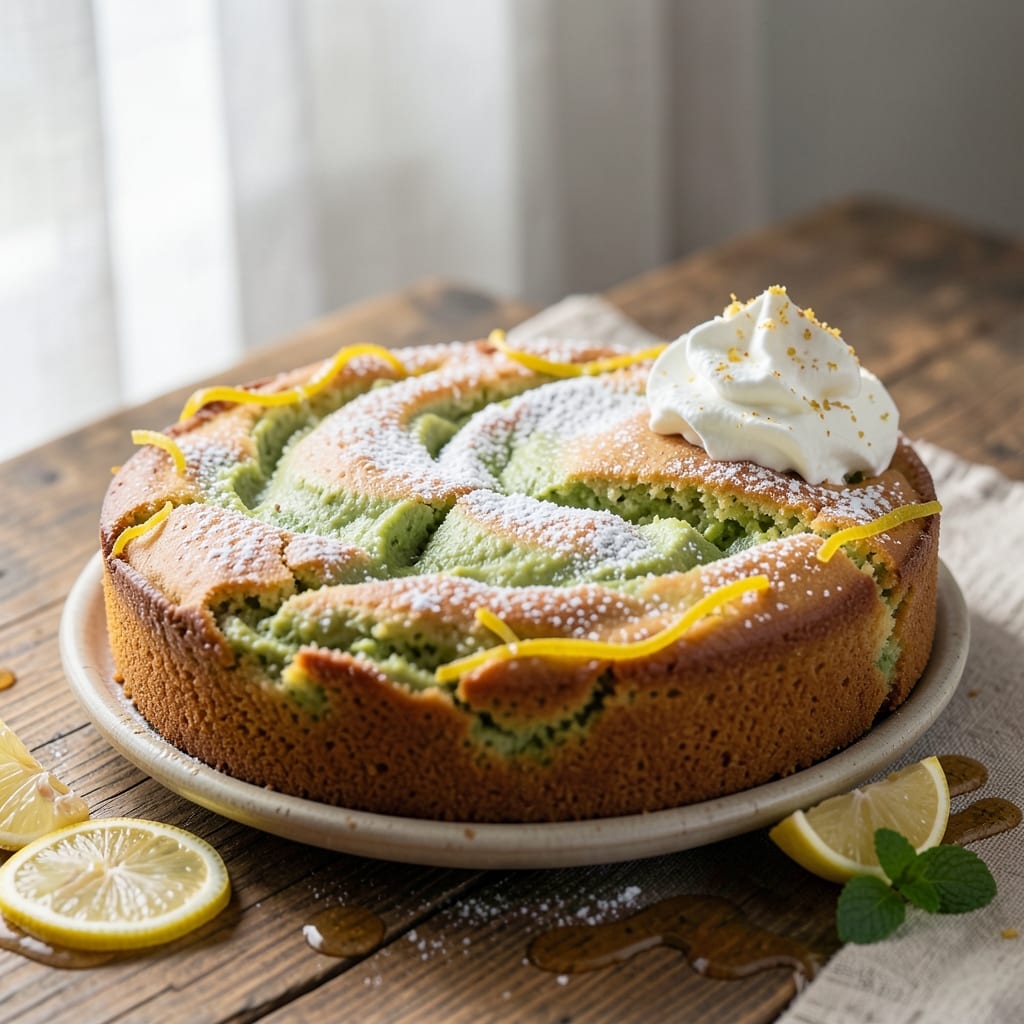
This avocado lemon cake recipe transforms humble pantry staples into a dessert that's impossibly moist, tangy, and bright—without a drop of oil. The secret lies in avocado's natural fat content, which replaces butter while keeping the crumb tender and rich. I developed this recipe during a baking experiment when I needed a light, citrusy cake that wouldn't weigh me down after a heavy meal.
The magic happens in the mixing: combining ripe avocado with lemon juice and zest creates a vibrant, moist batter that bakes up with a fine crumb and just the right amount of springiness. Unlike traditional cakes, this one stays fresh-tasting for days, thanks to the avocado's healthy fats and the lemon's natural preservation qualities. The result is a cake that's perfect for brunch, afternoon tea, or a light dessert.
Baking at 350°F for 30-35 minutes ensures a golden top and perfectly set edges while keeping the interior tender. The lemon's bright acidity cuts through the richness of the avocado, creating a perfect balance of flavors. Top with powdered sugar and extra lemon zest for a restaurant-worthy finish that's surprisingly easy to achieve at home.
This cake is naturally vegetarian and requires no special equipment—just a mixing bowl and a standard cake pan. The avocado adds creaminess without heaviness, making it an ideal choice for those looking to reduce butter while maintaining moisture. Serve with a dollop of whipped cream or a scoop of vanilla ice cream for an elevated treat that's as beautiful as it is delicious.
Ingredients for avocado lemon cake
Eight simple ingredients create a cake that's impossibly moist, tangy, and light.
| Ingredient | Amount | Notes |
|---|---|---|
| Ripe Avocados 🥑 | 2 whole | Firm but yielding to gentle pressure |
| Granulated Sugar 🍚 | 1 ½ cups | Light brown sugar adds depth |
| All-Purpose Flour 🌾 | 2 cups | Sifted for even texture |
| Baking Powder 🧂 | 2 tsp | Aluminum-free preferred |
| Salt 🧂 | ½ tsp | Fine sea salt preferred |
| Fresh Lemon Juice 🍋 | ½ cup | From 2-3 lemons, freshly squeezed |
| Lemon Zest 🍋 | 2 tbsp | Fine zest, no pith |
| Vanilla Extract 🌸 | 1 tbsp | Pure vanilla preferred |
| Unsweetened Almond Milk 🥛 | ½ cup | Or other plant-based milk |
| Powdered Sugar 🍚 | 1 cup | For dusting and topping |
| Extra Lemon Zest 🍋 | 1 tbsp | For decorative topping |
Avocados are the star here—pick ripe but firm ones from the grocery store's produce section (the ones that yield slightly to gentle pressure). Trader Joe's and Whole Foods usually have the best selection, but any store's produce manager can point you to the perfect ones. The flour should be sifted before measuring—this prevents lumps and gives you that perfect fine crumb. For the lemon juice, fresh is non-negotiable—bottled juice lacks the bright acidity that balances the avocado's richness. I always grab a few extra lemons for zest, since it's easy to overdo it when you're excited.
No almond milk? Oat milk or coconut milk work just as well—they're both neutral enough not to compete with the lemon flavor. Short on vanilla? Vanilla bean paste adds extra depth, but pure extract is fine. The baking powder is crucial—don't skip it or the cake will be dense. If you're worried about the avocado flavor being too strong, add an extra tablespoon of lemon juice to brighten everything up. The powdered sugar topping? Sift it through a fine-mesh sieve for that cloud-like finish you see in fancy bakeries.
This cake keeps beautifully—3-4 days in an airtight container at room temperature, or up to 1 week in the fridge. The texture actually improves slightly after the first day as the flavors meld. For serving, I like to dust with powdered sugar right before cutting—it prevents the cake from drying out. Leftovers? Wrap tightly and store in the fridge. Reheat slices in the microwave for 10-15 seconds to restore that fresh-baked warmth.
Why You'll Love This Recipe
- No Mixer Needed: I’ll be real—this cake starts with mashed avocado and lemon juice, so no butter or eggs to fuss with. Just blend, pour, and bake. Honestly, my blender does most of the work while I scrape the bowl with a spoon.
- Citrus-Kissed Magic: That bright lemon zest and juice cut through the richness of the avocado, giving it a zingy, almost tangy-sweet balance. It’s not too heavy, not too dry—just perfectly moist with a subtle citrus lift that makes every bite feel like a little vacation.
- Leftovers? No Problem: This cake stays fresh for days, and honestly, it’s even better the next day. Slice it for breakfast toast, pack it in lunches, or freeze slices for a quick dessert. My kids beg for seconds, and I don’t even decorate it.
- Budget Bright Spot: Avocados and lemons are often cheaper than butter or eggs, and you’re using the whole fruit. Between us, this recipe stretches further than most cakes—plus, the flavor makes it feel like a splurge without the price tag. Win-win.
Step-by-step instructions for avocado lemon cake
Here's how to create a wonderfully moist cake where avocado replaces butter for rich texture.
Prep the Avocado and Mix Wet Ingredients
Start by halving the 2 whole ripe avocados and scooping out the flesh into a food processor. Add the 1.5 cups granulated sugar and 0.5 cup fresh lemon juice. Process until completely smooth—this should take about 1-2 minutes. Scrape down the sides as needed to ensure everything combines evenly.
Next, add the 2 tbsp lemon zest, 1 tbsp vanilla extract, and 0.5 cup unsweetened almond milk. Pulse just until incorporated—you want to maintain the avocado's natural creaminess. The mixture should be thick but pourable, like a rich batter. If it's too thick, add 1-2 tablespoons of almond milk to reach the right consistency. This step is crucial for achieving that signature moist texture without any greasiness.
Combine Dry Ingredients
In a separate bowl, whisk together the 2 cups all-purpose flour, 2 tsp baking powder, and 0.5 tsp salt. Sift the flour mixture directly into the wet ingredients in the food processor. Pulse on low speed just until combined—you should still see some streaks of flour. Overmixing develops gluten, which can make the cake dense instead of light and tender.
Transfer the batter to a large mixing bowl and give it a quick stir with a spatula to ensure everything is evenly distributed. The batter should be thick but smooth, with no visible lumps. If you notice any dry spots, gently fold them in by hand. This cake relies on the avocado for moisture, so the batter will be denser than traditional cakes—don't worry, it's exactly what we want for that luscious texture.
Bake the Cake to Golden Perfection
Preheat your oven to 350°F. Grease an 8-inch round cake pan or line it with parchment paper, then pour the batter in and smooth the top with a spatula. Bake for 35-40 minutes, or until a toothpick inserted into the center comes out clean. The edges should be golden brown, but the top might still look slightly underdone—this is normal and will set as it cools.
I like to check the cake at the 30-minute mark to avoid overbaking, which can make the cake dry. The avocado adds natural oils that keep the cake moist, but it's still important to bake it just until it's set. Let the cake cool in the pan for 10 minutes, then transfer it to a wire rack to cool completely before frosting. This resting period allows the cake to set properly and makes slicing much easier.
Frost and Garnish for a Bright Finish
Once the cake is completely cool, prepare the lemon glaze by whisking together the 1 cup powdered sugar and 2-3 tablespoons of fresh lemon juice (start with 2 tablespoons and add more as needed) until smooth. The glaze should be thick enough to coat the back of a spoon but still drizzle easily. Pour the glaze over the top of the cake and let it drip slightly down the sides for a professional touch.
Sprinkle the 1 tbsp extra lemon zest evenly over the top while the glaze is still wet. This adds a beautiful pop of color and an extra layer of citrus flavor. Let the glaze set for 10-15 minutes before slicing. The cake will hold together beautifully, and each bite will deliver that perfect balance of moist avocado richness and bright lemon zing. Serve at room temperature for the best experience!
Pro Tips For Making Avocado Lemon Cake
- Mash Avocados First: I learned this the hard way—skip blending whole avocados straight into the batter. Mash them with a fork until completely smooth, then mix in the lemon juice and sugar. This prevents lumps that turn your cake into a textured mess (yes, even if you use a blender later).
- Measure Flour Right: Spoon flour into the cup, then level it with a knife—don’t scoop directly from the bag. This recipe relies on precise ratios, and packing the flour changes the texture. After burning three batches with dense, dry cake, I finally measured properly.
- Bake Until Springy: Test doneness by pressing the center—it should bounce back slowly, not immediately. Avocado cakes often look underdone but are actually overbaked if you rely on color alone. I now check with a toothpick (clean, but slightly moist is fine).
- Add Lemon Zest Last: Fold in the zest after mixing wet and dry ingredients. This keeps the bright citrus flavor from oxidizing too fast and makes it easier to distribute evenly. Sounds weird, but it works—your cake will taste fresher, not bitter.
Essential equipment for this recipe
Food Processor
Your food processor is the unsung hero of this recipe—it ensures the avocado and sugar blend into a silky-smooth base without lumps. I use my Ninja BN601 because it handles dense batters like this with ease, but any 8-cup capacity processor will work. Avoid hand mixers here—they can't break down the avocado's texture properly. 🥑
Mixing Bowls
Invest in a set of nested mixing bowls (I love my OXO Good Grips set) to keep dry ingredients separate until ready. The medium bowl for dry ingredients and the large bowl for combining everything are essential. Glass bowls work best—they don't retain flavors from previous recipes and are microwave-safe for quick cleanups.
Measuring Tools
Precision matters here! Use a liquid measuring cup for the almond milk and lemon juice, and a dry measuring cups set with a built-in leveler for flour and sugar. My Weck 4-cup set is my go-to—it's durable and accurate. For the lemon zest, a microplane gives you fine, even strips without the bitter pith.
Cake Pan Essentials
An 8-inch round cake pan is ideal, but you can use a 9-inch pan if needed—just reduce baking time by 3-5 minutes. I prefer non-stick pans (like Wilton's Perfect Results) to eliminate greasing, but if using standard pans, coat with butter and flour or line with parchment paper. Avoid dark-colored pans—they can over-bake the edges.
Wire Rack
Never skip the wire cooling rack—it's crucial for even cooling. I keep a stainless steel rack from Amazon Basics near my oven for quick transfers. Cooling the cake properly prevents soggy layers and makes slicing clean. Pro tip: Place the rack directly on the counter, not in the pan, to maximize airflow.
Spatulas & Scrapers
Keep a flexible silicone spatula (like OXO's Good Grips) for scraping down the food processor and a long offset spatula for smoothing the batter in the pan. A rubber scraper helps transfer stubborn batter from the processor to the bowl. These tools ensure no batter gets wasted and everything mixes evenly. 💫
Nutrition facts
Frequently asked questions
Can I substitute avocado with another ingredient?
While avocado is key for that signature moist texture, you can try 1 cup unsweetened applesauce or ½ cup melted coconut oil in a pinch. The cake will still be tender, but you may lose some of the avocado's natural richness. For best results, stick with avocado—it's what makes this cake uniquely delicious!
Why does my cake turn out dense instead of light?
Overmixing the batter or skipping the resting time can cause density. Mix just until combined (you should still see flour streaks), and let the cake cool 10 minutes in the pan before transferring. Also, ensure your avocado is ripe but firm—overripe avocado can make the cake too heavy.
How do I make this cake vegan?
Replace the almond milk with unsweetened coconut milk and use a flax egg (1 tbsp ground flaxseed + 3 tbsp water per egg). For the vanilla, opt for vegan vanilla extract. The cake will still be moist, but the texture may be slightly denser. Test with a toothpick to ensure doneness!
Can I bake this in a different-sized pan?
Yes! Use a 9-inch pan and reduce baking time by 3-5 minutes. For a 6-inch pan, increase time by 5-7 minutes. Always check with a toothpick at the lower end of the time range. Adjusting the oven rack to the middle position ensures even baking in smaller pans.
How long does this cake keep fresh?
Store in an airtight container at room temperature for 3-4 days, or refrigerate for up to 1 week. The flavors actually improve slightly after the first day! For longer storage, freeze slices wrapped tightly in plastic for up to 3 months. Thaw overnight in the fridge.