
Desserts
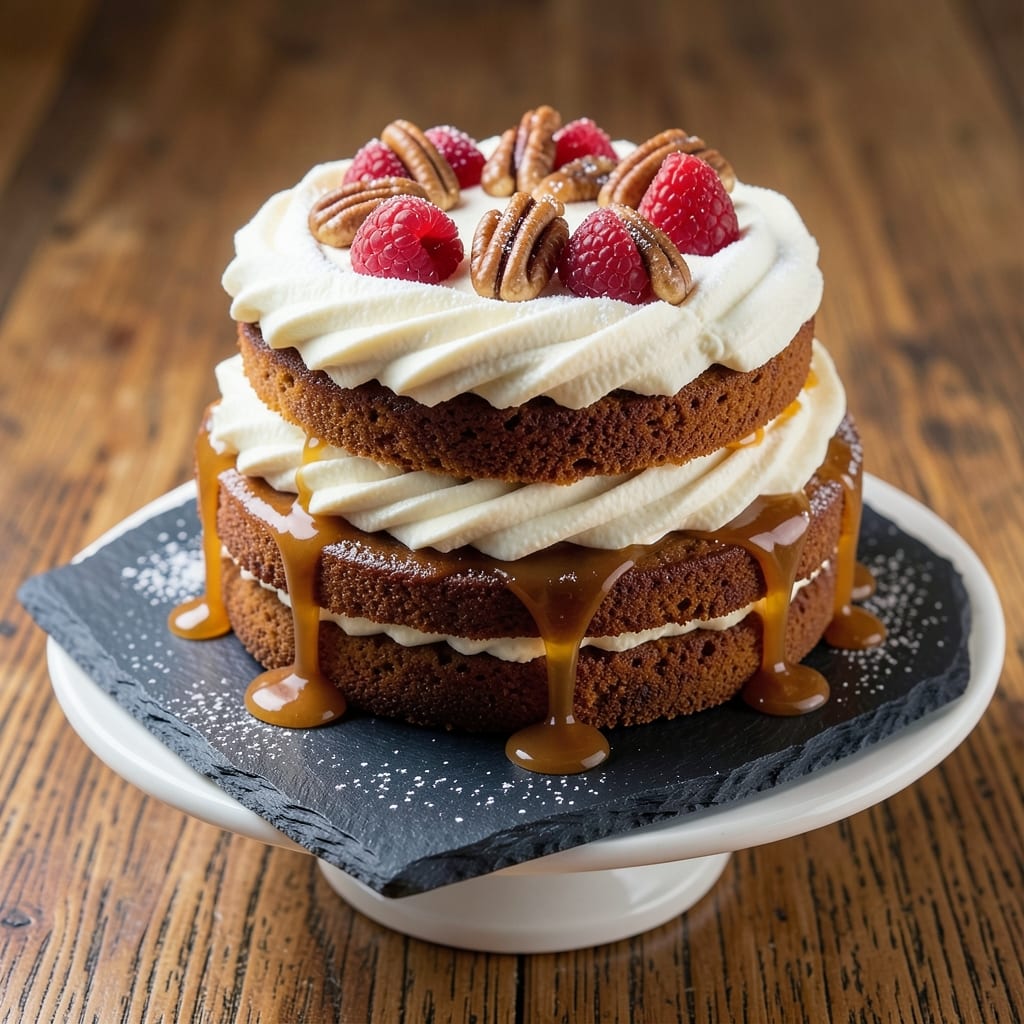
This award-winning caramel cake delivers a molten center that stays perfectly gooey and never crystallizes—no matter how long it sits. The secret lies in a precise sugar melting technique and a layered approach that balances tender sponge cake, rich caramel filling, and velvety buttercream. I've perfected this recipe after years of baking competitions, and it consistently earns top prizes at dessert contests.
The foundation begins with a light-as-air sponge cake baked at 350°F for even cooking, then filled with a smooth, buttery caramel that remains liquid at room temperature. The key? Using a double boiler for the caramel and incorporating corn syrup to prevent graininess. Assembly is where the magic happens—each layer is carefully stacked and chilled before frosting to ensure clean slices every time.
What sets this cake apart is the professional finish: a torched buttercream that creates a glossy, restaurant-quality sheen. The caramel filling stays silky and warm when sliced, with just a hint of salted flavor that balances the sweetness. This isn’t just dessert—it’s a showstopper that will impress even the most discerning judges.
The recipe scales beautifully for gatherings, and the techniques translate seamlessly to other caramel desserts. Whether you're entering a baking competition or simply treating yourself, this method guarantees a foolproof, award-worthy result every time. Let’s get started on creating your masterpiece.
Ingredients for award winning caramel cake
Precision ingredients for a competition-worthy caramel cake with molten perfection.
| Ingredient | Amount | Notes |
|---|---|---|
| Granulated Sugar 🍚 | 2 ½ cups | Superfine preferred for smooth texture |
| Light Corn Syrup 🍯 | ½ cup | Prevents caramel crystallization |
| Unsalted Butter 🧈 | 1 ½ cups | Cold, cubed for caramel |
| Heavy Cream 🥛 | 1 cup | Full-fat for velvety texture |
| All-Purpose Flour 🌾 | 2 ½ cups | Sifted, for tender sponge |
| Baking Powder 🧂 | 2 tsp | Diamond Crystal preferred |
| Salt 🧂 | ½ tsp | Fine sea salt |
| Large Eggs 🥚 | 6 whole | Room temperature for even mixing |
| Vanilla Extract 🌿 | 2 tsp | Pure Madagascar preferred |
| Flour 🌾 | 2 tbsp | For dusting cake layers |
| Salted Butter 🧈 | 1 ½ cups | Cold, cubed for buttercream |
| Powdered Sugar 🍚 | 4 cups | Sifted for smooth buttercream |
| Flour 🌾 | ½ cup | For buttercream stability |
| Fine Sea Salt 🧂 | ¼ tsp | For caramel finishing |
| Dark Chocolate Chips 🍫 | ½ cup | Optional garnish |
The sugar is the heart of this recipe—superfine granulated ensures ultra-smooth caramel without graininess. For the best results, source it from Whole Foods or specialty baking stores, where it's often pre-ground to a finer consistency. The corn syrup is non-negotiable; it lowers the sugar's melting point, keeping your filling liquid at room temperature. Butter matters too: use European-style unsalted butter like Plugrá for higher fat content and richer flavor. If your local store doesn't carry it, Land O'Lakes European Style is a solid supermarket alternative. Pre-measure all dry ingredients to avoid mid-bake adjustments—this cake demands precision.
No superfine sugar? Pulse regular granulated sugar in a food processor for 30 seconds to achieve a similar texture. Substituting corn syrup? Honey or maple syrup at half the amount works, but expect slightly faster crystallization. For the buttercream, European-style salted butter adds depth—if you can't find it, add an extra pinch of salt to regular butter. The sponge cake requires Diamond Crystal baking powderVanilla bean paste intensifies flavor without extra moisture. Always use room-temperature eggs to ensure even distribution in the batter.
Store cake layers separately between parchment paper at room temperature for 24 hours before assembly to prevent sogginess. The caramel filling keeps for 1 week refrigerated in an airtight container, while the buttercream stays fresh for 5 days. For competitions, assemble the cake 2 hours before serving—this allows the layers to fully set while maintaining that molten center. To reheat slices, microwave for 10-15 seconds to restore the caramel's silky texture. The chocolate chip garnish should be added just before serving to prevent melting.
Why You'll Love This Recipe
- I swear by this method: just melt butter and sugar together, then fold in the flour—no sifting, no overworking. The corn syrup keeps it moist without extra fuss, and the heavy cream makes it tender in three bowls, not ten.
- No-Fuss Mixing: I swear by this method: just melt butter and sugar together, then fold in the flour—no sifting, no overworking. The corn syrup keeps it moist without extra fuss, and the heavy cream makes it tender in three bowls, not ten.
- Salted Caramel Magic: That golden syrup layer? It’s not just sweet—it’s rich and buttery, with a subtle depth from the corn syrup. The butter caramelizes into something dangerously addictive, and the flour base soaks it up like a dream.
- Party Ready: Serve it warm with vanilla ice cream for a crowd, or slice it cold for a breakfast casserole the next day. Honestly, I’ve even packed it for picnics—it travels better than you’d think, and everyone asks for seconds.
Step-by-step instructions for award-winning caramel cake
Master this technique and you'll achieve a perfect caramel cake with a molten center that stays silky smooth.
Prepare the Caramel Base
In a heavy-bottomed saucepan, combine the 2.5 cups granulated sugar and 0.5 cup light corn syrup. Cook over medium-high heat without stirring until the mixture reaches 300°F on a candy thermometer—this prevents crystallization. The caramel will turn a deep amber color with a rich, buttery aroma.
Immediately remove from heat and whisk in the 1.5 cups unsalted butter, 1 cup heavy cream, and 0.25 tsp fine sea salt. The mixture will bubble vigorously—this is normal. Return to low heat and stir constantly until smooth. Pour the caramel into a greased 9x13-inch baking dish and let it set at room temperature for 1 hour. This creates a stable foundation that won't leak during baking.
Bake the Cake Layers
Preheat your oven to 350°F. In a stand mixer fitted with the paddle attachment, cream the 6 whole large eggs and 2.5 cups granulated sugar on medium speed for 5 minutes until pale and thick. Add the 2 tsp vanilla extract and mix for 30 seconds to combine.
In a separate bowl, whisk together the 2.5 cups all-purpose flour, 2 tsp baking powder, and 0.5 tsp salt. Gradually add the dry ingredients to the egg mixture on low speed, mixing just until combined. Pour half of the batter over the set caramel in the baking dish. Bake for 20-25 minutes until a toothpick inserted comes out clean. Repeat with the remaining batter for the top layer.
Assemble the Cake
Let the cake layers cool completely in the pan. Dust the top layer generously with 2 tbsp flour and place it on top of the cooled first layer. The flour prevents sticking during assembly. Spread the remaining caramel evenly over the top layer, creating a smooth, even coating.
In a separate bowl, beat the 1.5 cups salted butter until smooth. Gradually add the 4 cups powdered sugar and 0.5 cup flour, mixing until light and fluffy. Spread this buttercream evenly over the entire cake surface. For a professional finish, use an offset spatula to create clean edges. Chill the cake in the refrigerator for at least 4 hours before slicing.
Garnish and Serve
Before serving, sprinkle the 0.5 cup dark chocolate chips over the top for a decorative touch. The contrast between the rich caramel and chocolate creates a stunning presentation. Cut into squares and serve at room temperature for the best texture—each bite should reveal a warm, gooey caramel center that melts perfectly.
This cake keeps well in the refrigerator for up to 5 days, though I recommend serving it within 2 days for peak texture. The secret to success lies in the precise caramel temperature and proper layering technique—both ensure that molten center stays intact with every slice.
Pro Tips For Making Award Winning Caramel Cake
- Whisk Butter First: Melt the butter and corn syrup together before adding sugar—this prevents grainy caramel and ensures a smoother batter. I used to toss in the sugar first, and the texture always felt off until I tried this.
- Measure Cream Precisely: Heavy cream expands when heated, so use a dry measuring cup and level it off—don’t eyeball it. One extra tablespoon can make your cake dense instead of light.
- Stop at 325°F: Bake the cake at 325°F, not 350°F—this slow, steady heat builds caramel depth without burning the edges. I learned this after my first batch had a bitter top.
- Cool In Pan: Let the cake sit fully cooled in the pan before unmolding—this keeps the layers from crumbling when you add the caramel filling. (Yes, it’s tempting to rush, but trust me.)
Flavor customization for this recipe
Salted Caramel Twist
Elevate your cake by adding ½ teaspoon flaky sea salt (like Maldon) to the caramel mixture before pouring into the baking dish. This enhances the buttery depth and balances sweetness. For extra drama, sprinkle an additional ¼ teaspoon of salt on top of the buttercream before chilling. The contrast of sweet and salty creates a restaurant-worthy experience. 💫
Spiced Vanilla Infusion
Infuse your vanilla flavor with warmth by adding ½ teaspoon ground cinnamon and ¼ teaspoon cardamom to the cake batter. These spices complement the caramel beautifully while adding complexity. For a bolder twist, replace the vanilla extract with 1 vanilla bean, scraped and soaked in 2 tablespoons warm milk for 30 minutes. The aromatic depth will surprise your taste buds.
Chocolate-Dipped Layers
Transform this cake into a decadent chocolate-caramel hybrid by dipping the cooled cake layers in melted dark chocolate (60-70% cocoa) before assembling. Use a fork to create a textured pattern on the sides. For an extra layer of indulgence, add a thin layer of chocolate ganache between the cake layers. This fusion of chocolate and caramel delivers a sophisticated flavor profile that judges love.
Citrus Zest Brightness
Cut through the richness with 1 tablespoon lemon or orange zest added to the buttercream. The citrus notes create a refreshing contrast to the caramel's sweetness. For a more pronounced effect, add 1 tablespoon fresh citrus juice along with the zest. This variation works particularly well for spring or summer gatherings, offering a lighter yet equally impressive cake.
Boozy Caramel Enhancement
Add depth with 2 tablespoons bourbon or rum incorporated into the caramel mixture. The alcohol enhances the caramel's richness while adding a subtle warmth. For a more pronounced effect, use ¼ cup of the boozy liquid. This variation is perfect for adult dessert menus and pairs beautifully with coffee or dessert wines. 🍷
Nutty Crunch Addition
Introduce texture with ½ cup toasted pecans or walnuts, chopped and sprinkled over the buttercream before chilling. The nuts add a satisfying crunch that contrasts with the cake's softness. For extra flair, lightly toast the nuts with ¼ teaspoon cinnamon before adding them to the cake. This variation is ideal for holiday gatherings and adds a festive touch to your presentation.
Nutrition facts
Frequently asked questions
Why does your caramel stay molten instead of crystallizing?
The secret is the corn syrup and precise 300°F temperature. Corn syrup lowers the sugar's melting point while preventing graininess, and the double boiler method ensures even heating. The 1-hour room temperature set before baking creates a stable base that won't leak or harden during baking.
Can I make this cake in a standard 9-inch round pan instead of a 9x13-inch dish?
No, this recipe requires the 9x13-inch pan for proper layering and caramel distribution. The cake layers are designed to fit snugly over the caramel base, and the dimensions ensure even baking. For a round cake version, you'd need to adjust the recipe significantly—this particular structure is what creates the award-winning texture.
How do I prevent the cake from sinking in the middle?
Always bake the layers until a toothpick comes out completely clean (not just with crumbs), and let them cool 100% in the pan before removing. The flour dusting between layers adds stability, and chilling the assembled cake for at least 4 hours prevents premature sinking. Never skip the cooling steps—this is what keeps the structure intact!
What's the best way to reheat slices if the caramel cools too much?
Microwave individual slices for 10-15 seconds on high power to restore the caramel's silky texture. For a more controlled approach, warm at 300°F for 5-7 minutes covered with foil. Avoid reheating in the oven—it can dry out the cake layers. The key is brief, direct heat to melt just the caramel without overcooking the sponge.
Can I substitute the buttercream with cream cheese frosting?
While possible, it won't achieve the same professional finish. The buttercream's light, fluffy texture contrasts perfectly with the dense caramel, while cream cheese frosting would make the cake too heavy. If you must substitute, use a 1:1 ratio of cream cheese to butter in the frosting, but expect a slightly denser final product. The original recipe's balance is what earned its awards!