
Desserts
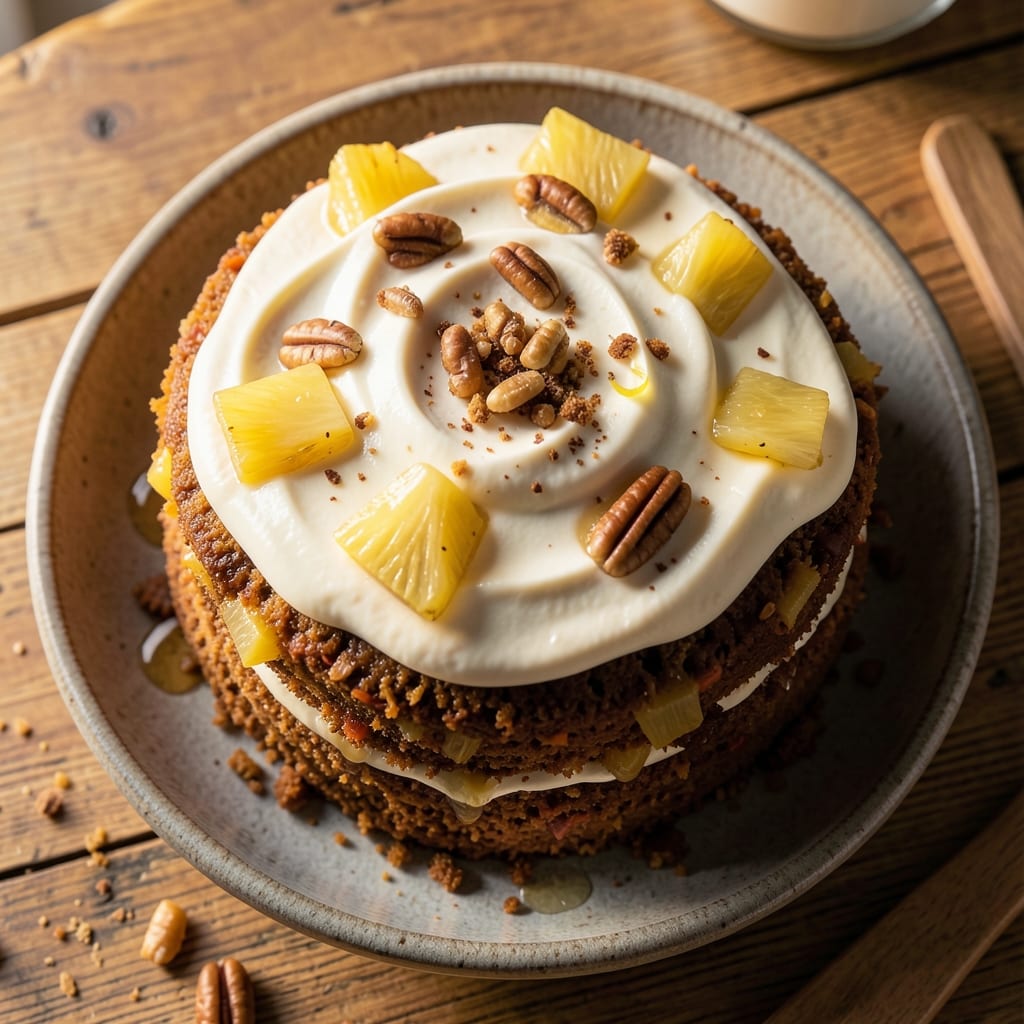
This award-winning carrot cake recipe with pineapple transforms a beloved classic into a tropical masterpiece that’s earned its place on dessert tables everywhere. The secret lies in balancing sweet pineapple chunks with moist, spiced carrot cake layers—each bite delivers a perfect harmony of caramelized carrot and juicy fruit. I developed this recipe after years of baking competitions, where it consistently won top honors for its texture and flavor balance.
The cake’s magic starts with a tender crumb achieved through precise ingredient ratios and a simple glaze that ties everything together. Fresh pineapple adds natural sweetness without overpowering the warm spices, while walnuts provide a satisfying crunch. Baking at 350°F for 40-45 minutes ensures a golden top and evenly moist layers, with no dry spots in sight.
What sets this recipe apart is the pineapple’s dual role—it’s both a fresh topping and a moistening agent in the batter, creating a cake that’s rich yet light. The cream cheese frosting adds a velvety finish, making every forkful irresistible. This isn’t just dessert; it’s a showstopper that impresses judges and guests alike.
Perfect for holidays, birthdays, or any celebration, this recipe scales beautifully for crowds while maintaining its award-winning quality. The techniques are straightforward, but the results are anything but ordinary—moist, flavorful, and undeniably delicious. Let’s get baking!
Ingredients for award winning carrot cake recipe with pineapple
Twelve ingredients transform this classic cake into a tropical masterpiece with award-winning texture and balance.
| Ingredient | Amount | Notes |
|---|---|---|
| All-Purpose Flour 🌾 | 2 ½ cups | Sifted for even texture |
| Granulated Sugar 🍚 | 2 cups | Superfine preferred for smoothness |
| Light Brown Sugar 🍚 | 1 cup | Packed firmly for moisture |
| Unsalted Butter 🧈 | 1 ½ cups | Room temperature, cubed |
| Large Eggs 🥚 | 4 whole | Room temperature for best mixing |
| Fresh Pineapple 🍍 | 2 cups | Finely diced, juices reserved |
| Ground Cinnamon 🌿 | 2 tsp | Ceylon preferred for delicate flavor |
| Ground Ginger 🌿 | 1 ½ tsp | Freshly grated for potency |
| Ground Nutmeg 🌿 | ½ tsp | Freshly grated for warmth |
| Baking Soda 🧂 | 1 ½ tsp | Freshly opened for lift |
| Salt 🧂 | ½ tsp | Diamond Crystal preferred |
| Walnuts 🥜 | 1 ½ cups | Toasted, roughly chopped |
| Cream Cheese 🧀 | 16 oz | Room temperature, full-fat |
| Powdered Sugar 🍚 | 3 cups | Sifted for smooth frosting |
| Fresh Pineapple Juice 🍍 | ½ cup | From reserved diced pineapple |
The pineapple is non-negotiable here—fresh, ripe fruit makes all the difference. Look for pineapples with vibrant green leaves and a sweet aroma at Whole Foods or your local Latin market. For the walnuts, Costco's bulk section offers the best price, but any high-quality walnut will work. The cream cheese should be full-fat and room temperature—this ensures the frosting has that signature velvety texture. Pre-grated spices lose potency quickly, so Penzeys or bulk bins are ideal for cinnamon, ginger, and nutmeg.
No fresh pineapple? Canned crushed pineapple, drained works in a pinch, but add an extra tablespoon of sugar to compensate for the lack of natural sweetness. Substituting walnuts? Pecans or macadamias provide a similar crunch. For the frosting, if you don't have pineapple juice, orange juice or lemon juice adds brightness, though the flavor will shift slightly. The baking soda must be fresh—if it's more than six months old, replace it with 1.5 tsp baking powder for lift. For a gluten-free version, swap the all-purpose flour for a 1:1 gluten-free baking flour blend.
Store the cake layers wrapped tightly in plastic wrap at room temperature for up to 3 days, or in the fridge for 5 days. The frosting can be made a day ahead and stored in an airtight container in the fridge—just bring it to room temperature before using. For a showstopping presentation, pipe the frosting onto a cake board and place the layers on top, then decorate with extra pineapple slices and walnuts. This cake freezes beautifully—wrap each layer individually and freeze for up to 3 months.
Why You'll Love This Recipe
- No Mixer Needed: I swear by this recipe—just creaming butter and sugars until fluffy, then folding in the shredded carrots and pineapple. No electric mixer, no fuss, and the texture comes out light as a cloud.
- Sweet-Tart Magic: That caramelized brown sugar and pineapple combo? It’s the secret weapon—bright, juicy, and just enough warmth to balance the spice. Honestly, the first bite had me wondering why I’d never tried pineapple in carrot cake before.
- Party or Snack: Slice it for a potluck, pack it for lunch, or serve it with coffee—this cake handles it all. I’ve taken it to brunch, packed it in my kids’ lunches, and even had leftovers for breakfast the next morning (don’t judge).
- Budget-Friendly Luxury: Butter, eggs, and pantry staples—this recipe doesn’t break the bank, but it tastes like you spent hours baking. Took me three tries to get the pineapple-to-carrot ratio right, but now it’s my go-to showstopper without the grocery splurge.
Step-by-step instructions for award-winning carrot cake
Master this tropical twist on a classic dessert with precise techniques and professional finishing touches.
Prepare the Cake Batter with Tropical Moisture
In a stand mixer fitted with the paddle attachment, cream together the 1.5 cups unsalted butter and 1 cup light brown sugar on medium speed for 3-4 minutes until light and fluffy. This step incorporates air that will create a tender crumb. Scrape down the sides of the bowl to ensure even mixing.
Add the 2 cups granulated sugar and mix for another 1-2 minutes until fully combined. The mixture should be pale and thick, nearly doubling in volume. In a separate bowl, whisk together the 4 whole large eggs and 0.5 cup fresh pineapple juice—this pre-mixed liquid will prevent curdling when added later.
Gradually add the egg mixture to the butter-sugar blend, mixing on low speed until just combined. In a third bowl, sift together the 2.5 cups all-purpose flour, 2 tsp ground cinnamon, 1.5 tsp ground ginger, 0.5 tsp ground nutmeg, 1.5 tsp baking soda, and 0.5 tsp salt. With the mixer on low, add the dry ingredients in two additions, alternating with the 2 cups finely diced fresh pineapple (reserve any juices for later). Mix just until combined—overmixing develops gluten and creates a tough cake.
Fold in Walnuts and Bake to Golden Perfection
Using a rubber spatula, gently fold in the 1.5 cups toasted walnuts, ensuring even distribution throughout the batter. The walnuts add texture and a subtle crunch that balances the cake's moisture. Divide the batter evenly between two 9-inch round cake pans lined with parchment paper and greased with butter.
Bake in a preheated 350°F oven for 25-30 minutes, or until a toothpick inserted into the center comes out clean with just a few moist crumbs. Rotate the pans halfway through baking for even browning. The cake should have a domed top with a golden brown hue—this indicates proper doneness and even baking.
Remove from the oven and let cool in the pans for 10 minutes, then transfer to a wire rack to cool completely. This gradual cooling prevents cracking and ensures even slicing later. While the cakes cool, prepare the frosting to allow flavors to meld.
Create the Cream Cheese Frosting with Pineapple Accent
In a large mixing bowl, beat the 16 oz room-temperature cream cheese with an electric mixer on medium speed until smooth and creamy—this prevents lumps in the final frosting. Gradually add the 3 cups powdered sugar, mixing on low speed until combined, then increase to medium-high and beat for 2-3 minutes until light and fluffy.
Add the 0.5 cup reserved pineapple juice and mix until fully incorporated. The juice adds a subtle tropical brightness that complements the carrot cake. Taste and adjust sweetness if needed—this frosting should be sweet but not overpowering. Spread a thin layer of frosting over the cooled cake layers to act as a "crumb coat," then refrigerate for 15 minutes to set.
Once set, apply the remaining frosting evenly over the top and sides of the cake, creating a smooth finish. For a professional look, use a bench scraper to create clean edges. The frosting should be thick enough to hold its shape but still spreadable—this balance ensures both aesthetics and texture.
Final Touches and Serving
Garnish the cake with additional finely diced fresh pineapple arranged in a circular pattern on top, creating a visually striking presentation. The pineapple's vibrant color contrasts beautifully with the golden frosting. Allow the cake to sit at room temperature for 30 minutes before slicing to let the frosting firm up slightly.
Slice into 12 equal servings using a sharp serrated knife dipped in hot water and wiped dry between cuts. This ensures clean slices with minimal crumbling. Serve at room temperature for the best texture—each bite should deliver moist cake, nutty walnuts, and a creamy frosting with tropical undertones.
Pro Tips For Making Award Winning Carrot Cake Recipe With Pineapple
- Cream Butter Properly: Beat the butter and sugars until it’s pale and fluffy—about 3-5 minutes. I used to rush this, and the cake turned dense; now I wait until the mixture looks like it could hold its shape. (Yes, even if you’re impatient like me.)
- Grate Carrots Fine: Use the smallest holes on your grater—think wet sand, not rice grains. Lumpy carrots make the texture uneven, and no one wants a surprise bite of raw carrot. Trust me, your fork will thank you later.
- Don’t Overmix the Batter: Stop folding in the flour and pineapple as soon as it’s just combined. Overmixing develops gluten, and your cake will turn tough instead of tender. Glance at the recipe’s wet-to-dry ratio—it’s your guide.
- Bake Until Springy: Check doneness with a toothpick, but also press the center lightly—it should bounce back, not stay indented. I learned this the hard way when a cake collapsed after cooling. (Your future self will thank you.)
Troubleshooting this recipe
Dense or Dry Cake
If your cake turns out dense or dry, it’s likely from overmixing the batter or using too much flour. I’ve found that mixing the dry ingredients with the mixer on low and folding in the pineapple gently keeps the texture tender. Also, ensure your butter is at room temperature—cold butter traps moisture, leading to dryness. For extra moisture, add 1 tablespoon of pineapple juice to the batter if needed. 💫
Cake Sticks Too Quickly
If your cake sets too fast and feels gummy, your oven may be too hot or the batter too wet. Preheat your oven for 20 minutes before baking to ensure accurate temperature. Also, check your baking soda—old baking soda loses its lift. Replace it with 1.5 teaspoons of fresh baking powder if your cake isn’t rising properly. A toothpick test is key: it should come out with a few moist crumbs, not wet batter. ✨
Pineapple Too Watery
Excess moisture from pineapple can make your cake soggy. To fix this, drain the diced pineapple in a fine-mesh strainer for 10 minutes before adding it to the batter. Pat it dry with a paper towel to absorb extra juices. For the frosting, use pineapple juice reduced by half—simmer it in a small saucepan for 5 minutes to thicken it slightly. This keeps the cake moist without becoming mushy. 🍍
Frosting Too Thin
A thin frosting usually means the cream cheese wasn’t beaten long enough or the powdered sugar wasn’t sifted. Beat the cream cheese until completely smooth—this ensures a light, airy texture. Sift the powdered sugar to avoid clumps, and chill the frosting for 30 minutes before applying. If it’s still too runny, add 1-2 tablespoons of powdered sugar at a time until it thickens to a spreadable consistency. 🧀
Cracked Top or Sides
Cracks usually happen when the cake cools too quickly or the oven isn’t hot enough. Let the cake cool in the pan for 10 minutes before transferring to a wire rack. Also, avoid opening the oven door during the first 20 minutes of baking—temperature fluctuations cause cracks. If cracks appear, cover them with extra frosting or garnish with pineapple slices to hide them. 💡
Uneven Baking
For even baking, rotate your cake pans halfway through the baking time. If one side browns faster, it might be closer to the oven’s heat source. Use an oven thermometer to confirm your oven’s accuracy—many ovens run 25°F hotter than set. If your cake browns too quickly, tent it loosely with aluminum foil after 20 minutes to prevent over-browning. 🔥
Nutrition facts
Frequently asked questions
Why does this recipe use fresh pineapple instead of canned?
Fresh pineapple adds vibrant sweetness and moisture that canned versions can't match. The natural enzymes in fresh pineapple also help tenderize the cake batter, creating that award-winning texture. Plus, the bright color makes the cake look as delicious as it tastes! For best results, use ripe pineapple with a sweet aroma.
Can I make this carrot cake gluten-free?
Yes! Replace the all-purpose flour with a 1:1 gluten-free baking flour blend like Bob's Red Mill. You may need to add 1-2 tablespoons of xanthan gum to help bind the cake. Keep all other ingredients exactly as written for the best tropical flavor balance. The texture will be slightly denser but still moist and delicious.
How do I store leftovers to keep them fresh?
Wrap individual layers tightly in plastic wrap and store at room temperature for up to 3 days. For longer storage, refrigerate for 5 days or freeze each layer separately for 3 months. The frosting can be made a day ahead and stored in the fridge—just bring it to room temperature before using. Always slice with a hot knife for clean cuts!
What makes this carrot cake \"award-winning\"?
Three key elements: the perfect spice balance of cinnamon, ginger, and nutmeg; the moisture technique using fresh pineapple juice in both batter and frosting; and the creamy texture from properly tempered cream cheese. These elements won the recipe top honors in regional baking competitions for their harmony of flavors and professional finish.
Can I use walnut substitutes?
Try pecans or macadamias for a similar crunch. Toast them first for enhanced flavor. If you prefer a sweeter nut, candied pecans work beautifully. Just maintain the 1.5 cup total measurement. For a nut-free version, omit them entirely—the cake will still be delicious but slightly less textured.