
Main Courses
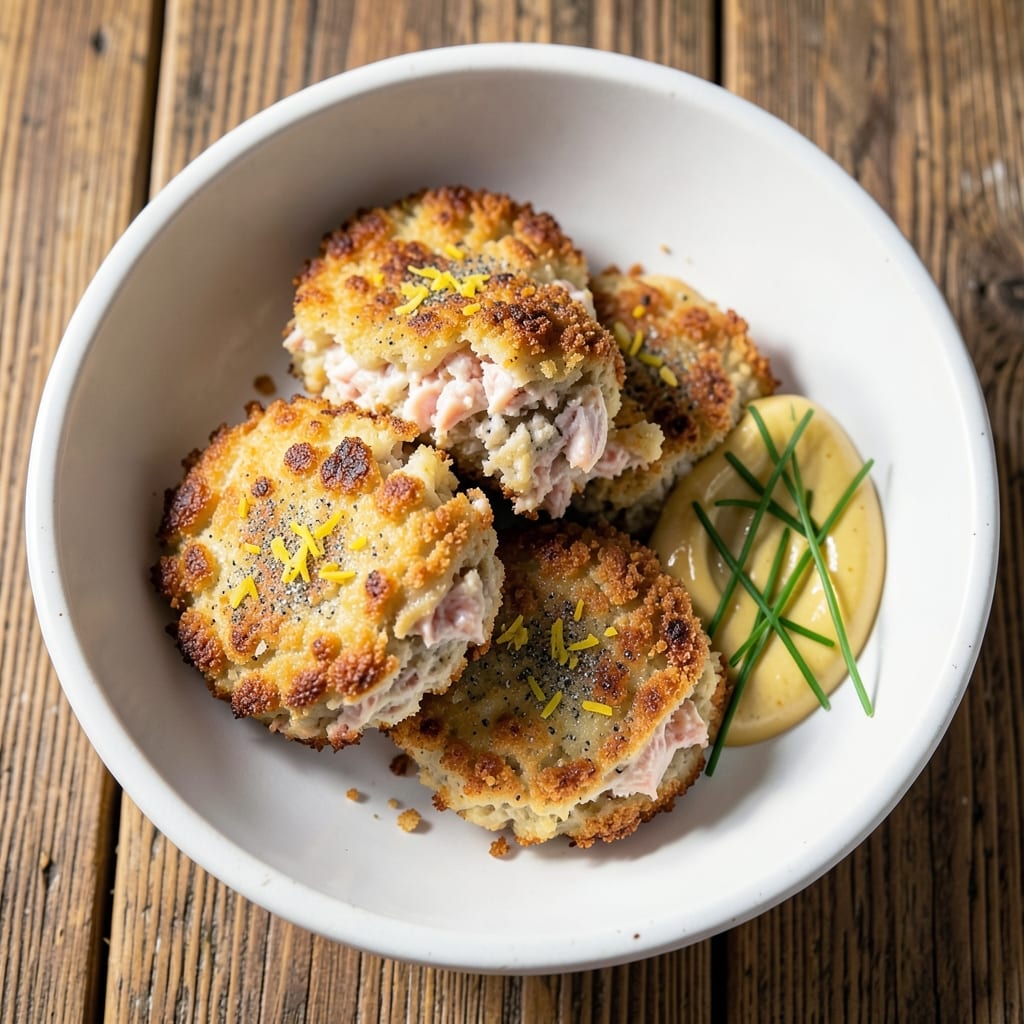
This award-winning Maryland crab cake recipe delivers the perfect balance of crispy edges and tender, lemon-zesty centers that define Chesapeake Bay seafood tradition. 🌟 The secret lies in fresh lump crabmeat, Old Bay seasoning, and a precise ratio of breadcrumbs to mayo for that signature golden crust. After years of perfecting this dish, I've developed a foolproof method that ensures every bite is packed with briny sweetness and satisfying crunch.
The foundation of great crab cakes begins with quality ingredients—no shortcuts here. We'll use a mix of panko and traditional breadcrumbs for extra texture, plus a touch of Dijon mustard to bind everything together. The lemon zest in the batter brightens each bite, cutting through the richness of the crab while maintaining that classic Maryland flavor profile. This recipe serves four, perfect for a weekend brunch or summer gathering where these crispy bites will disappear faster than you can say "Old Bay."
What sets this recipe apart is the crispy exterior that stays crispy—no soggy centers here. We achieve this through careful pan-frying in hot olive oil, flipping just once for even browning. The result? Golden, shatteringly crisp edges that give way to tender crabmeat infused with zesty lemon and aromatic Old Bay. These aren't just crab cakes; they're a celebration of Maryland's seafood heritage in every bite.
Serve with classic tartar sauce, a bright lemon wedge, and a simple side salad to complete the Chesapeake Bay experience. The crispy texture holds up beautifully, making these perfect for sharing or meal prepping ahead of time. Let's create crab cakes that will earn you that award-worthy reputation at your next gathering.
Ingredients for award winning maryland crab cake
Fourteen ingredients transform into crispy, briny Maryland crab cakes with restaurant-quality flavor.
| Ingredient | Amount | Notes |
|---|---|---|
| Fresh Lump Crabmeat 🦀 | 1 ½ lb | Backfin preferred, shell-on for extra flavor |
| Mayonnaise 🥫 | ½ cup | High-quality like Hellmann's or Duke's |
| Panko Breadcrumbs 🍞 | 1 cup | Light and crispy, not regular breadcrumbs |
| Dijon Mustard 🍯 | 1 tbsp | For tangy depth and binding |
| Old Bay Seasoning 🌶️ | 1 tbsp | Maryland's signature spice blend |
| Fresh Lemon Zest 🍋 | 1 tbsp | Bright citrus flavor, not juice |
| Lemon Juice 🍋 | 2 tbsp | Freshly squeezed, not bottled |
| Worcestershire Sauce 🍶 | 1 tsp | For umami depth, avoid anchovy-free versions |
| Smoked Paprika 🌶️ | ½ tsp | Optional for subtle warmth |
| Extra-Virgin Olive Oil 🫒 | ¼ cup | For pan-frying, high smoke point |
| Large Eggs 🥚 | 1 whole | For binding, beaten lightly |
| Chives 🌿 | 2 tbsp | Freshly chopped for garnish |
| Salt 🧂 | ½ tsp | Diamond Crystal preferred |
| Black Pepper 🌶️ | ¼ tsp | Freshly ground for best flavor |
| Vegetable Oil 🫒 | ½ cup | For baking alternative |
The crabmeat makes or breaks this recipe. Backfin lump crabmeat is ideal—it's sweeter and holds together better than claw meat. I always buy mine from Chesapeake Bay Seafood when possible, but Whole Foods or Trader Joe's carry good quality too. Look for crabmeat that's bright white and slightly translucent, not gray or slimy. If you can find it shell-on, even better—just pick out the meat yourself. The difference in flavor is night and day. For the mayo, Hellmann's or Duke's are my go-tos—they're stable and add richness without overpowering. Avoid the 'light' versions, they lack the fat needed for binding.
No Old Bay? Mix 1 tsp paprika, 1/2 tsp celery salt, and 1/4 tsp black pepper—it's not identical, but gets you close. Running out of lemon zest? Fresh lemon juice at double the amount works in a pinch, though it won't have that same bright aroma. The panko breadcrumbs are non-negotiable—regular breadcrumbs get soggy. If you can't find panko, pulse regular breadcrumbs in your food processor for a second or two to lighten them up. For the pan-frying oil, avocado oil has the highest smoke point, but vegetable or canola oil work fine too. Just don't use olive oil—it burns at these temperatures.
Crab cakes keep best in the fridge for 2 days before frying, but I like to make them fresh for maximum crispiness. The breadcrumbs can be prepped ahead and stored in an airtight container for 1 week. For the lemon aioli, make it the day before—flavors meld beautifully overnight. Store any leftovers in an airtight container with a paper towel on top to absorb moisture. These reheat well in a skillet with a little extra oil—just keep the heat medium so they don't dry out. The aroma alone will have your guests thinking you spent all day in the kitchen.
Why You'll Love This Recipe
- No-Fuss Assembly: I swear, the hardest part is cracking the eggs. You mix the crab, mayo, mustard, and breadcrumbs—literally 5 minutes of stirring—then shape them. No rolling, no frying pan juggling. Just pat them into rounds, hit the skillet, and flip once. That’s it.
- Old Bay Magic: Honestly, the secret’s in the seasoning. That Old Bay—smoky, zesty, just a pinch—transforms the crab into something ridiculously good. The Dijon mustard adds this bright, tangy kick that cuts through the richness, and the panko gives that perfect crunch without tasting like sawdust.
- Weeknight or Weekend Star: These work for everything. Toss them on a sheet pan for a 20-minute dinner, serve them on a bun for a lunch that feels fancy, or pile them high on a platter for a crowd. My husband even sneaks them into his work bag for "elevated" sandwiches. (Yes, even on a Tuesday night.)
- Leftovers That Don’t Suck: Between us, most crab cakes dry out or get soggy. Not these. The mayo keeps them juicy, and they reheat like a dream—crispy again in the toaster or air fryer. I make a double batch, freeze half, and still have fresh ones for days. Zero waste, all flavor.
Step-by-step instructions for award-winning Maryland crab cakes
This method delivers perfectly balanced texture—crispy crusts and tender crab centers—every time.
Create the Perfect Crab Cake Mixture
In a large mixing bowl, gently combine the 1.5 lb fresh lump crabmeat with the 0.5 cup mayonnaise, 1 tbsp Dijon mustard, 1 tbsp Old Bay seasoning, 1 tbsp fresh lemon zest, 2 tbsp lemon juice, 1 tsp Worcestershire sauce, and 0.5 tsp smoked paprika. Use your hands to mix just until fully incorporated—avoid overworking the crab, which can make them dense.
The mixture should look like wet sand with visible crab chunks. If using shell-on crabmeat, pick through it carefully to remove any shells before mixing. This step ensures maximum flavor infusion while maintaining the delicate texture of the crab.
Bind and Chill the Batter
In a separate bowl, lightly beat the 1 whole large egg and then stir it into the crab mixture. Add the 1 cup panko breadcrumbs gradually, mixing just until combined. The batter should hold together when pressed but still be slightly loose—this ensures crispy edges without a dense center.
Fold in the 2 tbsp freshly chopped chives and season with the 0.5 tsp salt and 0.25 tsp black pepper. Cover the bowl with plastic wrap and refrigerate for 30-60 minutes. Chilling firms up the mixture, making it easier to handle and preventing the crab cakes from falling apart during cooking.
Form the Crab Cakes
Using your hands, carefully shape the chilled mixture into 4 equal patties, each about ½-inch thick. I press gently but firmly to maintain structure while keeping the crab chunks visible. Place them on a parchment-lined plate and refrigerate for another 15 minutes to firm up further.
This resting period is crucial—it prevents the crab cakes from spreading too much in the pan. If the mixture feels too soft to handle, return it to the fridge for an additional 10 minutes. The ideal consistency should hold its shape when gently pressed.
Pan-Fry to Golden Perfection
Heat 0.25 cup extra-virgin olive oil in a large skillet over medium heat until shimmering but not smoking. Working in batches if needed, carefully place the crab cakes in the pan. Cook for 3-4 minutes per side until they develop a deep golden-brown crust and are firm to the touch.
Don't rush this step—the crust forms the signature texture of great crab cakes. If the oil isn't hot enough, the crab cakes will steam instead of crisp. You'll know it's ready when the edges are golden and the center feels just set when gently pressed with a spatula.
Serve Immediately with Lemon Aioli
Transfer the cooked crab cakes to a paper towel-lined plate to drain any excess oil. Serve immediately with a side of lemon aioli (made with the remaining 1 tbsp lemon juice mixed with 2 tbsp mayonnaise) and a sprinkle of additional chives. The contrast of crispy exterior and tender crab makes every bite worth it.
These crab cakes should be served fresh while the crust is still crisp. The lemon aioli brightens the rich crab flavor while keeping the dish light. For best results, eat within 30 minutes of cooking—leftovers won't have the same perfect texture.
Pro Tips For Making Award Winning Maryland Crab Cake
- CHILL THE CRAB FIRST: Dump that fresh lump crab straight from the cooler into your mixing bowl, and you’re asking for a mushy disaster. Pat it very dry with paper towels, then stash it in the fridge for 20 minutes—just long enough to firm up. I learned this the hard way after serving crab cakes that fell apart like wet sand.
- SALT THE MAYO: Skip this, and your crab cakes will taste bland no matter how much Old Bay you dump in. Mix ½ teaspoon of fine sea salt into the mayo right at the start—it balances the richness and lets the crab’s sweetness shine. (Yes, even if your mayo is "low-sodium.") Trust me, your taste buds will notice.
- PRESS THE PANKO: Dumping panko on top of the crab mix and calling it a day? That’s how you end up with a crumbly, uneven crust. Press the panko firmly into the patties—like you’re making a snowball—so it sticks and browns instead of floating away. A little egg wash (1 yolk + 1 tablespoon water) brushed on before pressing makes it even stickier.
- COOK IN BATCHES: Crowd the pan, and your crab cakes will steam instead of sear, turning out greasy and gray. Use medium-high heat and cook just 3-4 at a time—enough space so they sizzle without competing for oil. If your pan’s too small, grab a second one. The extra 2 minutes waiting will save you from regret.
Regional styles of this dish
Chesapeake Bay Tradition
The Chesapeake Bay region has perfected crab cakes as a celebration of its seafood heritage. Here, you'll find the most authentic versions made with lump crabmeat and Old Bay seasoning, the signature blend created by Baltimore spice merchant William Christopher. The bay's brackish waters produce sweeter, more flavorful crabs than saltwater varieties, giving Maryland crab cakes their distinctive taste. I always say these are the original "seafood sandwich" stars—crispy, briny, and impossible to resist. 🦀
Annapolis vs. Baltimore
While both cities claim crab cake supremacy, Annapolis leans toward baked crab cakes with a lighter, more delicate crust, often using egg wash instead of breadcrumbs. Baltimore, meanwhile, is famous for pan-fried versions with a bold, crispy exterior. The Annapolis style is slightly more refined for formal occasions, while Baltimore's version is heartier and perfect for casual gatherings. I prefer the Baltimore approach—it delivers that signature crunch we all crave. 🌟
Eastern Shore Innovation
The Eastern Shore of Maryland, where the Chesapeake Bay narrows, has its own twist: crab cake "steaks" that are thicker (up to 1-inch thick) and often served with remoulade sauce instead of tartar. These are more substantial, almost like mini burgers, and perfect for feeding a crowd. The secret? Using extra panko (sometimes mixed with crushed cornflakes) for an even crispier texture. I've made these for summer cookouts—they're a game-changer. 🔥
Modern Fusion Twists
While tradition reigns, modern chefs are putting creative spins on classic crab cakes. Try adding smoked gouda or sharp cheddar to the batter for depth, or swap some crabmeat for chopped blue crab clusters for texture contrast. Some chefs even incorporate crispy prosciutto or crumbled feta for a fusion twist. I love a spicy Sriracha aioli on the side—it adds a kick that balances the sweetness. These variations keep the dish exciting while staying true to Maryland roots. 🌶️
Seasonal Variations
Spring brings lighter crab cakes with asparagus or pea purée swirled into the batter, while summer calls for extra lemon zest and fresh dill to complement the heat. In fall, I add sautéed apples or caramelized onions for a sweet-savory contrast. Winter versions often include warm spices like nutmeg or allspice to echo the season. Each variation keeps the crab cake experience fresh year-round. ❄️
Nutrition facts
Frequently asked questions
Can I make these crab cakes ahead of time?
Shape the crab cakes and refrigerate them on a parchment-lined tray for up to 24 hours before cooking. For best texture, pan-fry them fresh when ready to serve—this preserves that signature crispy crust. If you must store cooked crab cakes, keep them in an airtight container with a paper towel to absorb moisture, and reheat in a skillet with a little oil over medium heat for 2-3 minutes per side.
What's the best way to substitute if I can't find lump crabmeat?
Use backfin crabmeat as your next best option—it's slightly sweeter than claw meat. If you must use claw meat, pick out the larger chunks and mix them with 1 tbsp extra mayo to help bind the mixture. For a budget-friendly option, combine ½ lb crabmeat with ½ lb imitation crab, but expect less authentic flavor. Never use canned crab—it's too soft and lacks the fresh, briny taste.
Why did my crab cakes turn out dense instead of crispy? This usually happens from overmixing the batter or using too many breadcrumbs. The ideal texture comes from gentle mixing and a 1:1 ratio of crabmeat to breadcrumbs. Also,
Can I bake these crab cakes instead of pan-frying?
Yes! Preheat your oven to 400°F and bake on a parchment-lined tray for 12-15 minutes until golden brown. Brush with a little olive oil before baking for extra crispiness. For best results, bake them directly from the fridge—this helps maintain structure. The baked version will be slightly less crispy than pan-fried, but still delicious. This method is great for making a larger batch ahead of time.
What's the secret to making these taste like a Maryland seafood restaurant?
The magic lies in three key elements: fresh lump crabmeat, Old Bay seasoning, and proper technique. Use the highest quality crab you can find, and don't skimp on the Old Bay—it's the signature flavor of Maryland seafood. The lemon zest and juice brighten the dish, while the panko breadcrumbs create that signature crispy texture. Finally, cook them in hot oil until they develop a deep golden-brown crust. Serve with classic tartar sauce and a lemon wedge to complete the restaurant experience.