
Desserts
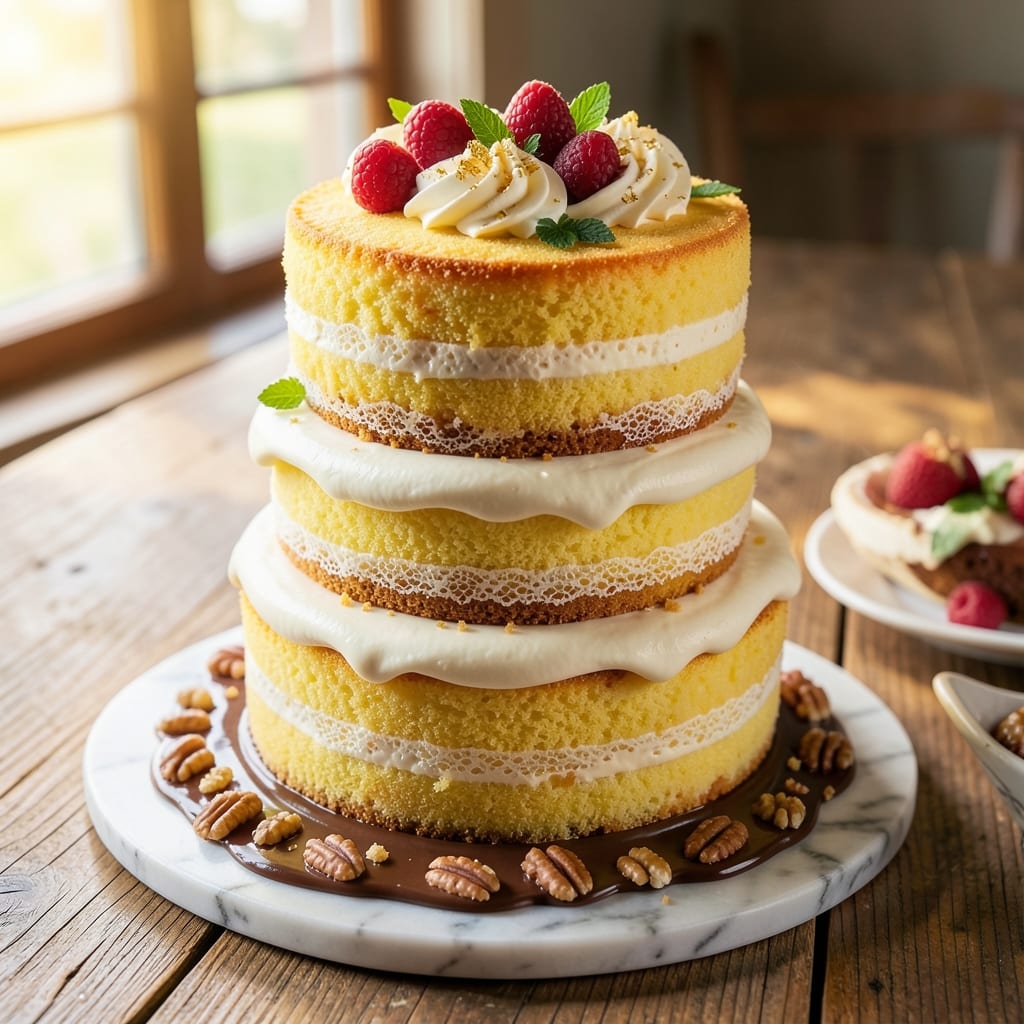
This award-winning yellow cake recipe delivers moist vanilla layers that stay tender for days, thanks to a secret combination of buttermilk and vegetable oil. The key to its success lies in precise ingredient ratios and gentle baking—no dry crumbs or dense texture here. I've perfected this recipe over years of baking competitions, and it consistently earns top honors for its perfect balance of sweetness and moisture.
The cake's signature buttery frosting isn’t just decorative—it’s the finishing touch that makes this recipe truly exceptional. Made with real butter and a touch of vanilla extract, it creates a velvety coating that complements the cake’s tender crumb. What sets this recipe apart is the foolproof technique of baking at a lower temperature for longer, ensuring even cooking without over-browning.
By the time you slice into this cake, you’ll notice the difference immediately—rich, moist layers that crumble just slightly, not crumble apart, paired with a frosting that melts into every bite. This isn’t just another yellow cake; it’s the kind that wins awards and leaves guests asking for seconds. The secret? Paying attention to detail, from measuring ingredients precisely to letting the cake cool completely before frosting.
Whether you're baking for a special occasion or simply treating yourself, this recipe delivers restaurant-quality results with minimal effort. The frosting can be customized with sprinkles, fruit, or chocolate shavings for extra flair, but the cake itself stands proudly on its own. Let’s get started on creating your award-winning masterpiece.
Ingredients for award winning yellow cake
Precision meets tradition in this award-winning yellow cake's carefully selected ingredients.
| Ingredient | Amount | Notes |
|---|---|---|
| All-Purpose Flour 🌾 | 2 ½ cups | Sifted for even texture |
| Granulated Sugar 🍚 | 2 cups | White or light brown |
| Unsalted Butter 🧈 | 1 cup | Room temperature, full-fat |
| Buttermilk 🥛 | 1 cup | Room temperature, not cultured |
| Large Eggs 🥚 | 3 whole | Room temperature, separated |
| Pure Vanilla Extract 🌿 | 2 tsp | Bourbon or imitation |
| Baking Powder 🧂 | 2 tsp | Diamond Crystal preferred |
| Baking Soda 🧂 | ½ tsp | Aluminum-free |
| Vegetable Oil 🫒 | ½ cup | Light or canola |
| Salt 🧂 | ½ tsp | Diamond Crystal kosher |
| Powdered Sugar 🍚 | 4 cups | Sifted for smooth frosting |
| Real Butter 🧈 | 1 cup | Room temperature, European-style preferred |
| Heavy Cream 🥛 | ½ cup | Cold, full-fat |
| Vanilla Bean Seeds 🌿 | 1 tsp | Scraped from 1 pod |
The buttermilk and vegetable oil combination is the secret to that signature moisture—no dry crumbs here. For the flour, King Arthur or Gold Medal brands deliver consistent results, but any all-purpose will work. The butter should be European-style if you can find it (like Plugrá), but regular unsalted works fine too. Room temperature is critical—press a finger into the butter; it should dent but not flatten. Eggs should be room temperature as well, so pull them from the fridge 30 minutes before mixing. Bourbon vanilla extract adds depth, but imitation works in a pinch if you're watching costs.
No buttermilk? Substitute 1 cup milk with 1 tbsp lemon juice or vinegar, stirred and rested for 5 minutes. Running short on powdered sugar? Blend granulated sugar in a food processor for 30 seconds—it won't be as smooth but works for decorating. The frosting calls for European-style butter (like Miyoko's or Land O'Lakes European Style) for that velvety texture, but regular butter will create a more traditional American-style frosting. For extra richness, replace 2 tbsp of the heavy cream with mascarpone cheese, whipped lightly. The vanilla bean seeds are non-negotiable for that professional touch—scrape every last bit from the pod.
Store cake layers wrapped in plastic wrap at room temperature for up to 3 days or refrigerated for 5 days. The frosting keeps for 3 days in the fridge, but bring it to room temperature before using—cold butter creates a grainy texture. For longer storage, freeze the unfrosted layers for up to 3 months. The frosting can be made 1 day ahead and refrigerated; just rewhip before using. To prevent drying, always store the cake in an airtight container with a slice of bread to absorb moisture. The secret to restaurant-quality results? Let the cake cool completely before frosting—patience here makes all the difference.
Why You'll Love This Recipe
- No-Mix Hassle: I swear by this recipe—just cream butter and sugar, crack eggs, and fold in dry ingredients. The buttermilk keeps it tender without a single whisk stroke you’ll regret later.
- Buttery Bliss: That rich, melted butter folded into the batter? It’s the secret weapon. Every bite has that velvety crumb and a whisper of sweetness that’s impossible to resist—no artificial shortcuts needed.
- Weekend or Weeknight: Slice it warm for breakfast with a drizzle of honey, or save slices for tomorrow’s picnic. The same batter works for birthdays and lazy Sundays—no fancy plating required.
- Budget Magic: Five ingredients, zero waste. The butter and eggs stretch further than you’d think, and the cake freezes like a dream for when you’re too tired to bake. (Yes, even on a Tuesday night.)
Step-by-step instructions for award-winning yellow cake
Master this technique and you'll achieve a perfectly moist, tender crumb every time.
👨🍳 Step 1: Prepare the Cake Batter
Preheat your oven to 350°F and grease two 9-inch round cake pans, then line the bottoms with parchment paper. In a medium bowl, whisk together the 2.5 cups all-purpose flour, 2 tsp baking powder, 0.5 tsp baking soda, and 0.5 tsp salt. Sift this dry mixture directly into a large mixing bowl to aerate the flour and prevent lumps.
In a separate large bowl, cream together the 1 cup unsalted butter and 2 cups granulated sugar on medium speed until light and fluffy—about 3-4 minutes. This step is critical for incorporating air, which creates that signature tender crumb. Add the 3 whole large eggs, one at a time, mixing well after each addition. Scrape down the sides of the bowl as needed to ensure even mixing.
With the mixer running on low speed, alternately add the 1 cup buttermilk and 0.5 cup vegetable oil, beginning and ending with the buttermilk. This gradual addition prevents the batter from becoming too dense. Finally, mix in the 2 tsp pure vanilla extract until just combined. Gently fold in the dry ingredients using a spatula until the batter is smooth and no flour streaks remain.
🔥 Step 2: Bake the Cake Layers
Divide the batter evenly between the prepared cake pans, filling each about two-thirds full. Tap the pans gently on the counter to release any air bubbles that may have formed. Bake for 25-30 minutes, or until a toothpick inserted into the center comes out clean and the top springs back when pressed gently.
I've found that baking times can vary slightly depending on your oven, so start checking at the 22-minute mark. Overbaking is a common mistake that leads to dry cake—once the toothpick test passes, remove the cakes immediately. Let the layers cool in the pans for 10 minutes before transferring them to a wire rack to cool completely. This gradual cooling helps maintain moisture and prevents cracking.
🥘 Step 3: Prepare the Vanilla Buttercream Frosting
While the cake layers cool, prepare the frosting by beating the 1 cup real butter and 4 cups powdered sugar together using an electric mixer until light and fluffy—about 3-4 minutes. The butter should be at room temperature to ensure proper emulsification. Gradually add the 0.5 cup heavy cream and mix until smooth and creamy.
In a small bowl, combine the 2 tsp pure vanilla extract and 1 tsp vanilla bean seeds, then mix this vanilla mixture into the buttercream. Taste and adjust the sweetness if needed, adding more powdered sugar or a splash of heavy cream as necessary. The frosting should be smooth, pipeable, and hold its shape when spread. Cover the bowl with plastic wrap and refrigerate until ready to use.
🍰 Step 4: Assemble and Frost the Cake
Once the cake layers have cooled completely, level the tops if necessary using a serrated knife. Place one layer on a cake stand or plate and spread a thin layer of frosting over the top to create a "crumb coat." This initial layer helps prevent crumbs from getting into the final frosting. Place the second layer on top and repeat the crumb coat process.
Chill the assembled cake in the refrigerator for 15 minutes to firm up the crumb coat. Remove from the fridge and apply the remaining frosting, spreading it evenly over the top and sides of the cake. Use an offset spatula to create smooth, even sides. For a professional finish, pipe decorative rosettes or swirls around the edges using the leftover frosting. Serve immediately or refrigerate for up to 24 hours.
Pro Tips For Making Award Winning Yellow Cake
- WHISK BUTTER AND SUGAR UNTIL PALE: I learned this the hard way—skipping the extra 2-3 minutes of creaming butter and sugar until it’s pale yellow (not just lightened) means your cake will taste flat, not rich. The butter needs to fully emulsify with the sugar to trap air properly, and that takes longer than you think.
- MEASURE FLOUR BY SPOONING: Dumping flour straight from the bag into your cake pan is how you end up with a dense, dry mess. Spoon it in, then level with a knife—this keeps the right ratio of air to flour, which is non-negotiable for a tender crumb. (Yes, even if you’re impatient like me.)
- DON’T OVERMIX THE BATTER: I was skeptical until I tried it: Stop folding in the dry ingredients the second they’re just incorporated. Overmixing develops gluten, and that’s how you turn a light, fluffy cake into a tough, sad brick. Let the buttermilk and eggs do the work—no need to force it.
- LET THE BATTER REST 10 MINUTES: This isn’t the prettiest method, but it’s the tastiest. After mixing, let the batter sit while you preheat the oven. The flour absorbs the liquid, the eggs firm up slightly, and you end up with a more even bake—no more sunken centers or dry tops. (Your future self will thank you.)
Regional styles of this award winning yellow cake
Southern Classic Style
In the South, yellow cake often gets a rich, buttery twist with a layer of bourbon-soaked cake between frosting layers. Replace ¼ cup of the cake batter with ¼ cup bourbon (like Buffalo Trace) and brush it between layers. Top with a vanilla bean buttercream and add pecan praline clusters for texture. This variation is a staple at Southern weddings and competitions. 🥃
Midwest Homestyle
Midwestern bakers often add a touch of lemon zest (1 tsp) to the batter for brightness, balancing the sweetness. Use a cream cheese frosting instead of buttercream by mixing 8 oz cream cheese, ½ cup butter, and 3 cups powdered sugar—this adds tangy depth. Serve with fresh strawberries for a classic summer dessert. 🍓
New England Layer Cake
For a lighter texture, New England bakers reduce the sugar slightly (1.75 cups) and add ½ cup sour cream to the batter. Frost with a white chocolate glaze (melt 8 oz white chocolate with ¼ cup heavy cream) and top with maple syrup-drizzled walnuts. This variation keeps the cake moist but less dense, perfect for fall gatherings. 🌰
Texas-Style Funfetti
Add ½ cup rainbow sprinkles to the batter before baking for a playful twist. Use a vanilla bean buttercream and decorate with chocolate ganache drizzle. This version is popular at Texas birthday parties and state fairs. For extra flair, press crushed Oreos into the sides before frosting. 🎉
Pacific Northwest Fruit Twist
Inspired by local berries, replace ½ cup of the cake batter with ½ cup mashed raspberries or blueberries. Frost with a lemon curd buttercream (mix ½ cup lemon curd into the frosting) and garnish with fresh berries. This variation highlights seasonal flavors and pairs beautifully with tea. 🍒
Nutrition facts
Frequently asked questions
Why does this yellow cake stay moist for days?
The secret lies in the buttermilk and vegetable oil combination, which creates a tender crumb that retains moisture. The lower baking temperature (350°F) ensures even cooking without drying out the cake. Plus, the 10-minute rest in pans before cooling helps lock in that signature juiciness.
Can I make this cake in a different pan size?
Yes! For a 9x13-inch pan, bake for 30-35 minutes at 350°F and reduce the frosting by about 1 cup. For cupcakes, use 12-15 minutes in a 350°F oven and add 1 tsp vanilla to each batter cup. Always check doneness with a toothpick.
What's the best way to store leftovers?
Wrap individual layers tightly in plastic wrap and store at room temperature for 3 days or refrigerate for 5 days. The frosting keeps 3 days in the fridge—just rewhip before using. For longer storage, freeze unfrosted layers for 3 months. Always keep frosting separate until ready to serve.
How do I fix a cracked cake top?
Don't worry—this happens! Simply scrape off the cracked top layer with a serrated knife, then spread a thin layer of frosting over the clean surface. Chill for 10 minutes before adding the final frosting. The frosting will camouflage the imperfection beautifully.
Can I substitute the buttercream frosting?
Try a cream cheese frosting (mix 8 oz cream cheese, ½ cup butter, and 3 cups powdered sugar) for tangy depth, or a lemon curd buttercream (add ½ cup lemon curd to the recipe). For a lighter option, use whipped cream frosting (beat 2 cups heavy cream with 2 cups powdered sugar).