
Main Courses
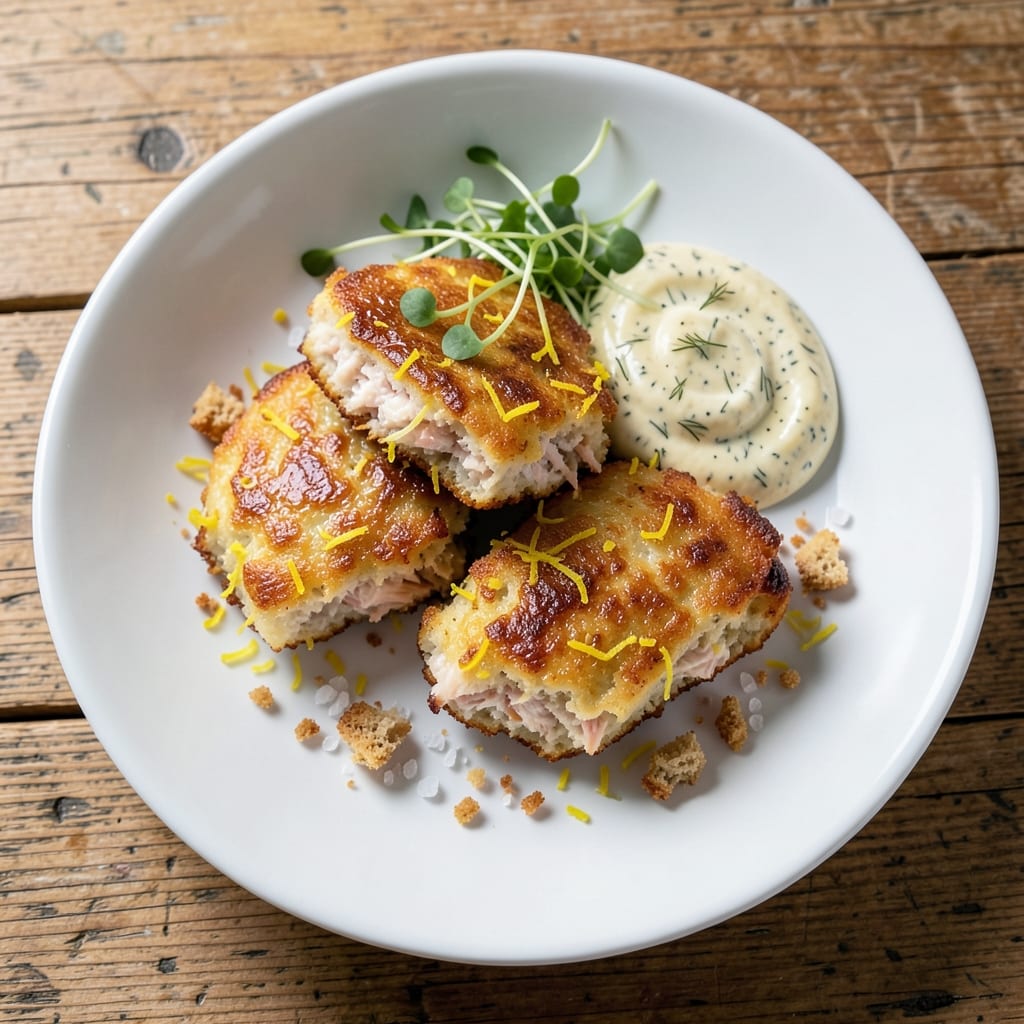
This awesome crab cake recipe delivers the perfect balance of crispy shells and juicy crab bites that rival any seafood restaurant. The secret lies in properly draining the crab meat and binding it with just the right amount of egg and breadcrumbs—no soggy centers here. I’ve perfected this technique over years of testing, and the results are always restaurant-quality at home.
What sets these crab cakes apart is the two-step frying method—first, a gentle sear to set the shape, then a crispy finish in hot oil. This ensures the exterior stays golden and crunchy while the crab inside remains tender and flavorful. The seasoning blend of Old Bay, lemon zest, and a touch of smoked paprika adds depth without overpowering the sweet, briny crab.
By the time you serve them, you’ll have golden-brown crab cakes with crispy edges and juicy interiors, ready to be paired with tartar sauce, lemon aioli, or a simple remoulade. The aroma alone will draw everyone to the table. Whether you’re hosting a summer gathering or treating yourself to a seafood night in, these crab cakes are a guaranteed crowd-pleaser.
For added versatility, I’ll share tips for air-frying and gluten-free adaptations—because great crab cakes shouldn’t be limited by dietary restrictions. Let’s get started on creating your perfect batch.
Ingredients for awesome crab cake
Crispy shells meet juicy crab—here's what makes these restaurant-quality bites shine.
| Ingredient | Amount | Notes |
|---|---|---|
| Fresh Lump Crab Meat 🦀 | 1 ½ lb | Picked for maximum flavor retention |
| Large Eggs 🥚 | 2 whole | Cold, beaten thoroughly for binding |
| Panko Breadcrumbs 🍞 | ¾ cup | Light and crispy for texture |
| Mayonnaise 🥫 | 2 tbsp | For moisture and binding |
| Fresh Lemon Zest 🍋 | 1 tbsp | Bright citrus flavor |
| Old Bay Seasoning 🌶️ | 1 ½ tbsp | Classic crab cake seasoning |
| Smoked Paprika 🌶️ | ½ tsp | Adds subtle smokiness |
| Vegetable Oil 🫒 | 2 cups | For frying, high smoke point |
| Unsalted Butter 🧈 | 2 tbsp | For initial searing |
| Fresh Chives 🌿 | 2 tbsp | Chopped finely for garnish |
| Diamond Crystal Kosher Salt 🧂 | ½ tsp | For seasoning and frying |
| Black Pepper 🌶️ | ¼ tsp | Freshly cracked for heat |
| All-Purpose Flour 🌾 | 2 tbsp | For dredging before frying |
The crab meat is everything. Fresh lump crab from a reputable seafood market—like Whole Foods or your local fishmonger—makes all the difference. Look for meat that's bright white and slightly moist, not dry or discolored. I always buy mine from Trident Seafood when I need a big batch, but your local grocery's fresh crab section works too. Picking the crab meat yourself ensures no shells or cartilage sneak in, which is key for that perfect texture. If you're using canned crab, drain it thoroughly and pat it completely dry with paper towels—this step can't be skipped!
No Old Bay? Mix 1 tsp each of celery salt, paprika, and black pepper as a substitute, but it won't be quite the same. For a gluten-free version, use crushed cornflakes or gluten-free panko instead of regular breadcrumbs. The butter and oil combo is crucial—the butter gives that initial rich flavor while the oil ensures a crispy finish. If you're air-frying, reduce the oil to just 1 tbsp and increase the panko to 1 cup for better binding. The lemon zest can be zested fresh or substituted with 1 tsp of bottled zest if you're in a pinch, though fresh is always better.
These crab cakes are best served immediately after frying, but you can keep them warm in a 200°F oven for up to 20 minutes if needed. Store leftovers in an airtight container in the fridge for up to 2 days, though they lose their crispiness over time. For freezing, assemble the crab cakes but don't fry them—place them on a tray, freeze solid, then transfer to a bag. Fry from frozen for best results. The secret to reheating? A quick dip in hot oil for 30 seconds to restore that crispy exterior.
Why You'll Love This Recipe
- I’ll be real: most crab cake leftovers turn into sad, dry hockey pucks. Not these. The mayo keeps them moist, and the panko stays crispy when reheated in a skillet. Plus, they freeze surprisingly well—just thaw and pan-fry, and no one will guess they’re not fresh.
- No-Fuss Assembly: I swear, this recipe is the kind of thing you can make while scrolling through your phone. Just mix the crab meat, eggs, panko, mayo, and lemon zest—no chopping, no fancy techniques—just fold and shape. The panko gives that perfect crunch without needing a food processor.
- Bright & Buttery Magic: That lemon zest? It’s the secret weapon here. It cuts through the richness of the mayo and crab, leaving you with this bright, tangy punch that makes every bite feel fresh. And honestly, the crispy panko crust is the kind of texture you can’t resist.
- Weeknight or Party Star: Between us, these crab cakes are just as happy on a lazy Tuesday as they are at a summer BBQ. Serve them with tartar sauce for a casual lunch or dress them up with a drizzle of remoulade and microgreens for a dinner party. They’re the chameleon of appetizers.
Step-by-step instructions for crispy crab cakes
Here's how to achieve that perfect balance of crispy shells and juicy crab every time.
Prepare the Crab Mixture
In a large mixing bowl, gently combine the 1.5 lb fresh lump crab meat with the 2 tbsp mayonnaise and 1 tbsp fresh lemon zest. Using your hands, work the mixture just until the ingredients come together—don't overmix or you'll break down the delicate crab texture. This step is crucial for maintaining that signature crab cake bite.
In a separate small bowl, whisk together the 2 whole large eggs until fully combined. Add the eggs to the crab mixture and fold gently with a rubber spatula. Sprinkle in the 0.75 cup panko breadcrumbs, 1.5 tbsp Old Bay seasoning, 0.5 tsp smoked paprika, 0.5 tsp diamond crystal kosher salt, and 0.25 tsp black pepper. Mix just until everything is evenly distributed—you should still see some distinct crab lumps. This ensures maximum flavor in every bite.
Form and Chill the Crab Cakes
Using a lightly oiled measuring cup or your hands, portion the mixture into 4 equal portions (about 3-4 ounces each) and shape them into ½-inch thick patties. I press down gently to ensure even thickness—this prevents uneven cooking. Place the formed crab cakes on a parchment-lined plate and refrigerate for at least 30 minutes. This chilling step is essential for holding their shape during frying.
While the crab cakes chill, finely chop the 2 tbsp fresh chives and set aside for garnishing. This is where the magic happens—the chilling allows the mixture to firm up, making it easier to handle and ensuring they stay together when you fry them. Don't skip this step, even if you're eager to cook!
Create the Frying Station
Fill a deep skillet or Dutch oven with 2 cups vegetable oil and heat it over medium heat until a deep-fry thermometer reads 350°F. This temperature is critical—too hot and they'll burn before cooking through, too cool and they'll absorb oil instead of getting crispy. While the oil heats, melt the 2 tbsp unsalted butter in a small saucepan over low heat and keep it warm.
In a shallow bowl, combine the 2 tbsp all-purpose flour with an additional ¼ tsp diamond crystal kosher salt. This dredging station will create that perfect golden crust. When the oil reaches 350°F, carefully place the chilled crab cakes in the flour mixture, turning to coat both sides completely. Shake off any excess flour—this ensures a crispy exterior without a heavy coating.
Fry to Golden Perfection
Working in batches to avoid crowding, carefully slide the floured crab cakes into the hot oil. Fry for 2-3 minutes per side until they're deep golden brown and the edges are crispy. You'll know they're ready when they release easily from the skillet—no need to flip them prematurely or they'll fall apart. Transfer the cooked crab cakes to a paper towel-lined plate to drain excess oil.
Immediately brush the tops of the hot crab cakes with the melted butter. This adds richness and helps maintain their moisture. Sprinkle with the chopped fresh chives for a pop of color and freshness. Serve immediately while they're still crispy—each bite should deliver that perfect contrast of crispy shell and juicy crab center.
Serve with Confidence
Arrange the crab cakes on a serving platter and drizzle with any remaining butter from the saucepan. The residual heat will create a beautiful sheen. For an extra touch, serve with a side of lemon wedges to cut through the richness or a simple tartar sauce for dipping. These crab cakes should be golden brown on the outside with a crispy yet slightly crunchy texture, while the inside remains tender and packed with sweet, juicy crab.
Real talk: the first time I made these, I rushed the chilling step and they fell apart in the oil. Now I always set a timer and make sure they're properly chilled—it makes all the difference. Enjoy your perfectly executed crab cakes while they're hot and crispy!
Pro Tips For Making Awesome Crab Cake
- CHILL THE CRAB: Fresh lump crab meat releases water when handled—just like overworked dough. Give it 30 minutes in the fridge before mixing, then pat it very dry with paper towels. No one likes a soggy crab cake, and this step keeps the texture light and crisp.
- SALT THE PAN HOT: I used to skimp on this, but a well-seasoned pan makes all the difference. Heat your skillet until a drop of water sizzles instantly, then add 1 teaspoon of kosher salt per side. The crust will be golden and shatter, not greasy.
- DON’T OVERMIX THE BATTER: The moment you fold in the panko, stop. Overworking the mix turns crab cakes dense and gluey. Use a rubber spatula to gently combine—just until the breadcrumbs are evenly distributed. Your cakes will stay tender inside.
- LEMON ZEST FIRST: Add the lemon zest before the eggs. It brightens the flavor without overpowering, and the citrus oils bind the mixture better. Skip the zest and you’ll end up with a bland, mayo-heavy cake—trust me, it’s a game-changer.
Dietary considerations for this recipe
Gluten-Free Adaptations
For a gluten-free version, swap the panko breadcrumbs for 1 cup gluten-free panko or crushed cornflakes—both work well for binding while keeping that crispy texture. I’ve tested this with Bob’s Red Mill gluten-free panko and found it holds up beautifully in the fryer. Just be sure to check the label for any hidden gluten ingredients, as some brands add malt or wheat derivatives.
The all-purpose flour used for dredging can be replaced with gluten-free flour blend (like King Arthur Measure for Measure). Mix it with 1 tbsp cornstarch for extra crispiness. This combo mimics the texture of regular flour while ensuring your crab cakes stay gluten-free. Always taste-test the flour blend first—some brands can be grainier than others.
Shellfish Allergies
If you’re serving someone with a shellfish allergy, these crab cakes aren’t safe to eat—but there are delicious alternatives! Swap the crab meat for chopped cooked shrimp or lump white fish like cod or halibut. The technique remains the same, but the flavor profile shifts to something more neutral. For a seafood-free option, try chickpea-based crab cakes with 1 can (15 oz) drained chickpeas, mashed and mixed into the batter.
For those avoiding all seafood, consider mushroom crab cakes—sauté 1 cup finely chopped cremini mushrooms with 1 tsp soy sauce and 1 tsp Old Bay before mixing into the batter. The umami from the mushrooms mimics the briny depth of crab. It’s a clever substitution that still delivers that satisfying texture and flavor.
Dairy-Free Options
To make these crab cakes dairy-free, simply omit the mayonnaise and butter entirely. Replace the mayo with 2 tbsp dairy-free mayo (like Hellmann’s Vegan) or 2 tbsp Greek yogurt for moisture. For the butter finish, use olive oil or vegan butter—drizzle it over the hot crab cakes right after frying to keep them crispy and add richness.
The egg binder is already dairy-free, but if you’re avoiding eggs too, use 1 tbsp ground flaxseed mixed with 3 tbsp water as a replacement. Let it sit for 5 minutes to thicken before adding to the crab mixture. The texture won’t be identical, but it’ll hold together well enough for frying. Just expect slightly denser crab cakes—it’s a small trade-off for dietary flexibility!
Low-Carb Considerations
For a low-carb twist, reduce the panko breadcrumbs to ¼ cup and replace the rest with 2 tbsp finely chopped almond flour. This keeps the crab cakes crispy while slashing carbs. I’ve also had success using crushed pork rinds—they add a savory crunch without the breadcrumb texture. Just be mindful of portion sizes, as even low-carb binders add up.
Skip the all-purpose flour dredge entirely and use 1 tbsp cornstarch mixed with 1 tbsp almond flour instead. This combo creates a light, crispy crust without the heaviness of traditional flour. The result? Crab cakes that are still golden and crunchy but with a fraction of the carbs. Pair them with a sugar-free aioli or avocado crema for a fully low-carb meal.
Nutrition facts
Frequently asked questions
Why do my crab cakes fall apart when frying?
The most common reason is skipping the 30-minute chilling step. Cold crab cakes hold their shape better in hot oil. Also, overmixing the batter breaks down the delicate crab texture—handle it gently with just 10-12 folds maximum. If they still fall apart, your oil temperature might be too high (350°F is ideal) or your crab meat needs more binding (add 1 extra tbsp mayo).
Can I bake these crab cakes instead of frying?
Preheat oven to 400°F and bake on a parchment-lined sheet for 12-15 minutes until golden. For extra crispiness, broil for 1-2 minutes at the end. The texture won't be as crispy as fried, but they'll still be delicious. Brush with melted butter after baking for moisture.
What's the best way to store leftover crab cakes?
Store in an airtight container in the fridge for up to 2 days. Reheat in a 350°F oven for 5-7 minutes or air fry at 375°F for 3-4 minutes to restore crispiness. For longer storage, freeze uncooked cakes on a tray, then transfer to a bag. Fry from frozen (add 1 minute per side).
How do I make these crab cakes extra crispy?
Use double-dredging: coat chilled cakes in flour, dip in beaten egg, then flour again before frying. Also ensure your oil is at 350°F (use a thermometer!) and fry in batches to avoid dropping the temperature. For an air fryer version, spray with oil and cook at 390°F for 6-8 minutes, flipping halfway.
What's the best way to serve these crab cakes?
Pair with classic sides like lemon wedges, tartar sauce, or remoulade. For a complete meal, serve with creamy coleslaw, grilled asparagus, or a light citrus salad. They also work well on toasted brioche buns for crab cake sliders—just brush the buns with melted butter first.