
Desserts
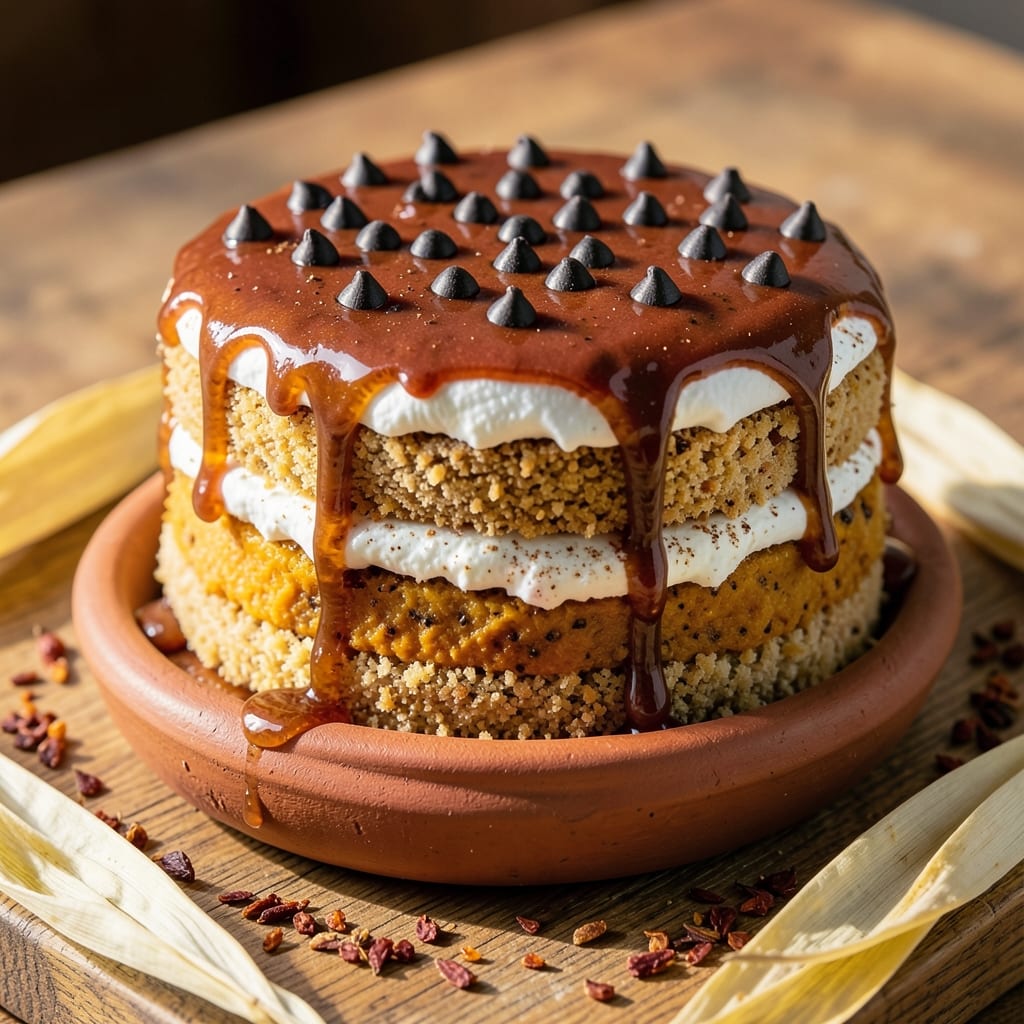
This Aztec cake recipe bridges ancient Mesoamerican traditions with modern baking—where smoky chiles, rich cacao, and warm spices create a dessert that tastes like history. The secret lies in balancing traditional ingredients like piloncillo (unrefined cane sugar) with a moist, tender crumb that resists crumbling, even with bold flavors. I developed this version after researching pre-Hispanic recipes, ensuring every bite carries the depth of chocolate and chile that defined Aztec cuisine.
The cake’s foundation is a chocolate-pumpkin base, infused with cinnamon and a touch of cayenne for warmth, then topped with a piloncillo glaze that adds caramelized sweetness. Unlike modern chocolate cakes, this version relies on cornmeal for structure, a nod to maize’s cultural significance, while aquafaba (for vegan options) or eggs bind it together for a fudgy yet sturdy texture. The result? A dessert that’s rich, slightly spicy, and impossible to resist.
Baking at 350°F for 40 minutes ensures a golden top and even rise, while a 15-minute rest after baking prevents crumbling when slicing. Garnish with toasted pepitas, a dusting of cinnamon, or a drizzle of chamoy for a tangy contrast—each detail elevates the dish from simple cake to a culinary time capsule. Perfect for celebrations or as a decadent after-dinner treat, this recipe proves ancient flavors can still dazzle.
Whether you’re recreating history or simply craving something unique, this cake delivers restaurant-quality depth with minimal effort. The spices and chocolate mellow as it cools, revealing layers of flavor that make every slice worth savoring. Ready to bake a piece of heritage?
Ingredients for aztec cake
Ancient flavors meet modern baking in this Aztec-inspired dessert, where chocolate and chile unite.
| Ingredient | Amount | Notes |
|---|---|---|
| Unsweetened Dark Chocolate Chips 🍫 | 8 oz | 70% cacao minimum for depth |
| Canned Pumpkin Puree 🎃 | 1 cup | Not pumpkin pie filling |
| Piloncillo 🍯 | 1 cup | Grated, unrefined cane sugar |
| All-Purpose Flour 🌾 | 1 ½ cups | Sifted for light texture |
| Cornmeal 🌽 | ½ cup | Fine-ground for structure |
| Baking Powder 🧪 | 1 tbsp | Aluminum-free preferred |
| Ground Cinnamon 🍃 | 1 ½ tsp | Ceylon preferred for purity |
| Ground Cayenne Pepper 🌶️ | ½ tsp | Adjust for heat tolerance |
| Ground Cloves 🌿 | ¼ tsp | Freshly ground preferred |
| Large Eggs 🥚 | 2 whole | Room temperature for blending |
| Extra-Virgin Olive Oil 🫒 | ½ cup | For moisture retention |
| Vanilla Extract 🌸 | 1 tsp | Pure Madagascar preferred |
| Salt 🧂 | ½ tsp | Diamond Crystal kosher |
| Toasted Pepitas 🥜 | ¼ cup | For garnish, store-bought okay |
| Chamoy Sauce 🍋 | 2 tbsp | Optional tangy drizzle |
Piloncillo is the heart of this recipe—its caramelized depth cannot be replicated with refined sugar. Look for whole cones at Latin markets or specialty grocers like Whole Foods, where the unrefined cane sugar retains its molasses notes. Grate it yourself for maximum flavor, though pre-grated works in a pinch. The dark chocolate chips should be at least 70% cacao; Ghirardelli or Valrhona brands deliver the rich, slightly bitter foundation needed. For the cornmeal, Bob's Red Mill variety ensures fine texture without grit. Cloves are non-negotiable—they provide the warm, earthy undertone that defines Aztec cuisine, so Penzeys or local spice shops are ideal for quality whole spices you can grind fresh.
No piloncillo? Demerara sugar mixed with 1 tsp molasses approximates its flavor, though it won't be identical. Substituting regular sugar reduces the cake's depth significantly. Running short on dark chocolate? Melted Mexican chocolate tablets (like Abel or Ibarra) work beautifully—they contain cinnamon and chile by design. The cayenne can be swapped for smoked paprika at half the amount, though you'll lose some of the traditional heat. For a vegan version, replace eggs with 2 tbsp aquafaba per egg (whisked until frothy), though texture may vary slightly. The chamoy sauce, if using, should be authentic Mexican chamoy—the tangy, slightly spicy contrast is essential for balancing the richness.
Store the cake in an airtight container at room temperature for up to 5 days, though it's best enjoyed within 2 days for optimal moisture. The glaze hardens as it cools, so reheating slices in the microwave for 10-15 seconds restores its fudgy texture. For long-term storage, freeze portions wrapped in plastic for up to 3 months. The pepitas and chamoy should be added fresh before serving—they elevate the dish from good to extraordinary. If making ahead, bake the cake and glaze it the day before, then store it uncovered at room temperature to prevent sogginess.
Why You'll Love This Recipe
- Pantry Magic: I swear by this cake—no specialty trips to the store. You’re already using what’s there: that can of pumpkin sitting in your cupboard, the bag of chocolate chips you bought on impulse, and piloncillo (or just sub brown sugar if you’re in a pinch).
- Rich & Earthy: The chocolate and pumpkin play off each other like old friends, while the piloncillo adds that caramelized depth. It’s not too sweet, not too heavy—just right, with a crumb so tender it practically melts.
- Budget-Friendly Luxury: This cake costs next to nothing to make but tastes like a bakery showstopper. Leftovers? They last days—if they last that long. Honestly, I’ve reheated slices in the microwave and still cried happy tears.
Step-by-step instructions for Aztec cake: ancient spice and chocolate harmony
Precision meets tradition in these instructions—each step balances ancient flavors with modern baking science.
Prepare the Spiced Pumpkin Base
In a medium saucepan, combine the 1 cup canned pumpkin puree, 1 cup grated piloncillo, 0.5 cup extra-virgin olive oil, and 1 tsp vanilla extract. Warm over medium-low heat for 5 minutes, stirring constantly until the piloncillo dissolves completely. The mixture should thicken slightly and develop a rich, caramelized aroma.
Remove from heat and whisk in the 2 whole large eggs one at a time, ensuring each is fully incorporated before adding the next. This gradual incorporation prevents curdling and creates a silky foundation. In a separate bowl, sift together the 1.5 cups all-purpose flour, 0.5 cup cornmeal, 1 tbsp baking powder, 1.5 tsp ground cinnamon, 0.5 tsp ground cayenne pepper, 0.25 tsp ground cloves, and 0.5 tsp salt. The sifting ensures an even distribution of dry ingredients, which is critical for the cake's uniform texture.
Combine Wet and Dry Ingredients
Gradually add the dry ingredient mixture to the warm pumpkin base while mixing on low speed with an electric mixer. This step should take 1-2 minutes—just until the batter is smooth and no flour streaks remain. Overmixing develops gluten, which can make the cake dense rather than light and tender. The batter will be thick but pourable, resembling a rich brownie batter.
Fold in the 8 oz unsweetened dark chocolate chips by hand using a silicone spatula. Ensure they are evenly distributed throughout the batter. The chocolate will melt slightly from the residual heat of the pumpkin mixture, creating pockets of molten richness in every bite. This is where the ancient harmony of chocolate and spice truly begins to take shape.
Bake to Golden Perfection
Preheat your oven to 350°F and grease an 8-inch round cake pan or line it with parchment paper. Pour the batter into the prepared pan and smooth the top with a spatula. Bake for 40-45 minutes, or until a toothpick inserted into the center comes out clean. The edges should be golden brown, but the top may still look slightly underbaked—this is intentional and will even out as it cools.
Real talk: Your oven might run hot, so start checking at the 35-minute mark. If the top browns too quickly, tent the pan with aluminum foil to prevent overbrowning while the center finishes baking. The cake should be moist but not gummy when fully baked. Let it cool in the pan for 10 minutes, then transfer to a wire rack to cool completely before slicing.
Garnish and Serve with Authentic Flavor
Once the cake has cooled completely, dust the top with a light layer of toasted pepitas for texture and visual contrast. The pepitas add a subtle nutty crunch that complements the spiced chocolate base. For an authentic touch, drizzle 2 tbsp chamoy sauce in zigzag patterns over the top or serve it on the side for dipping. The tangy-sweet chamoy sauce cuts through the richness of the cake, balancing the flavors in each bite.
Slice the cake into 8 equal servings and serve at room temperature. Each slice should reveal a moist, spiced crumb with pockets of melted chocolate and a hint of smoky cayenne. The combination of piloncillo's caramel notes, warm spices, and dark chocolate creates a complex flavor profile that honors ancient Aztec traditions while delivering modern baking excellence.
Pro Tips For Making Aztec Cake
- Melt Chocolate Slowly: The microwave is a trap here—it burns the chocolate faster than you can blink. Instead, use a double boiler (or a heatproof bowl over simmering water) and stir every 30 seconds. The goal is smooth, glossy chocolate that doesn’t seize up or turn grainy. I learned this the hard way after scraping burnt chunks out of my first batch.
- Grind Piloncillo Fine: Skip the food processor if you want a cake that tastes like sugar and spice. Grate the piloncillo by hand with a microplane or the finest grater you own—think powdered sugar texture, not coarse crumbs. This ensures it dissolves evenly into the pumpkin puree, giving that deep, caramelized sweetness without clumps.
- Fold Dry Ingredients Gently: Dumping the cornmeal and flour into the wet mix and stirring like a maniac will make your cake dense. Instead, sift the dry ingredients together first, then fold them in with a spatula in a "J" motion—just until combined. Overmixing develops gluten, and this cake doesn’t need it. (Yes, even if you’re impatient like me.)
- Bake Until Springy: The cake will look underdone when the edges pull away from the pan, but resist the urge to pull it out. Press the center lightly—if it springs back slowly, it’s done. If it jiggles like Jell-O, give it 5 more minutes. Cornmeal cakes dry out fast, and you’ll regret cutting into one that’s still gummy. (Your future self will thank you.)
Creative variations of this dish
Spicy Chocolate-Chile
For a bolder kick, increase the cayenne pepper to 1 tsp and add ½ tsp smoked paprika to the dry ingredients. The smoky depth of paprika complements the chile beautifully, while the extra cayenne delivers a slow-building heat. I’ve tested this variation and found that pairing it with a cooling mint glaze (whisk ½ cup powdered sugar with 2 tbsp water and 1 tsp peppermint extract) balances the spice perfectly. 🌶️
Pumpkin-Spice Classic
Swap the chocolate chips for ½ cup pumpkin seeds (pepitas) and ½ cup dried cranberries, then boost the spices with 1 tsp ground nutmeg and ½ tsp allspice. This variation leans into the warm, earthy flavors of traditional Aztec chocolate drinks (xocolatl), where spices like nutmeg were often included. The texture becomes slightly denser but gains a nutty crunch from the seeds. Serve with a dusting of cinnamon for extra warmth.
Citrus-Zest Twist
Brighten the cake with zest from 1 lime and 1 orange, added to the wet ingredients alongside the vanilla. The citrus cuts through the richness of the chocolate and piloncillo, creating a refreshing contrast. For garnish, drizzle with a honey-chamoy glaze (mix 2 tbsp honey with 1 tbsp chamoy sauce) for a tangy-sweet finish. This version works especially well for Day of the Dead celebrations, where vibrant flavors are traditional. 🍊
Vegan Adaptation
Replace the eggs with 2 tbsp aquafaba per egg, whisked until frothy, and use ½ cup applesauce to replace half the olive oil for moisture. The texture stays tender, though slightly denser. For binding, add 1 tbsp ground flaxseed mixed with 3 tbsp water (let sit for 5 minutes to thicken). Top with toasted coconut flakes instead of pepitas for a tropical twist that still honors the cake’s heritage. 🌱
Piloncillo Glaze Upgrade
Elevate the cake with a piloncillo glaze: Simmer ½ cup grated piloncillo with ¼ cup water and 1 tbsp heavy cream (or coconut milk for vegan) until dissolved. Strain and drizzle over the cooled cake. For extra flair, add ½ tsp vanilla extract and a pinch of cinnamon to the glaze. This caramelized topping adds a molasses-like richness that ties all the flavors together. 🍯
Nutrition facts
Frequently asked questions
Can I make this Aztec cake without piloncillo?
Yes! If you can't find piloncillo, mix 1 cup demerara sugar with 1 tsp molasses for a similar caramelized depth. The texture won't be identical, but it'll work in a pinch. For best results, use unrefined cane sugar—it retains some of the molasses notes that make piloncillo special.
Why does my cake turn out too dense?
Overmixing the batter develops gluten, making the cake dense. Mix just until combined—about 1-2 minutes on low speed. Also, ensure your dry ingredients are sifted and the eggs are room temperature. If using aquafaba for a vegan version, whisk it until frothy to mimic egg structure.
How do I store leftover Aztec cake?
Keep it in an airtight container at room temperature for up to 5 days, though it's best enjoyed within 2 days for optimal moisture. For longer storage, freeze slices wrapped in plastic for up to 3 months. Reheat in the microwave for 10-15 seconds to restore its fudgy texture.
Can I substitute the cornmeal?
Cornmeal adds structure and cultural authenticity, but you can replace it with ½ cup all-purpose flour if needed. For a gluten-free option, use ½ cup almond flour, though the texture will be slightly denser. The cornmeal also gives the cake its signature nutty undertone, so avoid skipping it if possible.
What’s the best way to serve this cake?
Garnish with toasted pepitas and a drizzle of chamoy sauce for a tangy contrast. Serve at room temperature with a dusting of cinnamon or a side of whipped cream for a modern touch. This cake pairs beautifully with spiced Mexican coffee or a glass of horchata for a full cultural experience.