
Desserts
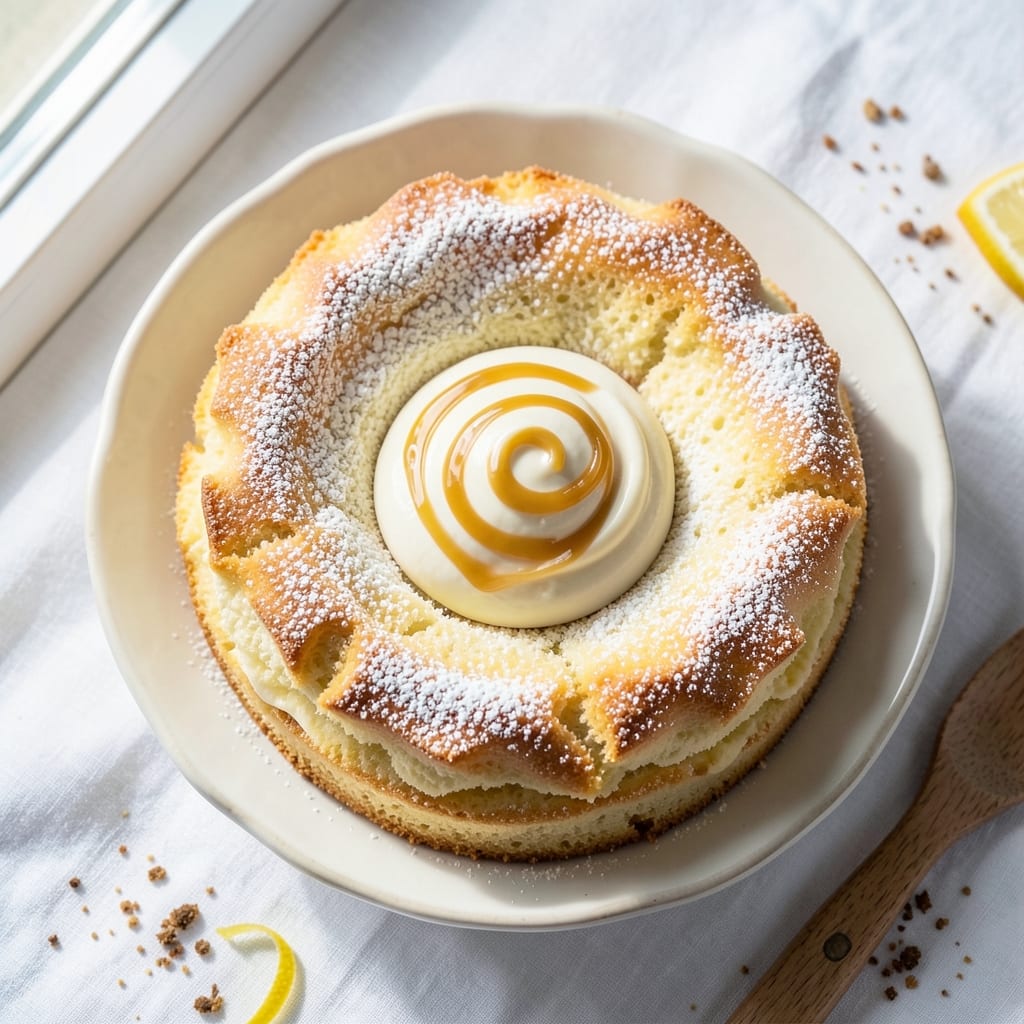
This Bagatelle cake recipe delivers the elegant French classic you've been craving—layers of delicate vanilla sponge, rich coffee buttercream, and a signature crunchy almond topping that sets it apart. The secret lies in precise technique: light-as-air sponge baked in a springform pan, filled with velvety buttercream, and finished with toasted almonds for texture contrast. I've perfected this version to balance traditional French methods with modern convenience.
The cake begins with a simple yet essential vanilla sponge, baked just until golden to maintain its signature tenderness. Between each layer, we add coffee-infused buttercream—a nod to classic French pastry traditions—that keeps the cake moist while adding subtle depth. The real showstopper? The almond topping, toasted to a perfect golden brown for that signature crunch that makes every bite unforgettable.
What makes this recipe special is its adaptability—whether you prefer classic coffee buttercream or rich chocolate, the technique remains the same. The result is a cake that's both impressive and approachable, perfect for celebrations or when you simply want to indulge. Each slice reveals layers of flavor and texture that make it worth every effort.
Ready to master this French classic? The process is straightforward, but the attention to detail—like properly cooling layers and evenly distributing filling—ensures professional results. Let's create a cake that will have everyone asking for seconds.
Ingredients for bagatelle cake
Elegant French layers begin with delicate vanilla sponge and rich coffee buttercream, crowned with toasted almond crunch.
| Ingredient | Amount | Notes |
|---|---|---|
| All-Purpose Flour 🌾 | 2 ½ cups | Sifted for light texture |
| Granulated Sugar 🍚 | 1 ½ cups | Superfine preferred for smoothness |
| Unsalted Butter 🧈 | 1 cup | Cold, cubed for sponge |
| Large Eggs 🥚 | 4 whole | Room temperature for even mixing |
| Pure Vanilla Extract 🍯 | 1 tbsp | High-quality Madagascar preferred |
| Baking Powder 🧂 | 1 ½ tsp | Aluminum-free for tender crumb |
| Salt 🧂 | ¼ tsp | Fine sea salt preferred |
| Whole Milk 🥛 | ½ cup | Room temperature for sponge |
| Instant Espresso Powder ☕ | 1 tbsp | For coffee buttercream |
| Powdered Sugar 🍚 | 3 cups | Sifted for smooth buttercream |
| Unsalted Butter 🧈 | 1 ½ cups | Room temperature for buttercream |
| Heavy Cream 🥛 | ½ cup | Cold for buttercream stability |
| Slivered Almonds 🌰 | 1 ½ cups | Toasted for crunchy topping |
| Granulated Sugar 🍚 | ¼ cup | For almond topping coating |
The flour and sugar form the foundation—King Arthur or Gold Medal flour yields the lightest texture, while Domino superfine sugar dissolves smoothly. For butter, Plugrá or Land O'Lakes unsalted work best when cold and cubed, never melted. Eggs should be room temperature to emulsify properly, and Madagascar vanilla extract adds depth over imitation. The espresso powder? Starbucks or Peet's instant ensures consistent coffee flavor without bitterness. Every ingredient here balances precision with French tradition—don't substitute shortcuts.
No instant espresso? Strong brewed coffee cooled works at double the amount, but powder dissolves perfectly. For the almond topping, blanched almonds from Trader Joe's toast more evenly than store-brand. The buttercream requires patience—powdered sugar must be sifted to avoid graininess. Need a chocolate variation? Swap half the coffee buttercream for chocolate ganache made with 4 oz dark chocolate and 0.5 cup heavy cream. The slivered almonds should toast until golden brown—any darker risks bitterness.
Store the sponge layers wrapped in plastic between parchment at room temperature for 24 hours before filling to prevent sogginess. The buttercream keeps 5 days refrigerated or 3 months frozen in an airtight container. Assemble the cake just before serving—toasted almonds lose crunch within 2 hours. For make-ahead convenience, bake the sponge layers and freeze them individually for up to 1 month—thaw overnight before assembling.
Why You'll Love This Recipe
- No Mixer Needed: I swear by this recipe because it’s one of those rare cakes where you can literally cream butter and sugar by hand—no stand mixer, no stress. The eggs come together so smoothly with that vanilla, and the flour gets folded in just enough to keep it light without overworking it.
- Butter-Sugar Magic: That rich, buttery crumb? It’s the star. The sugar and butter create this melt-in-your-mouth texture, while the vanilla adds a warm, cozy depth that’s hard to resist. Honestly, the first bite makes me want to bake another slice immediately.
- Weeknight or Celebration: Between us, this cake is my go-to for anything—birthday desserts, Sunday brunch, or even a last-minute potluck. It’s elegant enough for company but unfussy enough that I make it when I’m too tired to fuss over layers or fillings.
- Budget-Friendly Staples: All you need is flour, sugar, butter, eggs, and vanilla—pantry basics that won’t break the bank. And the best part? It keeps well for days, so I can bake one batch and enjoy it for a whole week without guilt. (Yes, even on a Tuesday night.)
Step-by-step instructions for French vanilla swirls with crunchy almond topping
Mastering this delicate French technique requires precision in layering and timing—every step builds toward those signature swirls and crisp almond crunch.
Prepare the Two-Stage Sponge Cake
Begin by sifting together the 2.5 cups all-purpose flour, 1.5 tsp baking powder, and 0.25 tsp salt into a medium bowl. Set aside. In a separate large bowl, cream the 1 cup cold unsalted butter and 1.5 cups granulated sugar on medium speed until light and fluffy—this should take about 5-6 minutes. The mixture should nearly triple in volume and become pale.
Add the 4 whole large eggs, one at a time, beating well after each addition until fully incorporated. Mix in the 1 tbsp pure vanilla extract and 0.5 cup room-temperature whole milk until smooth. Gently fold in the sifted dry ingredients using a spatula, being careful not to overmix. The batter should be thick but pourable. Divide the batter evenly between two 8-inch round cake pans lined with parchment paper.
Bake the Sponge Layers
Preheat your oven to 350°F. Bake the sponge layers for 12-15 minutes, or until a toothpick inserted into the center comes out clean. The edges should be golden, but the tops should still look slightly underbaked—this ensures they compress properly when layered. Allow the cakes to cool in their pans for 5 minutes, then transfer to a wire rack to cool completely.
While the cakes cool, prepare the almond topping by spreading the 1.5 cups slivered almonds evenly on a baking sheet. Sprinkle with the 0.25 cup granulated sugar and toast in the oven for 8-10 minutes at 350°F, stirring once halfway, until golden and fragrant. Set aside to cool.
Assemble the Coffee Buttercream
In a stand mixer fitted with the paddle attachment, beat the 1.5 cups unsalted butter at room temperature until smooth. Gradually add the 3 cups powdered sugar, mixing on low speed until combined. Add the 0.5 cup cold heavy cream and 1 tbsp instant espresso powder, then mix on medium speed until light and fluffy—this should take about 3-4 minutes. The buttercream should hold its shape when piped but still be spreadable.
Divide the buttercream evenly between two separate bowls. To one half, add 1 tbsp pure vanilla extract, mixing until fully incorporated. To the other half, add 1 tsp vanilla extract and 1 tsp lemon zest (optional, for brightness). Set aside until ready to use.
Layer and Swirl the Cake
Place one cooled sponge layer on a cake stand or plate. Spread a thin, even layer of vanilla buttercream over the top, leaving a ½-inch border uncovered. Place the second sponge layer on top and gently press down. Spread the remaining vanilla buttercream over the top and sides of the cake, creating a smooth base for the swirl.
Using an offset spatula, spread a thin layer of vanilla buttercream over the top of the cake. Pipe a zigzag pattern of the coffee buttercream across the top, then use the spatula to gently swirl the two colors together in a marbled effect. Press the toasted almond topping evenly over the top, pressing lightly to adhere.
Chill and Serve
Refrigerate the cake for at least 4 hours, or preferably overnight, to allow the flavors to meld and the almond topping to fully set. This chilling step is critical—it ensures clean slices and prevents the buttercream from melting. When ready to serve, use a serrated knife to cut into 8 even slices, wiping the blade between each slice for clean edges.
The finished bagatelle should feature delicate vanilla and coffee swirls, a crisp almond topping, and a light, airy crumb. Serve at room temperature for the best texture contrast between the tender sponge and crunchy almonds. Store leftovers covered in the refrigerator for up to 3 days.
Pro Tips For Making Bagatelle Cake
- Whip Butter to Room Temp: Cold butter makes for a dense bagatelle—no one wants a brick for dessert. Pop the butter out 1-2 hours before baking (or microwave in 10-second bursts) until it’s soft but not greasy. You’ll know it’s right when it leaves a faint indentation when pressed.
- Sift Flour Like a Pro: Bagatelle relies on lightness, and unsifted flour packs like snow. Sift the flour twice—once before mixing, once after adding sugar—so air gets trapped. I used to skip this and ended up with a cake that tasted heavy, even if it looked fine.
- Don’t Overmix the Batter: The moment the batter turns glossy and tough, stop. Overworking the eggs and flour develops gluten, and your bagatelle will turn out chewy instead of tender. Mix just until combined—about 20 strokes max—then fold in any dry bits by hand.
- Bake Until Golden, Not Dry: The cake’s done when the top springs back slightly when pressed and turns a deep, even gold—not pale or cracked. My first time, I pulled it too soon because the recipe said "10 minutes," but 12 minutes at 350°F (with a thermometer) guarantees a perfect crumb.
Essential equipment for great bagatelle cake
Springform Pan Essentials
Your 8-inch springform pan is non-negotiable for this recipe—it creates the signature even layers and clean release. I recommend Nordic Ware or USA Pan brands for their sturdy construction and reliable release mechanisms. Avoid cheap pans that may warp or stick, as this will ruin your delicate sponge layers. 🌟
Stand Mixer Must-Have
A KitchenAid Artisan Series or Cuisinart Premium stand mixer is ideal for achieving that light, airy buttercream. The paddle attachment is critical for incorporating air properly. If you don't have one, a hand mixer works but requires more elbow grease—about 5-7 minutes of continuous mixing to get the same texture.
Offset Spatula Precision
Invest in a high-quality offset spatula (I use OXO Good Grips) for creating those signature swirls. The 6-inch size gives you enough control to spread buttercream evenly while achieving that professional marbled effect. A regular spatula won't give you the same precision for the zigzag pattern needed before swirling.
Parchment Paper Roll
Use unbleached parchment paper for lining your cake pans and as a barrier between layers. I keep a 12-inch x 12-inch roll on hand for this purpose—it's essential for easy release and prevents the sponge from sticking. Never skip this step, as even the slightest sticking can ruin your perfectly baked layers.
Digital Kitchen Scale
A digital kitchen scale (like the OXO Good Grips) ensures precision when measuring ingredients like powdered sugar and buttercream components. The recipe calls for 3 cups powdered sugar—that's 12 ounces—and a scale gives you accuracy that volume measurements can't match. This is especially important for the buttercream's stability and texture.
Almond Toasting Tools
For perfect almond topping, use a baking sheet with raised edges (like Wilton) to prevent spillage during toasting. A wire whisk helps distribute the sugar evenly before toasting. The goal is golden brown, not burnt—watch closely after 8 minutes at 350°F. A cooling rack keeps them from steaming back to softness while cooling. ⏱️
Nutrition facts
Frequently asked questions
Why does the bagatelle cake recipe call for two sponge layers?
The two-layer approach creates the signature French elegance while keeping the texture light and airy. Each layer is thin enough to bake quickly at 350°F for just 12-15 minutes, preventing dryness. The layers also compress beautifully when stacked, giving that classic "squishy" texture French pastries are known for.
Can I make this cake without a stand mixer?
Yes, but you'll need to work carefully! Use a hand mixer for the buttercream, mixing on high for 5-7 minutes until light and fluffy. For the sponge, whisk eggs and sugar by hand until pale and tripled in volume—this takes about 10 minutes of vigorous whisking. The key is patience; don't rush the process or the texture will suffer.
How do I fix a cracked or uneven top on my sponge layers?
Cracks often happen from overmixing or opening the oven too soon. If you see cracks forming, gently smooth the batter with a spatula before baking. For uneven tops, try this trick: place a small piece of aluminum foil on the oven rack below your pans to reflect heat upward. Also, always bake until a toothpick comes out clean—12-15 minutes is crucial for perfect doneness.
What's the best way to store leftover bagatelle cake?
Store the cake in an airtight container at room temperature for up to 2 days, or refrigerate for up to 3 days. For longer storage, freeze the assembled cake (without the almond topping) for up to 1 month. Toast fresh almonds when serving to restore their crunch. Bring to room temperature before slicing for the best texture.
Can I substitute the coffee buttercream for chocolate?
Replace the espresso powder with ½ cup melted dark chocolate (cooled) and reduce the powdered sugar by ¼ cup to maintain consistency. For extra richness, add 1 tbsp cocoa powder to the buttercream mixture. The chocolate version pairs beautifully with the vanilla sponge and almond topping—just adjust the swirl technique slightly as chocolate is thicker.