
Desserts
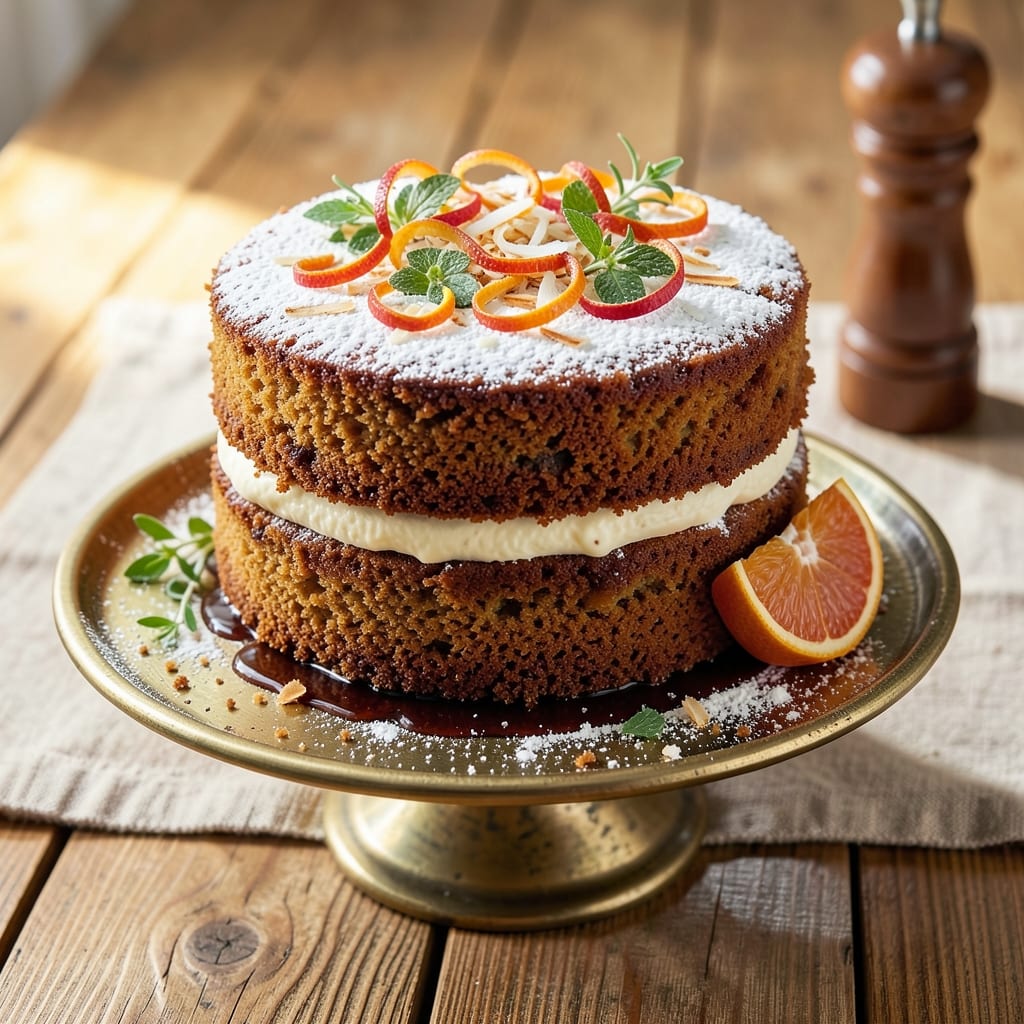
This Bahamian pound cake recipe brings the islands' rich traditions to your kitchen with its signature rum-soaked layers and bright citrus zest. 🌴 The cake's moist texture and warm spices like nutmeg and cinnamon create a dessert that's both comforting and sophisticated—perfect for special occasions or cozy afternoons. What makes it truly special is the rum infusion, which adds depth and a subtle tropical warmth that defines Bahamian baking.
The recipe combines classic techniques with Bahamian flavors, resulting in a cake that's tender yet sturdy enough to hold its shape. Each layer is lightly soaked with rum, creating a delicate balance between sweetness and a hint of boozy richness. The citrus zest adds a refreshing contrast, making every bite feel like a taste of the Caribbean. This cake isn't just a dessert—it's a celebration of tradition and flavor.
By the time you pull it from the oven, you'll have a golden, fragrant cake with layers that are perfectly moist and infused with rum. The aroma alone will have everyone gathering around, and the first slice reveals tender crumbs and pockets of citrus brightness. It's the kind of dessert that pairs beautifully with a cup of strong Bahamian tea or coffee, making it ideal for brunch, afternoon tea, or holiday gatherings.
Whether you're baking for a family celebration or simply craving a taste of the Bahamas, this recipe delivers restaurant-quality results with a homemade touch. The simplicity of the ingredients belies the depth of flavor, and the process is straightforward enough for bakers of all levels. Let's get started on creating this iconic Caribbean treat.
Ingredients for bahamian pound cake
Eight simple ingredients transform into a rum-infused Caribbean masterpiece with citrus brightness and tender layers.
| Ingredient | Amount | Notes |
|---|---|---|
| All-Purpose Flour 🌾 | 3 ½ cups | Sifted for even texture |
| Granulated Sugar 🍚 | 2 ½ cups | White or light brown |
| Unsalted Butter 🧈 | 1 ½ cups | Room temperature, cubed |
| Large Eggs 🥚 | 4 whole | Room temperature, separated |
| Dark Rum 🍹 | ½ cup | 180-proof preferred for infusion |
| Orange Zest 🍊 | 1 tbsp | Fresh, finely grated |
| Lemon Zest 🍋 | 1 tbsp | Fresh, finely grated |
| Ground Cinnamon 🌿 | 2 tsp | Freshly ground preferred |
| Ground Nutmeg 🌿 | 1 tsp | Freshly grated works best |
| Baking Powder 🍞 | 1 ½ tsp | Diamond Crystal preferred |
| Salt 🧂 | ½ tsp | Fine sea salt preferred |
| Vanilla Extract 🌸 | 1 tbsp | Pure Madagascar preferred |
| Orange Juice 🍊 | ¼ cup | Freshly squeezed, strained |
| Heavy Cream 🥛 | ½ cup | Cold, for rum soaking |
The rum is non-negotiable for authentic flavor. Bacardi 151 or Appleton Estate are the gold standard, but any dark rum with at least 40% ABV works. Walmart or World Market usually carry good options—look for bottles labeled 'premium' or 'overproof'. Fresh citrus zest is key too: organic oranges and lemons from the produce section have more vibrant flavor. The butter should be room temperature but not melted—cold cubes work best when creamed. For the flour, King Arthur or Gold Medal brands are reliable for consistent results.
No dark rum? Spiced rum or even bourbon can substitute, though the flavor profile shifts slightly. Fresh zest unavailable? Store-bought citrus zest in jars works in a pinch, but it lacks the bright punch. The baking powder matters—Diamond Crystal rises differently than aluminum-based brands, so if you have it, use it. For nutmeg, freshly grated from a whole nutmeg is ideal, but pre-ground works fine if it's labeled 'freshly ground'. The orange juice can be bottled if you're in a hurry, but fresh is always better for that authentic Bahamian taste.
Store the rum-soaked syrup in the fridge for up to 1 week—it's perfect for drizzling over other desserts too. The cake itself keeps well wrapped at room temperature for 3 days or in the fridge for 5 days. For longer storage, freeze slices wrapped tightly in plastic for up to 3 months. I always make an extra batch—this cake freezes beautifully and makes an amazing gift when wrapped in parchment and tied with twine.
Why You'll Love This Recipe
- No-Weighing Hassle: Honestly, I just eyeball the flour and sugar—this cake’s forgiving. The butter and eggs are the real stars, and once you mix in that dark rum, it’s hard to mess up. (Yes, even on a Tuesday night.)
- Rum-Infused Magic: That splash of dark rum? It’s not just flavor—it’s character. The cake stays moist for days, with a subtle warmth that pairs perfectly with tea or coffee. My daughter picks out the rum-soaked slices first.
- Weekend or Weeknight: Slice it fresh for brunch or bake a loaf ahead for holiday gifts. The texture holds up beautifully—no sad, dry crumbs here. Between us, it’s my go-to for potlucks because it always disappears.
- Budget-Friendly Luxury: Butter and eggs make this feel special, but it’s still cheaper than store-bought. A single batch feeds six, and leftovers? They’re even better the next day—if you can resist eating them all at once.
Step-by-step instructions for Bahamian pound cake
Master this rum-infused cake with citrus layers—moist, spiced, and perfectly balanced.
👨🍳 Step 1: Prepare the Rum-Cream Soak
In a small bowl, whisk together the 0.5 cup heavy cream and 0.5 cup dark rum until fully combined. This mixture will be used to soak the cake layers for that signature Bahamian moisture. Let it sit at room temperature for 10 minutes before using—this allows the alcohol to mellow slightly and enhances the flavor infusion.
Here's the thing—I always use 180-proof rum for this step. The higher alcohol content ensures proper infusion into the cake layers without overpowering the delicate citrus flavors. If you only have 80-proof rum, let it sit uncovered for 30 minutes to evaporate some of the alcohol before using.
👨🍳 Step 2: Cream Butter and Sugars
In a stand mixer fitted with the paddle attachment, beat the 1.5 cups unsalted butter (at room temperature) and 2.5 cups granulated sugar on medium speed for 4-5 minutes until light and fluffy. You're looking for a pale, creamy mixture that nearly doubles in volume—this incorporates air that will create a tender crumb.
I press down gently on the butter mixture with a spatula during the first minute to ensure even blending. This prevents pockets of unmixed butter that could lead to dense spots in your cake. The mixture should be smooth with no visible butter lumps when you stop the mixer.
👨🍳 Step 3: Add Eggs and Citrus Infusion
Add the 4 whole large eggs, one at a time, mixing well after each addition until fully incorporated. Then stir in the 1 tbsp vanilla extract, 1 tbsp orange zest, 1 tbsp lemon zest, 0.25 cup orange juice, and the reserved rum-cream mixture. The batter will be thick but pourable—this is perfect for layer cakes.
This is where the citrus really shines. The orange and lemon zest add bright, aromatic notes that balance the rum's richness, while the orange juice keeps the cake moist. I always use freshly grated zest for maximum flavor—pre-packaged zest just doesn't compare. Mix just until combined to avoid developing gluten in the flour.
🥘 Step 4: Combine Dry Ingredients
In a separate bowl, sift together the 3.5 cups all-purpose flour, 1.5 tsp baking powder, 2 tsp ground cinnamon, 1 tsp ground nutmeg, and 0.5 tsp salt. Gently fold this dry mixture into the wet ingredients using a spatula, mixing just until no flour streaks remain. Overmixing develops gluten, which makes the cake tough.
I use a gentle folding motion to maintain the airiness we created earlier. The batter should be thick but smooth, with just a few dry spots remaining. This ensures a tender crumb without being too dense. Don't worry if it looks slightly under-mixed—it will come together perfectly when baked.
🔥 Step 5: Bake in Layers
Preheat your oven to 350°F and grease three 9-inch round cake pans (or line with parchment circles). Divide the batter evenly among the pans. Bake for 25-30 minutes or until a toothpick inserted in the center comes out clean. Rotate the pans halfway through for even baking.
Here's the moment that matters: the cake should be golden on top but still slightly springy to the touch when pressed gently in the center. If the top browns too quickly, tent loosely with foil after 20 minutes. Let each layer cool in the pans for 10 minutes before transferring to a wire rack to cool completely.
🥘 Step 6: Assemble and Soak
Once completely cool, place the first layer on a serving plate. Brush the top evenly with about 2 tablespoons of the reserved rum-cream mixture. Repeat with the remaining two layers, brushing each layer generously. The rum-cream should be absorbed within 5 minutes—don't rush this step, as proper soaking ensures maximum moisture.
For the final touch, brush the top and sides of the entire cake with the remaining rum-cream mixture. This creates that signature glossy finish and ensures every bite is infused with flavor. Serve at room temperature for the best texture and flavor balance—this cake only gets better as it sits overnight.
Pro Tips For Making Bahamian Pound Cake
- Cream Butter Properly: I learned this the hard way—Bahamian pound cake relies on that rich, velvety texture, and you won’t get it unless you beat the butter and sugar until it’s pale, fluffy, and ribbon-like. Stop when you drag the spatula through the mixture and it leaves a clean, glossy streak about 3 seconds later. No, it won’t be perfectly smooth—this isn’t French pastry—but it needs to hold its shape when you fold in the flour.
- Measure Rum Precisely: Skip the eyeballing. Use a kitchen scale or measuring spoons for the dark rum—this isn’t a cocktail, and too much will overpower the cake’s delicate balance. Aim for ¼ cup (or 60ml) per recipe, then taste the batter before adding the full amount. If it smells like a tiki bar, dial it back.
- Don’t Overmix the Batter: Once you’ve folded in the flour, stop mixing the second everything comes together. Overworking the dough introduces gluten, and your cake will turn out dense instead of tender. Use a spatula to gently fold—just until the dry bits disappear. I’ve ruined three batches by turning this into a science experiment.
- Test for Doneness Early: This cake’s got a thick crust, so don’t wait for the toothpick test. Start checking at 50 minutes if baking at 325°F (165°C)—tap the top gently with your finger. If it springs back slowly and sounds dull, it’s done. If you wait for the toothpick to come out clean, you’ll end up with a dry, overcooked brick. (Yes, even if the recipe says 60 minutes.)
Pro cooking tips for this dish
Rum Infusion Mastery
The rum is the soul of this cake, so handle it with care. For maximum infusion, use 180-proof rum (like Bacardi 151) and let it sit uncovered for 10 minutes before mixing—this reduces harsh alcohol notes. If you only have 80-proof rum, let it sit uncovered for 30 minutes to evaporate excess alcohol before using. Pro tip: Warm the rum slightly (place the bottle in warm water for 2 minutes) to enhance its aromatic release when combined with cream. 🍹
Citrus Zest Technique
Fresh citrus zest is non-negotiable for authentic flavor. Use a microplane to grate 1 tbsp orange zest and 1 tbsp lemon zest—this ensures fine, even particles that distribute beautifully. Store-bought zest lacks brightness, so invest in fresh citrus when possible. For extra punch, add 1 tsp lime zest if you love tangy depth. Sift the zest to remove any bitter pith before adding to the batter. 🍊
Butter Temperature Control
The butter must be room temperature but not melted—cold cubes work best when creamed. Test by pressing a thumb into the butter: it should leave a slight indentation but not be greasy. If your kitchen runs warm, refrigerate the butter for 10 minutes before cubing. Using European-style butter (like Plugrá) adds extra richness, but standard unsalted butter works perfectly. Cream for 4-5 minutes until pale and fluffy—this creates air pockets for a tender crumb. ⚡
Layering Like a Pro
Divide the batter evenly among three 9-inch pans using a kitchen scale for precision. Bake layers at 350°F for 25-30 minutes, rotating pans halfway for even heat distribution. Let layers cool in pans for 10 minutes before transferring—they’ll firm up slightly, making them easier to handle. For a perfectly level cake, use a serrated knife to trim domed tops after baking. 🔥
Soaking Secrets
The rum-cream soak is where magic happens. Brush each layer generously with the mixture, letting it absorb for 5 minutes between layers. For extra moisture, add 1 tbsp orange liqueur (like Cointreau) to the soak. Don’t skip this step—it’s what makes Bahamian pound cake uniquely tender. Store any leftover soak in the fridge for up to 1 week—it’s perfect for drizzling over fruit or ice cream. ✨
Oven Calibration
Ovens vary wildly! If your cake browns too quickly, tent with foil after 20 minutes and reduce heat to 325°F. Use an oven thermometer to confirm your oven’s accuracy—many run hot. For a foolproof test, insert a toothpick: it should come out with a few moist crumbs but no wet batter. If your cake feels gummy in the center, bake 5 more minutes—underbaking is better than overbaking, which dries out the layers. 🌡️
Nutrition facts
Frequently asked questions
Can I substitute regular rum for overproof rum in this recipe?
Yes, but with adjustments! Use 80-proof rum instead of 180-proof, but let it sit uncovered for 30 minutes first to evaporate excess alcohol. This prevents a harsh boozy taste while still infusing the cake. For best results, warm the rum slightly (place bottle in warm water for 2 minutes) to enhance flavor infusion.
Why does Bahamian pound cake need to be soaked in rum?
The rum soak is essential for two reasons: it adds moisture (keeping the cake tender) and infuses that signature Bahamian flavor. The alcohol evaporates slightly during baking, leaving behind rich, aromatic notes that balance the sweetness. Traditional recipes use rum because it was historically available in the Bahamas and became a cultural staple.
Can I make this cake in a single layer instead of three?
For a single layer, use a 9x13-inch pan and reduce baking time to 35-40 minutes. Divide the batter evenly, but don't skip the rum soak—brush it generously over the top and sides. A single-layer version works well for smaller gatherings or when you prefer a simpler presentation. The texture will be slightly denser but still delicious.
How do I store leftover Bahamian pound cake?
Wrap the cake tightly in plastic wrap and store at room temperature for up to 3 days. For longer storage, refrigerate for 5 days or freeze slices wrapped individually for up to 3 months. The rum soak keeps it moist, but refrigeration can make it slightly drier—bring to room temperature before serving.
What's the best way to serve this cake?
Serve at room temperature with a dusting of powdered sugar or a drizzle of warmed rum syrup. It pairs beautifully with Bahamian tea (like hibiscus or peppermint) or strong coffee. For a festive touch, garnish with fresh berries or candied citrus peel. This cake is perfect for brunch, afternoon tea, or holiday celebrations.