
Desserts
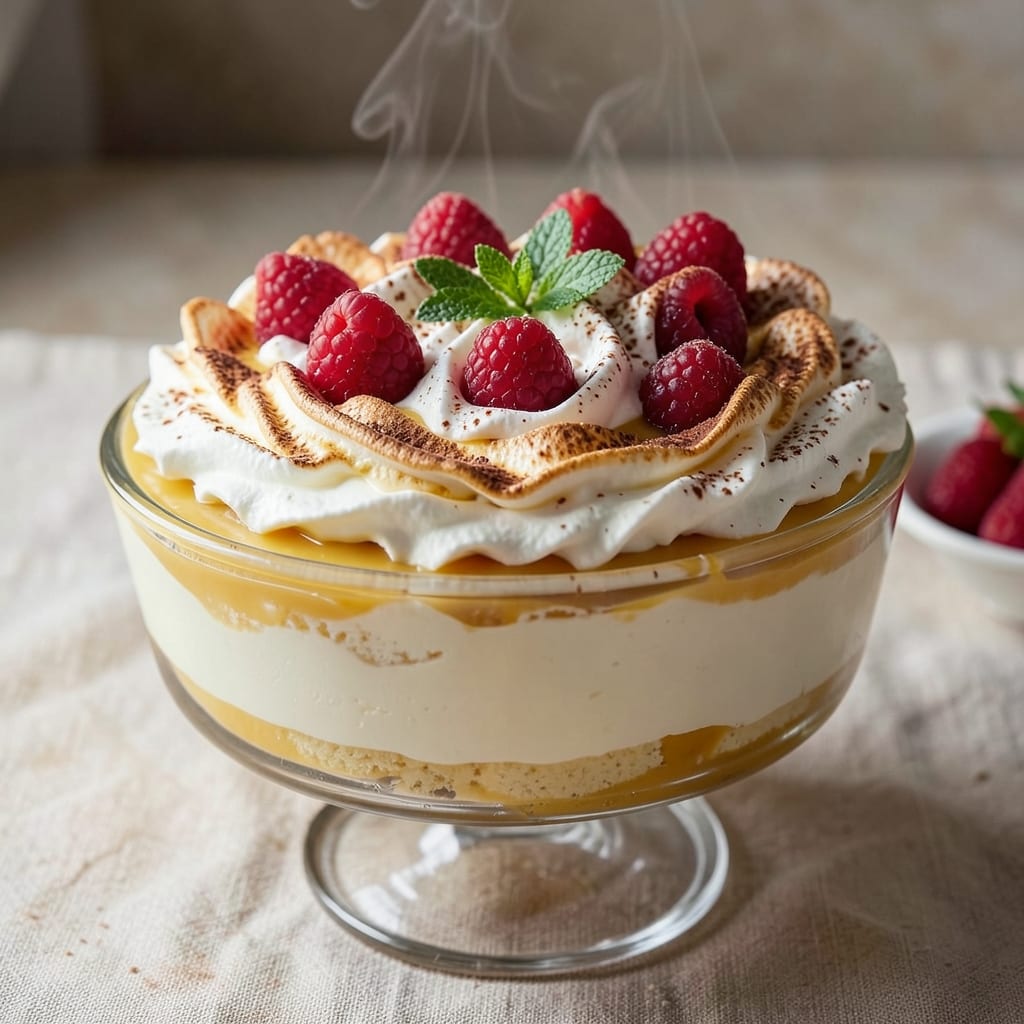
This Baileys cream cheesecake recipe transforms a classic dessert into a decadent, boozy masterpiece with every creamy, swirled bite. 💛 The secret lies in blending rich cream cheese with velvety vanilla custard infused with Baileys, creating a perfect balance of sweetness and warmth. I’ve perfected this recipe over years of baking, ensuring a silky texture and a rich, caramelized top that’s impossible to resist.
The foundation of this cream cheesecake is a foolproof water bath method, which guarantees a smooth, jiggly center without cracks. Baileys isn’t just an add-in—it’s the star, deepening the vanilla flavor while adding a subtle, luxurious depth that elevates the dessert from ordinary to extraordinary. The swirls of vanilla custard cut through the cream cheese’s richness, making each forkful a harmonious blend of textures and flavors.
What you’ll end up with is a restaurant-quality dessert that’s creamy, dense, and bursting with Baileys-infused goodness. The top will be golden brown and slightly caramelized, while the inside remains velvety smooth. This isn’t just a dessert—it’s an experience, perfect for celebrations, date nights, or treating yourself after a long week.
Serve it chilled with a dollop of whipped cream, a drizzle of chocolate sauce, or a sprinkle of crushed nuts for added crunch. The possibilities are endless, but one thing’s certain: this cream cheesecake will become your new go-to recipe. Let’s get baking!
Ingredients for baileys cream cheesecake
Eighteen ingredients for a restaurant-worthy dessert that balances creamy richness with boozy depth.
| Ingredient | Amount | Notes |
|---|---|---|
| Full-Fat Cream Cheese 🧀 | 32 oz | Room temperature, full-fat for richness |
| Heavy Whipping Cream 🥛 | 1 ½ cups | Cold, full-fat preferred |
| Granulated Sugar 🍚 | 1 ½ cups | Superfine preferred for smoothness |
| Vanilla Extract 🌿 | 2 tbsp | Pure Madagascar bourbon preferred |
| Baileys Irish Cream 🍷 | ½ cup | Original flavor, not imitation |
| Large Eggs 🥚 | 4 whole | Room temperature, separated |
| All-Purpose Flour 🌾 | ½ cup | Sifted for smooth batter |
| Unsalted Butter 🧈 | ½ cup | Melted, high-fat content |
| Vanilla Bean Paste 🌿 | 1 tbsp | For enhanced vanilla flavor |
| Diamond Crystal Kosher Salt 🧂 | ½ tsp | Fine grain for delicate seasoning |
| Graham Cracker Crust 🍪 | 1 package | 3.5 oz size, crushed fine |
| Granulated Sugar 🍚 | ¼ cup | For crust caramelization |
| Melted Butter 🧈 | ¼ cup | For crust binding |
The cream cheese selection is non-negotiable—full-fat, high-quality brands like Philadelphia or Wegmans deliver the velvety texture this recipe demands. Room temperature is critical; cold cream cheese creates lumps that ruin the silky finish. For the crust, Honey Maid graham crackers provide the perfect balance of sweetness and crunch, but Nabisco works equally well. The Baileys should be the original Irish cream, not a store-brand imitation—its authentic vanilla and cream notes are essential for that luxurious depth. If you're using vanilla bean paste, Madagascar bourbon offers the most complex flavor profile, though pure extract works in a pinch.
No heavy whipping cream? Full-fat coconut cream achieves a similar richness, though the flavor will differ slightly. Substituting Baileys with vanilla liqueur or extra vanilla extract (1 tbsp liqueur + 1 tsp extract) maintains the spirit of the recipe. For the crust, digestive biscuits or crushed shortbread cookies add delightful texture variations. The eggs must be room temperature—cold yolks curdle when mixed with cold cream cheese. If you're concerned about cracks, add 1 tbsp cornstarch to the filling to stabilize the texture. For a lighter texture, fold in 1 cup whipped cream after baking, but this reduces the boozy intensity slightly.
This cream cheesecake requires precise timing—bake the crust 10 minutes before adding the filling to prevent sogginess. Store leftovers in an airtight container for up to 4 days in the fridge, though it's best enjoyed within 2 days for optimal texture. For make-ahead convenience, bake the cake 24 hours ahead and refrigerate uncovered to develop a better crust. The caramelized top should be golden brown, but if it browns too quickly, tent with foil. Serve chilled with a drizzle of chocolate sauce or whipped cream to enhance the presentation.
Why You'll Love This Recipe
- No Mixing Madness: I swear by this recipe because it’s all about the blender. Three ingredients (cream cheese, sugar, Baileys) get tossed in, a quick spin, then the whipped cream folds in like a dream—no eggs, no water bath, no stress. My blender’s never been happier, and neither am I when I’m not stuck beating batter for 20 minutes.
- Boozy Comfort in Every Bite: That first forkful? Pure velvet with a whisper of caramel and oak—like dessert got a cozy blanket. The Baileys doesn’t just add flavor; it transforms the cream cheese from rich to ridiculously rich, with just enough vanilla to keep it from tasting like a liquor shot. (Yes, even on a Tuesday night.)
- Leftovers That Last: This cake actually improves overnight. The flavors meld, the texture gets smoother, and it’s still just as creamy after three days. I make it for parties, but honestly? Half the time, I’m sneaking slices for breakfast the next morning—no judgment here.
- Budget-Friendly Luxury: You’d think a Baileys dessert would break the bank, but this recipe uses one bottle for the whole thing. The rest is pantry staples: cream cheese, sugar, vanilla. It’s the kind of treat that feels fancy without the grocery-shock sticker price. My wallet and my taste buds thank me weekly.
Step-by-step instructions for Baileys cream cheesecake
Here's the precise method to create a silky, boozy cream cheesecake with perfect texture and swirls.
🥘 Step 1: Prepare the Graham Cracker Crust
Preheat your oven to 350°F and press the graham cracker crust firmly into a 9-inch springform pan, creating an even layer along the bottom and slightly up the sides. This ensures structural support for the filling.
Mix together the 0.25 cup granulated sugar and 0.25 cup melted butter in a small bowl, then pour this mixture evenly over the crust. Press down gently with a spatula to distribute. Bake for 10 minutes until lightly golden and set. Let cool completely before adding the filling.
👨🍳 Step 2: Create the Cream Cheese Filling
In a large mixing bowl, beat the 32 oz full-fat cream cheese with an electric mixer on medium speed until completely smooth and free of lumps. This step is crucial—any lumps will remain in your final product. Scrape down the sides of the bowl as needed.
Gradually add the 1.5 cups granulated sugar while continuing to mix on medium speed until fully incorporated. The mixture should be pale yellow and creamy. Add the 2 tbsp vanilla extract and 1 tbsp vanilla bean paste, mixing until completely combined. This layered approach prevents overmixing the delicate cream cheese.
🍳 Step 3: Incorporate Wet Ingredients
Add the 4 whole large eggs, one at a time, mixing just until each is fully incorporated after adding. Be careful not to overmix—just combine until no streaks remain. The batter should be thick but pourable. Add the 0.5 cup Baileys Irish Cream and mix until evenly distributed throughout.
In a separate bowl, whisk together the 1.5 cups cold heavy whipping cream, 0.5 cup all-purpose flour, and 0.5 tsp Diamond Crystal kosher salt. Gently fold this mixture into the cream cheese batter using a spatula, being careful not to deflate any air bubbles. The final batter should be smooth and glossy with a light, airy consistency.
🥘 Step 4: Assemble and Bake the Cream Cheesecake
Pour the batter evenly into the prepared crust, smoothing the top with a spatula. Tap the pan gently on the counter a few times to release any trapped air bubbles. Place the pan on a baking sheet lined with parchment paper for easy removal.
Bake in the preheated 350°F oven for 50-55 minutes until the edges are set and the center still jiggles slightly (about 1/4-inch movement). The cake should be golden brown around the edges but slightly underbaked in the center. This ensures a silky texture rather than a dry one.
⏰ Step 5: Cool and Swirl the Cream Cheesecake
Remove the cake from the oven and let it cool in the pan for 1 hour at room temperature. Then, carefully transfer it to the refrigerator and chill for at least 4 hours or overnight. This gradual cooling process is essential for proper setting and texture.
Before serving, use a long serrated knife to create swirls in the cake. Dip the knife in hot water between cuts, wipe it dry, and make vertical cuts through the center, then rotate the pan and repeat. This creates the signature swirl pattern while keeping the cake intact. Serve chilled with additional Baileys drizzled on top if desired.
Pro Tips For Making Baileys Cream Cheesecake
- SOFTEN CREAM CHEESE FIRST: I learned this the hard way—taking cream cheese straight from the fridge and mixing it into the batter makes for a lumpy, grainy mess. Let those blocks sit at room temperature for 2–3 hours (or microwave them in 10-second bursts with a damp towel between layers) until they’re just warm to the touch. The texture will be silky, and your Baileys cream cheesecake won’t fight you.
- WHIP CREAM TO STIFF PEAKS: Don’t just "whip the cream until it looks fluffy"—that’s where Baileys cream cheesecakes go wrong. Use a chilled bowl and beat the heavy cream until it holds stiff peaks that stand straight up when you lift the beaters. If you skip this, your cake will sink like a stone (yes, even with the alcohol in Baileys). Pro tip: Add the Baileys after whipping, not before—it’ll keep the cream lighter.
- BAILEYS IN LAYERS: I was skeptical until I tried it: split the Baileys into two additions. Mix half into the cream cheese batter for depth, then fold the remaining half into the whipped cream right before combining. This balances the boozy flavor without overpowering the vanilla-sugar base. Also, measure it after shaking the bottle—Baileys settles, and you don’t want a weak pour halfway through.
- CHILL THE BATTER LONG: Resist the urge to rush this step. After mixing, let the batter sit uncovered in the fridge for at least 4 hours—overnight is ideal. This lets the sugar dissolve fully and the flavors meld, especially the Baileys. Skipping this? You’ll end up with a cake that tastes like dessert parts rather than a cohesive treat. (Your future self will notice the difference.)
Troubleshooting perfect results
Cracked Top Fix
If your cream cheesecake develops cracks, it’s usually due to overbaking or rapid temperature changes. To prevent this, bake at 325°F instead of 350°F—this slower heat reduces stress on the filling. After baking, cover the edges with aluminum foil during the final 10 minutes to protect them from drying out too quickly. If cracks already appear, don’t panic! Spread a thin layer of whipped cream or Baileys-infused custard over the top before serving to disguise them. 💫
Soggy Crust
A soggy crust happens when the filling isn’t fully set before chilling or when the crust absorbs too much moisture. Bake the crust for 10 minutes alone before adding filling to create a moisture barrier. For extra insurance, brush the crust with an egg wash (1 egg yolk + 1 tbsp water) before adding the batter. If the crust still feels damp after baking, let it cool completely before pouring in the filling—this gives any residual moisture time to evaporate.
Grainy Texture
Graininess in cream cheesecake usually means under-mixed cream cheese or cold eggs. Always beat the 32 oz cream cheese until completely smooth—no lumps! Use room-temperature eggs (not cold) to ensure they blend seamlessly. If you’re in a rush, microwave the eggs for 10 seconds to warm them slightly. For an extra-smooth finish, sift the flour before folding it into the batter to avoid any gritty bits. 🥛
Underbaked Center
An underbaked center (jiggly when done) is actually ideal for cream cheesecake—it guarantees a silky texture. However, if the edges cook too fast while the center stays raw, reduce the oven temperature to 300°F for the last 15 minutes of baking. Alternatively, cover the cake with foil after 40 minutes to slow cooking. The internal temperature should reach 150°F, but the center should still have a slight wobble. If unsure, insert a toothpick—it should come out with a few moist crumbs, not wet batter.
Baileys Flavor Too Strong
If the Baileys flavor overpowers the cream cheese, reduce the amount to 0.375 cup (3/4 cup) instead of 0.5 cup. For a more balanced profile, strain the Baileys through a fine-mesh sieve before adding it to the batter to remove any sediment. You can also mix 0.25 cup Baileys with 0.25 cup heavy cream to dilute the intensity while keeping the boozy depth. Taste the batter before baking—if it’s too bold, add 1 tsp vanilla extract to mellow the flavor.
Cheesecake Sticks to Pan
This usually happens if the pan isn’t properly prepared or the batter isn’t smoothed evenly. Line the springform pan with parchment paper before adding the crust to prevent sticking. After baking, run a thin knife around the edges to loosen the cake before chilling. If it still sticks, place the pan in the freezer for 5 minutes before releasing the springform—this helps release the cake cleanly. For extra insurance, grease the pan with butter before adding the crust, but avoid over-greasing, which can cause sogginess.
Nutrition facts
Frequently asked questions
Can I make this cream cheesecake without Baileys?
Yes, but the flavor will be different! Replace the 0.5 cup Baileys with 0.25 cup vanilla liqueur (like vanilla schnapps) plus 1 tbsp extra vanilla extract for a similar sweetness. For a non-alcoholic version, use 0.5 cup extra heavy cream and 1 tbsp vanilla bean paste to maintain richness. The boozy depth is what makes this dessert special, though!
How do I prevent cracks in the top?
Cracks usually happen from overbaking or rapid temperature changes. Bake at 325°F (instead of 350°F) and cover the edges with foil for the last 10 minutes of baking. After baking, let it cool at room temperature for 1 hour before refrigerating. If cracks appear, disguise them with a thin layer of whipped cream or chocolate ganache before serving.
Can I use a different crust instead of graham crackers?
For a nutty flavor, try crushed pecans or almonds mixed with melted butter. A digestive biscuit crust adds a buttery crunch, while shortbread cookie crumbs offer a lighter texture. Just ensure your crust is fully baked (for 10 minutes) before adding the filling to prevent sogginess.
How long can I store leftovers?
This cream cheesecake stays fresh for 4-5 days when stored in an airtight container in the fridge. For longer storage, freeze individual slices (wrapped tightly) for up to 2 months. Thaw overnight in the fridge—never at room temperature—to preserve texture. The Baileys flavor intensifies slightly after chilling, so it often tastes even better the next day!
Why does my cream cheesecake look dense instead of light?
Overmixing the batter or using cold ingredients can create a dense texture. Always beat the cream cheese until completely smooth and use room-temperature eggs. Fold in the flour mixture gently to maintain air bubbles. If your oven runs hot, reduce the temperature to 325°F and bake for 5-10 minutes longer to ensure even cooking without overbaking.