
Desserts
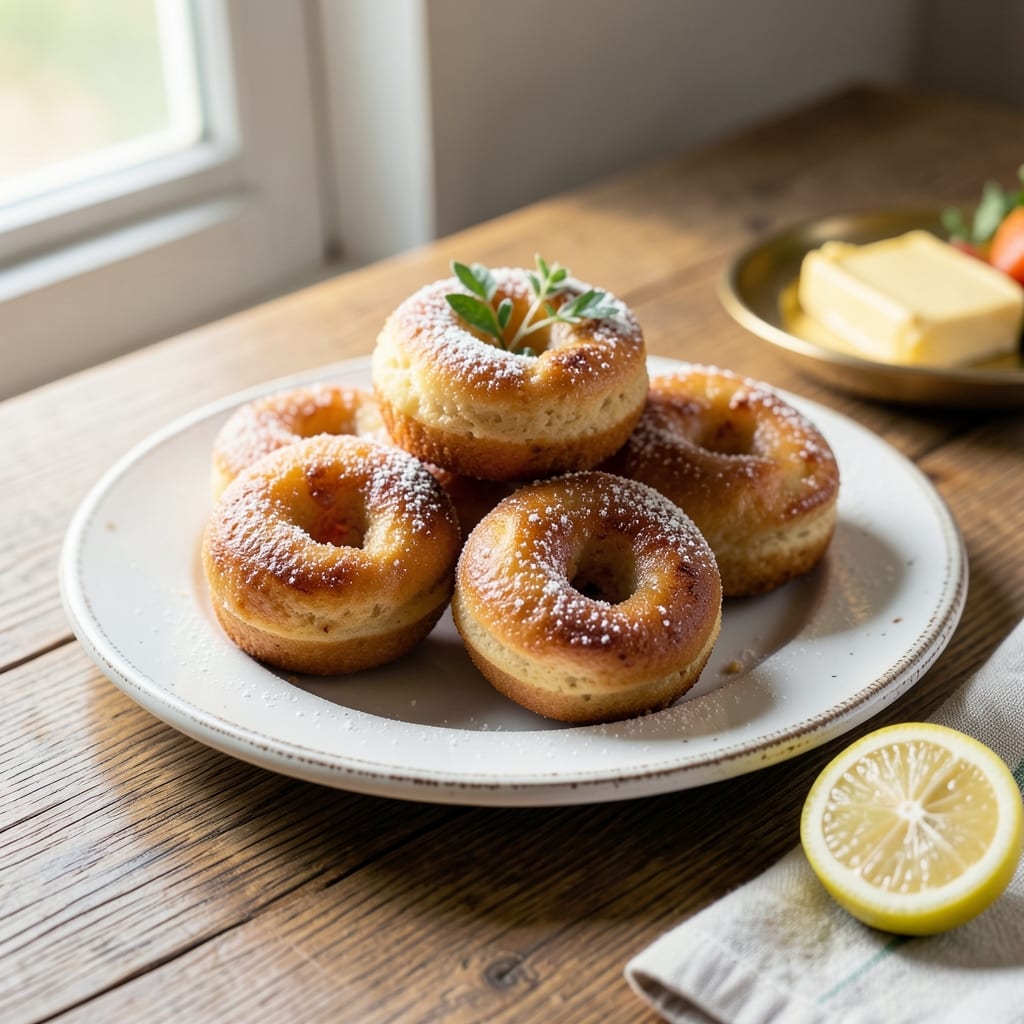
This baked cake donut hole recipe transforms simple cake batter into golden, pillowy donut holes with a crispy glaze—no frying required. The secret lies in a light, airy dough that bakes to perfect donut-hole tenderness while the glaze sets into a crackly, sweet shell. I perfected this after burning through three batches of overly dense dough, and now it’s foolproof for beginners and bakers alike.
The process starts with a vanilla cake batter mixed with a touch of baking powder for lift, then piped into donut-hole shapes on a baking sheet. Baking at 375°F for 10-12 minutes ensures they’re golden and set, not raw. The real magic happens with the glaze—a simple mix of powdered sugar, milk, and vanilla, brushed on warm donut holes for that signature crispy coating.
What you’ll end up with is a tray of warm, vanilla-scented donut holes with a delicate crunch from the glaze and a soft, cake-like center. The aroma alone will have everyone gathering in the kitchen, and the texture—crispy outside, tender inside—is impossible to resist. These are perfect for breakfast pastries, holiday treats, or a nostalgic snack.
No deep-frying required, so cleanup is minimal, and leftovers stay fresh for days. The recipe scales easily, too—double the batch for parties or meal prep. Let’s get baking!
Ingredients for baked cake donut hole
Here’s what you need to bake pillowy donut holes with a crispy glaze—no frying, just golden perfection.
| Ingredient | Amount | Notes |
|---|---|---|
| All-Purpose Flour 🌾 | 2 cups | Sifted for light texture |
| Granulated Sugar 🍚 | ¾ cup | White or light brown |
| Baking Powder 🧂 | 2 tsp | Freshly opened for lift |
| Salt 🧂 | ½ tsp | Fine sea salt preferred |
| Unsalted Butter 🧈 | ½ cup | Room temperature, softened |
| Large Eggs 🥚 | 2 whole | Room temperature for blending |
| Vanilla Extract 🌿 | 1 tbsp | Pure extract, not imitation |
| Milk 🥛 | ½ cup | Whole milk for richness |
| Powdered Sugar 🍚 | 1 ½ cups | For glaze, sifted |
| Heavy Cream 🥛 | ¼ cup | Full-fat for glaze |
| Vanilla Extract 🌿 | ½ tsp | Same as dough, for glaze |
The flour is your foundation—King Arthur or Gold Medal brands work best for that tender crumb. If you’re baking in high altitudes, add an extra 0.5 tsp baking powder to compensate. For the butter, Plugrah or Land O’Lakes unsalted sticks are my go-tos—room temperature is key, so let them sit for 30 minutes before mixing. The vanilla extract? Nothing but pure—imitation won’t give you that authentic flavor. Milk can be whole or 2%—whole adds richness, but 2% works if you’re watching calories.
No vanilla extract? Almond extract at half the amount works in a pinch, but the flavor’s different. Out of powdered sugar? Granulated sugar plus 1 tbsp cornstarch mimics the texture for the glaze. Heavy cream too expensive? Whole milk plus 1 tbsp melted butter gets you close—just whisk it vigorously. The dough’s consistency should be like thick pancake batter; if it’s too stiff, add 1 tsp milk. Too thin? Add 1 tbsp flour. Pro tip: Line your baking sheet with parchment paper—no sticking, no fuss.
Store baked donut holes in an airtight container for up to 3 days at room temperature, or freeze for 2 months. Reheat in a 350°F oven for 5-7 minutes to restore crispiness. The glaze sets best when brushed on warm donut holes, so work fast. For meal prep, freeze the unglazed donut holes, then glaze and reheat before serving. Double the glaze recipe if you’re making a crowd—it disappears fast.
Why You'll Love This Recipe
- No Mixer Needed: Mixing this dough is like folding a blanket—just a bowl and a spatula. The butter gets cut into flour until it’s crumbly, then you fold in sugar until it’s almost coming together. No electric mess, no sticky fingers (much), and honestly? It’s more satisfying than it sounds.
- Buttery Sweet Magic: That first bite—warm, tender crumb with just enough crisp edges—is what makes this recipe my secret weapon. The sugar caramelizes slightly while baking, giving them that almost cake-donut hybrid texture. (Yes, even on a Tuesday night.)
- Breakfast or Dessert: Serve them warm with coffee for a cozy morning treat, or dust with powdered sugar and drizzle with glaze for a dessert that feels fancy. They freeze well too, so I always make a double batch—half for now, half for later when I’m too tired to bake.
- Pantry Staples Only: Five ingredients, one bowl, and 20 minutes. That’s it. No fancy tools, no obscure spices, and no last-minute grocery runs. The donut holes stay fresh for days in an airtight container, and if you’re feeling fancy, a quick dip in cinnamon sugar turns them into crowd-pleasers. Budget-friendly? Absolutely.
Step-by-step instructions for baked cake donut holes
Perfectly golden, tender donut holes with a crisp glaze—here's how to achieve them every time.
Cream Butter and Sugar for Light Texture
In a stand mixer fitted with the paddle attachment, beat the 0.5 cup unsalted butter and 0.75 cup granulated sugar on medium speed for 3-4 minutes until light and fluffy. You'll notice the mixture nearly doubles in volume and becomes pale in color—this incorporates air, which creates that signature tender crumb.
Here's the thing—don't rush this step. The butter needs to emulsify fully with the sugar to create a smooth, airy base. Scrape down the sides of the bowl with a rubber spatula every minute to ensure even mixing. If you skip this, your donut holes will turn out dense instead of light and cake-like.
Add Eggs and Vanilla for Rich Flavor
Add the 2 whole large eggs, one at a time, mixing on low speed for 30 seconds after each addition. Then add the 1 tablespoon vanilla extract and mix for another 10 seconds until fully combined. The mixture might look slightly curdled, but that's normal—it will come together when you add the dry ingredients.
I always use room-temperature eggs for this recipe. Cold eggs can cause the butter to seize up, leading to a grainy texture. If your eggs are straight from the fridge, let them sit in warm water for 5 minutes before using. The vanilla extract should be pure, not imitation—you'll taste the difference in the final glaze.
Combine Dry Ingredients Gently
In a separate bowl, whisk together the 2 cups all-purpose flour, 2 teaspoons baking powder, and 0.5 teaspoon salt. Sift the flour mixture directly into the wet ingredients while the mixer runs on low speed. Mix just until combined—you should still see a few flour streaks. Overmixing develops gluten, which makes the donut holes tough instead of tender.
Stop mixing as soon as the dry ingredients disappear. The dough should be smooth and slightly sticky. If it's too dry, add 1-2 teaspoons of milk to help it come together. This step ensures your donut holes will have that perfect cake-like texture without being cakey.
Fold in Milk and Prepare for Baking
Add the 0.5 cup milk to the dough and mix on low speed for 10-15 seconds until just combined. The dough will be soft and slightly sticky—this is normal. Transfer the dough to a piping bag fitted with a large star tip (or a plastic bag with a corner snipped off).
Preheat your oven to 350°F and line a baking sheet with parchment paper. Pipe 1-inch balls of dough onto the prepared sheet, spacing them about 2 inches apart. They won't spread much, so you can get them close. Bake for 12-15 minutes until the edges are golden brown and the centers spring back when gently pressed.
Make and Apply the Glaze
While the donut holes bake, whisk together the 1.5 cups powdered sugar, 0.25 cup heavy cream, and 0.5 teaspoon vanilla extract in a bowl until smooth. The glaze should be thick but pourable—if it's too thick, add 1-2 teaspoons of milk to loosen it.
As soon as the donut holes come out of the oven, transfer them to a wire rack. Let them cool for 5 minutes—this prevents the glaze from melting off. Then, using a fork, dip the tops of the donut holes into the glaze, allowing any excess to drip off. For extra crispiness, sprinkle a pinch of powdered sugar on top while the glaze is still wet.
Pro Tips For Making Baked Cake Donut Hole
- Measure Butter Cold: Take the butter straight from the fridge—no softening, no room-temperature nonsense. Cold butter creates pockets of steam in the batter, which is what gives these donut holes that light, airy crunch. I used to melt it by accident, and the results were dense and greasy. Trust me, this is the thing that matters most.
- Don’t Overmix the Batter: Once you add the flour, mix just until combined—maybe 10-12 strokes with a spoon. Overmixing develops the gluten, and that turns your tender donut holes into tough, chewy hockey pucks. I learned this the hard way after kneading like I was making pie dough.
- Use a Toothpick Test: Stick a toothpick in the center of the donut holes when they’re done baking—it should come out clean or with a few dry crumbs. If it’s wet, they need more time. I’ve pulled them out early more times than I’d like to admit, and they turn out gummy. Better to wait an extra 2-3 minutes than regret it.
- Chill the Dough 30 Minutes: Let the batter sit in the fridge while you preheat the oven. This prevents the donut holes from spreading too much in the pan, keeping them round and even. I was skeptical until I tried it—now I never skip it. (Yes, even if you’re impatient like me.)
Flavor customization for this recipe
Classic Vanilla Twist
Stick with the original vanilla glaze for that nostalgic donut hole experience, but take it up a notch by adding ½ teaspoon lemon zest to the glaze mixture. The bright citrus cuts through the sweetness beautifully while keeping the signature vanilla flavor. I like to use McCormick pure vanilla extract for the best results—it’s consistent and affordable. For an extra touch, add ¼ teaspoon cinnamon to the dough before baking for warmth. 🌿
Chocolate-Dipped Luxury
Swap the vanilla glaze for a rich dark chocolate glaze by melting ½ cup dark chocolate chips with ¼ cup heavy cream and 1 teaspoon vanilla extract over a double boiler. Once smooth, dip the warm donut holes halfway into the chocolate, then sprinkle with crushed hazelnuts or sea salt flakes for contrast. Use Ghirardelli 60% dark chocolate for a balanced bittersweet flavor. Let the chocolate set on parchment paper before serving.
Cinnamon-Sugar Crunch
After glazing, roll the tops of the donut holes in a mix of ½ cup powdered sugar and 1 tablespoon cinnamon. This adds a delightful crunch and warmth to every bite. For extra flair, use Badia brand cinnamon—it’s finely ground and has a robust flavor. You can also add ¼ teaspoon nutmeg to the dough for depth. These taste amazing with a cup of chai tea or hot coffee.
Maple-Brown Sugar Glaze
Replace the vanilla glaze with a maple-brown sugar glaze by whisking together 1 cup powdered sugar, ¼ cup pure maple syrup, and 2 tablespoons heavy cream. Brush this over warm donut holes for a caramel-like finish. I recommend Grade A Vermont maple syrup for its rich, buttery flavor. For a twist, add ½ teaspoon bourbon to the glaze for a subtle smoky note. Perfect for fall or holiday baking!
Fruit-Infused Variations
Add fresh fruit flavors to the glaze by blending ½ cup powdered sugar, 2 tablespoons lemon juice, and 1 tablespoon raspberry jam (strained) for a tangy berry glaze. Brush this over the donut holes and garnish with fresh raspberries or blueberries. For a tropical twist, use ½ cup powdered sugar, 2 tablespoons pineapple juice, and ½ teaspoon grated lime zest. These variations work especially well with whole wheat flour for a lighter texture. 🍓
Spiced Chai Glaze
Create a spiced chai glaze by whisking 1 cup powdered sugar, ¼ cup heavy cream, 1 teaspoon vanilla extract, ½ teaspoon ground cardamom, and ¼ teaspoon ground ginger. Brush this over warm donut holes for a cozy, aromatic flavor. I love pairing this with chai tea for a dessert-and-drink combo. For extra warmth, add a pinch of cayenne pepper—it adds a subtle kick without overpowering the sweetness. 🌶️
Nutrition facts
Frequently asked questions
Can I make these without a piping bag?
If you don't have a piping bag, use a ziplock bag with a small corner snipped off. Spoon the dough into the bag, seal it tightly, then squeeze to pipe 1-inch balls onto your baking sheet. For even easier shaping, use a large spoon or cookie scoop to drop dough balls directly onto parchment paper.
Why did my donut holes turn out dense instead of cake-like?
Overmixing the dough develops gluten, making them tough. Mix just until combined—stop when you see a few flour streaks. Also, ensure your butter and eggs are room temperature, and don't skip the 3-4 minutes of creaming butter and sugar. Underbaking can also cause density—check for a golden edge and springy center.
How do I store leftover glazed donut holes?
Store them in an airtight container at room temperature for up to 3 days. For longer storage, freeze unglazed donut holes for 2 months. To refresh, reheat at 350°F for 5-7 minutes and re-glaze. The glaze may soften slightly when reheated, so add extra powdered sugar after warming.
Can I make these without powdered sugar for the glaze?
Yes! For a 3:1 ratio, mix 1 cup granulated sugar with 1 tbsp cornstarch to mimic powdered sugar. Whisk with the heavy cream until smooth. The texture will be slightly grainier but still delicious. For a richer glaze, replace ¼ cup of the heavy cream with melted white chocolate.
What’s the best way to serve these?
Warm donut holes taste best fresh from the oven with the glaze still slightly tacky. Serve on a platter with a dusting of powdered sugar and a side of vanilla ice cream or chocolate sauce. For a breakfast treat, pair them with coffee or hot cocoa. They’re also perfect for holiday parties—arrange on a tiered stand with festive decorations!